



 中 文
中 文
Comparative Analysis: Zirconium Block and Traditional Dental Restoration Materials
2024-08-12
2026-04-18
Dental laboratories today face growing demands for high-quality restorations across a variety of materials. From zirconia and PMMA to wax and ceramic, each material behaves differently during milling, which can impact precision, processing time, and workflow consistency. Achieving efficiency and precision simultaneously requires a combination of the right equipment, optimized workflows, and proper material management.
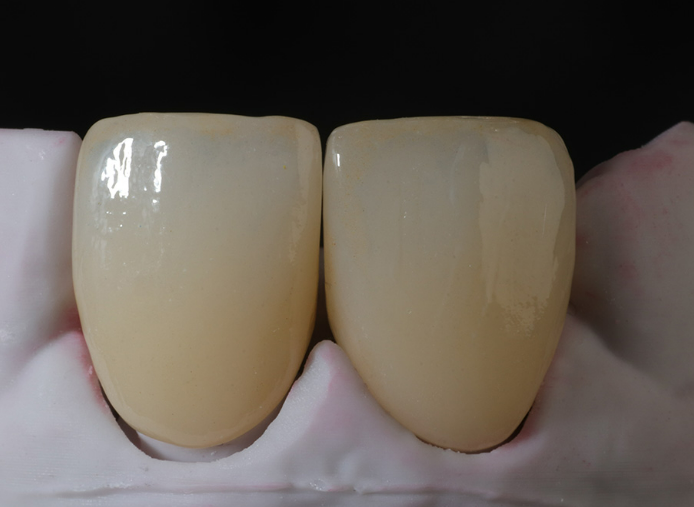
Each dental material presents unique properties. Zirconia is hard and brittle, PMMA is softer and more pliable, and wax can deform under heat. Traditional equipment often struggles to maintain precision across these material types, resulting in inconsistent crowns, bridges, and inlays.
Labs require systems that can adapt to these differences while maintaining a predictable and efficient workflow.
A 5-axis dry dental milling machine is central to addressing multi-material challenges. Key features include:
Five-axis machines provide flexibility in tool movement, allowing precise milling of complex crowns, bridges, and veneers. Micron-level positioning ensures consistent results even with intricate geometries.
Automatic multi-tool magazines reduce downtime and support diverse material processing without manual tool changes. For example, a 10-tool magazine allows labs to handle multiple restoration types in a single workflow.
Modern machines can process zirconia, PMMA, wax, composite resins, and even materials like PEEK or titanium. This versatility enables labs to handle a broader case mix efficiently.
Direct integration with CAD/CAM software allows dental designs to transfer seamlessly to milling equipment. This reduces errors from file conversions and manual input.
Each material requires optimized milling parameters, such as spindle speed, feed rate, and tool path. Predefined settings for each material type help ensure consistent quality.
Automated tool change and multi-part setups allow for continuous operation. By minimizing manual intervention, labs can reduce cycle times and maintain consistent output.
Equipment offering micron-level precision ensures crowns and bridges fit accurately, reducing the need for adjustments or remakes.
A compact and stable frame minimizes vibration, which is critical for maintaining dimensional accuracy during long milling sessions. For example, machines with a footprint around 53 × 65 × 75 cm and weight above 100 kg provide the stability required for multi-material processing.
Regular tool maintenance and machine calibration are essential to maintain precision across material types. Air-cooled systems simplify upkeep, and integrated software can alert operators to tool wear before it affects production.
A modern dental lab producing 50 crowns per day may use the following workflow:
This workflow allows high throughput without compromising fit or surface quality.
Investing in flexible, high-precision milling machines prepares labs for evolving material demands. As patient expectations and restorative options grow, labs equipped for multi-material efficiency can maintain competitiveness and profitability.

Dry & wet milling for zirconia, PMMA, wax with auto tool changer.
learn more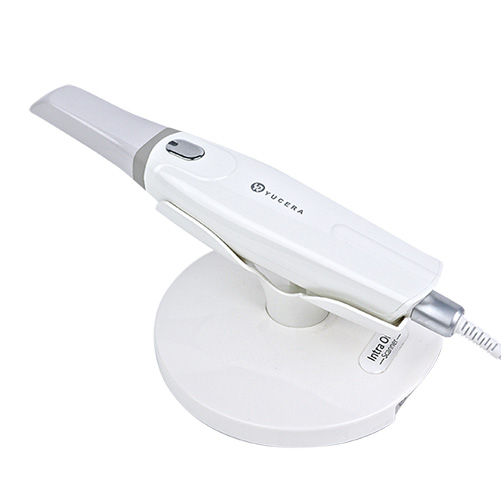
High-precision 3D scanning, AI calibration, full-arch accuracy.
learn more
40-min full sintering with 57% incisal translucency and 1050 MPa strength.
learn more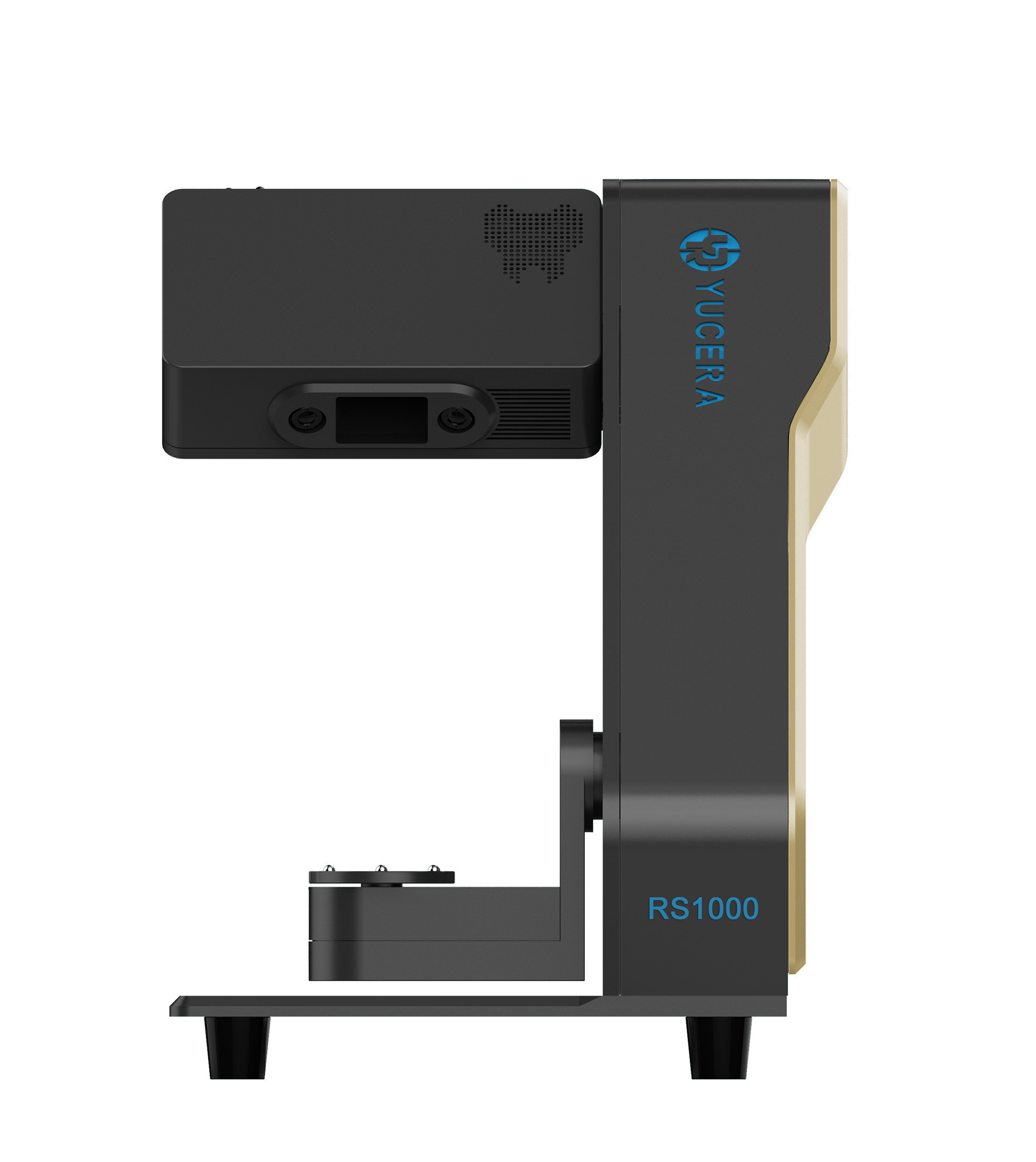
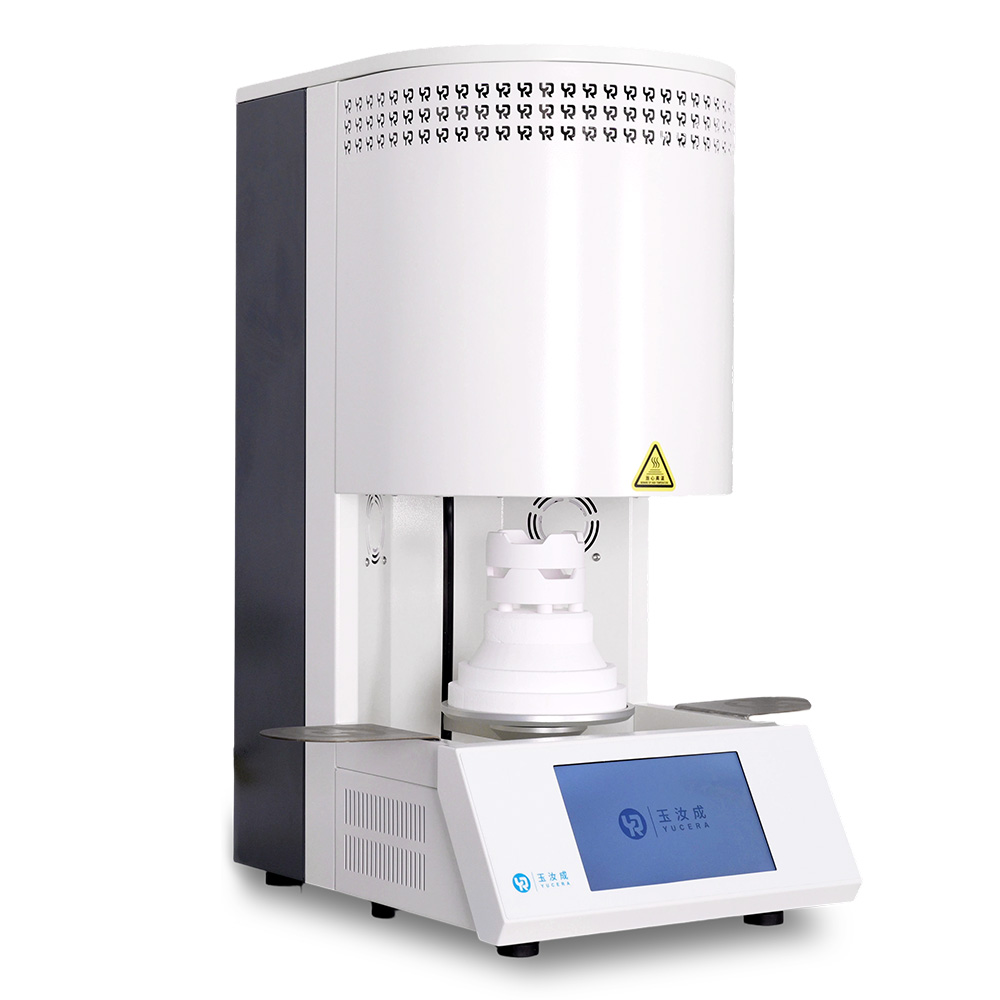
40-min cycle for 60 crowns, dual-layer crucible and 200°C/min heating.
learn more
High-speed LCD printer for guides, temporaries, models with 8K resolution.
learn more


