

 中 文
中 文
The Difference Between Dental Intraoral Scanning and Traditional Impressions
2024-10-15
2026-04-19
Dental laboratories are under increasing pressure to deliver high-quality restorations with shorter turnaround times. Precision, efficiency, and consistency are critical, especially when producing crowns and bridges from multiple materials like zirconia, PMMA, wax, and ceramics. Integrating a high-precision dry milling machine into the lab workflow has proven to be one of the most effective strategies for optimizing production.
This article explores how labs can enhance efficiency and accuracy, highlighting practical case examples and equipment features that contribute to workflow optimization.
Different dental materials respond differently to milling. Zirconia is hard and requires precise spindle speed control, while PMMA is softer and prone to deformation under heat. Wax and composite resins also have unique characteristics. Without equipment capable of adapting to these material differences, labs often encounter:
High-precision dry milling machines mitigate these issues by providing repeatable accuracy and flexible multi-material handling.
Crowns and bridges often feature complex geometries, including thin margins, multi-unit connections, and intricate occlusal surfaces. Manual or two-axis milling may not reliably reproduce these details, resulting in rework and delays.
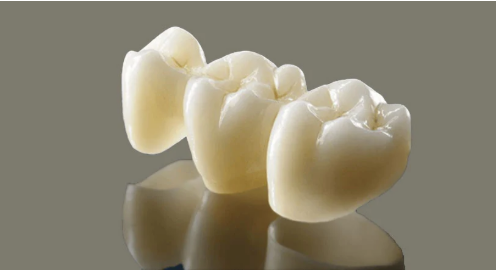
Five-axis machines allow milling tools to operate at multiple angles simultaneously, ensuring accurate cutting even on complex surfaces. This capability is essential for producing crowns and bridges with precise margins and anatomical contours.
High-precision machines typically offer positioning accuracy within 0.008 mm and repeat positioning accuracy of 0.005 mm. Such precision guarantees consistent fit, reducing adjustments and remakes, and ensuring patient satisfaction.
Automatic tool magazines, often with 10 or more slots, allow uninterrupted milling of different parts and materials. By automating tool changes, labs reduce downtime and maintain a smooth workflow throughout the day.
Modern dry milling machines can process zirconia, PMMA, wax, composite resins, and even materials like PEEK and titanium. This versatility enables labs to handle a wide range of cases without investing in multiple machines.
Machines with a stable frame and a compact footprint (around 53 × 65 × 75 cm and 100–120 kg) minimize vibration during high-speed milling, maintaining dimensional accuracy over long processing runs.
Direct integration with CAD/CAM software allows dental designs to transfer seamlessly to the milling machine. Digital files are optimized with predefined material parameters, reducing manual adjustments and ensuring consistent outcomes.
Each material requires specific spindle speed, feed rate, and tool path parameters. High-precision machines enable labs to save these settings, ensuring repeatable results across multiple restorations.
Automated tool change and multi-part setups allow labs to mill multiple crowns or bridge units in a single batch. This approach reduces operator intervention and maximizes throughput.
Post-milling, each restoration undergoes dimensional verification. High-precision machines reduce variability, meaning fewer adjustments are needed, and the lab can maintain a consistent output quality.
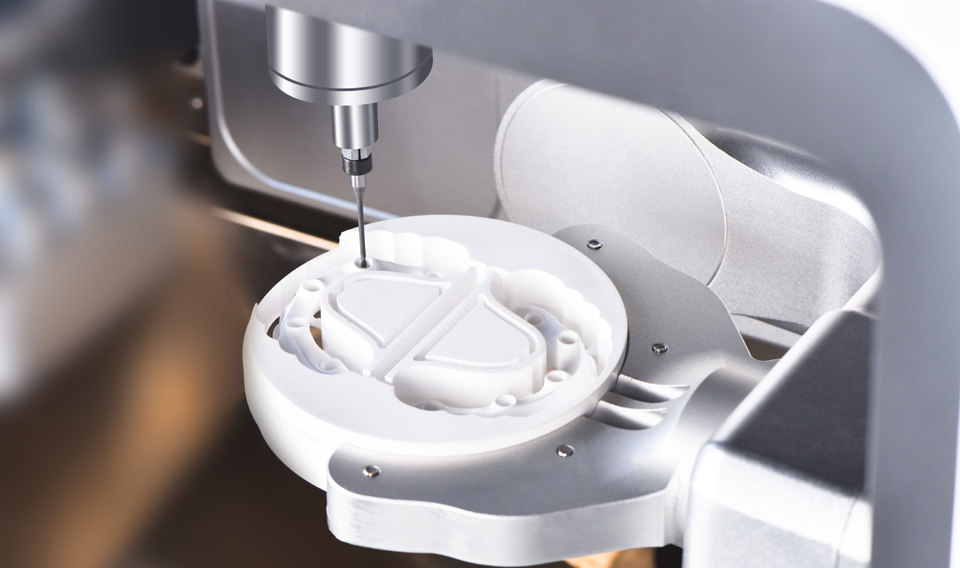
A lab producing 60 crowns and 20 bridges per week implemented a high-precision dry milling workflow:
Outcome: Reduced processing time by minimizing rework, consistent restoration quality, and the ability to handle multi-material cases efficiently.
By integrating high-precision dry milling machines into their workflow, dental laboratories can maintain a competitive edge. With evolving patient demands and the need for multi-material restorations, these machines ensure labs can deliver precision, speed, and consistency every day.

Dry & wet milling for zirconia, PMMA, wax with auto tool changer.
learn more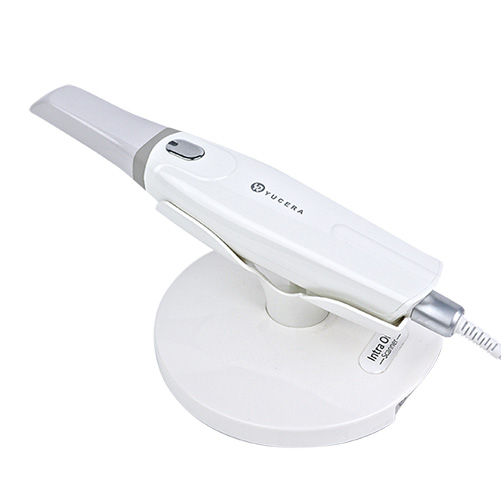
High-precision 3D scanning, AI calibration, full-arch accuracy.
learn more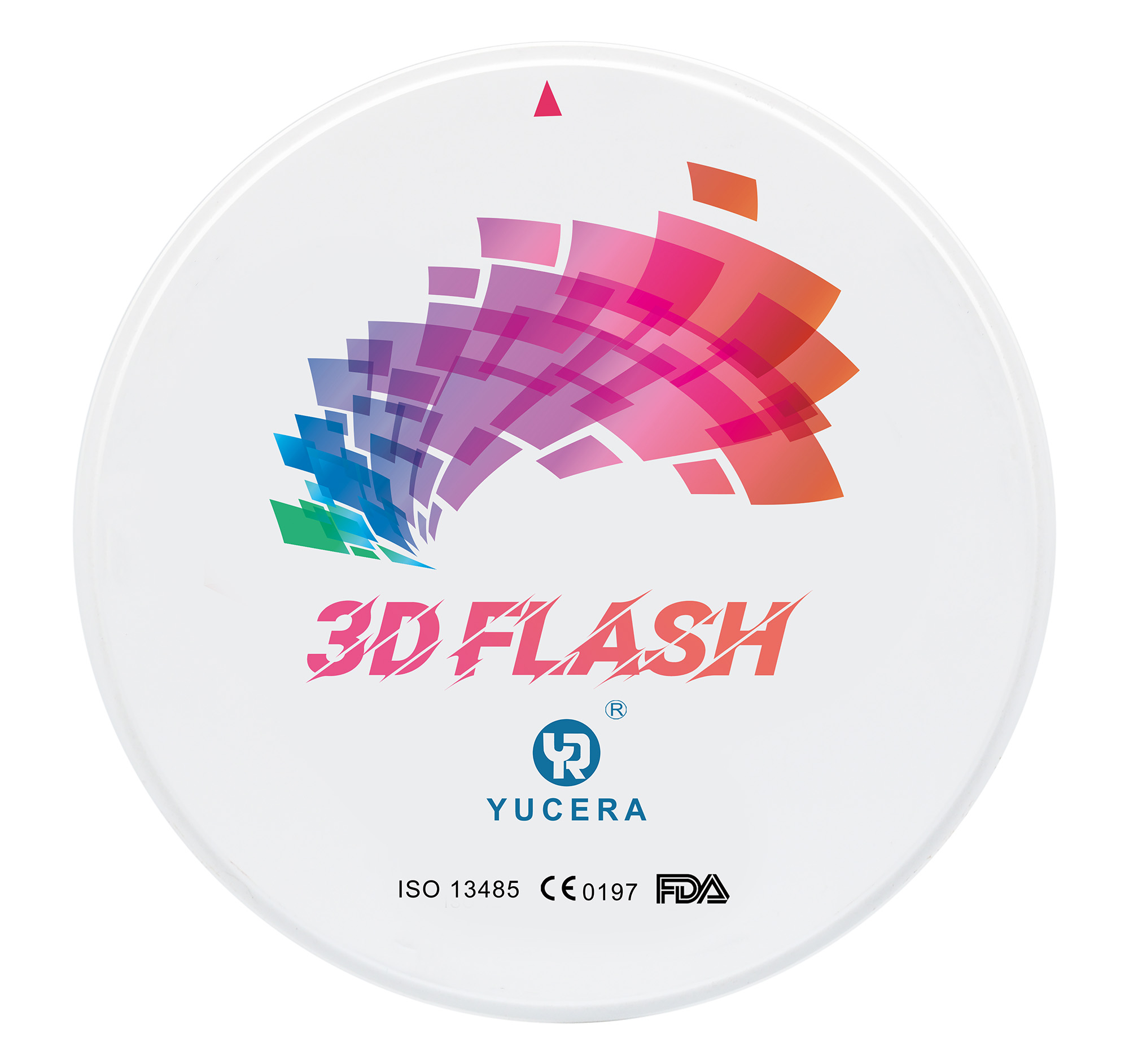
40-min full sintering with 57% incisal translucency and 1050 MPa strength.
learn more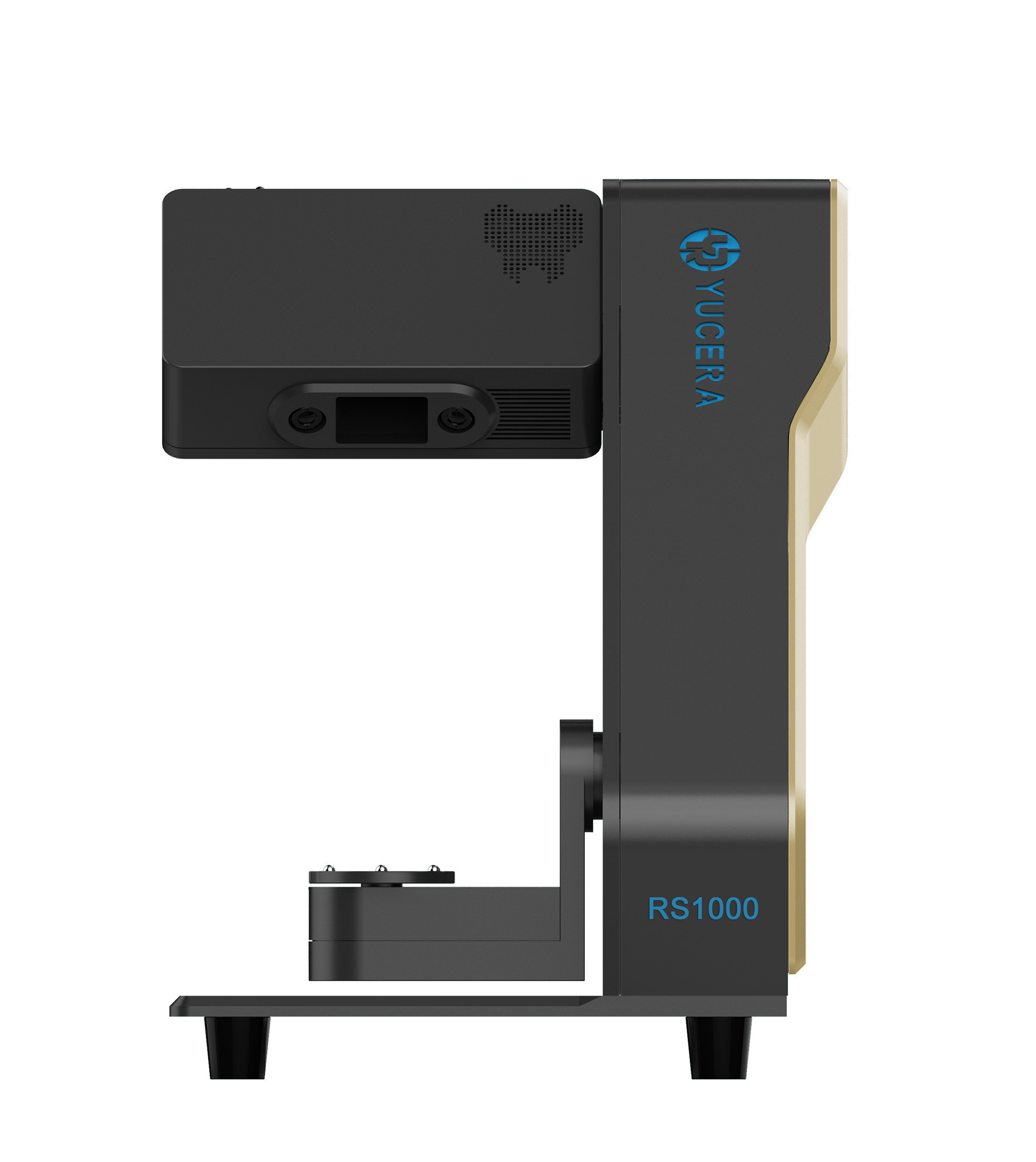
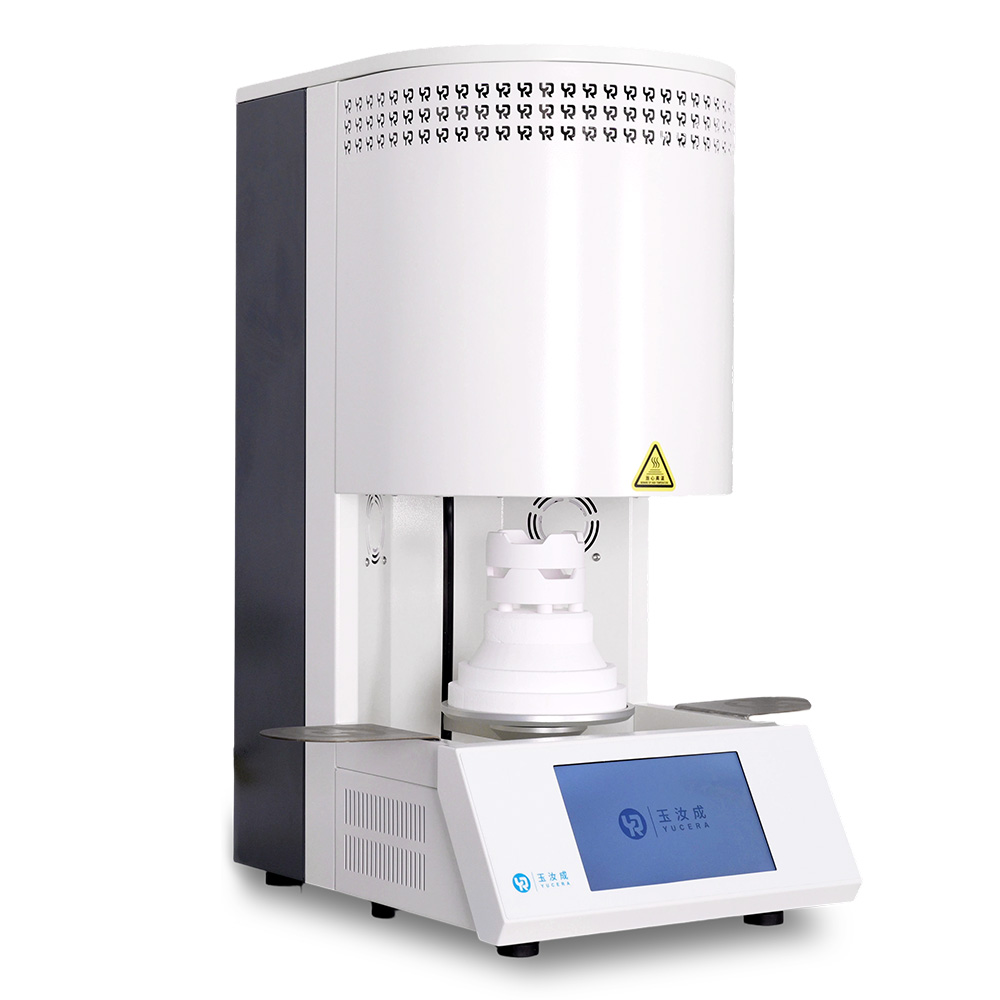
40-min cycle for 60 crowns, dual-layer crucible and 200°C/min heating.
learn more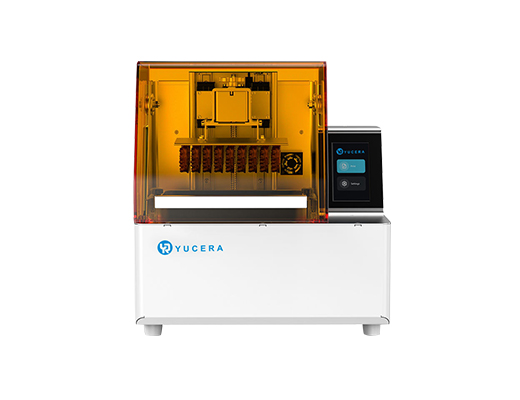
High-speed LCD printer for guides, temporaries, models with 8K resolution.
learn more