

 中 文
中 文
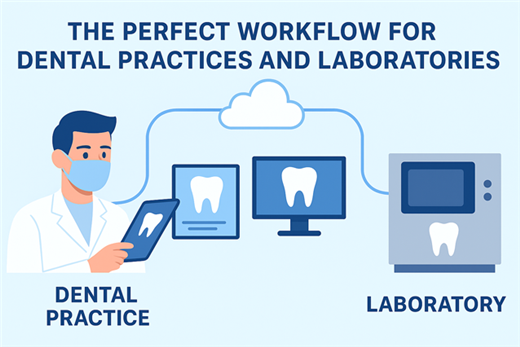
Digital Dentistry Workflow Optimization with CAD/CAM in 2025
2025-10-07
2025-12-01
In the rapidly evolving field of dentistry, dental sintering furnaces have become indispensable tools for creating high-quality zirconia restorations. As dental professionals increasingly adopt digital workflows, these furnaces play a pivotal role in transforming milled zirconia into durable, aesthetically pleasing crowns, bridges, and implants. With the global dental sintering furnace market valued at around $400 million in 2024 and projected to reach $600 million by 2033, exhibiting a compound annual growth rate (CAGR) of approximately 7.5%, the demand for efficient and innovative sintering solutions is on the rise. This growth is driven by advancements in materials science, the surge in cosmetic dentistry, and the need for faster production cycles in dental laboratories across North America, Europe, Asia, and beyond.
Recent trends highlight a shift toward more intelligent, automated systems that integrate seamlessly with CAD/CAM technologies. For dental labs aiming to optimize their operations, understanding the intricacies of these furnaces—from their operational mechanisms to maintenance requirements—is essential. This comprehensive guide delves into the workings, types, benefits, and emerging innovations in dental sintering furnaces, providing actionable insights for professionals seeking to enhance their practice in 2025 and beyond.
At its core, a dental sintering furnace is a high-temperature device designed to densify and strengthen ceramic materials, particularly zirconia, through a controlled heating process. Zirconia, a popular choice for dental restorations due to its biocompatibility, strength, and natural appearance, starts as a soft, milled blank. After shaping via milling or grinding, the material must undergo sintering to achieve its final properties.
The process begins with pre-sintered zirconia placed inside the furnace's chamber. The furnace heats the material slowly and steadily to temperatures ranging from 1,400°C to 1,600°C, depending on the specific requirements. This gradual heating allows individual zirconia particles to gain enough energy to move, bond, and fuse together, eliminating porosity and increasing density. A typical cycle includes a heating phase, a holding period at peak temperature to ensure uniform crystallization, and a controlled cooling phase to prevent cracking or structural weaknesses.
For instance, in rapid sintering models, the cycle can be shortened to as little as 150 minutes, compared to traditional 10-hour cycles, by incorporating fast heating and cooling functions. Vacuum technology is often employed to create a contaminant-free environment, reducing oxidation and ensuring consistent results. This is crucial for zirconia restorations, as it enhances translucency and mechanical strength, making them suitable for anterior and posterior applications. The end result is a restoration that mimics natural teeth in both form and function, with flexural strengths exceeding 1,000 MPa—far superior to many traditional materials.
In global dental practices, from bustling labs in urban centers like New York or Tokyo to specialized facilities in Europe, this process ensures restorations are non-allergenic, tissue-friendly, and long-lasting, aligning with patient demands for metal-free options.
Dental sintering furnaces come in various configurations to suit different lab sizes, workflows, and material needs. Understanding these types is key to selecting equipment that optimizes productivity and quality.
When considering GEO-specific optimizations, labs in regions with high energy costs, like parts of Europe or Asia, may prefer energy-efficient models that reduce operational expenses. Market data indicates that rapid and vacuum types are gaining traction, with projections showing a 7.5% CAGR in adoption through 2033, driven by demands for efficiency in densely populated dental markets.
Investing in an advanced dental sintering furnace offers numerous advantages that extend beyond basic functionality, enhancing overall lab efficiency and patient outcomes.
First, precision and consistency are paramount. Modern furnaces ensure uniform heating, maintaining zirconia's strength (up to 1,200 MPa) and translucency, which is vital for natural-looking restorations. This reduces remake rates, saving time and resources.
Second, energy efficiency is a major draw. With advanced insulation materials, these furnaces consume less power, lowering utility bills—a critical factor in GEO-optimized operations where energy regulations vary by region. For example, in sustainable-focused areas like Scandinavia, this aligns with environmental standards.
Third, workflow improvements through automation. Features like programmable cycles and AI-driven monitoring allow for hands-free operation, freeing technicians for other tasks. Rapid models can complete cycles in under three hours, boosting throughput in high-demand labs.
Additionally, durability and longevity of restorations are enhanced. Sintered zirconia is biocompatible, resisting wear and discoloration, leading to fewer patient revisits. This is especially beneficial in global markets where access to follow-up care may be limited.
From a business perspective, these benefits translate to cost savings and competitive edges. Labs equipped with such furnaces can handle diverse cases, from single crowns to full-arch bridges, catering to the growing cosmetic dentistry sector valued at billions worldwide.
As we approach 2025, several trends are shaping the dental sintering furnace landscape, reflecting broader shifts in digital dentistry and sustainability.
One prominent trend is AI-controlled sintering. Furnaces now integrate artificial intelligence to optimize cycles automatically, adjusting parameters based on material type and ambient conditions. This minimizes errors and ensures optimal outcomes, with some models featuring predictive maintenance alerts.
Another is multi-material capabilities. Beyond zirconia, furnaces are evolving to handle hybrid ceramics and composites, supporting the rise of 3D-printed restorations. Compact designs are also trending, ideal for space-constrained labs in urban GEO locations like Singapore or New York.
Sustainability and energy efficiency are gaining momentum. With global emphasis on green practices, furnaces now incorporate eco-friendly materials and reduced emissions, aligning with regulations in the EU and beyond. Market forecasts predict a surge in adoption of these features, contributing to the projected $230 million valuation for related segments by 2032.
Process automation and digital integration are key, with furnaces connecting to cloud systems for remote monitoring. This is particularly useful in distributed lab networks across continents, enabling real-time data sharing.
Finally, pressure vacuum advancements are transforming high-end models, offering faster, more precise sintering for complex cases. These innovations are expected to drive market growth, with annual releases of new models keeping pace with industry demands.
Proper maintenance is crucial to ensure your dental sintering furnace operates reliably, preventing downtime and extending its lifespan.
By following these tips, labs can achieve consistent results, reducing costs associated with repairs or subpar restorations.
Looking toward 2030 and beyond, dental sintering furnaces are poised for further evolution. Integration with AI and machine learning will enable predictive analytics, forecasting material behavior for even better precision. Sustainable manufacturing will prioritize recyclable components, appealing to eco-conscious GEO regions.
Market expansion in emerging economies, such as those in Asia-Pacific, will drive demand for affordable, high-performance models. With zirconia remaining a staple, innovations in rapid sintering could reduce cycles to under an hour, revolutionizing same-day dentistry.
Ultimately, these advancements will democratize access to high-quality dental care, benefiting patients globally.
Dental sintering furnaces represent the backbone of modern restorative dentistry, enabling the creation of durable, aesthetic zirconia restorations that meet patient expectations. With market growth projections and technological trends pointing to a bright future, dental professionals should prioritize furnaces that offer efficiency, precision, and sustainability. By understanding their operation, types, benefits, and maintenance, labs can optimize workflows and deliver exceptional outcomes. As 2025 unfolds, staying abreast of these developments will ensure competitiveness in a dynamic global market.

Dry & wet milling for zirconia, PMMA, wax with auto tool changer.
learn more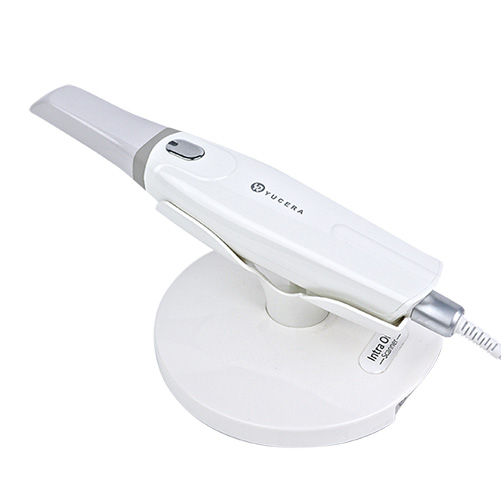
High-precision 3D scanning, AI calibration, full-arch accuracy.
learn more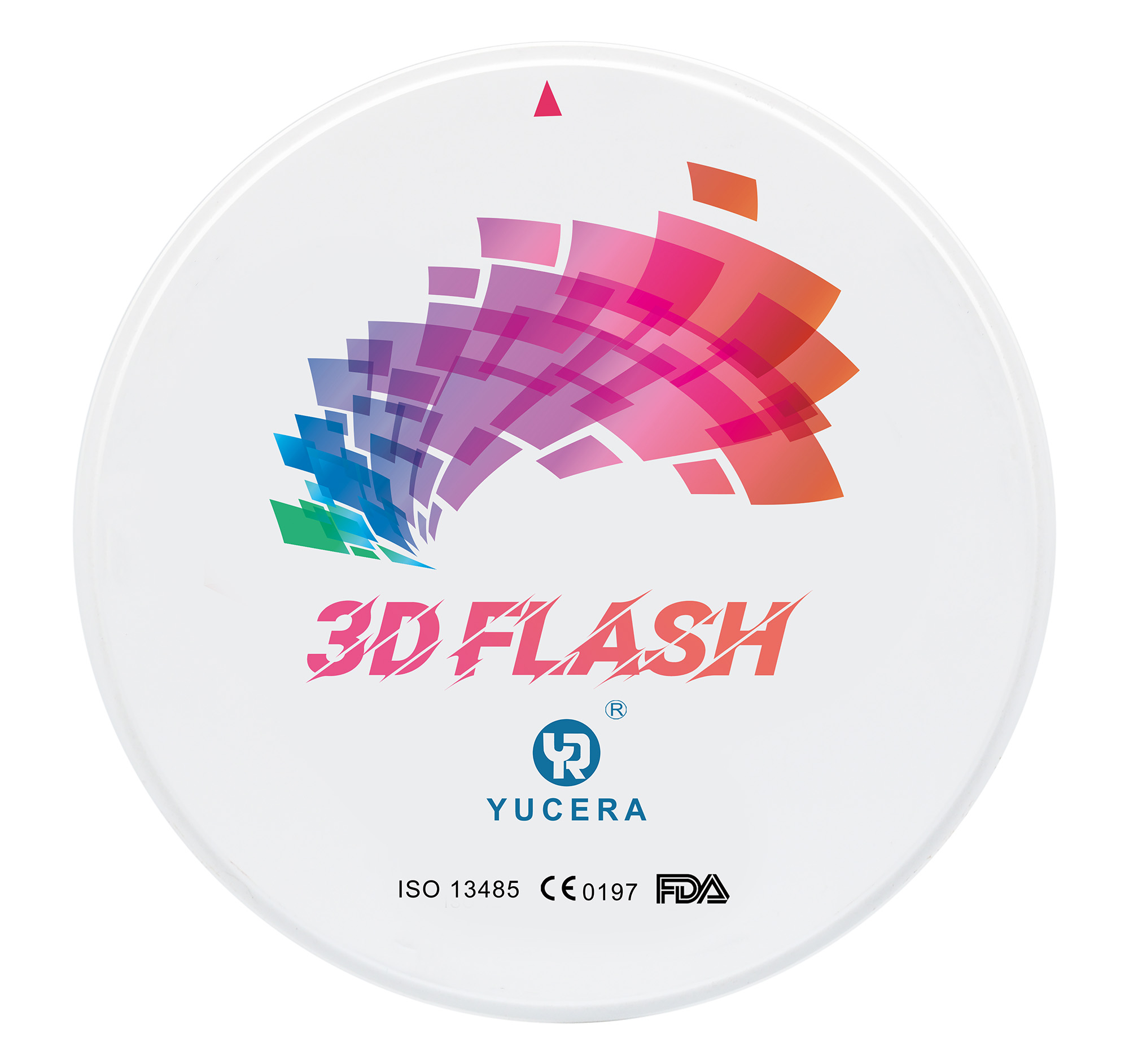
40-min full sintering with 57% incisal translucency and 1050 MPa strength.
learn more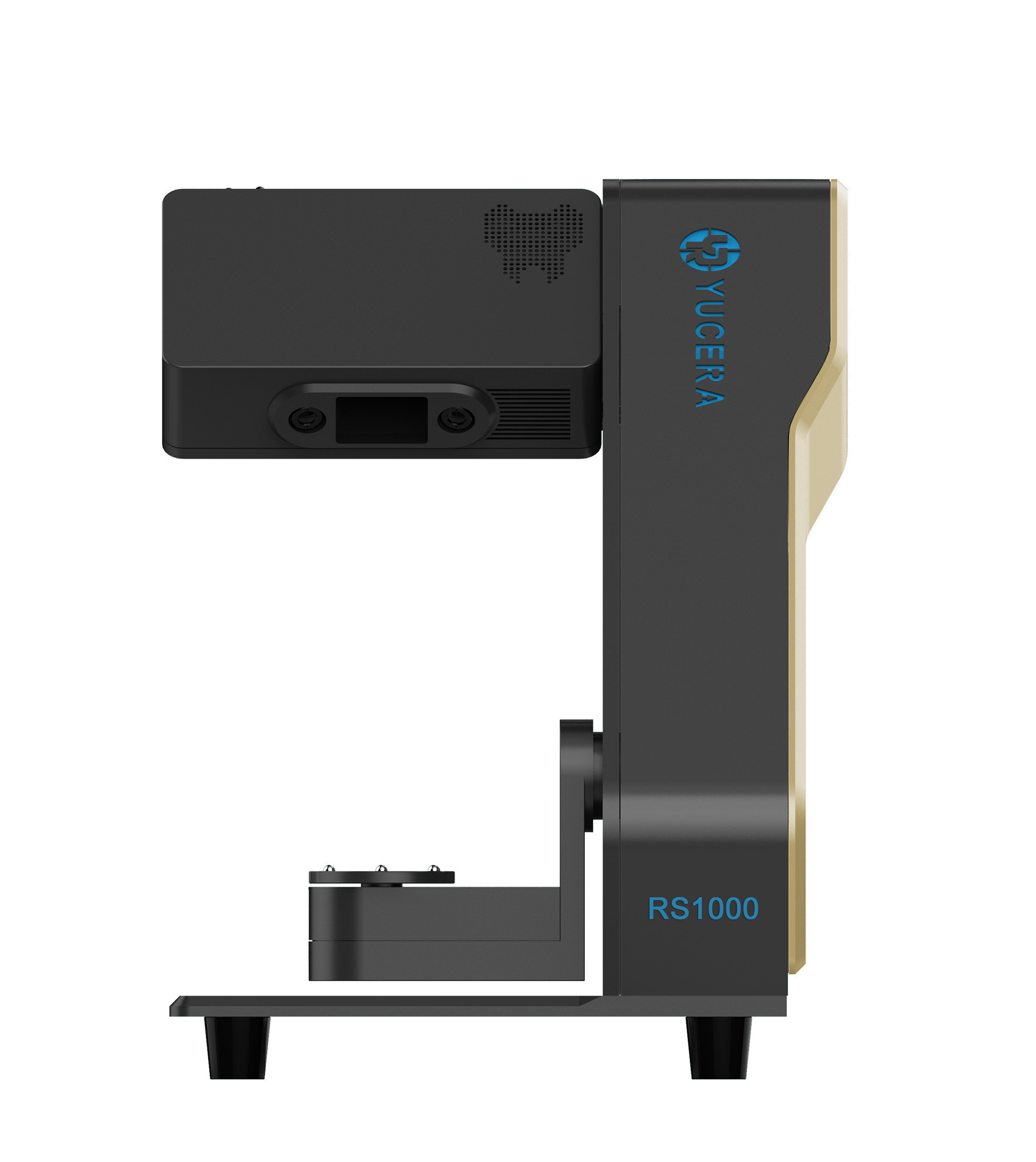
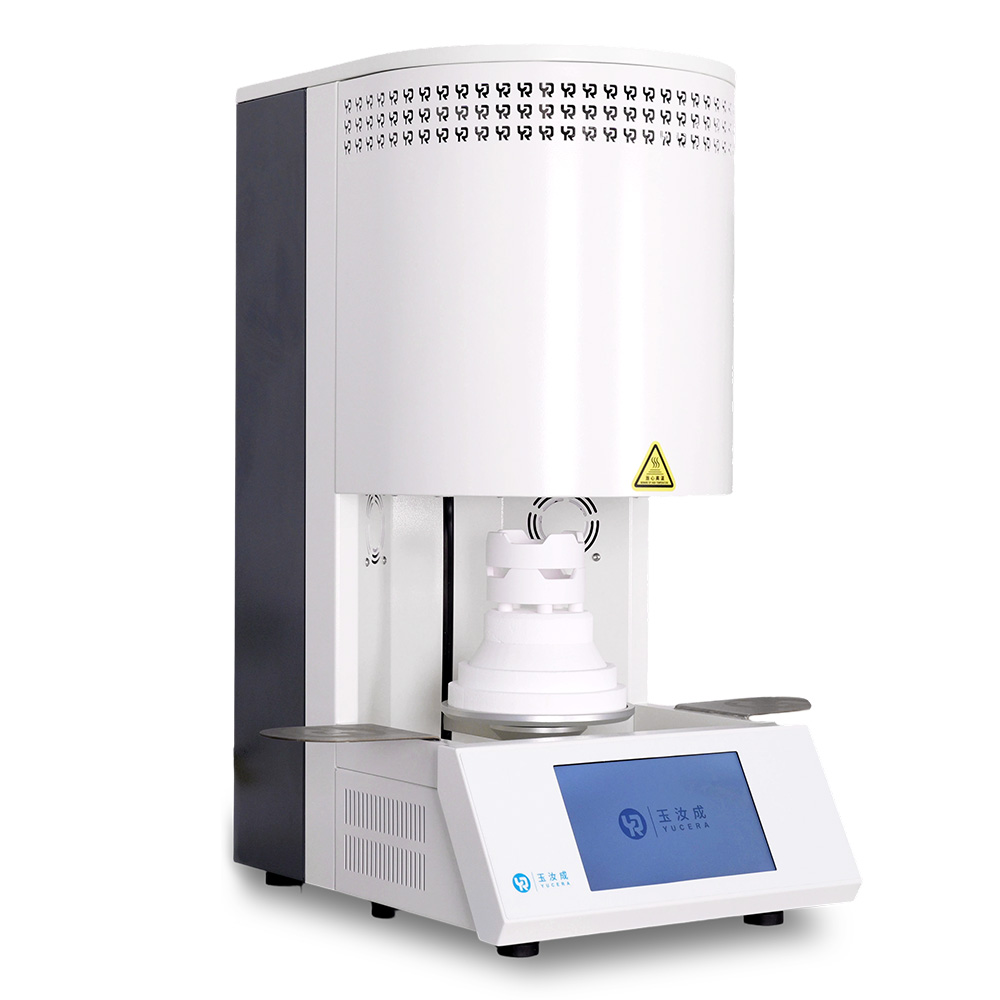
40-min cycle for 60 crowns, dual-layer crucible and 200°C/min heating.
learn more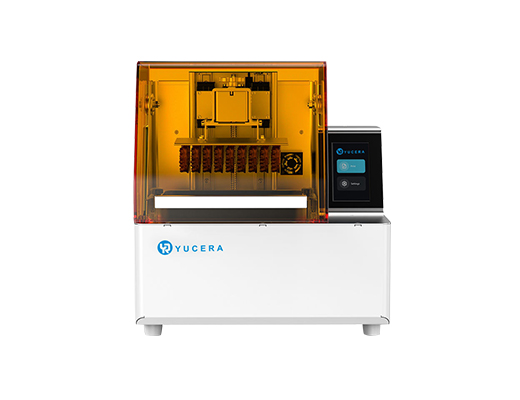
High-speed LCD printer for guides, temporaries, models with 8K resolution.
learn more