

 中 文
中 文
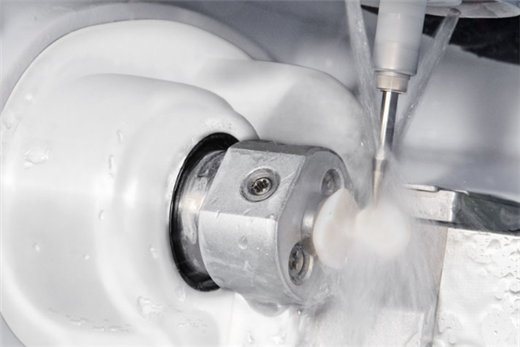
Dental CAD/CAM Milling Machine Cooling: Wet vs Dry – Which Is Better for Machine Lifespan and Restoration Quality?
2026-01-14
2026-03-26
In 2026, European dental laboratories and chairside clinics are scaling CAD/CAM milling of zirconia, PMMA, and hybrid materials at record pace. The resulting fine dust demands advanced extraction systems that protect spindles, technician health, and the environment. With the global dental dust collector market expanding from USD 207.27 million in 2025 to USD 334.62 million by 2031 at an 8.31% CAGR, Europe—home to Germany, France, Italy, and the UK as leading dental tech hubs—represents a substantial and innovation-driven share of demand. EU regulations on noise (Directive 2003/10/EC), energy (ErP), and dust control (EN 60335-2-69) continue to accelerate upgrades to low-noise, high-efficiency units.
This data-driven overview delivers 2026 market benchmarks on pricing, supply chain dynamics, sustainable innovations, and procurement best practices for European practices—no hype, just actionable metrics and strategies.
Europe’s CAD/CAM dust segment benefits from the broader dental equipment market, valued at approximately USD 3.93 billion in 2026 and growing at 6.31% CAGR. Digital milling adoption in labs exceeds 70% in key countries, driving demand for dust extraction that handles sub-10 µm particles while meeting strict occupational exposure limits. Systems with three-stage HEPA/ULPA filtration and intelligent synchronization now dominate new installations, as clinics prioritize spindle longevity and staff safety.
Pricing reflects capacity, features, and compliance level. Entry-level benchtop units suit small clinics, while full lab systems with VFD and smart sync target high-throughput environments.
| System Type | Typical Capacity | 2026 Price Range (EUR, excl. VAT) | Key Features Included | Best For |
|---|---|---|---|---|
| Benchtop / Compact | 1–2 milling stations | 1,800–3,500 | Basic HEPA, manual or basic auto | Chairside clinics |
| Mid-Range Lab Unit | 2–4 stations | 4,200–6,800 | Three-stage filtration, VFD | Medium labs |
| Advanced Smart System | 4–8+ stations | 7,500–12,000 | Intelligent PLC sync, ULPA, IoT monitoring | High-volume labs |
Prices incorporate 4–7% upward pressure from component tariffs and logistics. VFD and three-stage filtration add 20–35% premium but deliver 30–45% energy savings and 40–60% longer spindle life, yielding payback in 10–16 months for busy labs. Bulk procurement or leasing options can reduce effective cost by 15–25%.
European supply chains for CAD/CAM dust systems remain partially dependent on imported components (motors, filters, electronics), with China still a major source despite diversification efforts. Post-2025 tariff adjustments and logistics volatility have added 5–10% to landed costs, particularly for HEPA media and sensor assemblies. Domestic and near-shore manufacturing in Germany, Italy, and Eastern Europe has grown, offering faster lead times (4–8 weeks vs. 12–16 for Asian imports) and better MDR traceability.
Key 2026 risks include:
Labs mitigating these through dual-sourcing and 6–9 month forward contracts report 12–18% better price stability.
Sustainability is no longer optional under EU Green Deal and Ecodesign requirements. Leading innovations include:
These features help labs meet corporate sustainability reporting while lowering total cost of ownership—energy and maintenance often represent 60–70% of lifetime expenses.
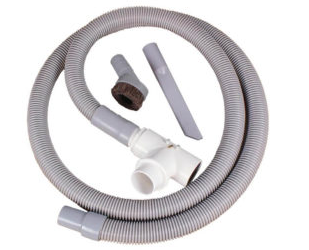
Smart European buyers follow a structured approach:
Phase 1: Needs & Compliance Audit (1–2 months) Map milling volume, materials, and current dust/spindle metrics. Verify ErP energy labeling and EN 60335-2-69 certification.
Phase 2: Total Cost of Ownership (TCO) Analysis Calculate 5-year costs including energy (€0.25–0.35/kWh average), filters, maintenance, and spindle savings. Prioritize VFD and smart-sync models.
Phase 3: Supplier Evaluation & Trial Request third-party test reports for noise (<60 dB), filtration efficiency (>99.97% at 0.3 µm), and synchronization compatibility. Pilot 1–2 units with your mills.
Phase 4: Financing & Contracting Leverage leasing or green financing (many EU banks offer preferential rates for energy-efficient equipment). Secure volume discounts and service contracts with guaranteed 24–48 hour response.
Phase 5: Implementation & Monitoring Train staff on auto-sync and filter logs. Use IoT dashboards for quarterly ROI reviews.
Clinics and labs using this framework routinely achieve 25–40% lower operating costs and full regulatory compliance.
Europe’s CAD/CAM dust market rewards efficiency and sustainability. While raw material and tariff pressures challenge pricing, green innovations and intelligent systems deliver clear ROI through energy savings, extended equipment life, and reduced health risks. Labs that invest now in compliant, future-proof extraction gain competitive advantage amid rising digital production volumes.
The data points to a clear direction: prioritize three-stage filtration with VFD and smart synchronization. Practices that align procurement with total cost, supply resilience, and EU green standards will lead the next wave of precision, safe, and sustainable digital dentistry across Europe.

Dry & wet milling for zirconia, PMMA, wax with auto tool changer.
learn more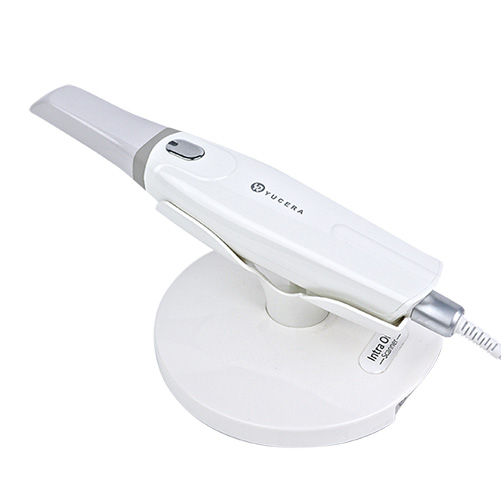
High-precision 3D scanning, AI calibration, full-arch accuracy.
learn more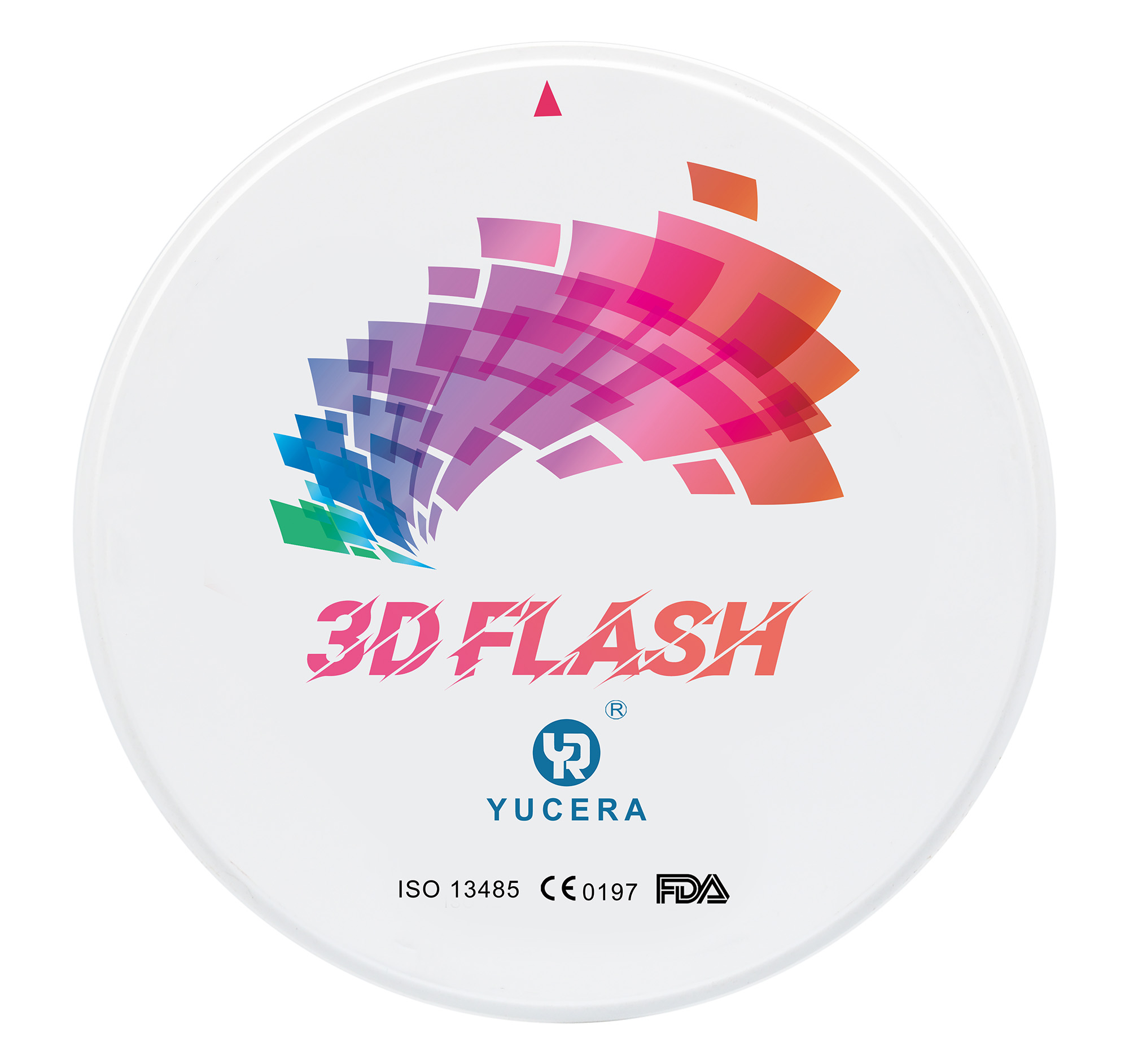
40-min full sintering with 57% incisal translucency and 1050 MPa strength.
learn more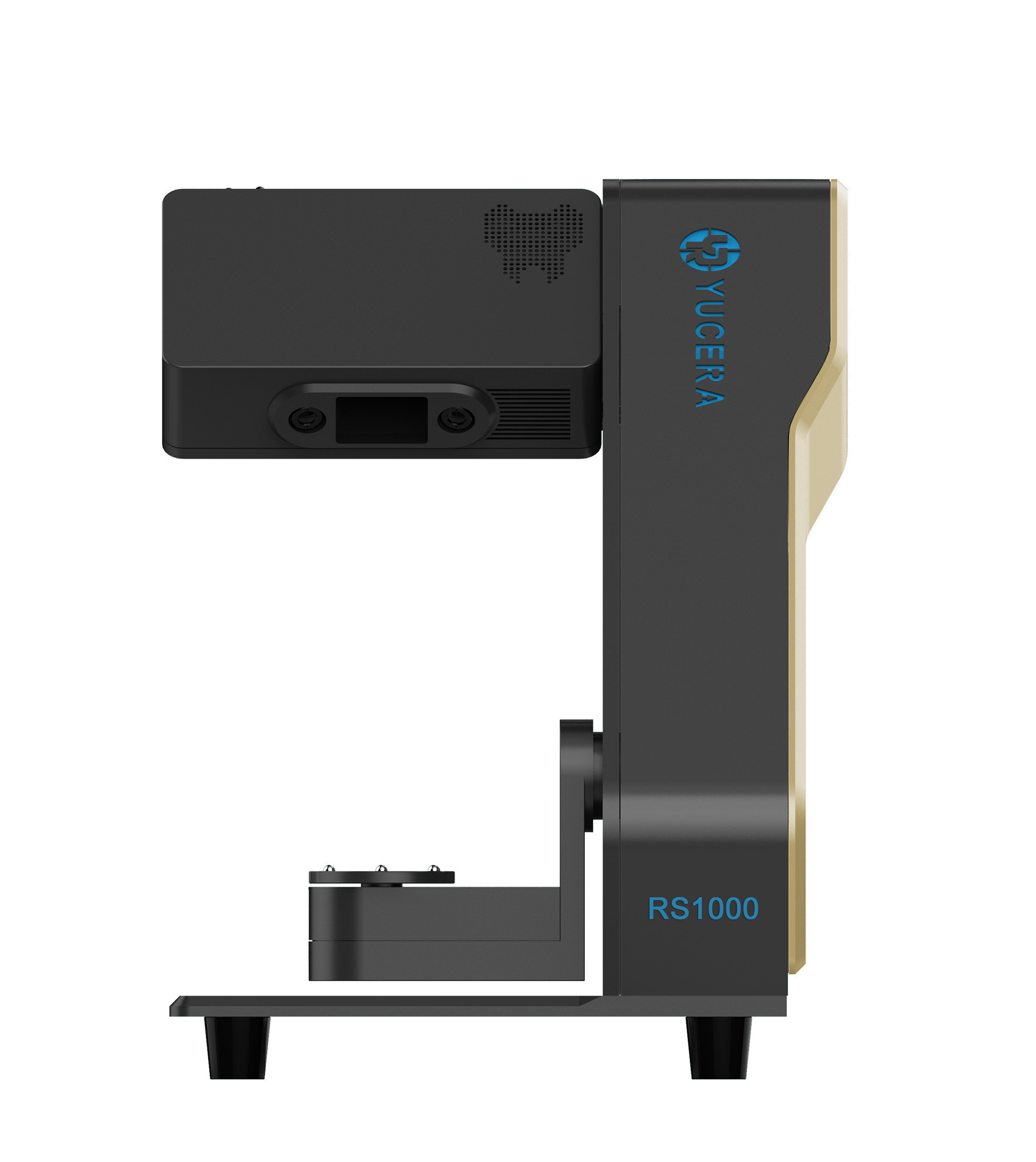
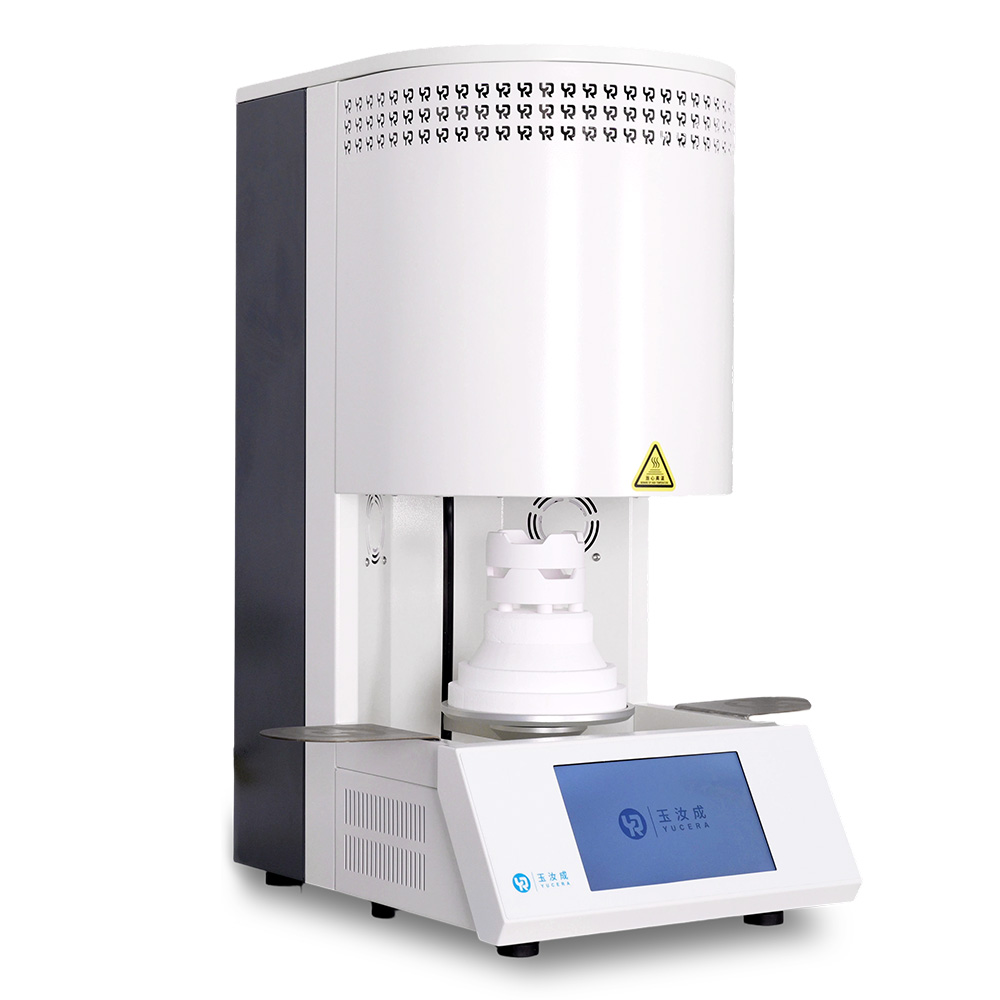
40-min cycle for 60 crowns, dual-layer crucible and 200°C/min heating.
learn more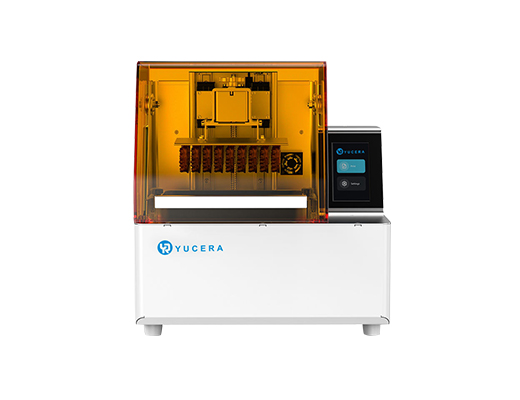
High-speed LCD printer for guides, temporaries, models with 8K resolution.
learn more