

 中 文
中 文
Reference guide for denture crown and bridge restorations
2025-02-20
2026-03-23
In 2026, North American dental practices face a pivotal shift in removable prosthetics. Traditional heat-cured polymethyl methacrylate (PMMA) remains the workhorse for denture bases, while photopolymer resin liquids for 3D printing surge in adoption. With the U.S. dental 3D printing market alone valued at approximately USD 1.8–2.0 billion in 2026 (projected from 1.56 billion in 2025 at a 23.4% CAGR), and North America commanding roughly 38% of global dental resin demand, clinics must navigate pricing volatility, supply chain risks, and rapid material innovations to stay competitive.
This data-driven analysis examines 2026 market dynamics for PMMA versus resin liquids, focusing on real costs, supply chain vulnerabilities, and clinical-grade innovations—without brand references.
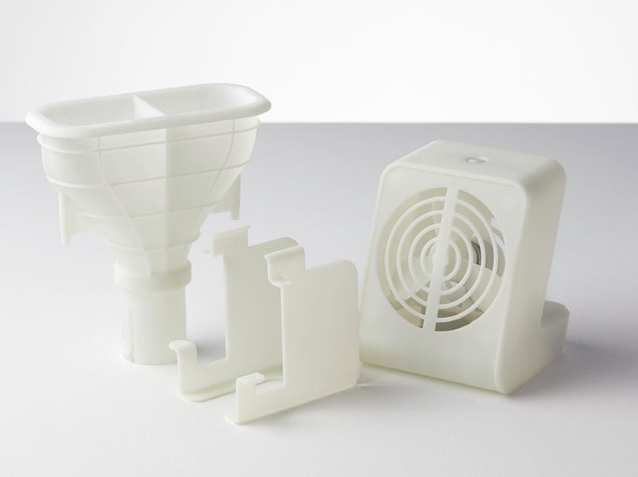
North America leads global dental resin consumption. The broader dental 3D printing sector (heavily resin-driven) is forecast to exceed USD 7–8 billion regionally by 2030, but 2026 marks accelerated penetration: photopolymer resins for biocompatible applications grow at 14.9% CAGR, outpacing traditional acrylics. Global dental PMMA resin markets hover near USD 200–210 million in 2026 (8.4% CAGR from 2025), while the biocompatible 3D resin segment contributes significantly more to the overall dental resin market valued at roughly USD 1.5–1.8 billion in the U.S. alone.
Digital workflows now account for 25–35% of denture production in high-volume U.S. and Canadian clinics, driven by DSO expansion and intraoral scanner adoption exceeding 60%.
Material pricing remains a key decision factor. Heat-cured PMMA powder/liquid systems offer lower per-unit material costs but higher labor and time overhead. Photopolymer resin liquids command higher upfront prices yet deliver efficiency gains in high-throughput settings.
| Aspect | Heat-Cured PMMA (2026 est.) | Photopolymer Resin Liquid (2026 est.) | 2026 Clinic Impact |
|---|---|---|---|
| Material Cost per Denture Base | USD 8–15 (powder/liquid kit) | USD 12–25 (efficient 1 kg yields 40–60 units) | Resin lower in volume |
| Full Case Production Cost | USD 45–75 (incl. labor & flasking) | USD 28–55 (scan-to-print, minimal finishing) | Resin saves 25–40% |
| Per kg/Liter Price | USD 40–60 (acrylic systems) | USD 180–320 (dental-grade photopolymers) | PMMA cheaper raw |
| Waste & Scrap Rate | 15–25% (manual processing) | <5% (additive, precise) | Resin superior |
| Break-even Volume | Low-volume traditional labs | 15–30 cases/month for in-house 3D | Resin scales faster |
Data reflect 2025–2026 averages adjusted for petrochemical volatility and tariff effects. Resin liquids achieve 60–70% lower effective material waste in digital labs, offsetting higher per-liter pricing. Clinics report total case costs dropping 30%+ after 50+ digital cases annually.
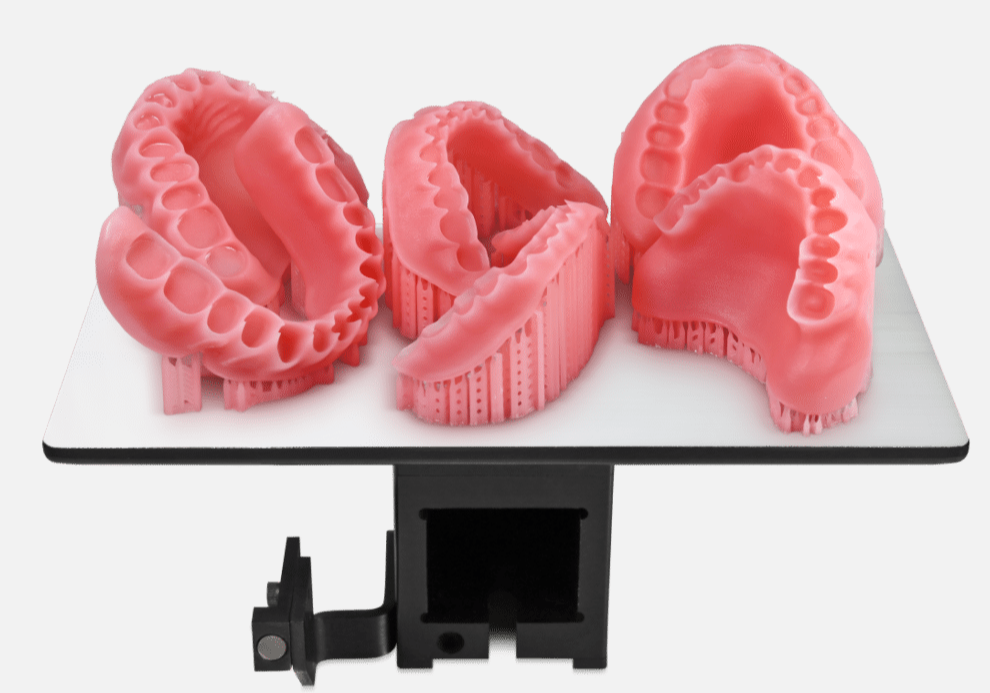
Supply chain stability diverges sharply between PMMA and resin liquids.
PMMA (Heat-Cured): Relies heavily on methyl methacrylate (MMA) monomers derived from petrochemical feedstocks. 2026 sees continued volatility from oil price fluctuations, U.S. tariffs on imported intermediates (10–50% on select Asian sources), and hurricane-season disruptions along Gulf Coast ports. North American production has stabilized somewhat through domestic capacity expansions, but lead times for raw acrylic powders average 4–8 weeks. Clinics dependent on analog labs face periodic shortages, pushing prices up 5–8% year-over-year.
Photopolymer Resin Liquids: Composed of specialized acrylate oligomers and photoinitiators. Supply chains are more diversified but still sensitive to global monomer shortages. North America benefits from stronger domestic and near-shore sourcing, with fewer tariff exposures for FDA-cleared formulations. However, high-purity biocompatible resins remain partially import-dependent, with 2026 logistics delays (weather, port congestion) adding 10–15% cost pressure in Q3–Q4. Overall, digital resins show better resilience in high-volume clinics partnering with validated suppliers.
Key 2026 risk: Combined petrochemical and tariff pressures could elevate both categories by 4–7%, but resin liquids mitigate this through lower per-case consumption.
Innovation favors resin liquids, accelerating their market share.
These trends position resin liquids for 40–50% of North American denture base production by 2028, particularly in DSOs and urban clinics.
Phase 1: Cost & Supply Audit (Q1–Q2) Map current PMMA consumption versus projected resin volumes. Factor tariff-adjusted pricing and secure 6-month supplier contracts for both categories.
Phase 2: Technology Integration (Q2–Q3) Invest in validated 3D printers and post-processing stations. Pilot 10–20 resin cases, tracking material cost per unit and chair time (typically 30–40% reduction).
Phase 3: Full Workflow Shift (Q3–Q4) Scale resin liquids to 50%+ of cases. Leverage innovations like water-washable resins to cut operating costs and environmental footprint. Monitor supply alerts for MMA volatility.
Ongoing: Risk Mitigation Diversify suppliers, maintain PMMA as backup for select patients, and train teams on FDA-compliant processing to avoid off-label risks.
In 2026, the North American dental resin market rewards efficiency. While PMMA retains a cost edge for low-volume traditional labs, photopolymer resin liquids deliver superior total economics, supply resilience in digital ecosystems, and innovation-led patient outcomes. Clinics embracing the transition report higher case throughput, reduced adjustments, and stronger competitive positioning amid rising patient demand for same-week prosthetics.
The data is unambiguous: resin liquids are not merely an alternative—they represent the scalable, future-proof choice for North American practices aiming to control costs, secure supply, and lead with cutting-edge digital dentistry.

Dry & wet milling for zirconia, PMMA, wax with auto tool changer.
learn more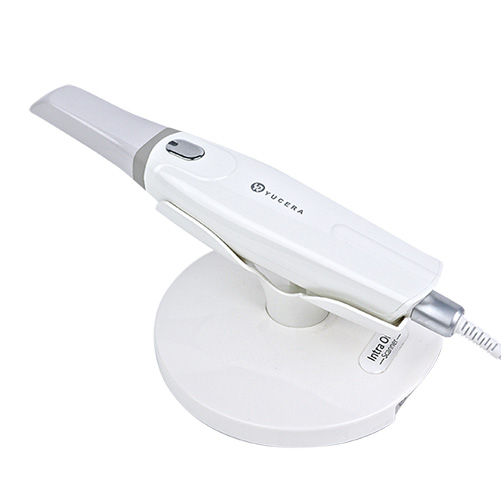
High-precision 3D scanning, AI calibration, full-arch accuracy.
learn more
40-min full sintering with 57% incisal translucency and 1050 MPa strength.
learn more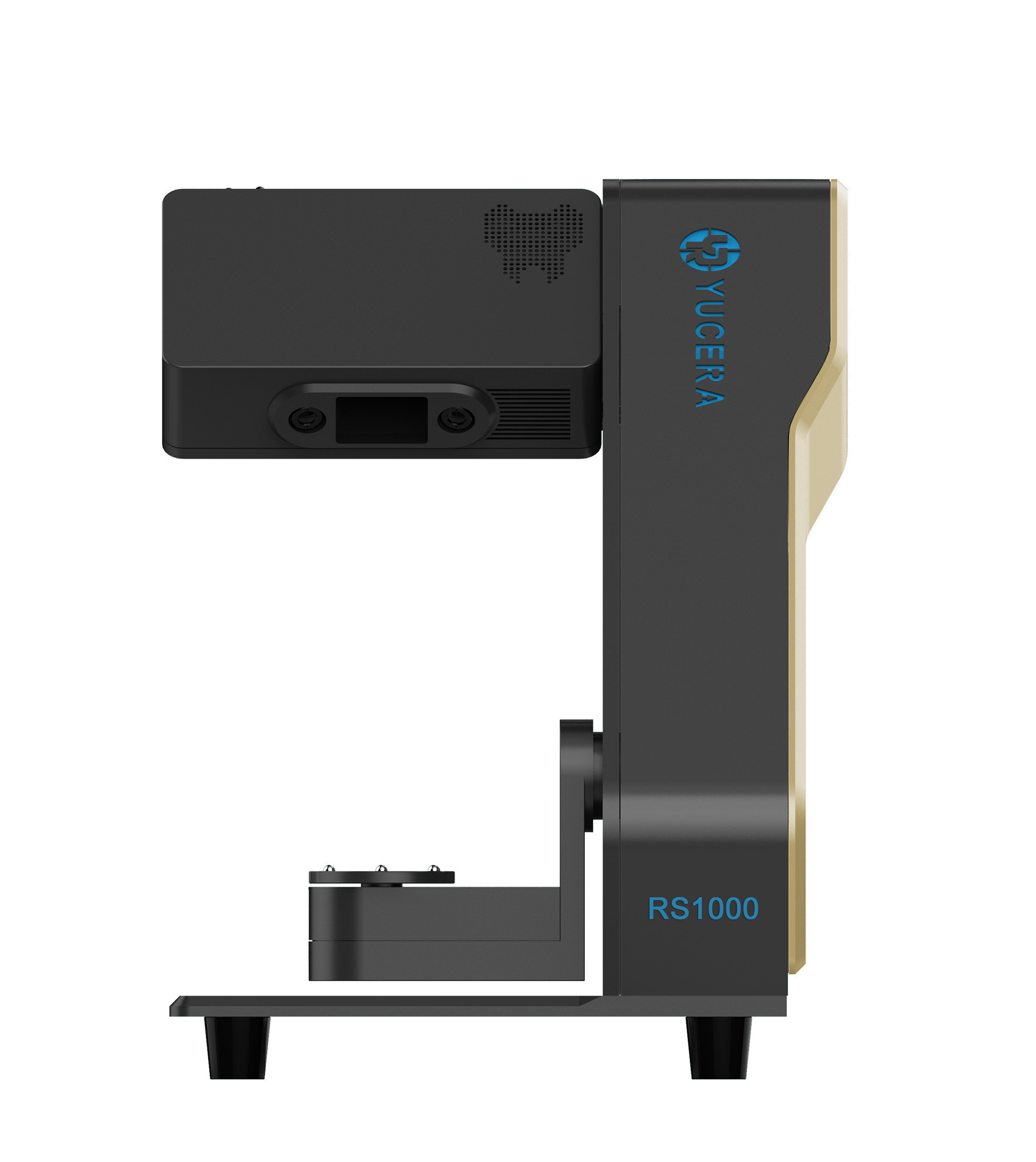
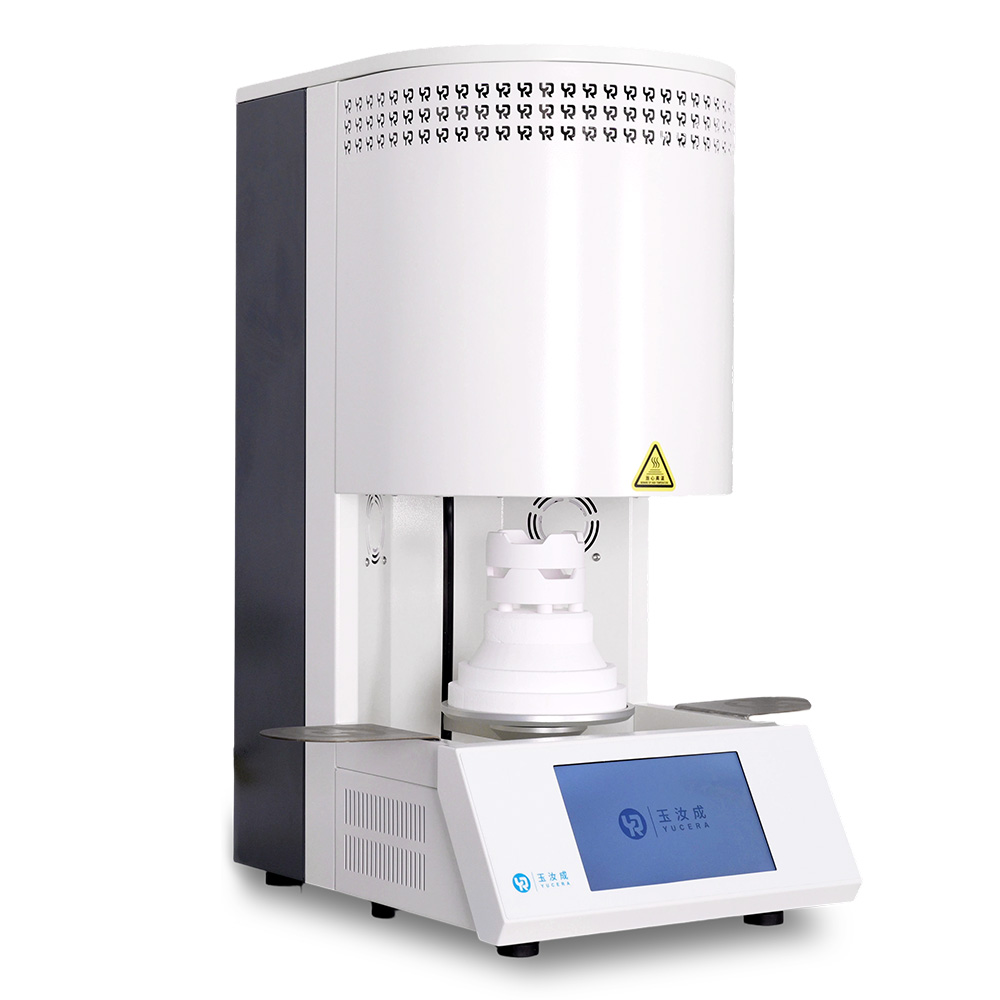
40-min cycle for 60 crowns, dual-layer crucible and 200°C/min heating.
learn more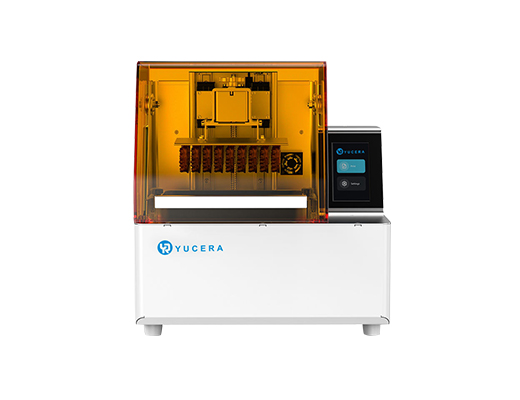
High-speed LCD printer for guides, temporaries, models with 8K resolution.
learn more