



 中 文
中 文
2026 Resin 3D Printing Permanent Restoration Era: Nano-Composite Resins Now Approaching Zirconia Strength for Chairside Crowns & Bridges
2026-04-02
2026-06-04
As digital dentistry continues to advance, wet milling technology has become an important part of restorative workflows. From lithium disilicate crowns to implant-supported restorations, modern dental laboratories and clinics rely on milling machines to achieve precise and efficient production.
When selecting a wet milling machine, one question often arises:
Both technologies are capable of producing high-quality restorations, but they differ in machining flexibility, restoration complexity, and application range. Understanding these differences can help dental professionals make a more informed investment decision.
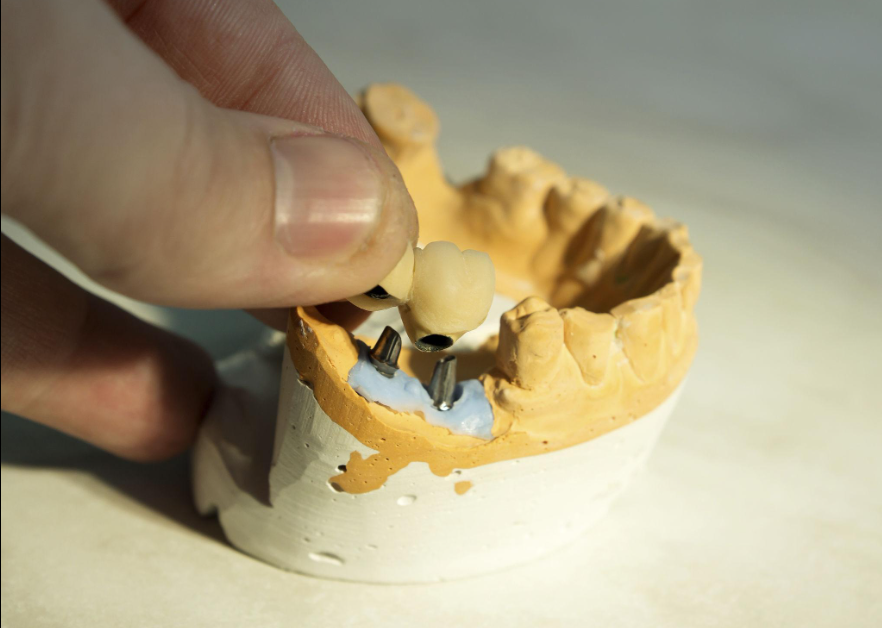
A 4-axis milling machine combines three linear axes (X, Y, and Z) with one rotational axis.
This configuration is widely used for routine restorative applications, including:
Because of its simpler mechanical structure, a 4-axis machine is often easier to operate and maintain while still meeting the daily production needs of many clinics and laboratories.
For facilities primarily focused on lithium disilicate and PMMA restorations, a 4-axis workflow can provide an effective balance between productivity and investment cost.
This additional degree of freedom enables more efficient processing of:
Compared with a 4-axis system, a 5-axis machine can access difficult-to-reach areas more effectively, reducing limitations when machining complex geometries.
For laboratories handling a wide variety of restorative indications, this flexibility can become a significant advantage.
The most noticeable difference is the ability to process complex restorations.
A 4-axis machine performs exceptionally well for:
A 5-axis machine offers greater flexibility for:
The more complex the restoration design, the more valuable the additional axis becomes.
In a 4-axis system, the restoration can only be approached from a limited number of directions.
A 5-axis system allows simultaneous movement across additional angles, improving access to:
This capability helps expand the range of restorations that can be produced within a single workflow.
Both 4-axis and 5-axis wet milling machines are commonly used for:
Material compatibility is often determined by machine design and manufacturer specifications rather than axis count alone.
Therefore, laboratories should evaluate supported materials alongside restoration requirements when selecting equipment.
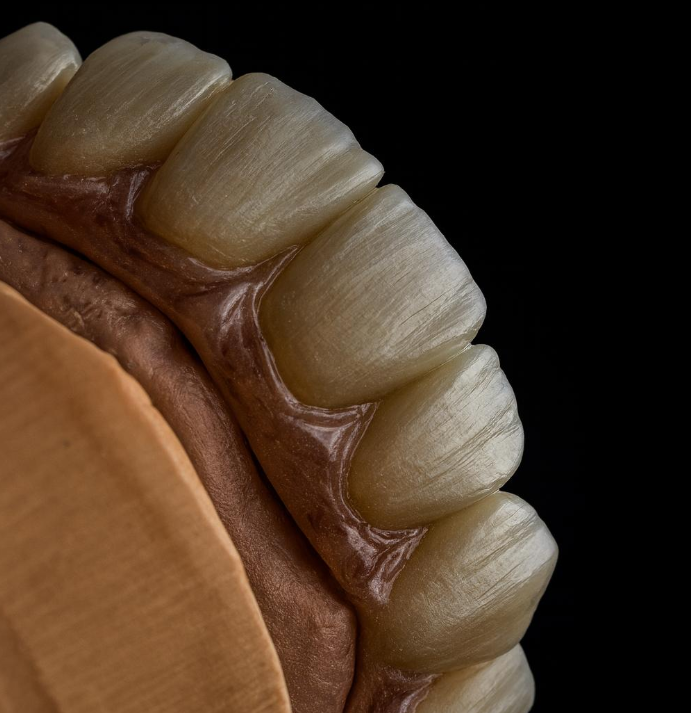
Modern dental laboratories increasingly focus on workflow automation.
Many 5-axis systems are equipped with features such as:
These capabilities can help reduce manual intervention during production.
However, for clinics and smaller laboratories with relatively predictable case types, a compact 4-axis machine may already provide sufficient efficiency.
A 4-axis wet milling machine is often a practical choice for:
Clinics producing same-day restorations often focus on:
These indications generally do not require the advanced movement capabilities of a 5-axis system.
Laboratories with routine restorative workloads can often achieve reliable production using a 4-axis machine while maintaining a lower equipment investment.
A 5-axis wet milling machine may be better suited for laboratories that frequently manufacture:
Implant-supported restorations often involve more complex geometries and require greater machining flexibility.
Multi-angle machining can improve access to intricate implant components.
Laboratories processing a wide variety of restoration types may benefit from the broader indication range offered by a 5-axis system.
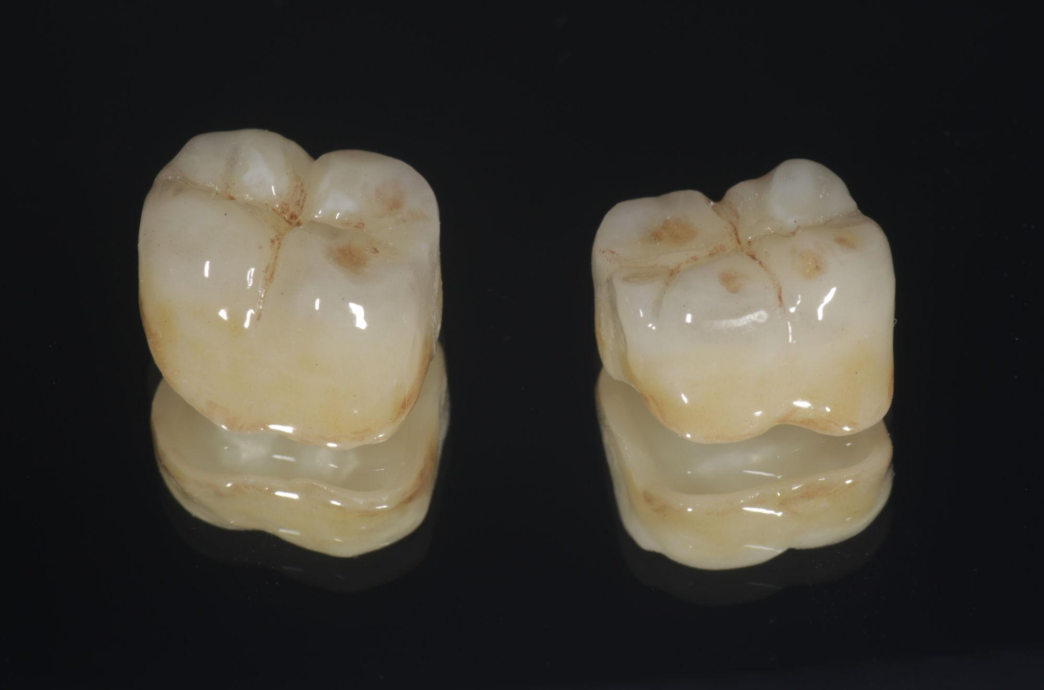
Before making a purchasing decision, consider the following questions:
If your production is dominated by crowns, veneers, and inlays, a 4-axis machine may be sufficient.
If implant restorations represent a growing part of your business, a 5-axis system may provide greater long-term flexibility.
Higher case diversity often increases the value of advanced machining capabilities.
Equipment selection should support not only today's workload but also future expansion goals.
Both 4-axis and 5-axis wet dental milling machines have important roles in modern digital dentistry. A 4-axis system offers an efficient solution for routine restorative applications and chairside workflows. A 5-axis system provides greater flexibility for implant restorations, customized abutments, and more complex prosthetic designs. Rather than focusing solely on the number of axes, dental professionals should evaluate restoration types, workflow requirements, and future business objectives. The right machine is ultimately the one that best aligns with the needs of your laboratory or clinic.

Dry & wet milling for zirconia, PMMA, wax with auto tool changer.
learn more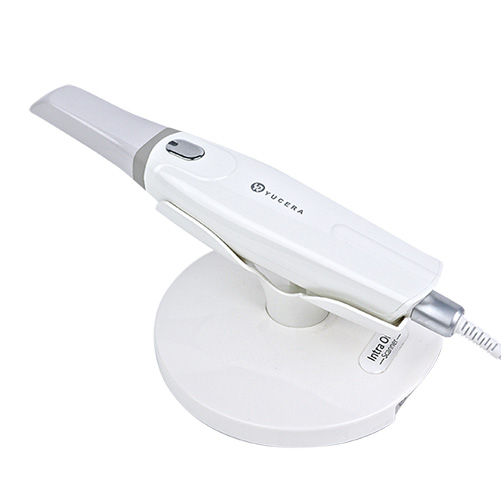
High-precision 3D scanning, AI calibration, full-arch accuracy.
learn more
40-min full sintering with 57% incisal translucency and 1050 MPa strength.
learn more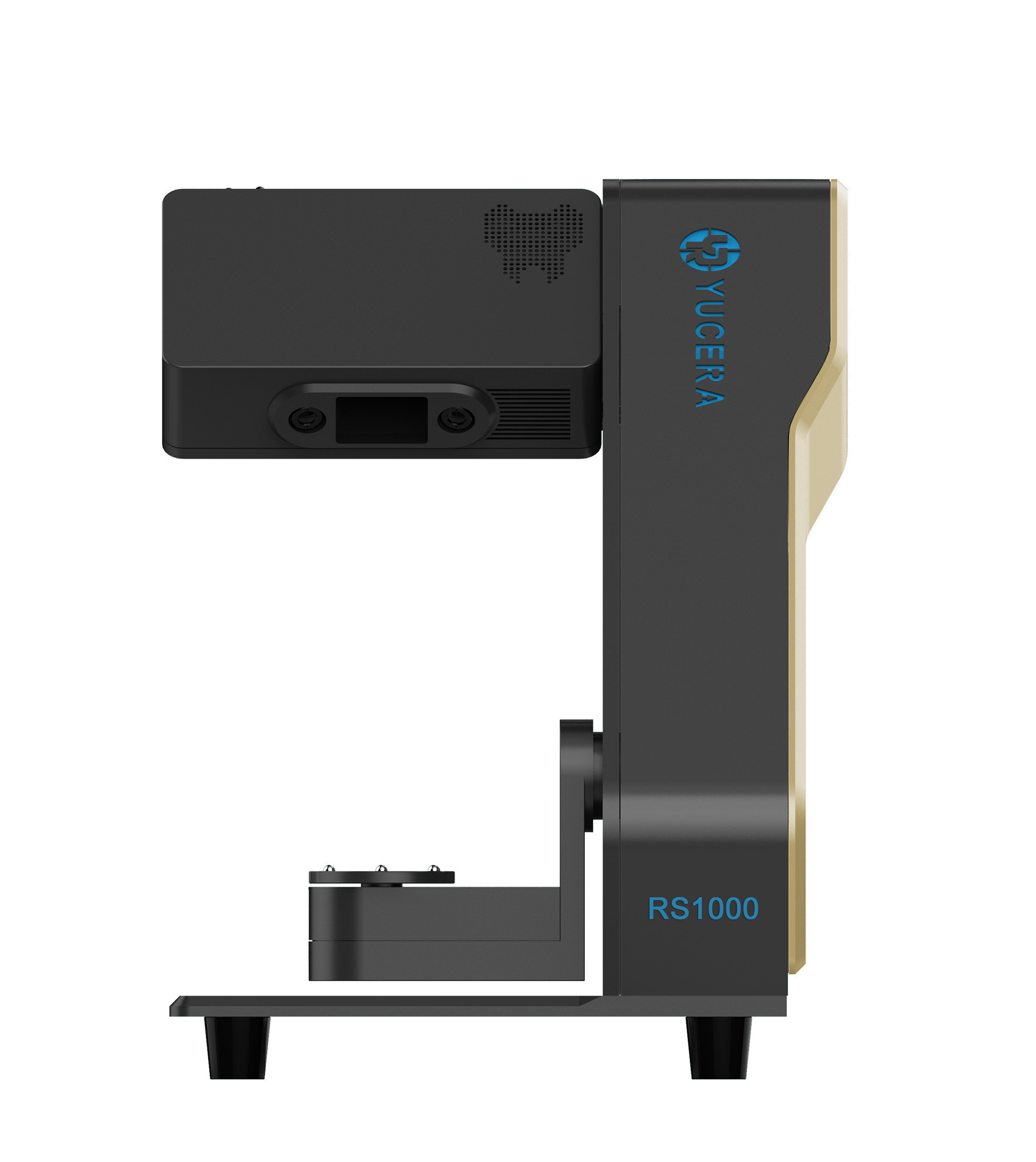
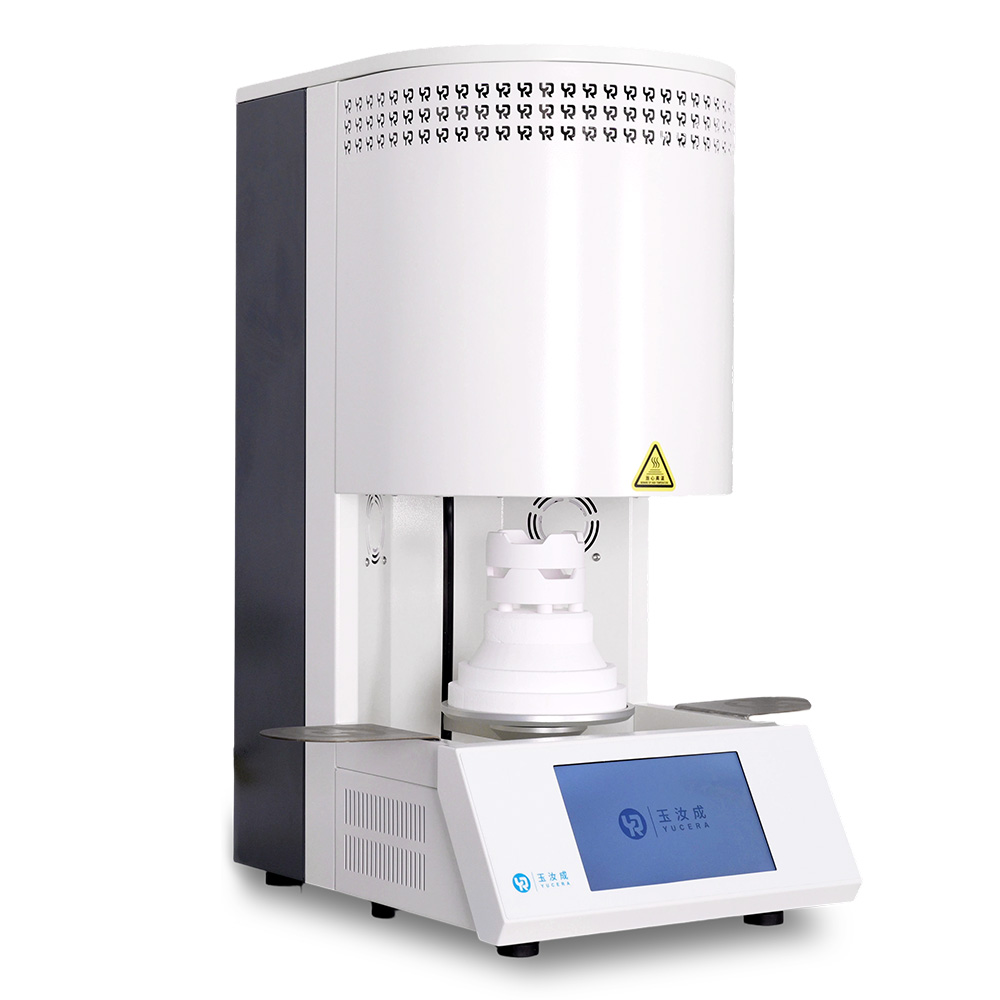
40-min cycle for 60 crowns, dual-layer crucible and 200°C/min heating.
learn more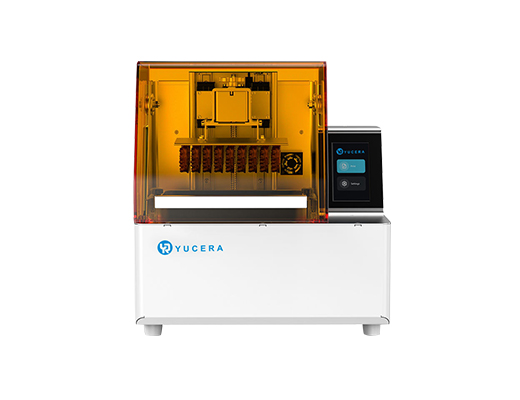
High-speed LCD printer for guides, temporaries, models with 8K resolution.
learn more


2026-04-02
2024-07-28
2026-01-18


