



 中 文

Highlights from 2024 Dental Intraoral Scanner Awards Best New Products Breakdown
2025-09-08
2026-11-02
Zirconia coloring liquid plays an important role in dental restorations, allowing dental laboratories to achieve different shades and color gradients before the sintering process. However, the final coloring result depends on more than simply adding pigments to a liquid.
A zirconia coloring liquid is a formulated chemical system in which different components work together to provide color, facilitate penetration, regulate the chemical environment, and maintain formulation stability.
Generally, its functional components can be classified into four categories: coloring ions, solvents, pH adjusters, and stabilizers.
Understanding how these components work helps dental technicians better understand the coloring process and the factors that influence the final appearance of zirconia restorations.
Coloring ions are the primary components responsible for producing the desired shade in zirconia restorations.
Different metal ions interact with visible light in different ways. Their electronic structures determine which wavelengths of light are absorbed, resulting in different perceived colors.
Common coloring elements used in ceramic coloring systems include:
Iron (Fe): Can contribute yellow, brown, or reddish tones depending on its chemical state and concentration.
Erbium (Er): Commonly associated with pink or reddish color effects.
Cerium (Ce): Can contribute yellowish tones and may also influence optical behavior.
Manganese (Mn): Can contribute brown or darker color effects.
Praseodymium (Pr): Can contribute yellow-green or other color effects depending on its chemical environment.
The final shade is influenced by several factors, including the type and concentration of coloring ions, their chemical states, distribution within the zirconia, and interactions during sintering.
Importantly, these elements do not necessarily exist as free metal ions in the coloring liquid. They may be present in different dissolved or complexed forms depending on the formulation.
The solvent provides the liquid medium in which the functional components are dissolved or dispersed.
In many water-based zirconia coloring systems, deionized water is used as the primary solvent.
Its main functions include:
Dissolving or dispersing coloring components.
Maintaining a suitable liquid consistency.
Supporting the movement of coloring components into porous zirconia.
Helping achieve more uniform liquid distribution during application.
Before sintering, zirconia blanks have a porous microstructure that allows coloring liquid to penetrate through capillary action.
The penetration process is influenced by several physical properties:
Viscosity: Lower viscosity can facilitate liquid movement through pores, although the ideal viscosity depends on the zirconia structure and application method.
Surface tension: Affects how easily the liquid wets the zirconia surface and enters its pores.
Wettability: Determines how effectively the coloring liquid spreads across the zirconia surface.
Volatility: Influences how quickly the solvent evaporates after application.
Therefore, solvent selection is important for controlling penetration behavior and supporting consistent coloring.
The pH adjuster regulates the acidity or alkalinity of the coloring liquid.
Although pH does not directly determine the final shade, it can influence the chemical behavior of coloring components.
For example:
Changes in pH may affect the solubility of certain metal ions.
The chemical forms of dissolved ions may change under different pH conditions.
pH can influence complex formation between metal ions and other ingredients.
Unsuitable pH conditions may increase the risk of precipitation or chemical instability.
Maintaining an appropriate pH range helps ensure that coloring components remain compatible with the overall formulation.
However, there is no universal ideal pH for all zirconia coloring liquids. The appropriate range depends on the coloring elements, solvent system, stabilizers, and other formulation characteristics.
Stabilizers help maintain the chemical and physical stability of zirconia coloring liquid during storage and application.
Without adequate formulation stability, certain coloring components may undergo undesirable changes, such as precipitation, aggregation, or changes in their dissolved state.
Depending on the formulation, stabilizing functions may be provided by:
Complexing agents: Help control metal-ion interactions and maintain suitable dissolved forms.
Dispersing agents: Help reduce particle aggregation in systems containing dispersed components.
Other stabilizing additives: Help maintain compatibility between different ingredients.
Stability is particularly important because changes in the distribution or availability of coloring components may affect application consistency and final shade development.
A well-designed formulation should maintain suitable stability throughout its intended storage period and under recommended handling conditions.
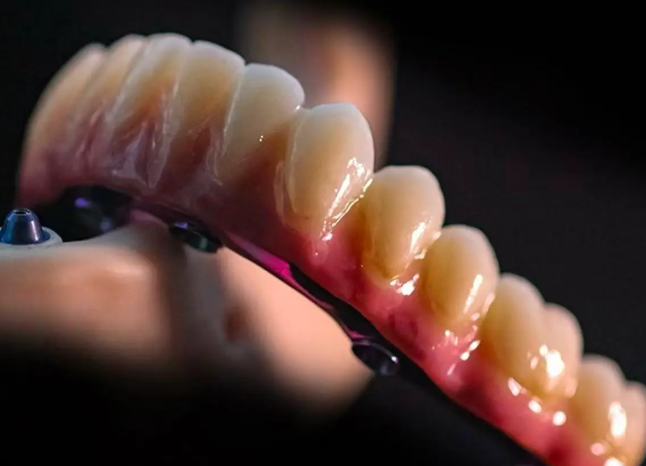
The four functional components are interconnected rather than independent.
Each one contributes to a different stage of the coloring process:
| Component | Primary Function | Influence on Coloring |
|---|---|---|
| Coloring ions | Provide color | Determines color characteristics |
| Solvent | Dissolves and transports components | Influences penetration and wetting |
| pH adjuster | Regulates acidity and alkalinity | Influences ion chemistry and solubility |
| Stabilizer | Maintains formulation stability | Helps prevent precipitation and aggregation |
For example, coloring ions provide the desired color, but their effectiveness also depends on their chemical state and distribution.
The solvent supports their movement into the porous zirconia structure. Meanwhile, pH adjusters and stabilizers help maintain suitable chemical conditions so that the coloring components remain available during application.
These interactions collectively influence the coloring process and contribute to the final appearance after sintering.
Dental zirconia coloring liquid is more than a simple pigment solution. It is a carefully formulated system involving coloring ions, solvents, pH adjusters, and stabilizers.
Each component serves a different purpose, but their functions are closely connected. Understanding these chemical and physical mechanisms helps dental technicians better understand zirconia coloring behavior and the factors that influence shade consistency.
For dental laboratories, selecting an appropriate coloring system and following the recommended application and drying procedures are essential steps in achieving predictable zirconia restorations.

Dry & wet milling for zirconia, PMMA, wax with auto tool changer.
learn more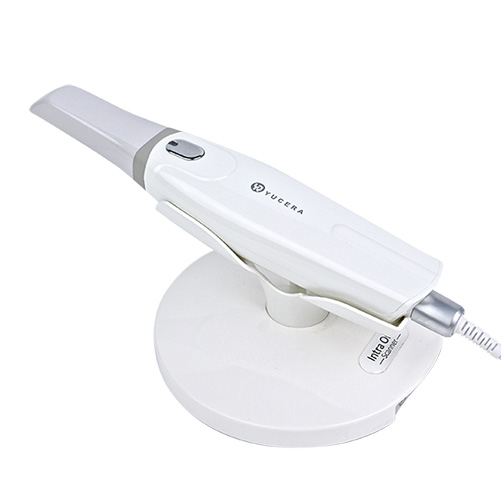
High-precision 3D scanning, AI calibration, full-arch accuracy.
learn more
40-min full sintering with 57% incisal translucency and 1050 MPa strength.
learn more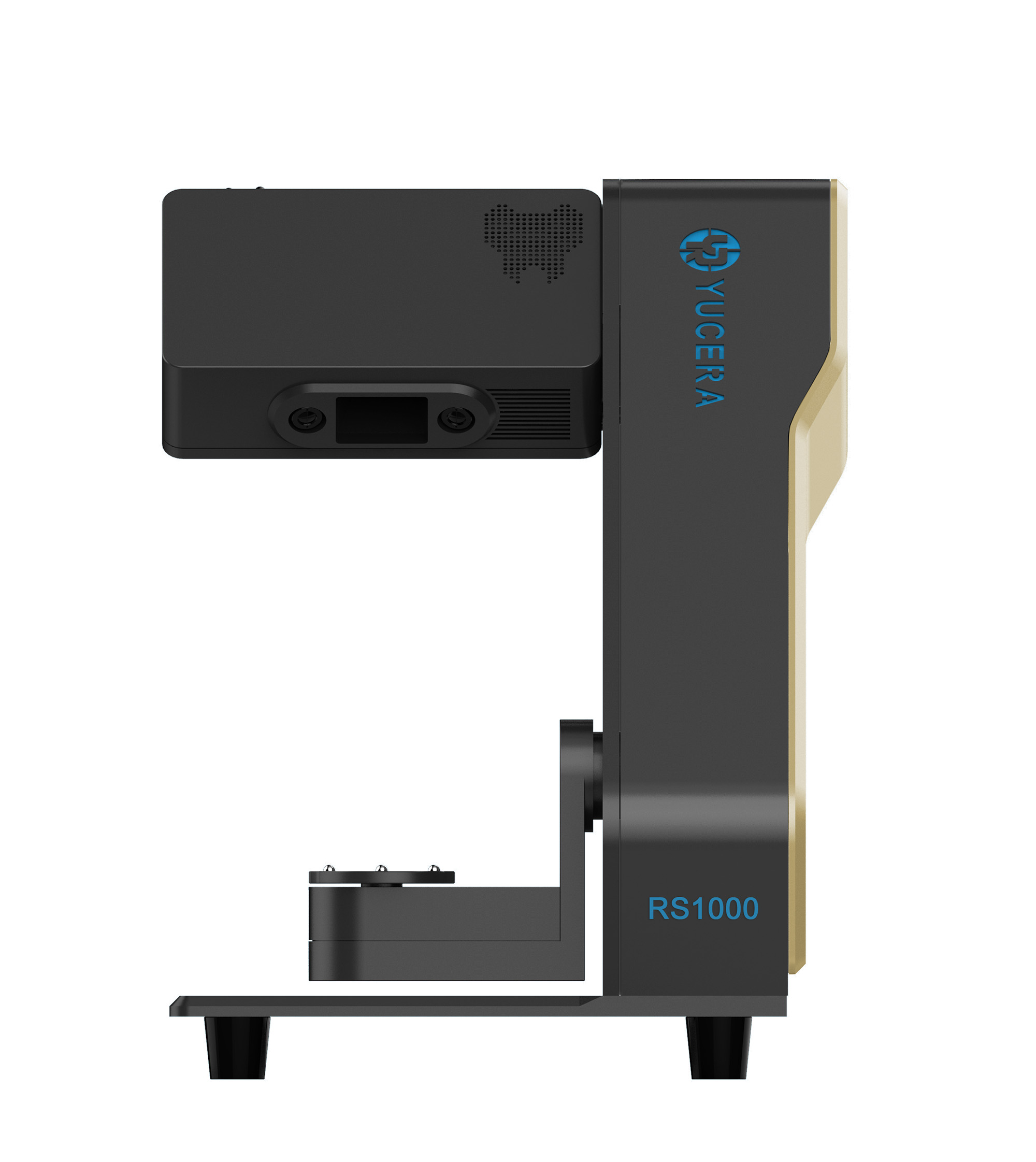
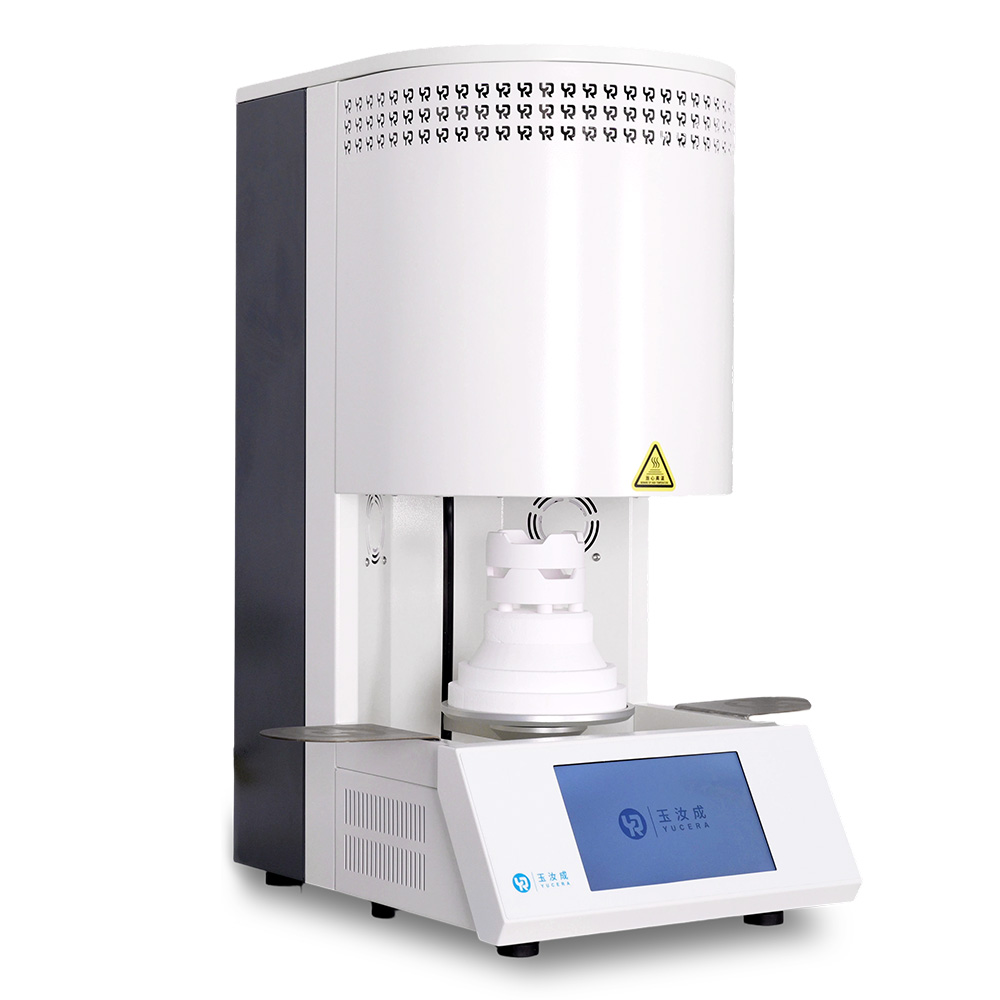
40-min cycle for 60 crowns, dual-layer crucible and 200°C/min heating.
learn more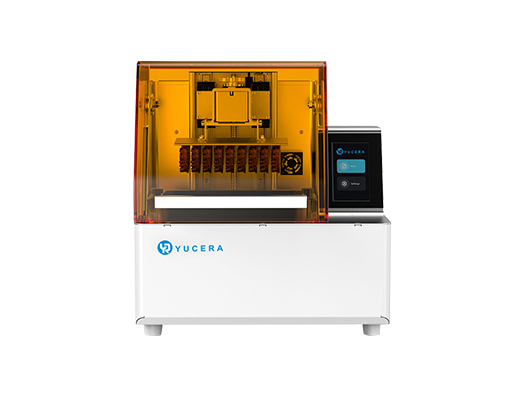
High-speed LCD printer for guides, temporaries, models with 8K resolution.
learn more


2025-09-08
2026-04-08

2026-05-16


