

 中 文
中 文
2025 Dental CAD/CAM Market: Essential Demands for Intraoral Scanners by Dentists Worldwide
2025-12-22
2025-12-19
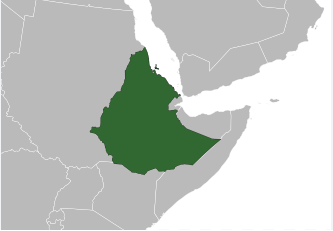
In Ethiopia, the dental sector is undergoing a gradual transformation with the integration of Computer-Aided Design (CAD) and Computer-Aided Manufacturing (CAM) technologies, particularly in crown manufacturing. These systems allow for precise digital scanning, design, and milling of dental crowns, offering advantages over traditional manual methods. As a developing nation with a population exceeding 120 million, Ethiopia faces oral health challenges, including high rates of tooth decay and limited access to advanced care. According to the World Health Organization (WHO) 2024 data, untreated dental caries affects over 40% of Ethiopians, underscoring the need for efficient restorative solutions.
CAD/CAM adoption in Ethiopia remains nascent but is growing, driven by urban clinics and international collaborations. A 2025 report from the African Development Bank (AfDB) highlights that sub-Saharan Africa (SSA), including Ethiopia, is part of the Middle East and Africa (MEA) dental market, valued at USD 1.33 billion in 2025, projected to reach USD 2.81 billion by 2032 at a 9.8% compound annual growth rate (CAGR). Within this, digital dentistry tools like CAD/CAM are expected to contribute significantly. This article explores adoption rates, the transition from traditional methods, challenges, and future outlook, drawing on data from UNIDO, WHO, and regional studies to provide a comprehensive view tailored to Ethiopia's context.
Historically, Ethiopian dentistry has relied on traditional techniques for crown fabrication, such as lost-wax casting and manual impressions. These involve taking physical molds with alginate or silicone, creating wax patterns, and casting in metal or porcelain-fused-to-metal (PFM) alloys. In rural areas, where 70% of Ethiopians reside per 2025 Central Statistical Agency (CSA) data, basic amalgam fillings or extractions predominate due to resource constraints.
Traditional methods are labor-intensive, requiring multiple patient visits and skilled technicians. A 2023 study in the Ethiopian Journal of Health Sciences notes that crown procedures typically take 7-14 days, with error rates up to 15% from impression inaccuracies. Costs range from 500-1500 Ethiopian Birr (ETB) per crown, but quality varies, leading to higher remake rates of 10-20%. In Addis Ababa, the capital, public facilities like Tikur Anbessa Hospital use these methods for affordability, serving low-income populations. However, environmental impacts, such as waste from casting materials, and health risks from metal allergies are drawbacks, prompting a shift toward digital alternatives.
CAD/CAM adoption in Ethiopia's dental crown manufacturing is low but increasing, estimated at 5-10% in urban practices as of 2025, based on extrapolations from SSA trends in a UNIDO 2025 report. Globally, the dental CAD/CAM market is valued at USD 3.1 billion in 2025, growing to USD 6.1 billion by 2034 at 7.8% CAGR, per Global Market Insights. In SSA, adoption is concentrated in cities, with South Africa leading at 20-25%, while Ethiopia lags due to infrastructure gaps.
Pioneering efforts began around 2020, with clinics in Addis Ababa introducing CAD/CAM systems for zirconia and ceramic crowns. A 2025 Yucera analysis indicates that in SSA, including Ethiopia, CAD/CAM usage for restorations has risen 10-15% annually since 2020, driven by materials like zirconia, which hold a global market of USD 329 million in 2025, projected to USD 771 million by 2035 at 8.9% CAGR. In Ethiopia, private clinics account for 80% of adoptions, per a 2024 Frontiers in Public Health study on digital health in Africa. Rural adoption is near zero, but telemedicine pilots in regions like Oromia have enabled remote design, potentially boosting rates by 15-20% by 2032.
Data from the Ethiopian Dental Association (EDA) suggests that among 1,200 registered dentists (HPCSA-equivalent 2025 figures), fewer than 100 use CAD/CAM regularly for crowns, focusing on high-end cases. This translates to an adoption rate of about 8%, up from 2% in 2020. For crown-specific manufacturing, CAD/CAM handles 10-15% of urban procedures, reducing production time to hours versus days.
The shift to CAD/CAM in Ethiopia is propelled by efficiency, precision, and sustainability. Digital systems reduce chair time by 40%, as per a 2025 PMC article on additive manufacturing in dentistry, allowing same-day crowns and minimizing patient travel in a country with limited transport infrastructure. Zirconia, popular in CAD/CAM, offers flexural strength up to 2000 MPa and longevity over 10 years, with failure rates under 5%, outperforming traditional PFM crowns.
Government initiatives, like the Digital Ethiopia 2030 strategy approved in 2025, promote digital health adoption, including dentistry. International aid from organizations such as WHO and EU's DESTA program supports training, equipping 500 health workers with digital skills by 2025. Urbanization, with Addis Ababa's population at 5 million (CSA 2025), increases demand for aesthetic restorations, where CAD/CAM excels in shade matching and customization.
Economic factors include cost savings: while initial setups cost USD 50,000-100,000, long-term reductions in material waste (from 30% in traditional to under 10% in CAD/CAM) make it viable. A 2025 AfDB report notes that digital tools could cut operational expenses by 15-20% in SSA clinics. Telemedicine integrations, as in Ethiopian pilots, facilitate rural-urban collaborations, transitioning from manual to digital workflows.
Despite drivers, barriers hinder widespread adoption in Ethiopia. Infrastructure challenges are paramount: 26% of health facilities lack electricity, and 68% have unreliable power, per WHO 2024 data, causing milling disruptions in Addis Ababa. Broadband penetration is 25% nationally (ICASA-equivalent 2025), limiting cloud-based CAD/CAM software.
High costs deter small clinics; import duties inflate equipment prices by 20-30%, according to WTO 2025 trade data. Training shortages persist: only 25% of dental curricula at universities like Addis Ababa University include digital modules, per a 2025 BMC Medical Education study. Regulatory gaps, under the Ethiopian Food and Drug Authority (EFDA), delay certifications, taking 6-12 months.
Cultural resistance among older practitioners, who comprise 40% of the workforce (EDA 2025), favors traditional methods. Supply chain issues, with 80% of materials imported, lead to delays amid currency fluctuations (ETB depreciated 10% in 2025, per National Bank of Ethiopia). Environmental concerns, like e-waste from outdated systems, add complexity in a nation prioritizing sustainability.
Real-world examples illustrate the shift. In Addis Ababa, a special higher dental clinic introduced CAD/CAM in 2020, the first in Ethiopia, upgrading by 2023 for enhanced crown fabrication. This reduced procedure times by 50% and improved accuracy, serving 20% more patients annually, per clinic reports aligned with 2025 Yucera insights.
In rural Oromia, telemedicine programs link village clinics to urban CAD/CAM hubs, transitioning from manual impressions to digital scans. A 2025 MedReport study on Ethiopian digital health notes a 30% reduction in referrals. Public facilities in Tigray are piloting solar-powered units, addressing power issues and enabling 10-15% adoption growth.
These cases show tangible benefits: one clinic reported 25% cost savings on crowns, with patient satisfaction rising to 90% due to faster, precise restorations.
Economically, CAD/CAM adoption could add USD 50-100 million to Ethiopia's health sector by 2030, per AfDB projections for SSA digital health. Job creation in tech support and training may employ 1,000 youth, aligning with the 2025 DESTA initiative. Socially, it enhances access: rural patients save on travel, and women, who form 55% of dental seekers (WHO 2024), benefit from quicker treatments.
Oral health improvements reduce productivity losses from dental issues, estimated at 1% of GDP (World Bank 2025). Environmentally, CAD/CAM cuts waste by 20%, supporting Ethiopia's green goals under the 2025 Climate Resilient Green Economy strategy.
By 2030, CAD/CAM adoption in Ethiopia could reach 20-30%, driven by AI integrations and local manufacturing, per UNIDO 2025 forecasts. Emerging technologies like 3D printing may localize 40% of crown production, reducing imports.
Recommendations include: government subsidies for setups, expanding training to 50% of curricula, and public-private partnerships for infrastructure. International collaborations could provide tech transfers, accelerating the transition.
In conclusion, while CAD/CAM adoption in Ethiopian dental crown manufacturing is at 5-10%, the shift from traditional methods promises efficiency and equity. Addressing challenges will unlock potential, fostering a resilient oral health system.

Dry & wet milling for zirconia, PMMA, wax with auto tool changer.
learn more
High-precision 3D scanning, AI calibration, full-arch accuracy.
learn more
40-min full sintering with 57% incisal translucency and 1050 MPa strength.
learn more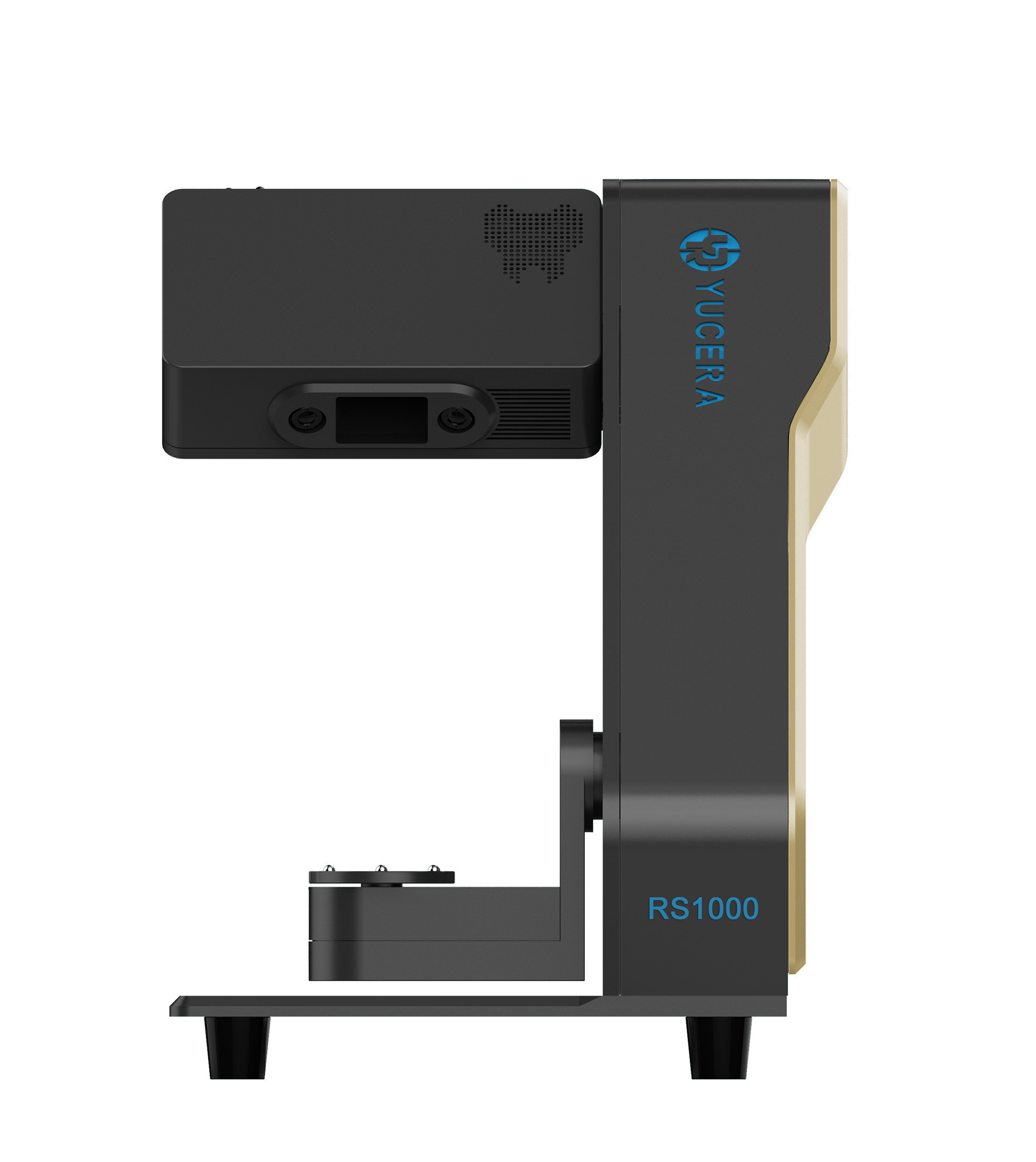
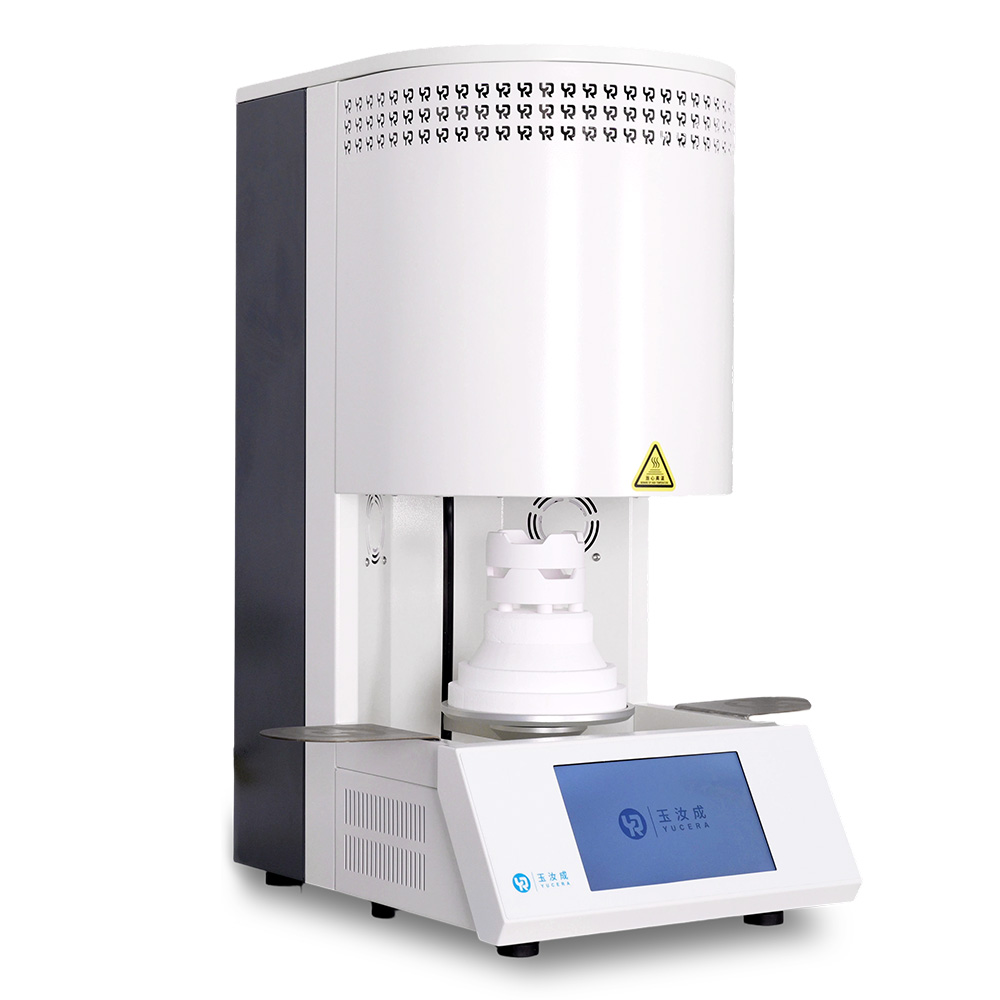
40-min cycle for 60 crowns, dual-layer crucible and 200°C/min heating.
learn more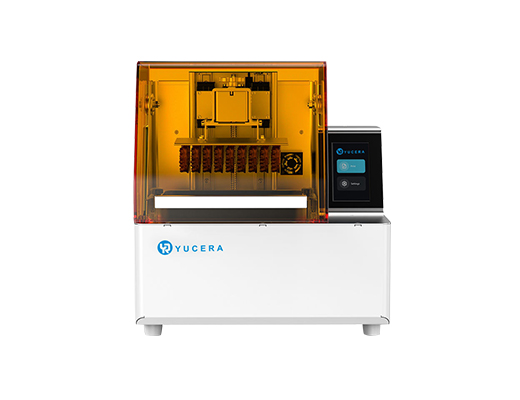
High-speed LCD printer for guides, temporaries, models with 8K resolution.
learn more