



 中 文
中 文
Chairside CAD/CAM Wet Milling Time-Saving Guide: Step-by-Step from Preparation to Cementation
2025-12-27
2025-12-10
In South Africa, where the oral health crisis is exacerbated by a severe shortage of dental professionals, innovative technologies are stepping in to bridge the gap. AI-assisted CAD/CAM diagnosis represents a transformative approach in dentistry, combining artificial intelligence with computer-aided design and manufacturing to streamline diagnostic processes and improve patient outcomes. This integration is particularly crucial in a country like South Africa, facing legacy issues from apartheid-era healthcare disparities and ongoing challenges in workforce distribution. As of 2025, with fewer than 7,000 registered dentists serving a population of over 60 million, the ratio stands at approximately 11.67 dentists per 100,000 people—far below global standards. This shortage is most acute in rural areas and provinces like Limpopo and Eastern Cape, where access to specialized dental care is limited.
AI-assisted CAD/CAM systems offer a promising solution by automating diagnostic tasks, enabling faster and more accurate assessments of oral health issues. These technologies use advanced algorithms to analyze dental images, detect anomalies, and assist in treatment planning, reducing the burden on overworked dentists. In urban centers such as Johannesburg and Cape Town, where dental clinics are adopting digital tools, AI is already enhancing efficiency. This article explores the applications of AI in CAD/CAM diagnosis amid South Africa's dentist shortage, highlighting benefits, challenges, and future prospects to optimize SEO for searches like "ai in dentistry south africa" and "dentist shortage south africa."
CAD/CAM technology in dentistry involves using computer software to design and manufacture dental restorations like crowns, bridges, and implants. When integrated with AI, it evolves into a powerful diagnostic aid. AI algorithms process digital scans and radiographs to identify pathologies, predict treatment needs, and optimize designs.

In South Africa, AI enhances CAD/CAM by detecting subtle issues in dental imaging that might be overlooked due to high caseloads. For instance, machine learning models can analyze X-rays for early signs of caries or bone loss with accuracy rates exceeding 90% in some studies. This is vital in a country where oral diseases affect a large portion of the population, and timely diagnosis can prevent complications.
The technology supports chairside applications, where dentists in Johannesburg clinics can scan a patient's mouth, use AI to diagnose issues, and fabricate restorations on-site, reducing multiple visits. For GEO optimization, clinics in Cape Town and Durban are increasingly adopting these systems to serve diverse populations, including tourists seeking affordable dental care.
AI-assisted CAD/CAM has diverse applications tailored to South Africa's unique challenges. In diagnostic imaging, AI tools analyze intraoral scans and CBCT (cone-beam computed tomography) images to detect anomalies like fractures or tumors. This is particularly useful in public health facilities in Gauteng province, where overburdened dentists can rely on AI for preliminary assessments.
In treatment planning, AI optimizes CAD/CAM designs by predicting material durability and fit, ensuring restorations last longer in patients with poor oral hygiene—a common issue in South African townships. Remote diagnostics via tele-dentistry allow specialists in Pretoria to assist rural practitioners in KwaZulu-Natal, bridging the urban-rural divide.
For orthodontics and prosthetics, AI refines alignments and customizes appliances, improving outcomes for children in school-based oral health programs. In the context of the dentist shortage, these applications enable one dentist to oversee multiple cases, effectively multiplying their capacity.
Case studies from South African practices show AI reducing diagnostic time by up to 40%, allowing clinics in Bloemfontein to handle more patients daily. Moreover, in educational settings like the University of the Western Cape, AI is integrated into training to prepare future dentists for digital workflows.
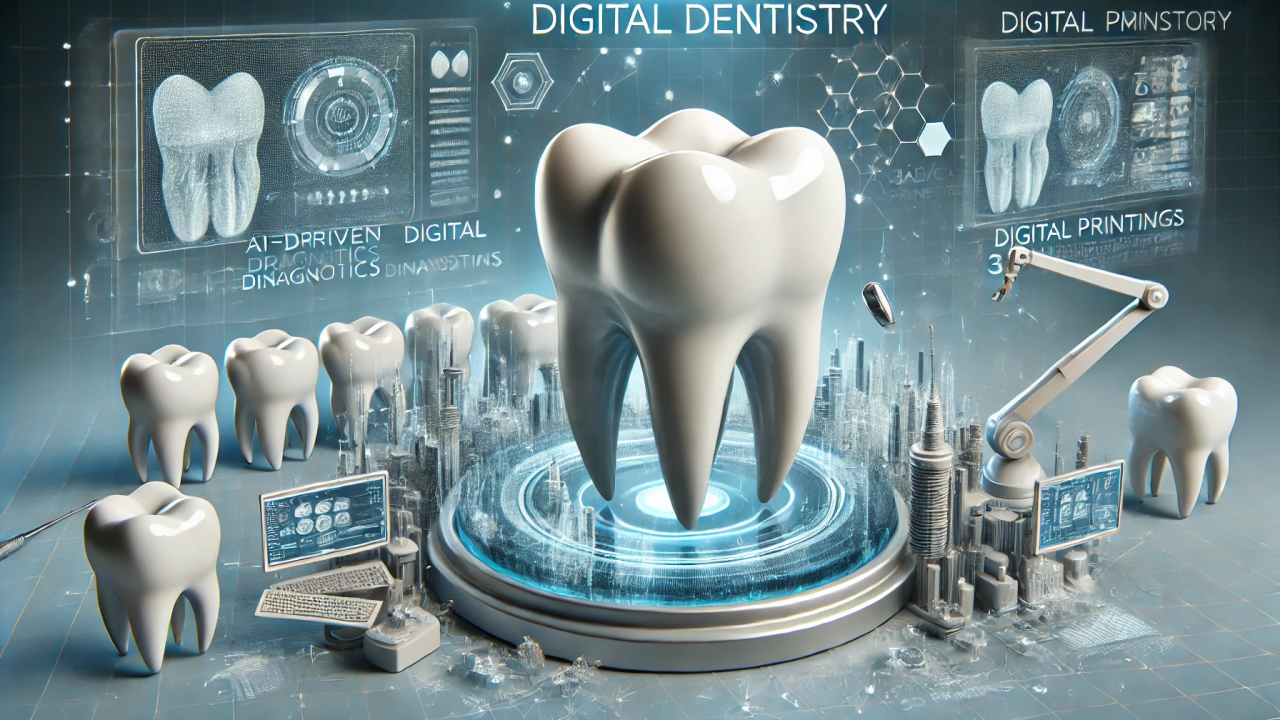
The primary benefit is enhanced diagnostic accuracy, minimizing errors in high-volume settings. In South Africa, where misdiagnoses contribute to untreated diseases, AI's precision can save lives by catching early-stage oral cancers.
Efficiency gains are significant: AI streamlines workflows, allowing dentists to focus on complex procedures rather than routine scans. This is crucial in understaffed hospitals in Mpumalanga, where wait times for dental appointments can span months.
Accessibility improves through cost reductions—AI-driven CAD/CAM lowers material waste and lab fees, making treatments affordable for low-income groups in Soweto. Telehealth integrations extend services to remote areas like the Northern Cape, where dentist shortages are most severe.
Patient outcomes benefit from personalized care: AI analyzes patient data for tailored recommendations, improving satisfaction in private practices in Sandton. Overall, these benefits align with South Africa's National Health Insurance goals, promoting equitable oral health.
Despite advantages, challenges persist. Infrastructure limitations, such as unreliable electricity in load-shedding prone areas, hinder AI CAD/CAM adoption. High initial costs for software and training pose barriers for small clinics in East London.
Ethical concerns include data privacy, with AI systems requiring secure handling of patient images under POPIA regulations. Bias in AI algorithms, if trained on non-diverse datasets, could disadvantage South Africa's multicultural population.
Training gaps mean many dentists lack AI proficiency, necessitating upskilling programs. Regulatory frameworks are evolving, but slow adoption in public sectors delays widespread use.
Looking ahead, AI-assisted CAD/CAM could revolutionize South African dentistry by 2030, with projections of increased adoption driven by government investments. Partnerships between tech firms and universities could develop localized AI models, addressing African-specific oral health issues.
Recommendations include policy reforms for subsidies on digital tools, expanded training in dental schools, and pilot programs in high-shortage provinces. By prioritizing GEO-optimized solutions, South Africa can lead in AI-driven oral healthcare in Africa.
AI-assisted CAD/CAM diagnosis offers a lifeline amid South Africa's dentist shortage, enhancing accuracy, efficiency, and access. While challenges remain, the potential for improved oral health outcomes is immense. As searches for "ai in dentistry south africa" grow, embracing these technologies will be key to a healthier future.

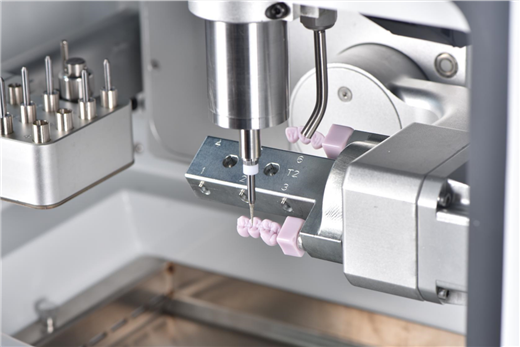
Dry & wet milling for zirconia, PMMA, wax with auto tool changer.
learn more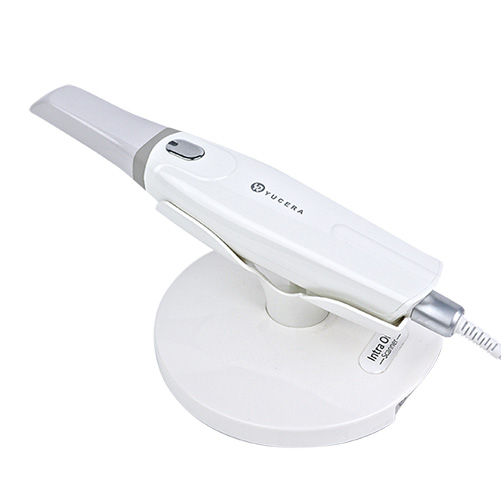
High-precision 3D scanning, AI calibration, full-arch accuracy.
learn more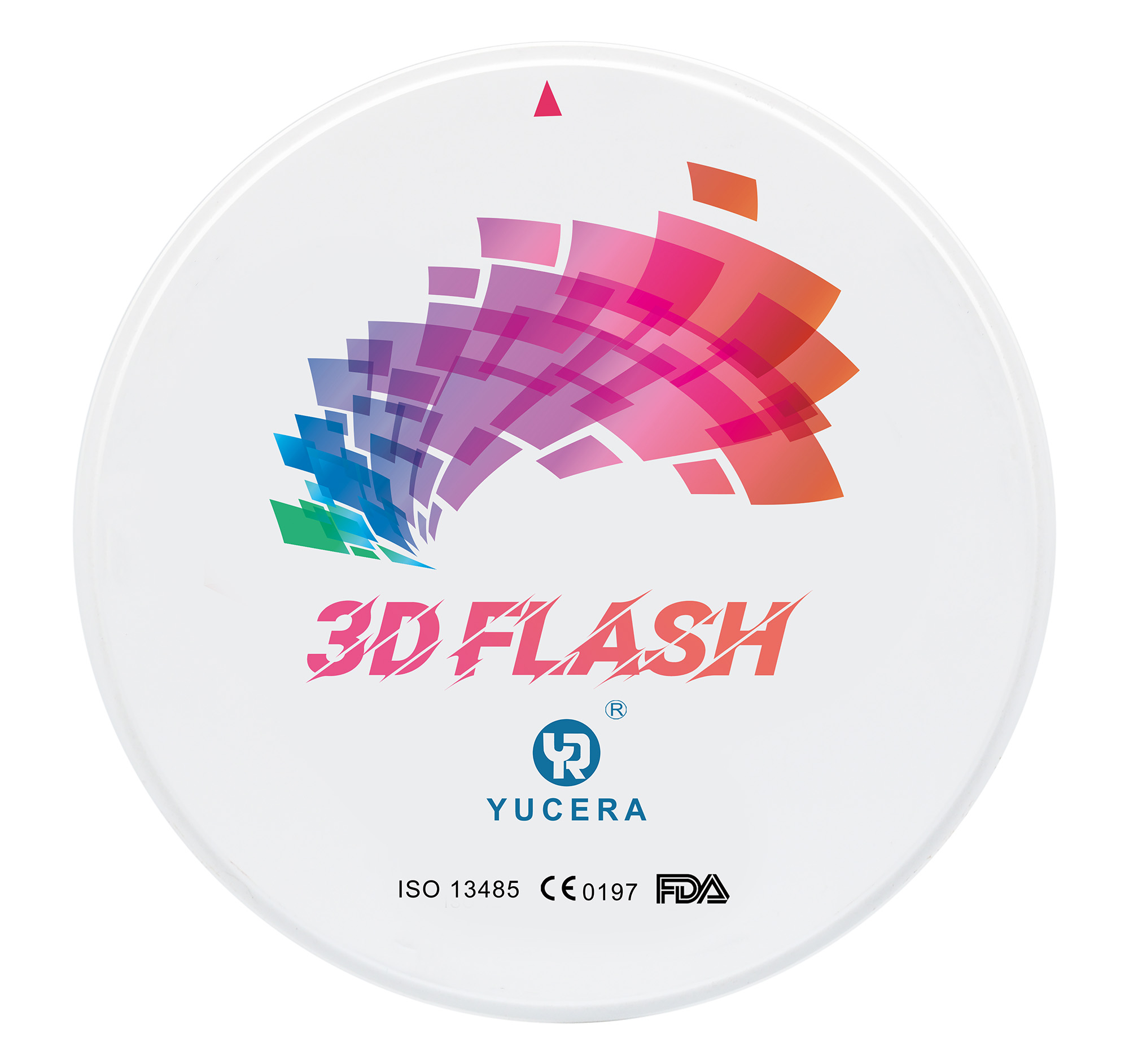
40-min full sintering with 57% incisal translucency and 1050 MPa strength.
learn more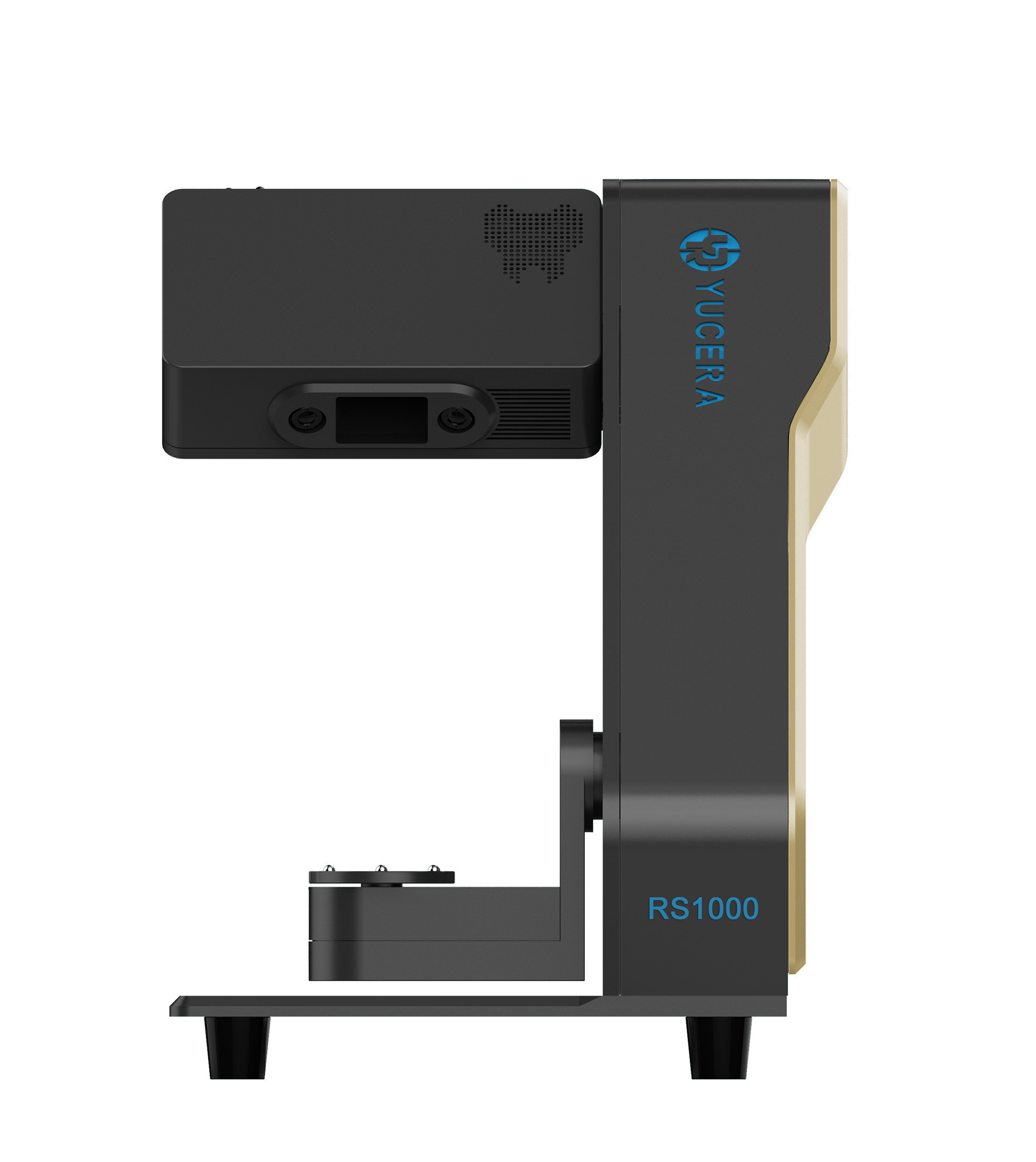
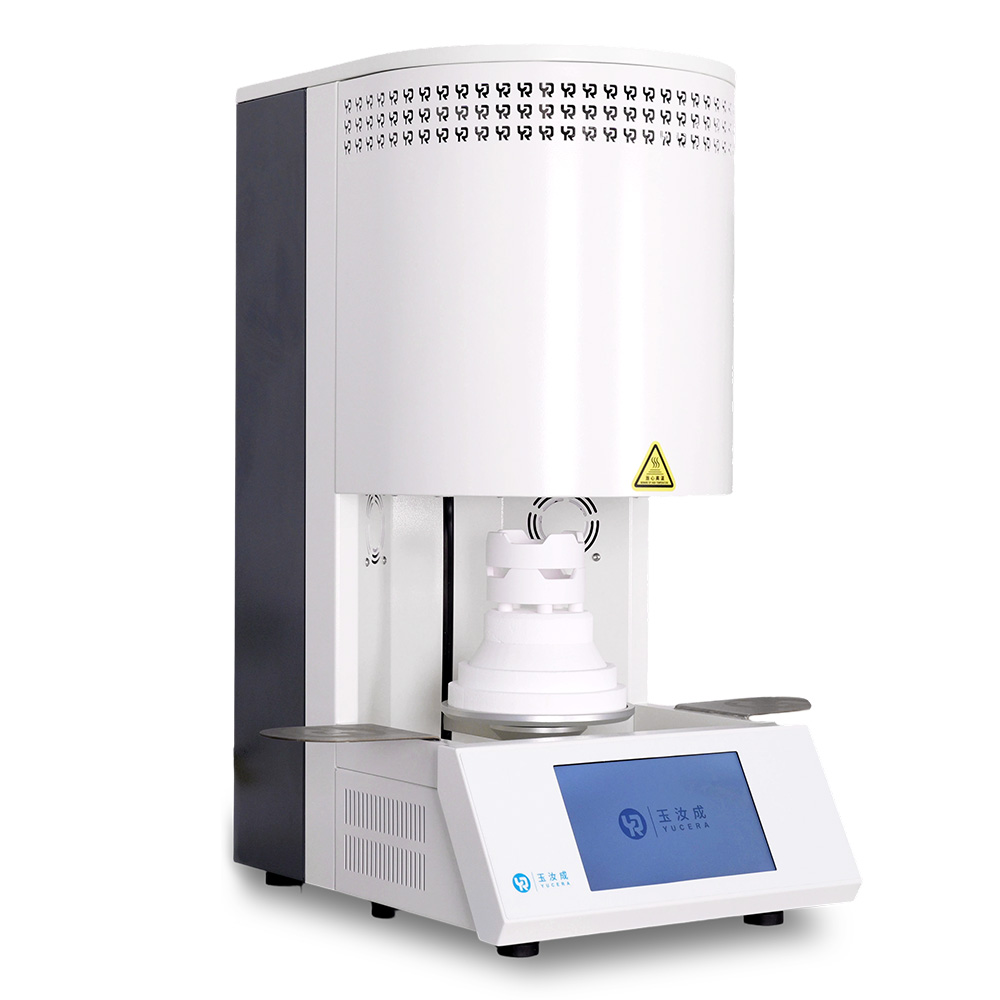
40-min cycle for 60 crowns, dual-layer crucible and 200°C/min heating.
learn more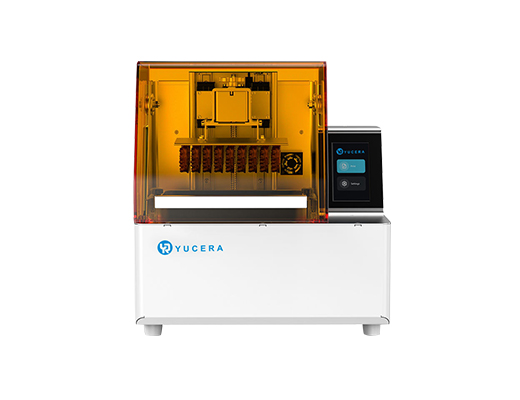
High-speed LCD printer for guides, temporaries, models with 8K resolution.
learn more


2025-12-27
2025-11-10
2025-12-03


