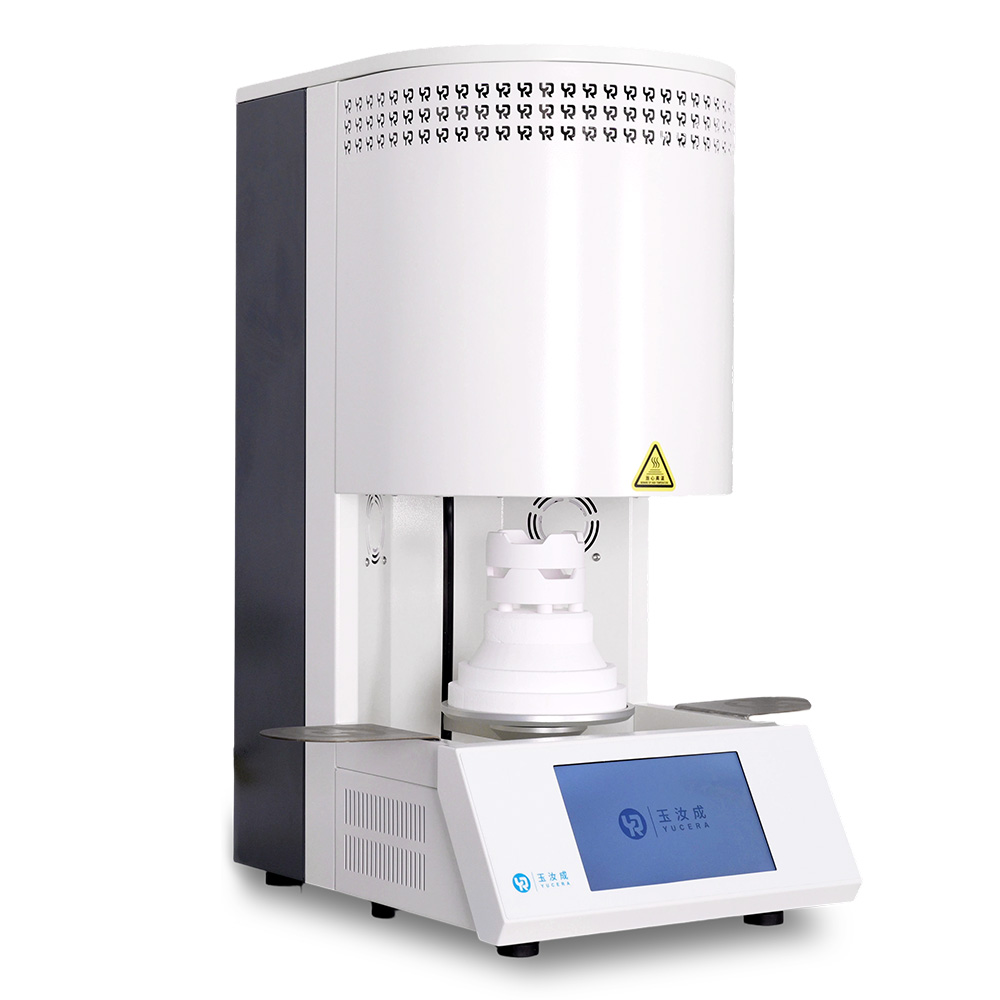
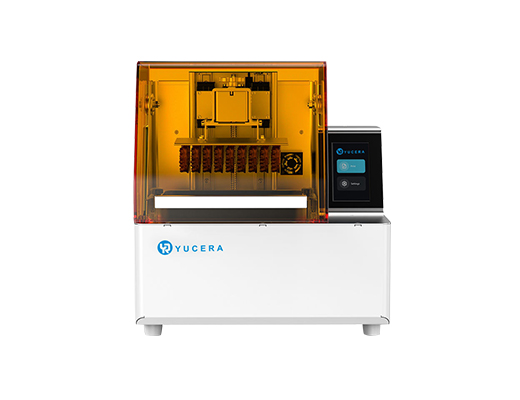
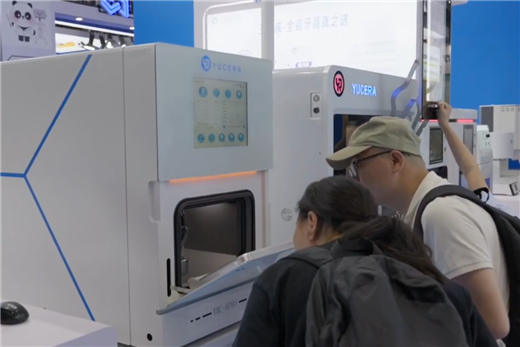
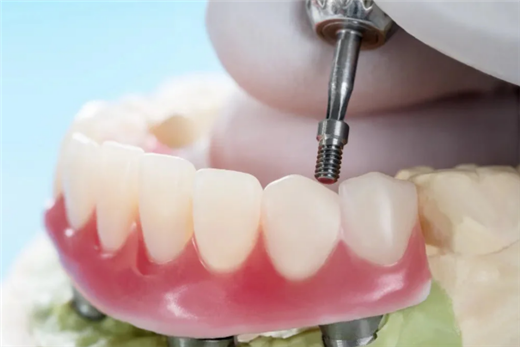
Dental 3D printing has grown rapidly for applications such as temporary crowns, surgical guides, models, and framework prototypes. While printing itself is now fast and accessible, post-processing remains a major efficiency bottleneck for many clinics and labs.
Traditional manual workflows — separate washing, drying, and curing steps — are labour-intensive, inconsistent, and expensive. In 2026, forward-thinking dental practices are adopting fully automated closed-loop post-processing stations that integrate printing completion → automated transfer → precision cleaning → controlled curing → finished output in one seamless system.
This article examines the problems with conventional post-processing, the working principles of automated closed-loop systems, real-world performance data, and practical implementation advice. The goal is to help dental professionals significantly reduce time, labour, and material waste while improving quality and scalability.
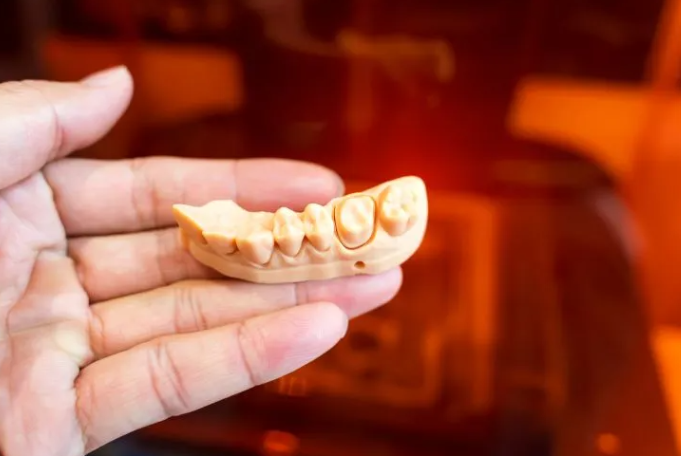
Four Major Problems with Traditional Segmented Post-Processing
-
Fragmented workflow Multiple manual transfers between devices and stations add over 60% extra time per batch. Technicians spend valuable hours moving parts, changing solutions, and monitoring each step.
-
Inconsistent quality Manual cleaning often results in uneven residue removal, while hand-held or batch curing can cause under- or over-curing. This leads to deformation, insufficient strength, and remake rates of 8–12% in many practices.
-
High operational costs Constant labour supervision, frequent replacement of cleaning solutions, and rapid wear of curing lamps drive up expenses. Post-processing can account for a disproportionate share of total production costs.
-
Limited capacity and scalability Heavy reliance on skilled technicians prevents unmanned night shifts and creates bottlenecks during peak demand. Scaling production becomes difficult without adding more staff.
How Automated Closed-Loop Post-Processing Stations Work
Modern automated systems feature an integrated design that handles the entire post-processing sequence without manual intervention:
-
One-touch operation: After printing, parts move automatically into the cleaning chamber, then to the curing station, and finally to the output tray.
-
Programmable parameters: Precise control over wash time, solution agitation, curing intensity, temperature, and duration ensures repeatable results for every batch.
-
Closed, eco-friendly design: Minimises resin vapour exposure, improves workplace safety, and supports compliance with clinic and lab environmental standards.
-
Broad material compatibility: Works effectively with common dental resins used for temporary crowns, surgical guides, occlusal splints, models, and frameworks.
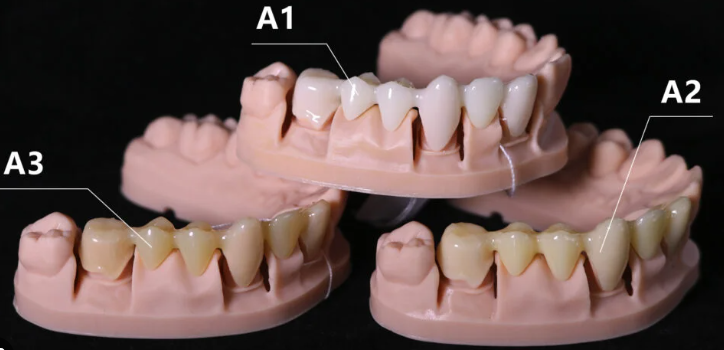
These systems are ideal for high-volume temporary restorations, implant guides, and digital models that need to integrate smoothly with CAD/CAM workflows.
Real-World Performance Data: Traditional vs Automated Closed-Loop
Independent and in-house testing in 2026 shows clear advantages:
Time Efficiency
-
Traditional segmented process: 120–150 minutes per batch
-
Automated closed-loop: 35–45 minutes per batch
→ 60–70% time reduction
Labour Cost
-
Traditional: Requires 1–2 dedicated technicians for supervision
-
Automated: One-button start with fully unmanned operation
→ Labour cost reduction of approximately 70%
Material & Consumable Savings
-
Cleaning solution is recirculated and filtered, extending usable life 2–3 times
-
Uniform curing dramatically reduces defects from 8–12% down to under 1%
Capacity Increase
-
Supports continuous batch production and overnight runs
→ Daily output increases by 80–120% without additional staff
These gains translate directly into shorter delivery times, lower operational stress, and improved profitability for both small clinics and larger labs.
Case Results from Typical Dental Applications
-
Surgical Guides: Automated processing delivers consistently sharp edges, dimensional stability, and 100% clinical seating success in tested cases. No deformation or warping issues.
-
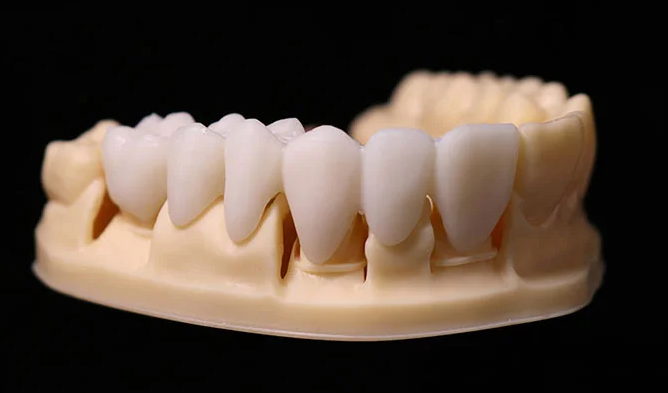
Temporary Crowns & Inlays: Surfaces emerge smooth and glossy with full mechanical strength. Secondary manual polishing is rarely needed, saving additional chair time.
-
Dental Models: Accurate dimensions and fine details are preserved, ensuring perfect fit with subsequent CAD/CAM milling or design verification steps.
Labs using closed-loop systems report noticeably shorter turnaround times, fewer remakes, and higher client (clinic) satisfaction. Many have successfully expanded capacity during busy periods without hiring extra technicians.
Choosing the Right System Size for Your Practice
-
Small clinics / labs (10–20 units/day): Compact closed-loop stations fit limited space while handling daily needs efficiently.
-
Medium-sized labs: Standard models support higher batch volumes and continuous operation.
-
Large digital production centres: High-capacity versions integrate with automated production lines for true 24/7 unmanned workflows.
Selecting the appropriate scale ensures maximum ROI while matching your current and future production volume.
Frequently Asked Questions (FAQ)
-
Is the automated station compatible with my existing 3D printers? Yes — most systems are designed to work with major dental resin printers via standard build platforms or simple adapters.
-
What are the replacement cycles and costs for cleaning solution and curing lamps? Recirculating filtration typically extends solution life 2–3×. Curing lamps last significantly longer due to optimised, uniform exposure cycles.
-
Is the system difficult to operate? Do I need specialised technicians? Operation is straightforward with intuitive one-button or touchscreen controls. Basic training (usually 1–2 hours) is sufficient for most staff.
-
What are the space, power, and installation requirements? Compact models require minimal floor space (often under 1.5 m²). Standard 220V or 110V power with proper ventilation is usually adequate. Professional installation is recommended.
-
How is after-sales support and maintenance handled? Reputable suppliers provide remote diagnostics, spare parts kits, and scheduled preventive maintenance programmes to keep downtime minimal.
Conclusion: Make Automated Closed-Loop Post-Processing Your 2026 Standard
In 2026, automated print-to-wash-to-cure closed-loop systems represent the most effective solution to the long-standing post-processing bottleneck in dental 3D printing.




 中 文
中 文