

 中 文
中 文
Why Do Some Fillings Require the Option of an Inlay and What Is the Difference Between an Inlay and a Filling?
2024-12-26
2026-02-10
Zirconia milling is the core process in Eastern European dental labs (Poland, Hungary, Czech Republic, Romania, Bulgaria), where CAD/CAM systems produce high volumes of crowns, bridges, abutments, and veneers for local patients and dental tourism. In 2026, labs aim for 10-20 μm marginal precision, minimal chipping, and fast turnaround while meeting EU MDR traceability requirements.
Proper milling technique directly affects restoration fit, strength (>1000 MPa in high-strength zirconia), esthetics, and remake rates (target <5-10%). These best practices—based on clinical and lab experience—help Eastern European labs optimize 5-axis dry milling, nesting, tool selection, and post-processing for consistent, high-quality zirconia outcomes.
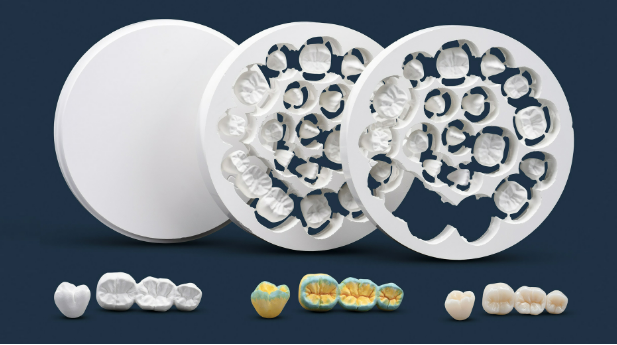
Eastern Europe tip: Document batch shrinkage in a shared log for traceability (supports MDR compliance).
Wrong nesting is the #1 cause of color inversion (white at cervical, yellow at incisal) and marginal misfit.
Best Practices:
Quick check: If colors are inverted after milling, nesting was flipped 180° — correct direction before remaking.
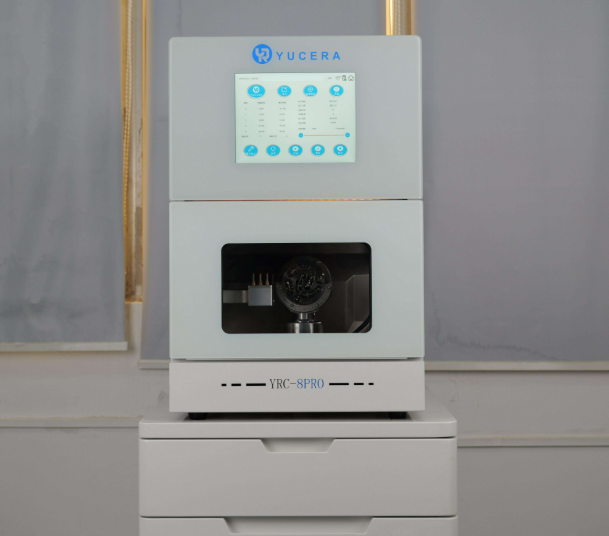
Eastern Europe tip: Save parameter templates per zirconia type for repeatability across technicians.
Dry milling dominates for zirconia in cost-conscious labs.
Best Practices:
Chipping prevention: Always mill in fresh tools; reduce feed near margins; use air blast to clear debris.
Milling precision is lost if sintering distorts or cracks.
Best Practices:
Regional note: Fast sintering is widely adopted in Poland and Hungary for same/next-day delivery to tourism patients.
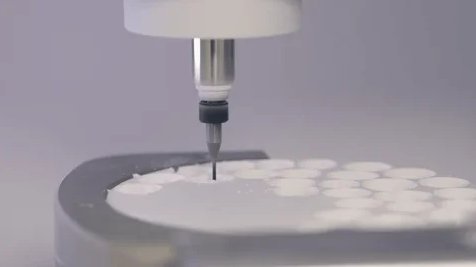
Eastern European dental labs achieve excellent zirconia milling results in 2026 by following these best practices: correct nesting orientation, accurate shrinkage input, optimized CAM parameters, proper tool strategy, controlled sintering, and rigorous inspection. These steps deliver 10-20 μm precision, reduce chipping/remakes, and support fast, high-quality production for local and tourism markets.
Labs in Poland, Hungary, Romania, and beyond that implement disciplined CAD/CAM zirconia workflows gain efficiency, cost advantages, and stronger competitiveness in the digital dentistry landscape.

Dry & wet milling for zirconia, PMMA, wax with auto tool changer.
learn more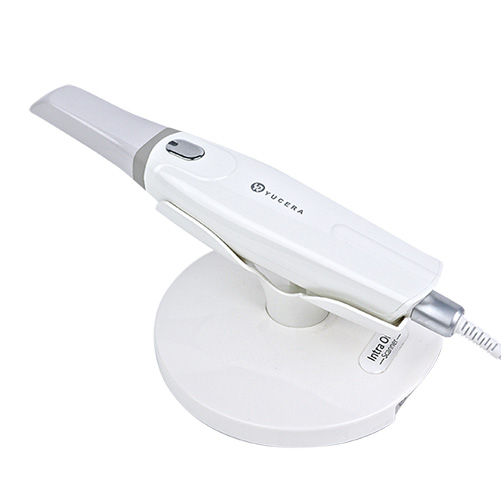
High-precision 3D scanning, AI calibration, full-arch accuracy.
learn more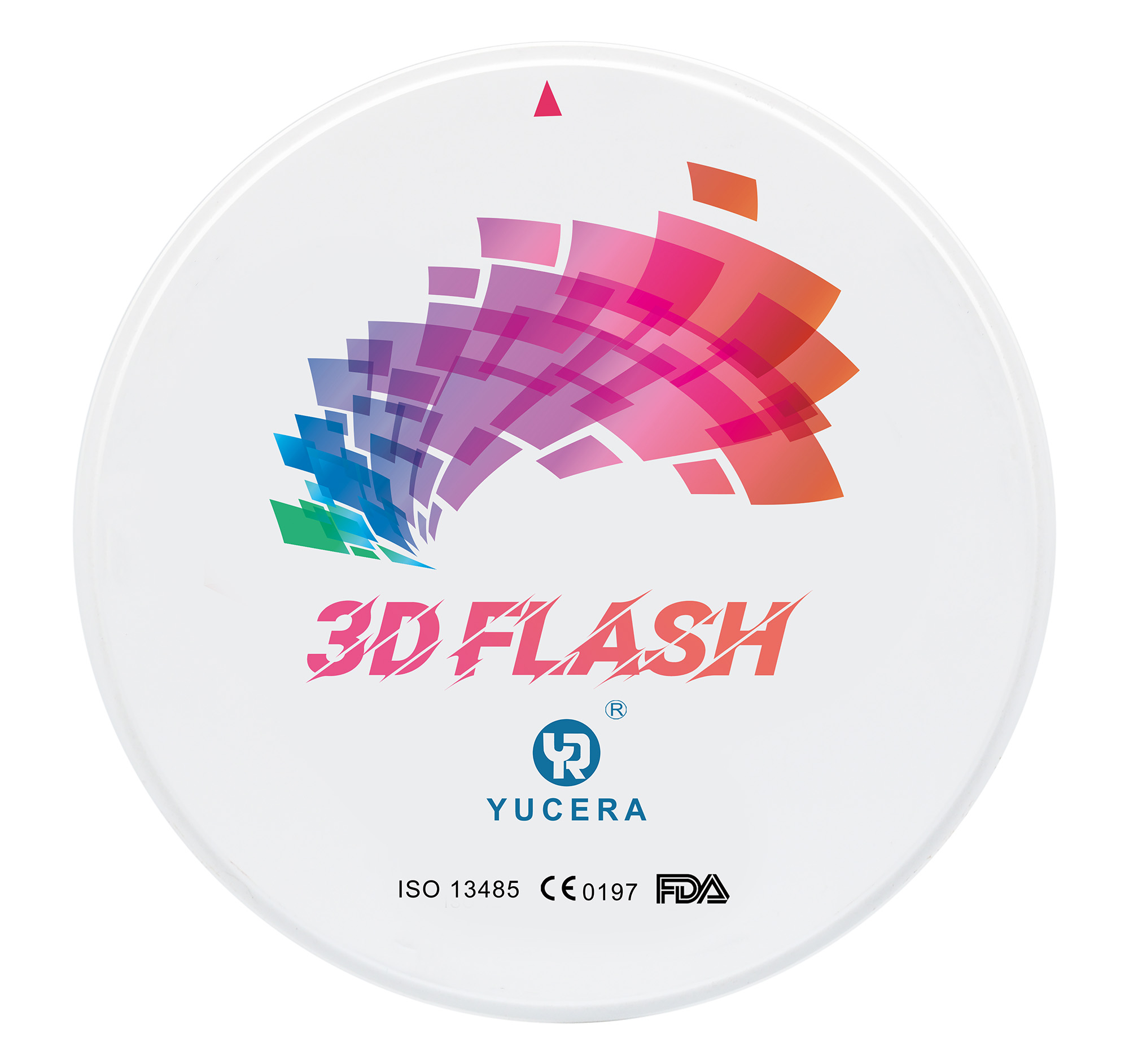
40-min full sintering with 57% incisal translucency and 1050 MPa strength.
learn more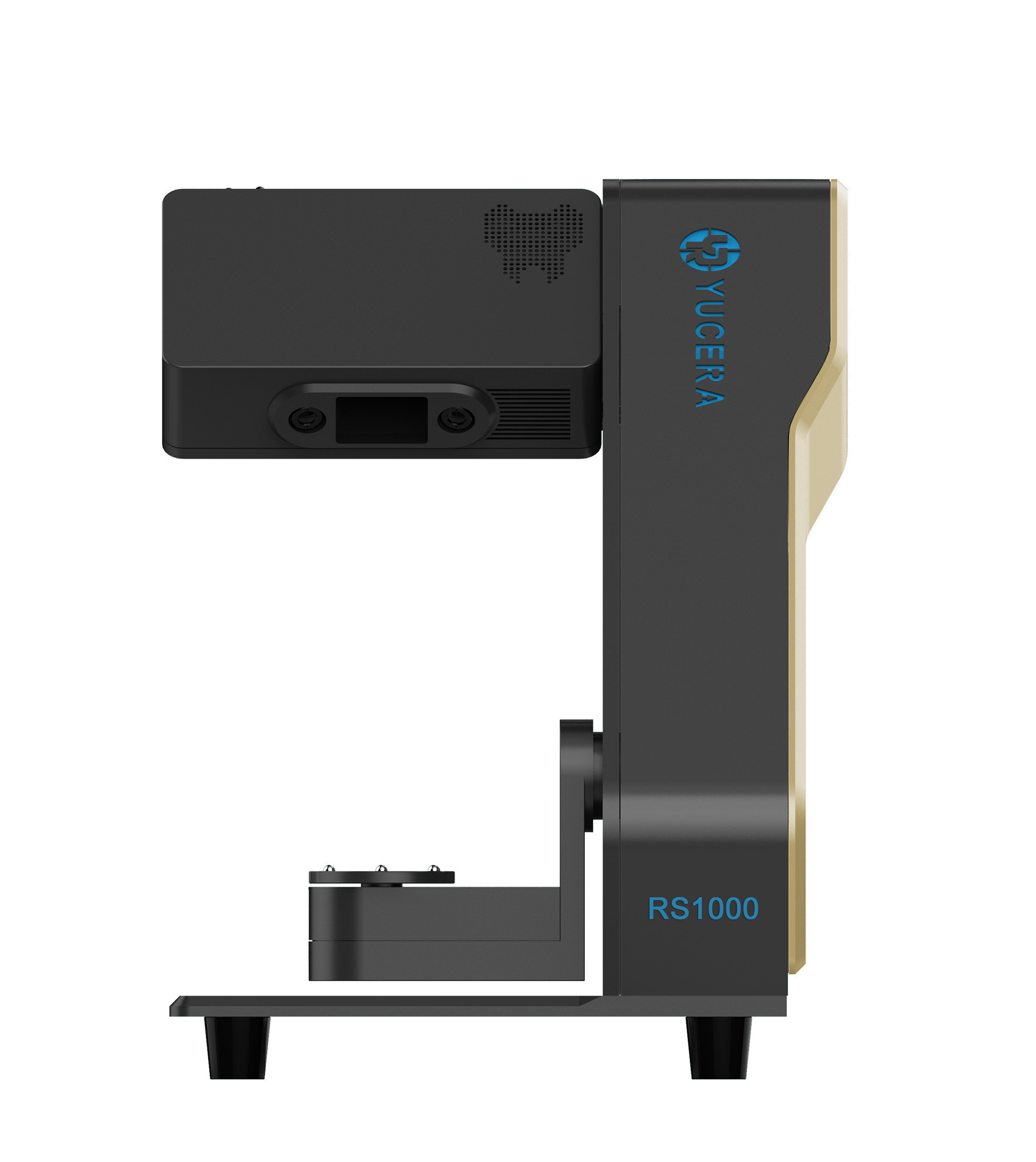
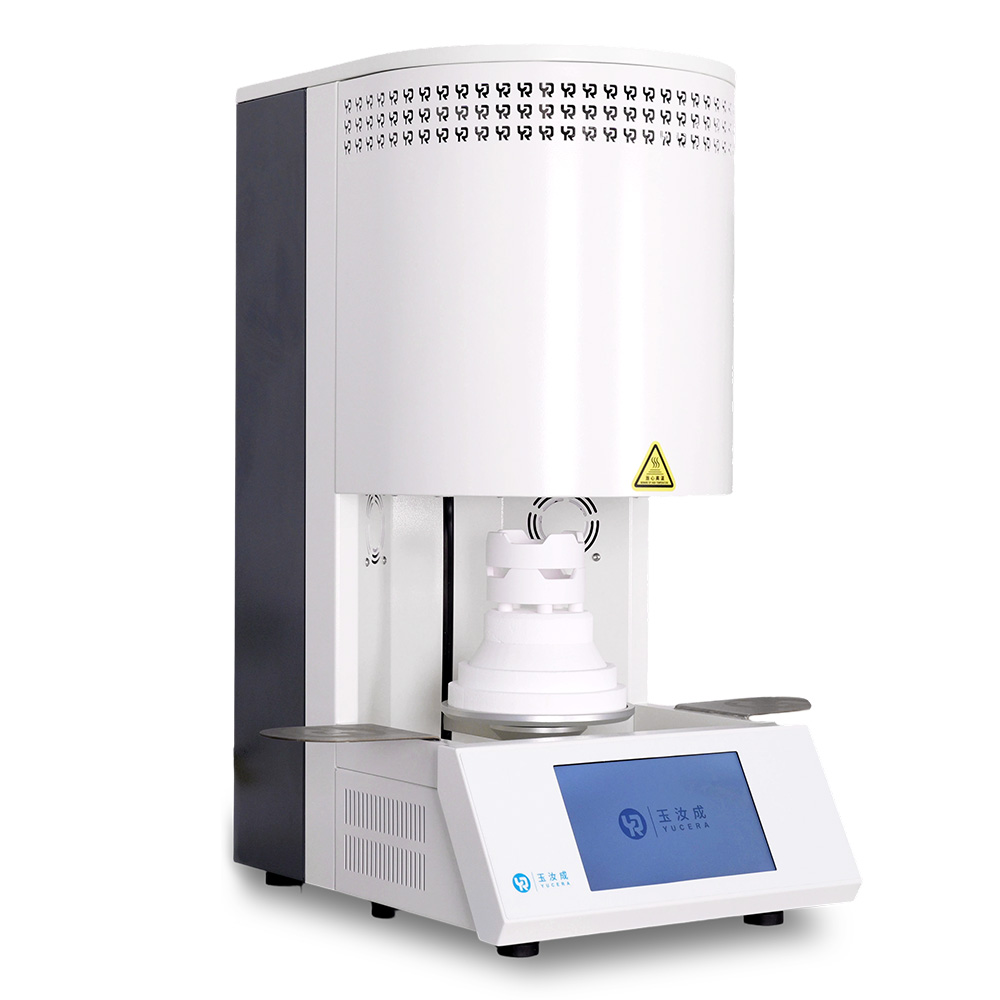
40-min cycle for 60 crowns, dual-layer crucible and 200°C/min heating.
learn more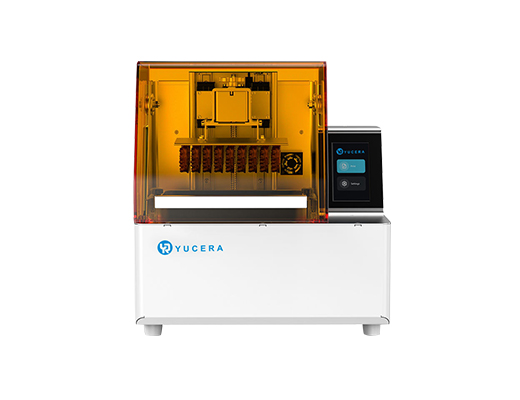
High-speed LCD printer for guides, temporaries, models with 8K resolution.
learn more