European dental laboratories—across the UK, Germany, France, Italy, Spain, Netherlands, and Scandinavia—are accelerating digital upgrades in 2026. CAD/CAM milling (primarily for zirconia, lithium disilicate, and metals) and 3D printing (resins for models, guides, temporaries, and emerging permanent applications) are converging into hybrid workflows that enhance precision, speed, customization, and sustainability.
The European dental CAD/CAM market grows steadily at ~5-6% CAGR, while dental 3D printing expands faster (CAGR 20-26% in some forecasts from 2025-2030), reaching values over USD 1 billion regionally. Hybrid integration allows labs to leverage milling's strength and durability with printing's complexity and low-waste production, meeting EU MDR traceability and Green Deal sustainability demands.
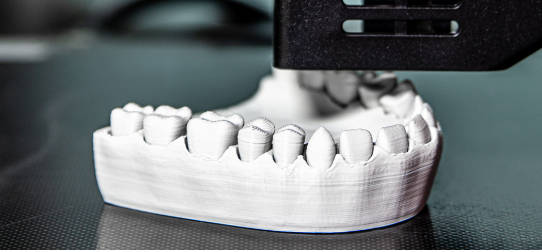
Why Integrate CAD/CAM with 3D Printing?
Key Benefits:
-
Precision & Fit — CAD/CAM milling delivers high-strength zirconia restorations (900-1200+ MPa) with 10-20 μm accuracy; 3D printing excels at complex geometries (surgical guides, orthodontic aligners, models) with sub-50 μm resolution.
-
Speed & Efficiency — Combined workflows reduce turnaround from days to hours/days; digital files transfer instantly between systems.
-
Cost Savings — Printing minimizes material waste (additive vs. subtractive); hybrid reduces need for multiple full milling runs.
-
Customization — Print temporary/provisional restorations or models; mill definitive high-load prosthetics.
-
Sustainability — Less waste, lower energy in some printing processes; aligns with EU environmental goals.
Hybrid adoption is rising: nearly 44% of European dental labs use 3D printing in some capacity, with integration growing for full digital chains.
Core Hybrid Workflow Steps
-
Digital Capture & Planning
-
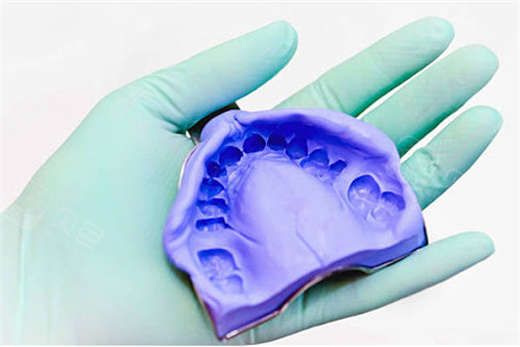
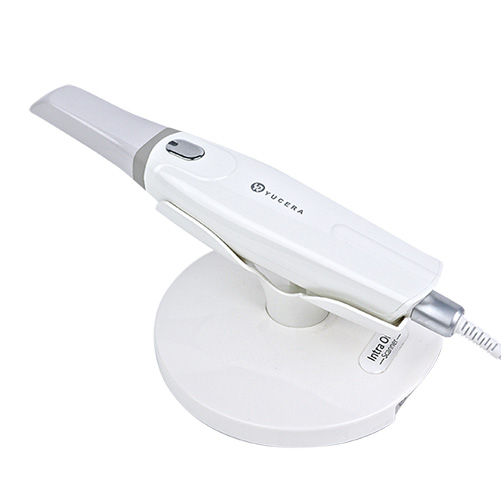
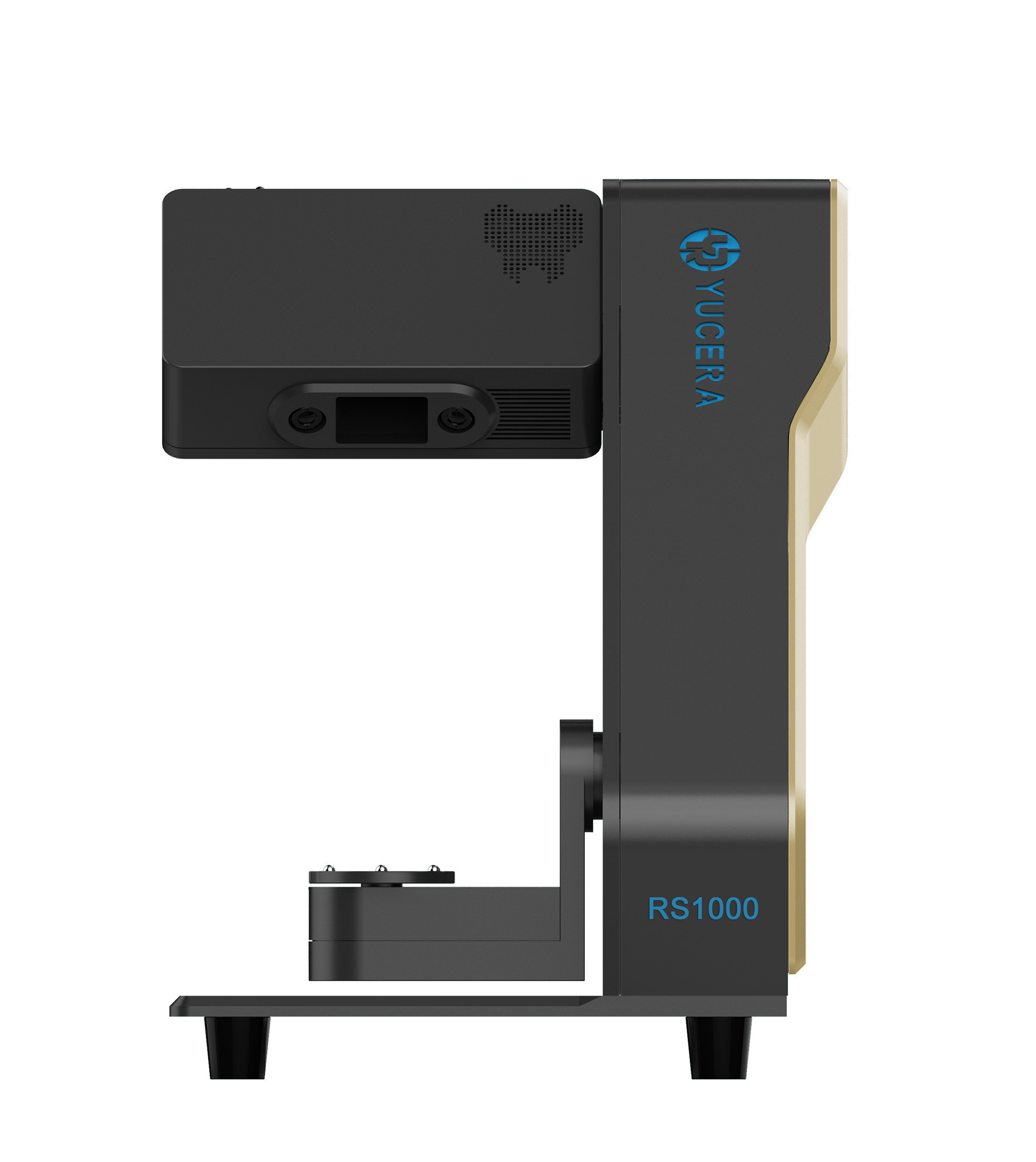
Intraoral or desktop scanning captures impressions (trueness <20-50 μm).
-
CAD software designs restorations, surgical guides, models, or temporaries.
-
AI-assisted tools optimize occlusion, margins, and emergence profiles.
-
Output Allocation
-
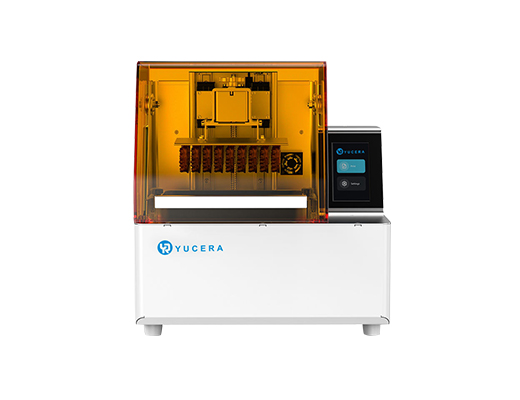
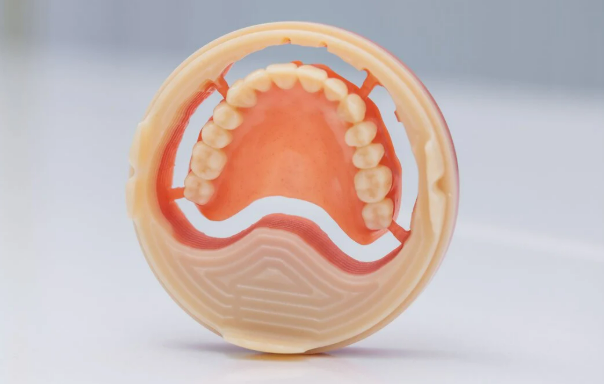
3D Printing — Surgical guides, diagnostic models, orthodontic appliances, temporary crowns/bridges, denture bases (resins with good biocompatibility).
-
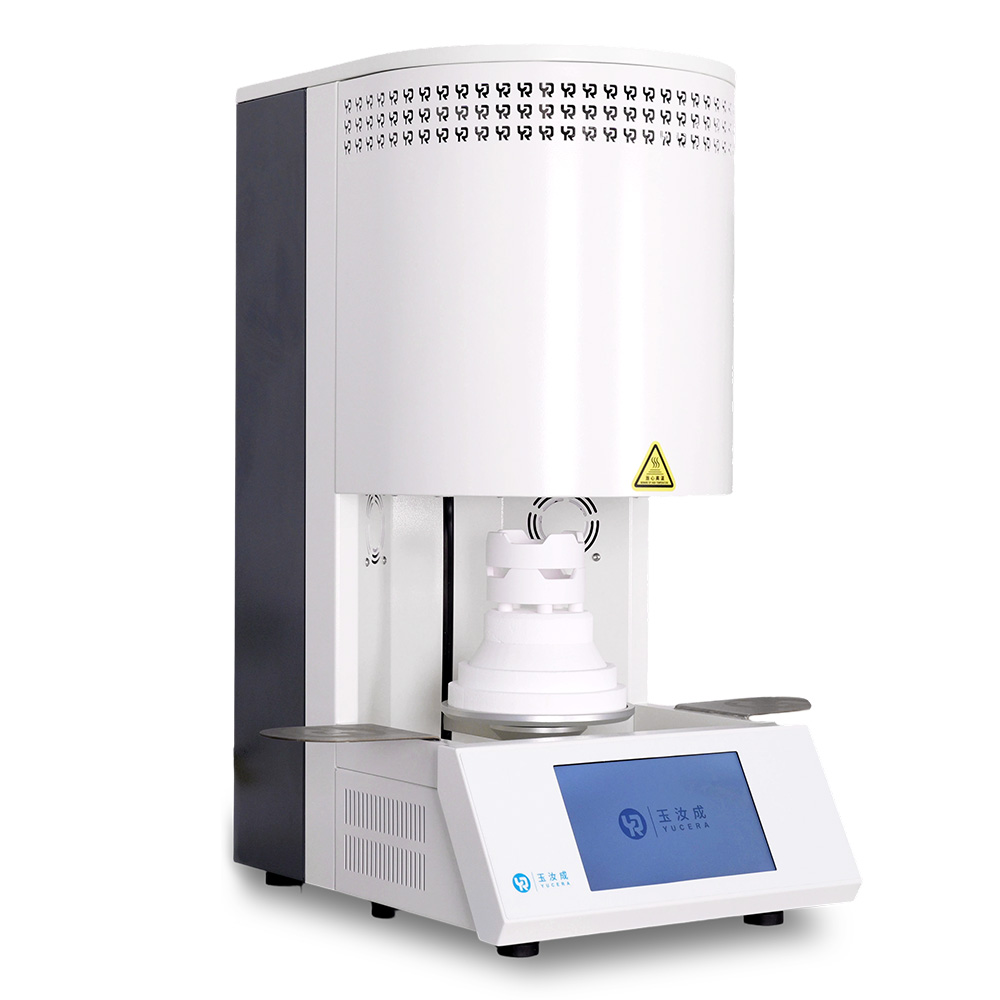
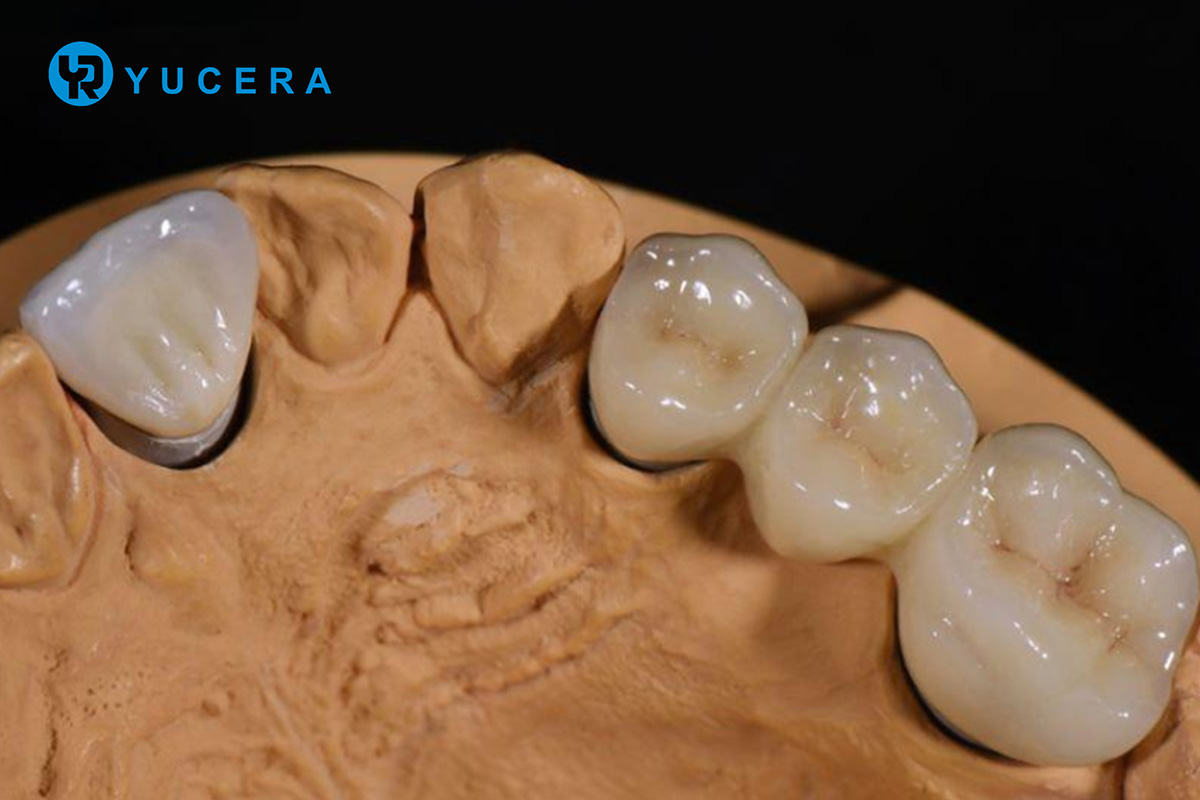
CAD/CAM Milling — Definitive zirconia/lithium disilicate crowns, bridges, implant abutments (high flexural strength).
-
Hybrid cases: Print try-in prototypes or provisionals → mill finals after validation.
-
Fabrication & Post-Processing
-
Print with vat polymerization (high resolution for details).
-
Mill with 5-axis dry/wet systems for precision zirconia.
-
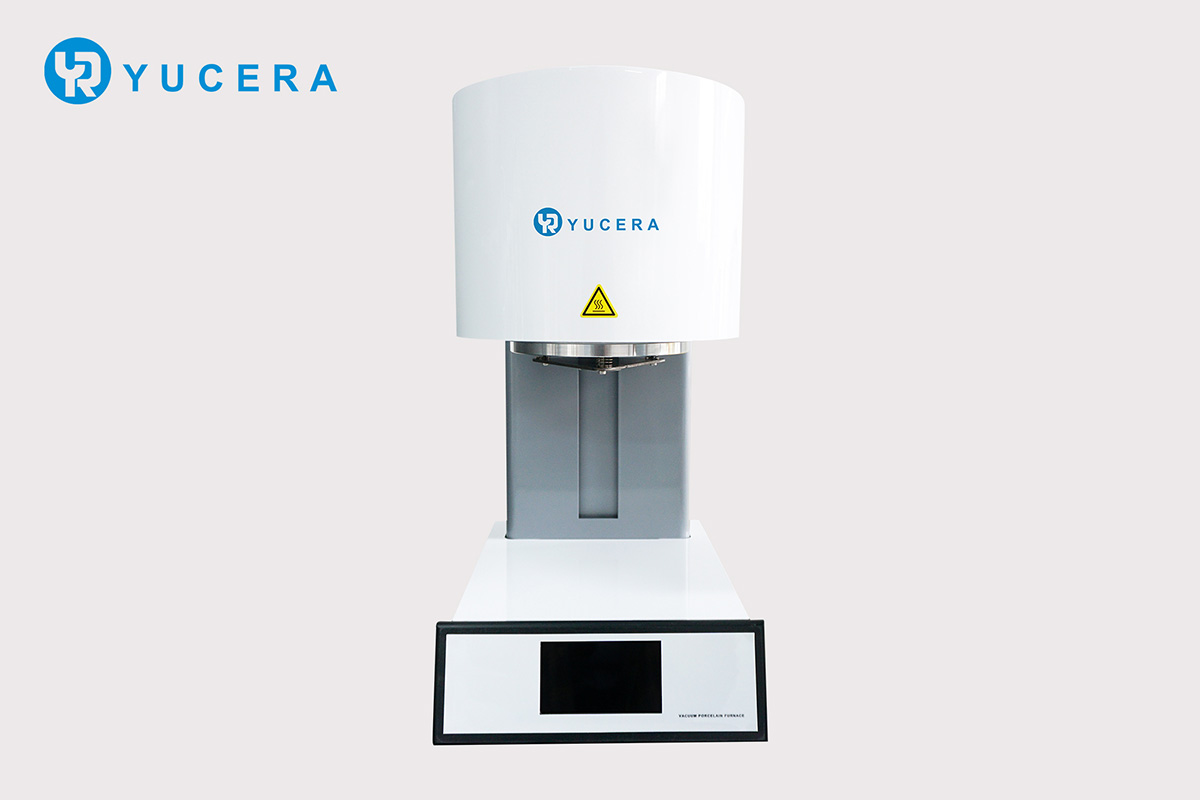
Post-process: cure prints, sinter zirconia (fast 40-90 min cycles), polish.
-
Verification & Delivery
-
Check fit on printed/milled models.
-
Adjust digitally if needed; finalize with staining/glazing.
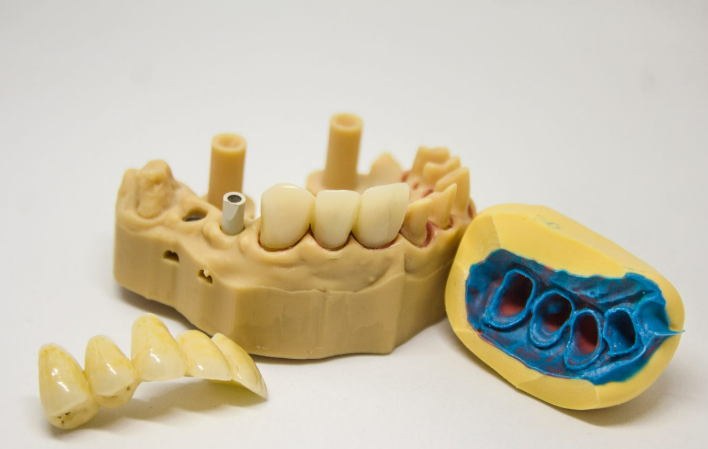
Common Hybrid Applications in Europe
-
Implantology — Print surgical guides (high accuracy for placement); mill zirconia abutments/crowns.
-
Prosthodontics — Print denture try-ins/bases; mill zirconia frameworks or full-contour restorations.
-
Orthodontics — Print aligner models or direct aligners; integrate with CAD design.
-
Temporaries — Print provisionals (fast, aesthetic resins); mill permanents.
-
Diagnostics — Print study models for planning; mill high-load finals.
Regional Adoption & Drivers in Europe 2026
-
Germany & UK — Mature markets with high lab density; strong hybrid use for precision implantology and esthetics.
-
France & Italy — Growing dental tourism → fast hybrid workflows for same/next-day delivery.
-
Scandinavia & Netherlands — Sustainability focus → low-waste printing + durable milling.
-
Drivers: EU MDR traceability (digital files), Green Deal (reduced waste), rising patient expectations for speed/esthetics.
Challenges & Solutions
-
Workflow Integration — Open systems needed for file compatibility. Solution: Use universal STL/PLY formats; cloud platforms for transfer.
-
Material Compatibility — Print resins vs. millable zirconia. Solution: Select hybrid-compatible materials; test small batches.
-
Training & Skills — Staff need dual expertise. Solution: Structured programs combining milling and printing modules.
-
Cost — Initial investment high. Solution: ROI from reduced remakes (20-50%), faster turnaround, and tourism revenue.
Future Outlook
By 2030, hybrid CAD/CAM + 3D printing workflows will dominate European labs, with printing expanding into permanent restorations (improved resins) and milling focusing on high-strength finals. AI-optimized design, cloud collaboration, and sustainable materials will accelerate adoption.
Conclusion
Integrating CAD/CAM milling with 3D printing transforms European dental labs in 2026—delivering precision, efficiency, customization, and sustainability. Labs in the UK, Germany, France, Italy, and beyond that adopt hybrid workflows gain competitive advantages: faster production, lower waste, better outcomes, and alignment with EU standards.
Invest in open systems, training, and material testing to unlock the full potential of digital dentistry across Europe.




 中 文
中 文