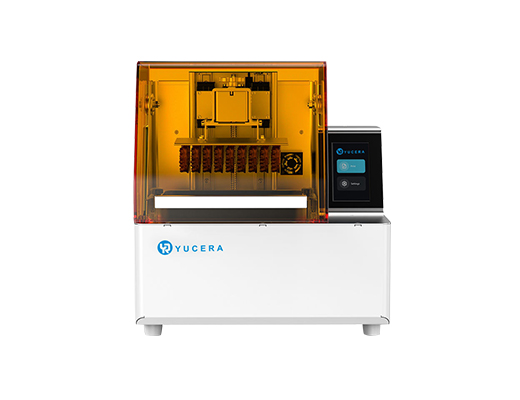
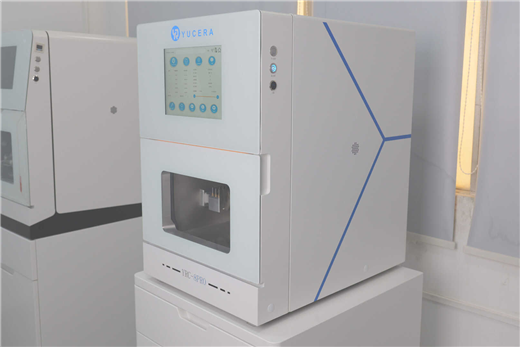
UK dental laboratories in 2026 operate in a highly regulated yet digitally mature environment. The combination of CAD/CAM milling (primarily zirconia, lithium disilicate and metals) with 3D printing (resins for models, surgical guides, temporaries, aligners and emerging permanent applications) creates powerful hybrid workflows that improve precision, reduce turnaround time, lower material waste and meet UKCA / EU MDR requirements.
The UK dental CAD/CAM market continues steady growth (CAGR ~5–6% in recent forecasts), while dental 3D printing adoption accelerates (regional CAGR 20–26% 2025–2030 in broader Europe). Hybrid integration allows labs to leverage milling’s strength and durability with printing’s complexity and low-waste additive production—critical for implantology, prosthodontics and orthodontics.
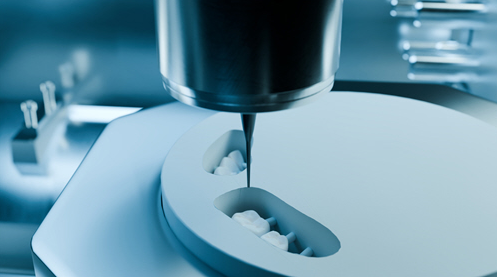
Why Integrate CAD/CAM Milling with 3D Printing in the UK?
Key Benefits:
-
Precision & fit: CAD/CAM milling achieves 10–20 μm accuracy for definitive zirconia; 3D printing delivers sub-50 μm resolution for complex guides and models.
-
Speed & efficiency: Digital file transfer is instant; hybrid reduces full outsourcing delays.
-
Cost savings: Printing minimises waste (additive vs subtractive); combined workflow lowers need for multiple milling runs.
-
Customisation: Print patient-specific guides and temporaries; mill high-load zirconia finals.
-
Compliance & sustainability: Digital traceability supports UKCA/MDR; reduced material use aligns with UK net-zero goals.
Core Hybrid Workflow Steps
-
Digital Capture & Planning
-
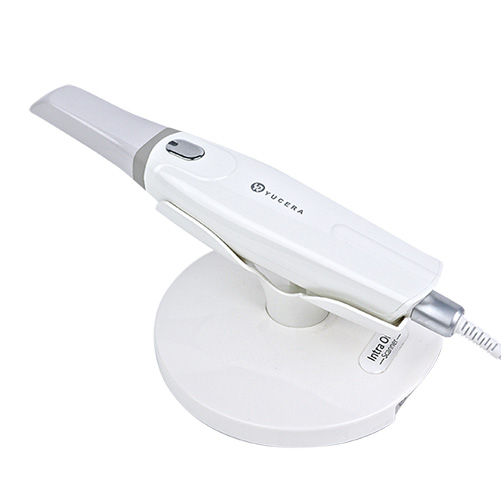
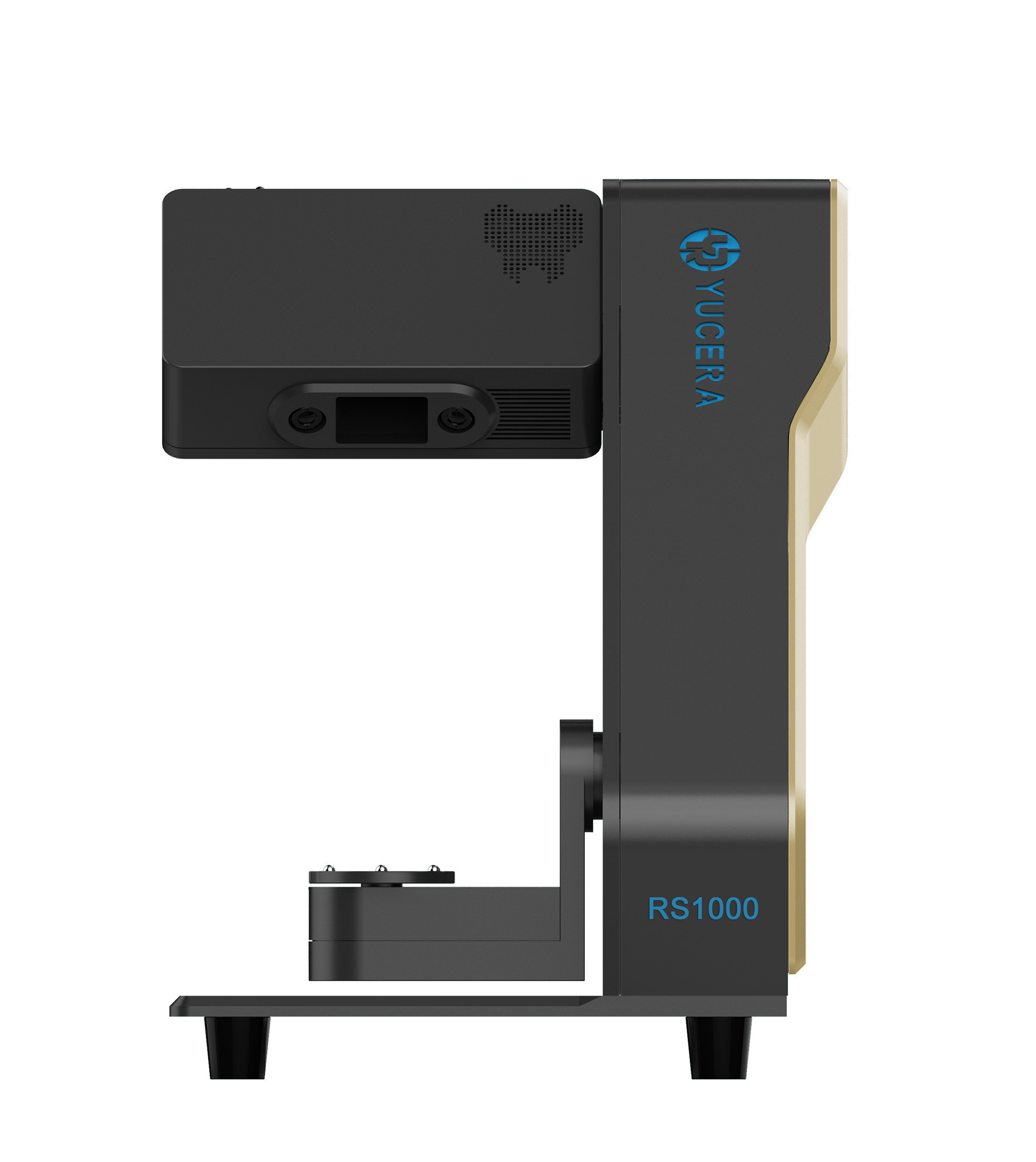
Use intraoral or desktop scanning to capture impressions (trueness <20–50 μm).
-
Import CBCT (for bone) and optical scans into planning software.
-
Design restorations, surgical guides, models, temporaries or aligners in CAD.
-
Use AI-assisted tools for margin detection, occlusion optimisation and emergence profiles.
-
Output Allocation – Print vs Mill
-
3D Printing (vat polymerisation – high resolution)
-
Surgical/implant guides
-
Diagnostic/study models
-
Temporary crowns/bridges (biocompatible resins)
-
Orthodontic aligners and trays
-
Denture try-ins and bases
-
CAD/CAM Milling (5-axis dry/wet)
-
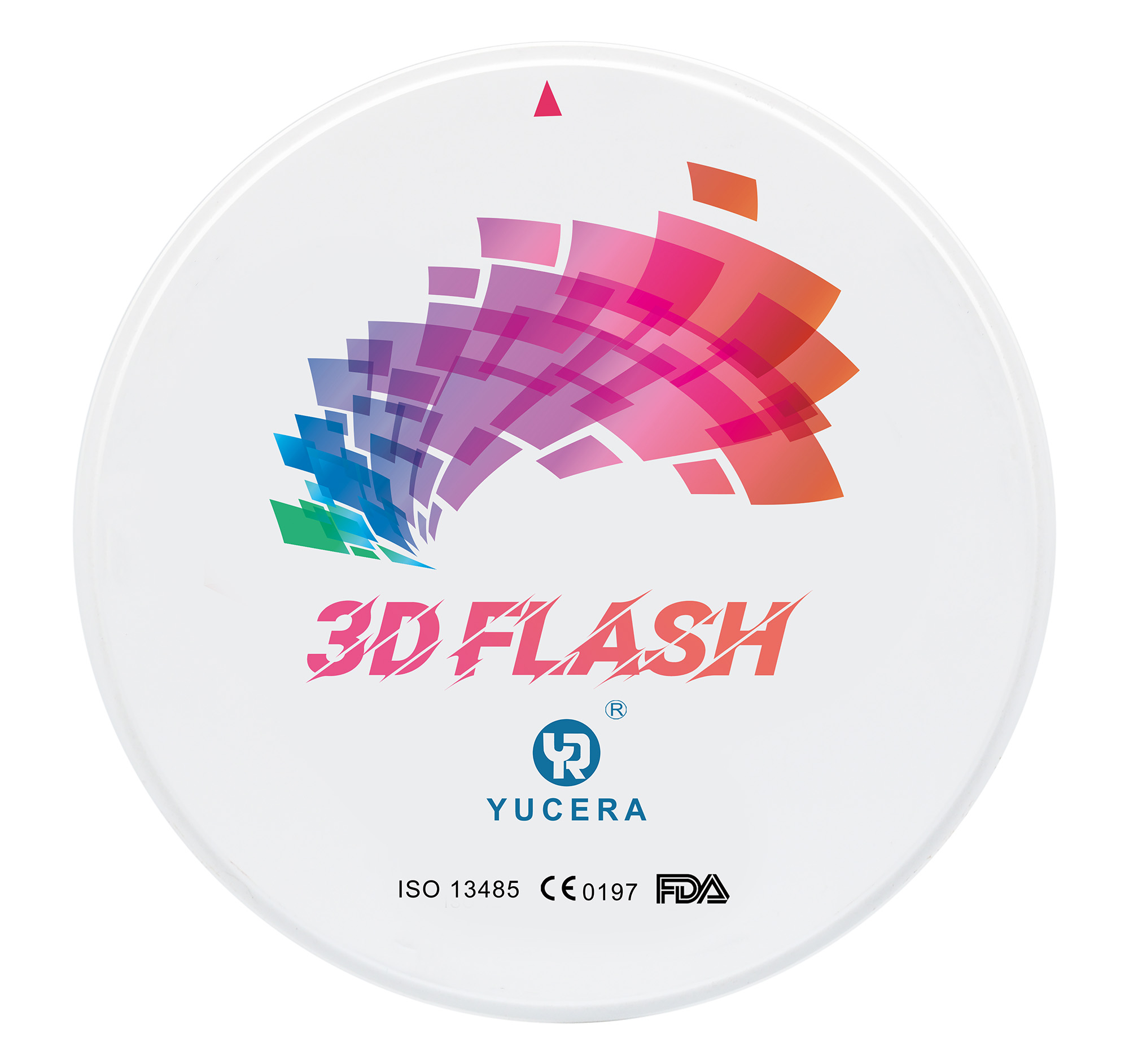
Definitive zirconia/lithium disilicate crowns, bridges, abutments
-
High-strength monolithic or framework restorations
Typical hybrid case: Print surgical guide → place implants → scan post-op → mill zirconia crown/abutment.
-
Fabrication & Post-Processing
-
Print: Layer height 25–100 μm; post-cure and clean.
-
Mill: Dry zirconia processing; 40,000–60,000 RPM spindle; automatic tool changer.
-
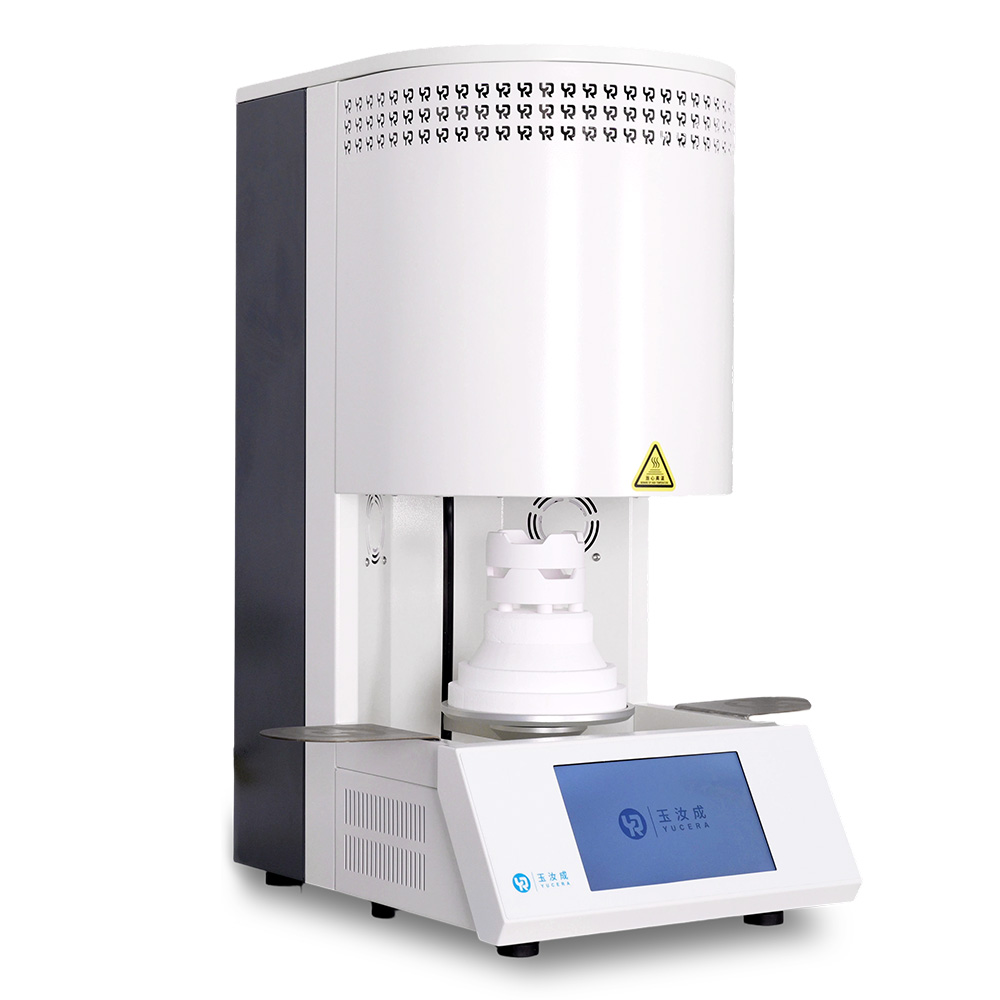
Sinter zirconia: Fast cycles (40–90 min) with precise control (±2°C).
-
Polish and glaze milled finals; sterilise printed guides.
-
Verification & Delivery
-
Verify fit on printed or milled models.
-
Adjust digitally if required; finalise with staining/glazing.
-
Document workflow for UKCA/MDR traceability (file versions, material certificates, batch logs).
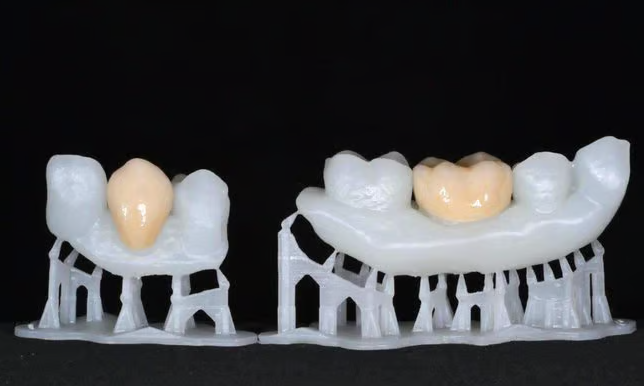
Common Hybrid Applications in UK Labs
-
Implantology — Print accurate surgical guides; mill zirconia abutments/crowns.
-
Prosthodontics — Print denture try-ins/bases; mill zirconia frameworks or full-contour.
-
Orthodontics — Print aligner models or direct aligners; integrate with CAD design.
-
Temporaries — Print fast provisionals; mill definitive high-load restorations.
-
Diagnostics — Print study models for planning; mill precision finals.
UK-Specific Considerations 2026
-
Regulatory Compliance — All devices must meet UKCA marking (or CE under transitional recognition). Maintain traceability records (design files, print/milling parameters, material certificates) for MHRA audits.
-
Sustainability — Align with UK net-zero goals: printing reduces waste; fast sintering lowers energy per unit (50–70% savings vs traditional).
-
Dental Tourism & NHS — Hybrid enables faster turnaround for private/tourism patients; NHS-funded labs benefit from cost-effective in-house production.
-
Training — Short modular programs (2–4 weeks) covering both technologies; visual SOPs and multilingual resources (English primary).
Challenges & Solutions
-
File Compatibility — Use open STL/PLY formats and universal software.
-
Material Selection — Choose biocompatible print resins and milling-compatible zirconia.
-
Cost — Lease entry-level printers/mills; start with guide/model printing + zirconia milling.
-
Skills — Cross-train technicians on both additive and subtractive processes.
Conclusion
Integrating CAD/CAM milling with 3D printing transforms UK dental labs in 2026. Labs that master hybrid workflows—printing surgical guides, models and temporaries while milling high-strength zirconia finals—achieve superior precision, faster delivery, lower waste and full UKCA/MDR compliance.
Start with open systems, structured training, and small-scale hybrid cases. UK labs that implement these strategies gain competitive advantages in efficiency, cost control, sustainability and patient outcomes across private, NHS and tourism sectors.




 中 文
中 文