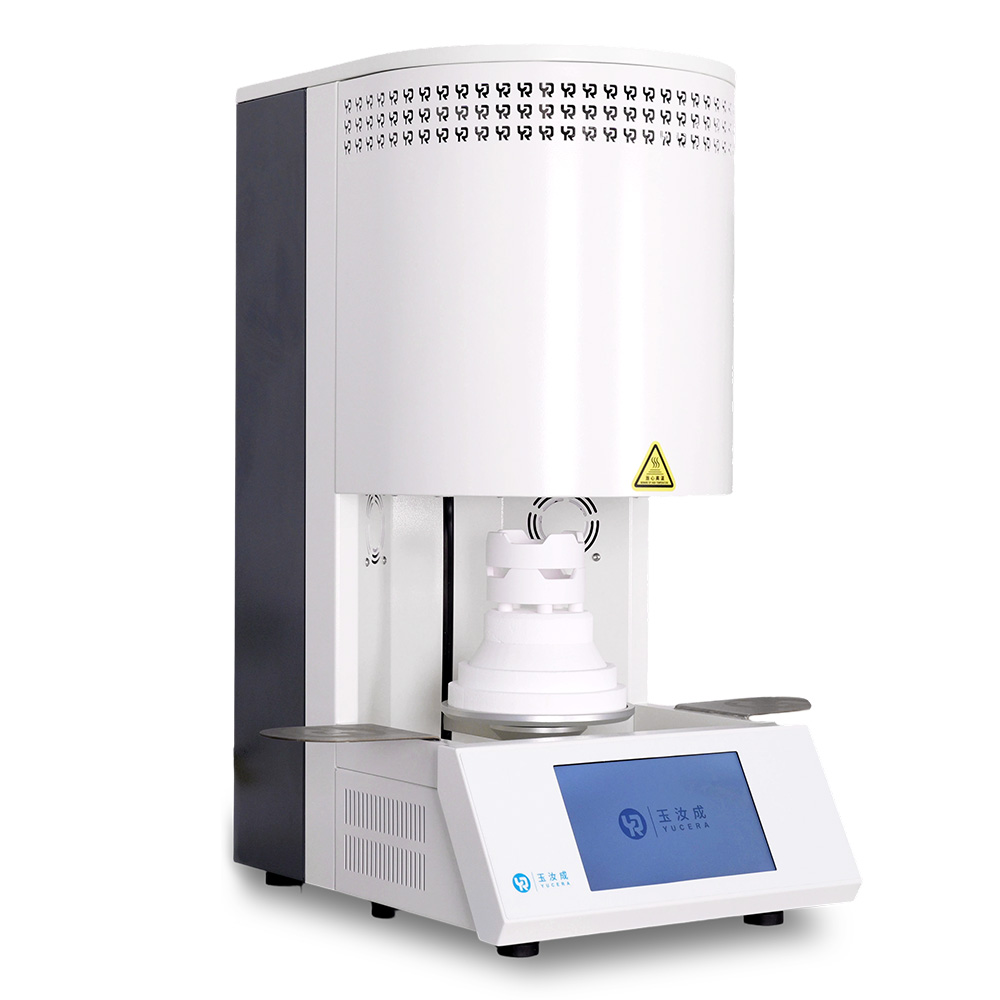
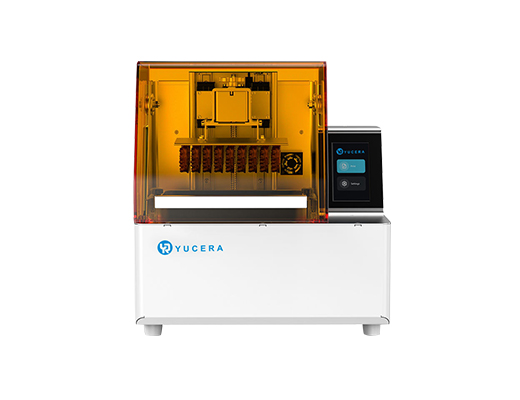
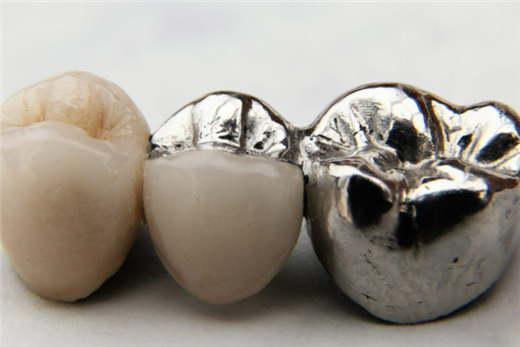
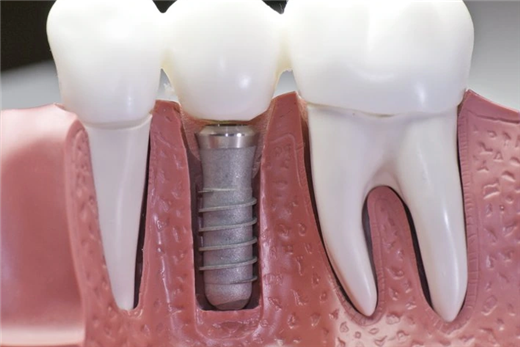
CAD/CAM systems—encompassing intraoral/desktop scanners, design software, milling machines, and sintering furnaces—are now standard in dental practices and labs across the United States and Europe. In 2026, over 65% of US practices and 50-70% of European clinics use digital workflows for zirconia restorations, implants, and same-day prosthetics. Effective staff training is critical to achieve 10-20 μm precision, reduce remakes by 30-50%, ensure regulatory compliance, and maximize ROI.
Training must be tailored to regional requirements: HIPAA and high-volume efficiency in the US; EU MDR traceability, multilingual support, and sustainability focus in Europe (UK, Germany, France, Italy, Spain, etc.). This guide provides market-specific best practices for training dental assistants, hygienists, and technicians on scanning, design, milling, and sintering.
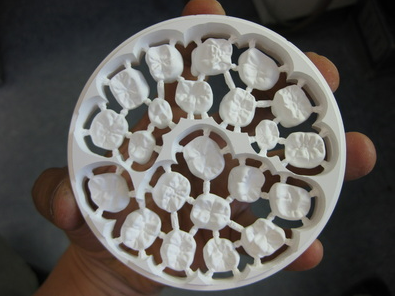
Core Training Framework (Applies to Both Markets)
-
Assess Baseline Skills & Define Goals Evaluate current knowledge (analog vs. digital experience).
Set measurable targets: e.g., 95% first-pass success on zirconia crowns within 3 months, remake rate <5-10%.
-
Foundational Knowledge Cover CAD/CAM workflow: scan → design → mill → sinter.
Review dental anatomy, occlusion, margin placement, zirconia types (3Y high-strength, 4Y/5Y high-translucency, multilayer).
Include safety: dust extraction, ergonomics, infection control.
-
Hands-On Equipment Training
-
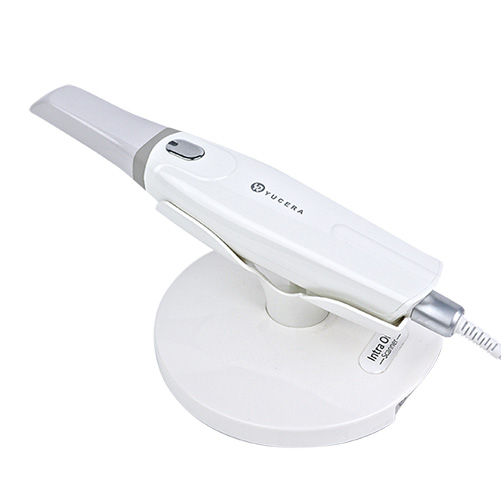
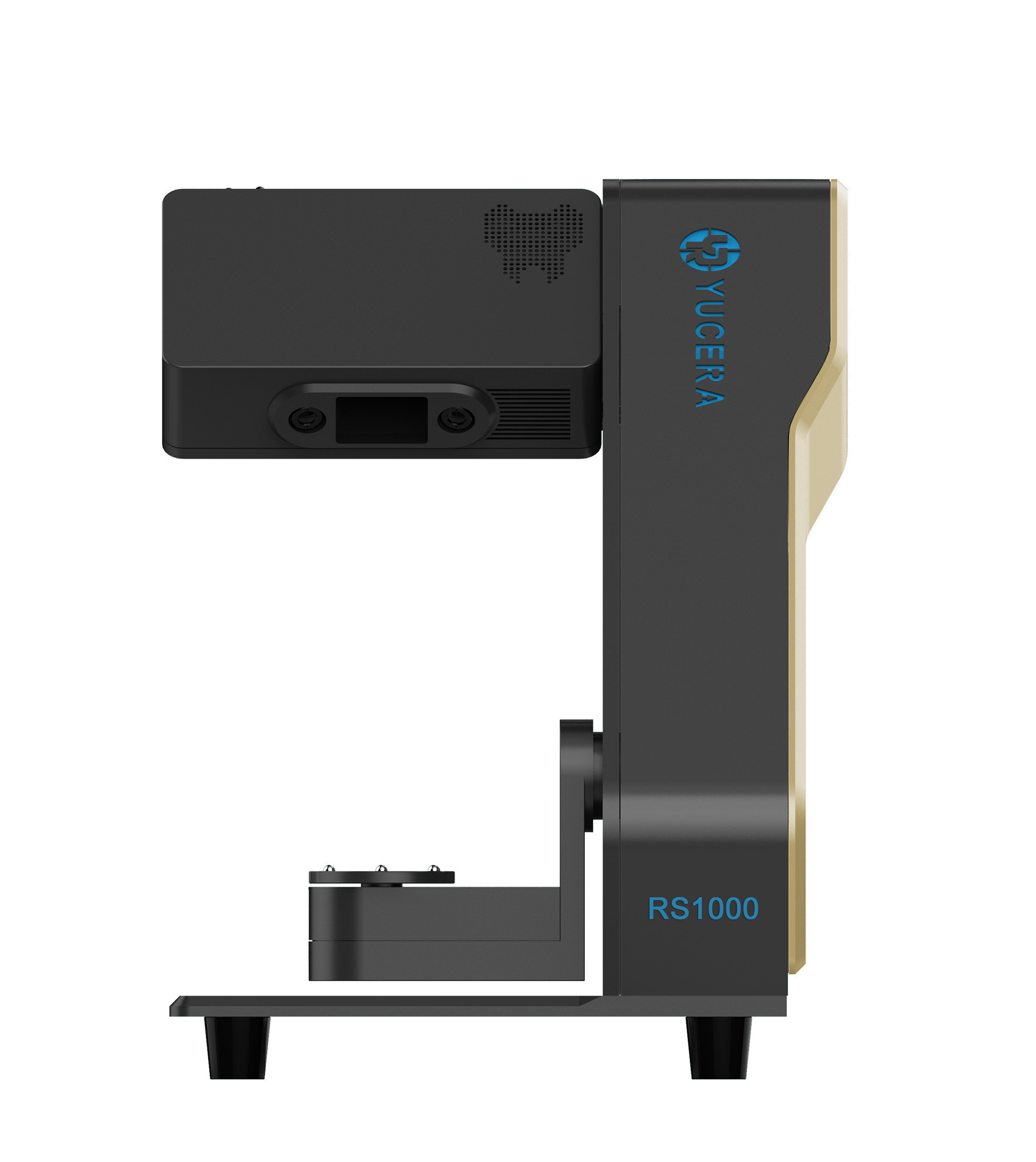
Scanning: Model/intraoral technique, artifact avoidance.
-
CAD Design: Margin detection, cement gaps (30-60 μm), occlusion adjustment.
-
Milling: Nesting (shrinkage input 20-25%), tool strategy.
-
Sintering: Fast-cycle programs (40-90 min), loading, cooling.
-
Progressive Practice & Feedback Start with dummy cases → supervised real cases → independent operation.
Aim for competency after 20-50 cases per module.
-
Ongoing Education Monthly refreshers for updates; annual recertification; track remake rates.
US Market-Specific Guidelines (North America Focus)
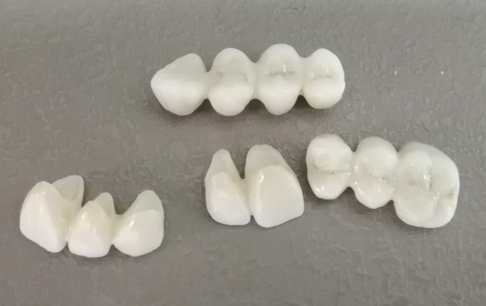
Regulatory & Cultural Context
-
HIPAA compliance: Secure patient data in digital files; train on privacy protocols.
-
High-volume private practices & DSOs emphasize speed and same-day restorations.
Training Priorities:
-
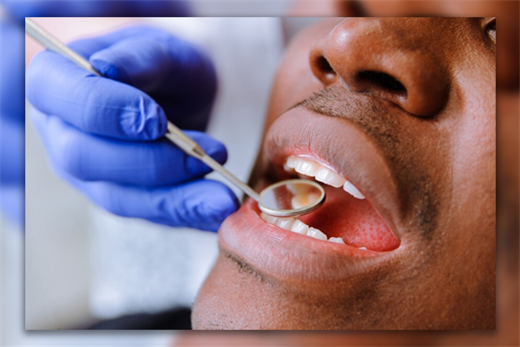
Chairside efficiency: Focus on intraoral scanning (60-120 sec full-arch) and same-day zirconia milling.
-
Insurance-driven workflows: Train on documentation for reimbursement (digital impressions often covered at parity).
-
High patient throughput: Emphasize rapid scanning/design to increase daily cases (10-30% potential gain).
-
Software-heavy: Deep training on CAD tools for occlusion and esthetic customization.
Recommended Structure:
-
2-3 day intensive bootcamp + 6-8 weeks supervised practice.
-
Use high-case-volume simulation (mock insurance cases).
-
Leverage online US-based CE courses and manufacturer webinars.
ROI Focus: Staff trained to reduce chair time and remakes see payback in 6-12 months through increased production.
Europe Market-Specific Guidelines (EU/UK Focus)
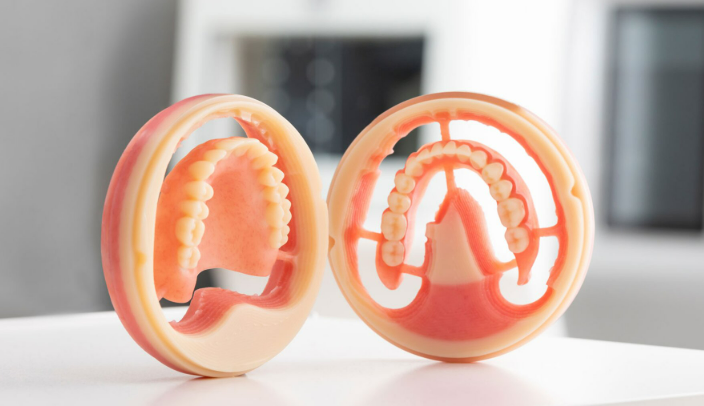
Regulatory & Cultural Context
-
EU MDR (2017/745) fully enforced: Require traceability, UDI, clinical evidence, and documented training logs.
-
Multilingual staff and patients in many countries → training in local languages or with subtitles.
-
Sustainability & tourism: Emphasis on low-waste digital workflows and fast delivery.
Training Priorities:
-
Compliance first: Train on logging scans, designs, and parameters for MDR audits.
-
Multilingual & standardized: Use translated modules; create visual SOPs.
-
Hybrid workflows: Integrate CAD/CAM milling with 3D printing (models, guides, temporaries).
-
Esthetics & tourism: Focus on multilayer zirconia nesting and translucency optimization.
Recommended Structure:
-
Modular training (scanning → design → milling → sintering) with EU MDR compliance module.
-
Documented training records for notified body audits.
-
Partner with local dental associations or EU-funded programs for subsidized training.
Regional Notes:
-
Germany/UK: Precision-focused; deep calibration and verification training.
-
France/Italy: Tourism-driven; emphasize speed and esthetic multilayer workflows.
Measuring Training Success
-
Metrics: Remake rates (<5-10%), scan/design times, restoration fit acceptance, patient satisfaction.
-
US: Track case volume increase and insurance reimbursements.
-
Europe: Monitor MDR audit readiness and traceability documentation.
-
Continuous Improvement: Annual skill assessments; staff feedback loops.
Conclusion
Training dental staff on CAD/CAM equipment in 2026 requires market-specific tailoring: US focuses on high-volume efficiency and HIPAA compliance; Europe emphasizes MDR traceability, multilingual support, and hybrid digital workflows. Structured programs combining theory, hands-on practice, and ongoing education enable clinics and labs to achieve consistent 10-20 μm precision, reduce remakes by 30-50%, and deliver superior zirconia restorations.
In both regions, well-trained teams transform CAD/CAM from a cost center into a profitability driver—enhancing patient outcomes, operational efficiency, and competitive positioning in North America and Europe.




 中 文
中 文