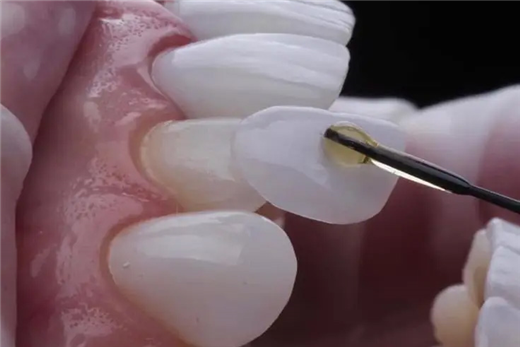
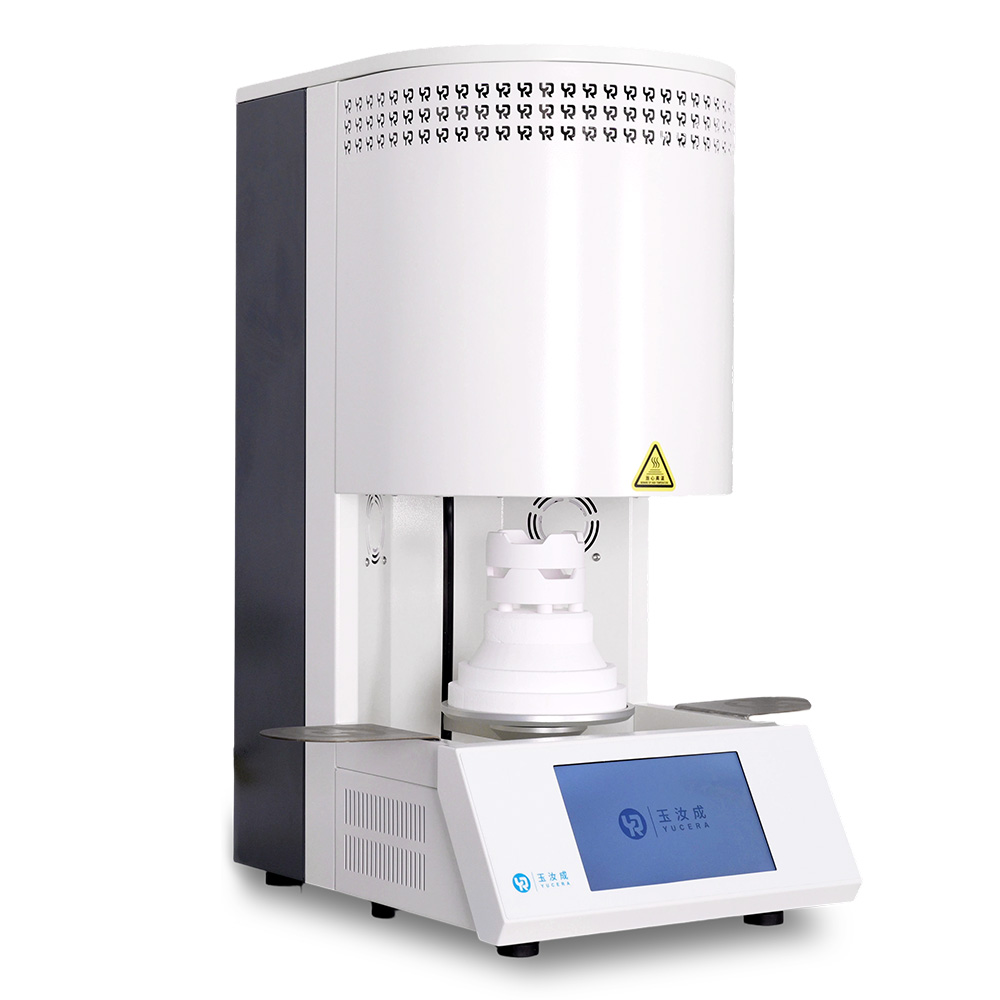
Q2 2026 marks a pivotal acceleration in UK dental CAD/CAM adoption. Intraoral scanners now exceed 65% penetration in private practices, while 3D printing integration surges for surgical guides, diagnostic models, temporaries, aligners and emerging permanent applications. Hybrid workflows—combining intraoral scanning, CAD design, 3D printing and zirconia milling—deliver faster turnaround, higher precision and reduced waste, aligning with UKCA marking, MHRA oversight and net-zero sustainability goals.
The UK dental CAD/CAM market continues steady expansion (CAGR ~5–6% in recent multi-year forecasts), while dental 3D printing grows faster (regional European CAGR 20–26% 2025–2030). Private practices and larger labs lead adoption; NHS-funded sites increasingly trial digital solutions for efficiency.
1. Intraoral Scanner Adoption & Clinical Impact (Q2 2026 Snapshot)
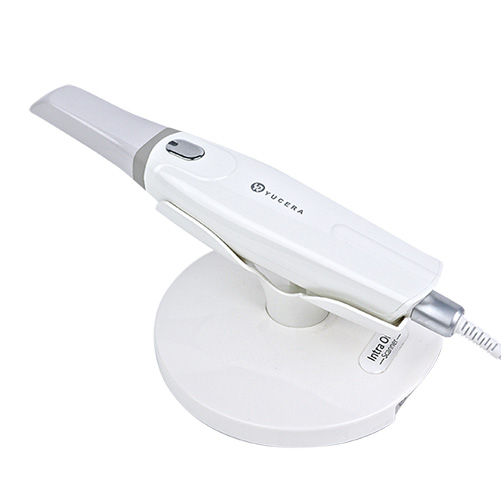
Intraoral scanners dominate chairside impressions in the UK private sector.
-
Penetration: >65% in private practices; rising in NHS specialist centres.
-
Scan time: Full-arch in 60–120 seconds (real-world average ~90 seconds).
-
Accuracy: Trueness 14–50 μm (dentate arches); clinically acceptable for most zirconia single units and short bridges.
-
Patient preference: 50–70% favour digital over conventional (no gagging, taste or mess).
Q2 Drivers
-
Same-day zirconia restorations in high-volume private clinics.
-
Improved powder-free systems with AI artefact removal.
-
Reimbursement parity: Most private insurers cover digital impressions at conventional rates.
Clinical Benefits
-
Reduced retakes (20–50% lower vs conventional).
-
Instant file transfer to labs → same/next-day zirconia delivery.
-
Higher case acceptance through on-screen visualisations.
2. 3D Printing Integration: Fastest-Growing Segment
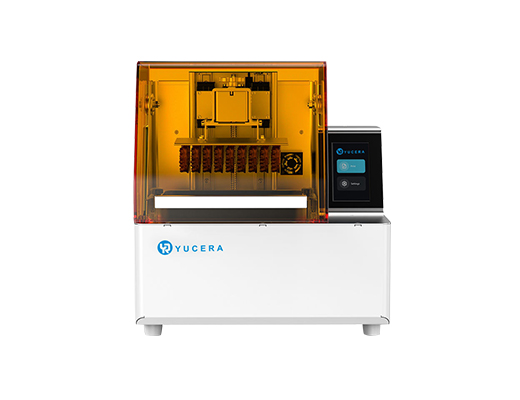
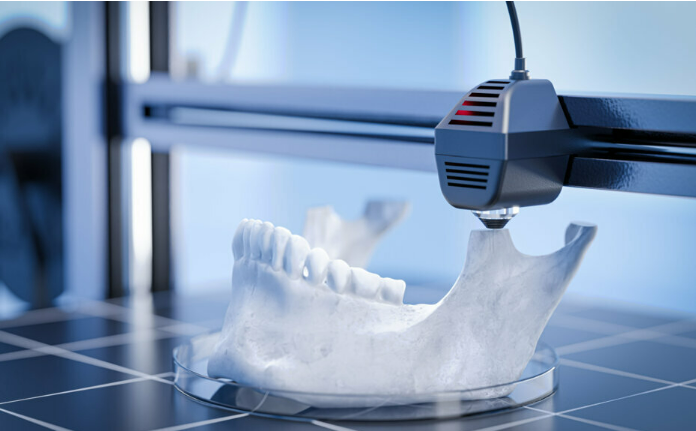
3D printing adoption in UK labs jumps in Q2 2026, driven by vat polymerisation for high-resolution output.
Popular Applications
-
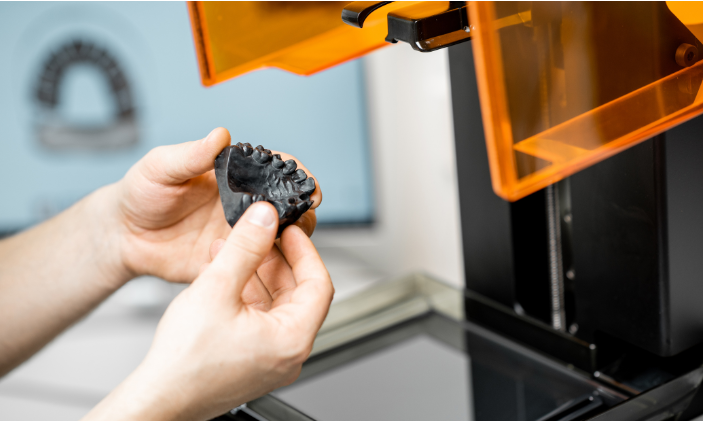
Surgical/implant guides (sub-50 μm accuracy for precise placement).
-
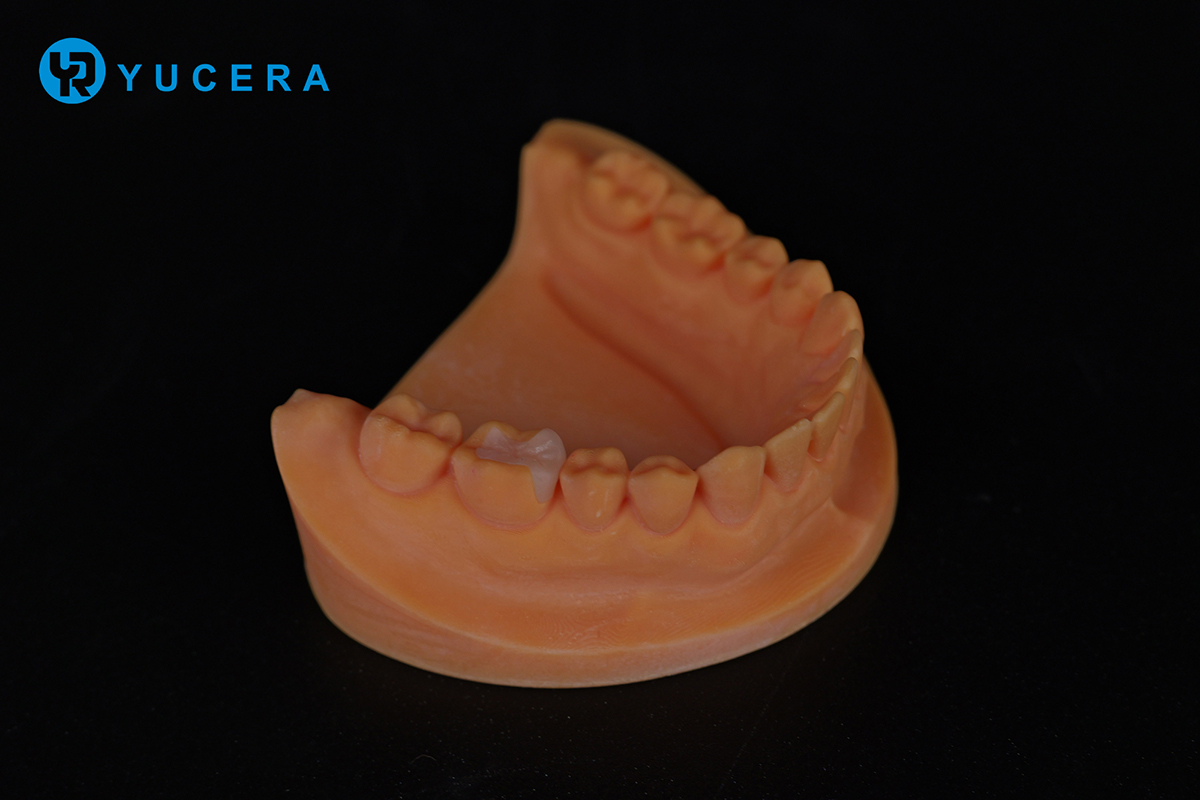
Diagnostic/study models (cost-effective, low-waste).
-
Temporary crowns/bridges (biocompatible resins).
-
Orthodontic aligner models and trays.
-
Denture try-ins and bases.
Hybrid Workflow Example
-
Intraoral scan + CBCT → CAD planning.
-
Print surgical guide → implant placement.
-
Post-op intraoral scan → design zirconia crown/abutment.
-
Mill definitive zirconia; print provisional if needed.
Q2 Growth Factors
-
Affordable desktop printers accessible to small/medium labs.
-
Open STL/PLY compatibility between scanners, CAD software and printers.
-
Reduced material waste (additive vs subtractive) aligns with UK net-zero targets.
3. Cost & ROI Highlights
Intraoral Scanners
-
Upfront: £15,000–£50,000+.
-
Ongoing: £2,000–£3,000/year (subscriptions, tips).
-
Savings: Eliminate impression materials (£15–£40/case) and retakes.
-
ROI: 6–18 months in moderate-volume private practices (increased case acceptance + throughput).
3D Printing Integration
-
Printer cost: £3,000–£15,000 (desktop models).
-
Per-unit cost: £1–£5 (resin + energy) vs £20–£50 conventional models.
-
ROI: 6–12 months via reduced outsourcing and faster turnaround.
Combined Hybrid ROI
-
Labs report 20–40% reduction in overall case cost.
-
Faster delivery attracts private/tourism patients (premium pricing possible).
4. Regulatory & Sustainability Alignment (UKCA/MDR)
-
All devices must carry UKCA marking (or recognised CE under transition).
-
Traceability: Document scan files, print parameters, material certificates and batch logs.
-
Sustainability: Printing cuts physical waste; fast digital workflows lower energy per case.
5. Q2 2026 Outlook & Regional Notes
-
Private sector (London, Manchester, Birmingham): Intraoral + 3D printing hybrid dominates for same-day esthetics.
-
NHS specialist centres: Gradual adoption for implant planning and models.
-
Labs in Scotland & Northern Ireland: Focus on cost-effective desktop printing + zirconia milling.
Future Signals
-
Increased NHS digital pilots.
-
Wider use of multilayer zirconia with printed provisionals.
-
AI-enhanced design and cloud collaboration.
Conclusion
Q2 2026 positions intraoral scanners and 3D printing integration as core drivers of UK CAD/CAM evolution. Practices and labs that combine fast chairside scanning with printed guides/models and milled zirconia restorations achieve superior precision, reduced chair time, lower waste and strong ROI—while fully complying with UKCA/MDR standards.
UK dental professionals who optimise these hybrid workflows gain competitive advantages in efficiency, patient satisfaction and profitability across private, NHS and specialist sectors.




 中 文
中 文