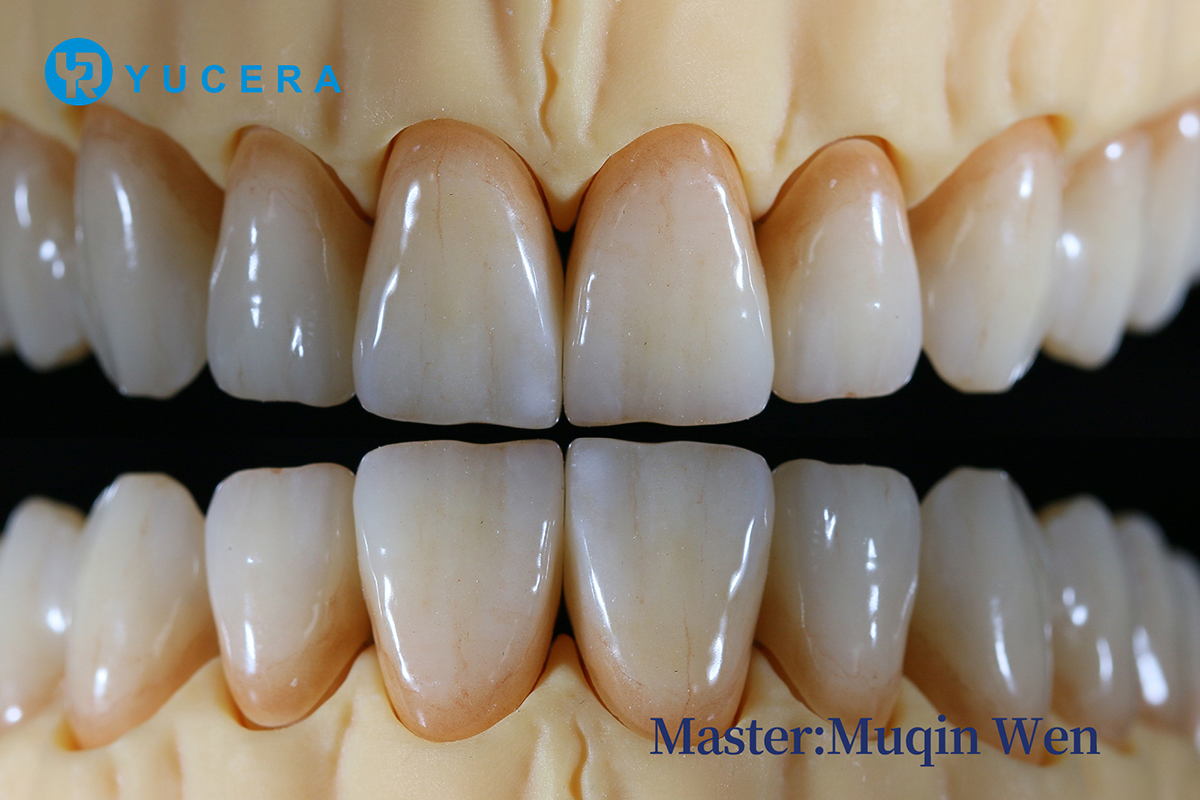
Zirconia remains the leading CAD/CAM restorative material in the US and Europe in 2026, valued for its high flexural strength, biocompatibility, and evolving esthetics. North America and Europe together account for a significant portion of global zirconia-based dental materials demand (North America ~24-37% regional share, Europe ~31% in disc markets), driven by widespread CAD/CAM adoption (>60-65% in many practices) and demand for durable, natural-looking restorations.
Material selection balances posterior durability (high-strength 3Y-TZP) with anterior esthetics (high-translucency 4Y/5Y or multilayer). This guide compares types, market preferences, clinical indications, and cost-benefit analysis to help clinics and labs optimize choices.
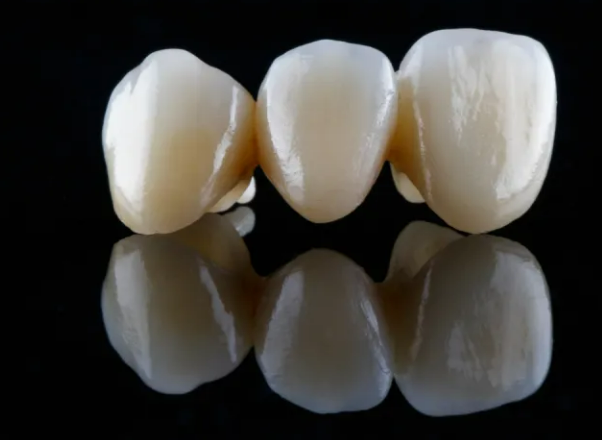
Zirconia Types & Key Properties
-
High-Strength Zirconia (3Y-TZP – ~3 mol% Yttria)
-
Flexural strength: 900–1200+ MPa.
-
Translucency: Lower (TP 4–10 at 1 mm).
-
Advantages: Exceptional fracture resistance; ideal for load-bearing.
-
Limitations: More opaque; often requires veneering or staining.
-
Balanced Translucency Zirconia (4Y-PSZ – ~4 mol% Yttria)
-
Flexural strength: 600–1050 MPa.
-
Translucency: Improved (TP 9–20).
-
Advantages: Good strength-esthetics compromise.
-
High-Translucency Zirconia (5Y-PSZ – ~5 mol% Yttria)
-
Flexural strength: 500–800 MPa.
-
Translucency: Highest (TP 15–29; closer to enamel ~16–19).
-
Advantages: Superior lifelike appearance.
-
Multilayer/Gradient Zirconia
-
Strength: Gradient (often 800–1200 MPa overall).
-
Translucency/Color: Built-in gradient (opaque cervical to translucent incisal).
-
Advantages: Monolithic esthetics without veneering.
Market Preferences: US vs. Europe 2026
United States (North America)
-
High-strength 3Y-TZP dominates posterior restorations (~43% share in some material-grade analyses), favored for durability in high-occlusal-load cases (molars, bruxers).
-
Full-contour monolithic zirconia preferred for back teeth (98% of dentists in surveys).
-
High-translucency/multilayer gaining traction for anterior (~41% of disc demand in some reports), driven by esthetic expectations and digital workflows.
-
Overall: Strength prioritized; multilayer adoption rising for efficiency.
Europe (UK, Germany, France, Italy, etc.)
-
Strong preference for high-translucency and multilayer formulations to meet esthetic demands and mimic natural teeth.
-
4Y/5Y and gradient multilayer widely used for anterior/posterior crowns.
-
High-translucency blocks show robust growth; multilayer favored in tourism-heavy markets (Italy, Spain) for natural gradients and fast monolithic production.
-
Overall: Esthetics and versatility prioritized alongside strength.
Regional drivers: US emphasizes insurance-covered posterior durability; Europe focuses on esthetics, tourism, and EU sustainability/MDR standards.
Cost-Benefit Analysis
Upfront Material Costs
-
High-strength 3Y: Lower per unit (common, widely produced).
-
High-translucency 4Y/5Y & multilayer: 20-40% higher due to advanced formulations and layering.
-
Multilayer often offsets cost by eliminating veneering labor/steps.
Long-Term Value
-
Strength & Longevity — 3Y shows >95% survival at 10+ years in posterior; multilayer/5Y emerging with strong early data (comparable in many studies).
-
Esthetics & Remakes — Multilayer/5Y reduces staining/veneering time (saves 30-60 min/case) and remake risk from chipping.
-
Efficiency — Multilayer enables monolithic production → faster turnaround (same/next-day possible with fast sintering).
-
Patient Satisfaction — Higher translucency improves acceptance; US/Europe patients pay premiums for natural appearance.
-
ROI — Multilayer payback in moderate-volume clinics within 6-12 months via reduced labor/remakes; 3Y offers lowest material cost for high-load volume.
Breakdown Example (per crown):
-
3Y: Lower material cost + potential veneering labor.
-
Multilayer: Higher material + no veneering → net savings in time/cost for esthetic cases.
Selection Guide by Indication
-
Posterior Crowns/Bridges (high load) — 3Y high-strength (US preference).
-
Anterior Crowns/Veneers — 4Y/5Y or multilayer (Europe preference).
-
Implant Abutments — 3Y/4Y for strength.
-
Monolithic/Full-Arch — Multilayer gradient (efficiency + esthetics).
-
Bruxers/Heavy Occlusion — 3Y or reinforced 4Y.
Conclusion
In 2026, US clinics favor high-strength 3Y zirconia for posterior durability and reliability, while European practices lean toward high-translucency 4Y/5Y and multilayer for superior esthetics and monolithic efficiency. Cost-benefit favors multilayer in esthetic/moderate-volume cases (time/labor savings) and 3Y in high-load volume (lowest material cost + longevity).
Clinics should match material to case demands, patient expectations, and workflow (chairside vs. lab-based) for optimal outcomes. Test small batches, monitor clinical performance, and align with regional preferences to maximize CAD/CAM success in North America and Europe.




 中 文
中 文