



 中 文
中 文
High Translucency vs Standard Zirconia Blocks: Adaptation Recommendations for Dental CAD/CAM Restoration Scenarios
2026-02-01
2026-02-19
Zirconia remains the dominant CAD/CAM restorative material in South America in 2026, particularly in Brazil—the region's largest dental market—alongside Argentina, Chile, Colombia, and Peru. Brazil's restorative and endodontic dentistry market was valued at approximately USD 763 million in 2023 and is projected to reach USD 1.49 billion by 2032 at a CAGR of 7.7%, with zirconia driving much of the growth due to rising aesthetic demand, dental tourism, and digital adoption.
South American preferences balance cost sensitivity with esthetic expectations. High-strength 3Y-TZP is widely used for posterior durability, while multilayer and high-translucency 4Y/5Y formulations gain traction for anterior and monolithic cases. This guide compares types, regional preferences, clinical indications, and cost-benefit analysis to help clinics and labs optimize choices.
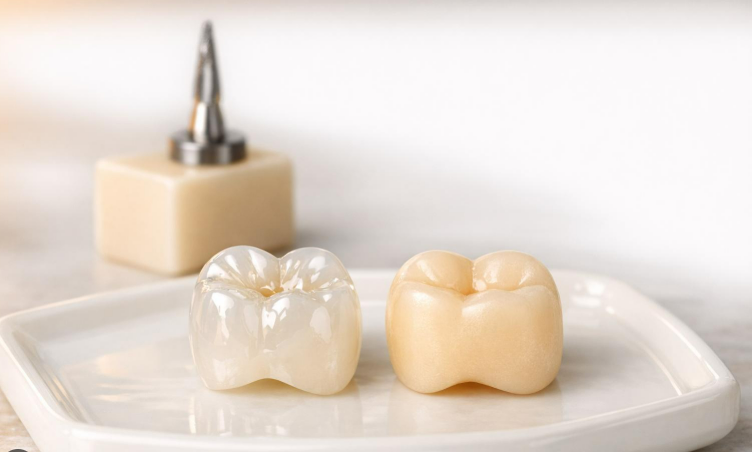
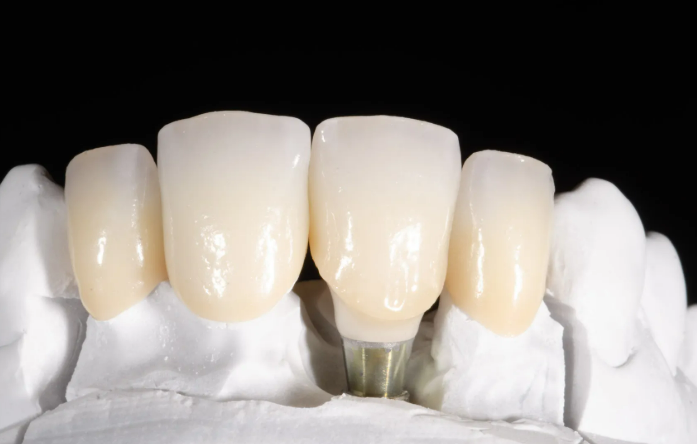
Brazil (largest market)
Argentina & Chile
Overall Regional Trends
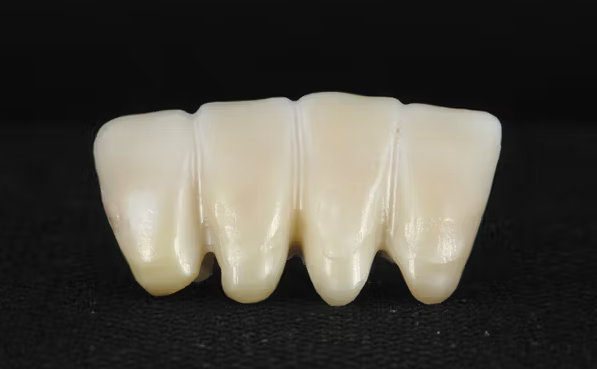
Upfront Material Costs
Long-Term Value
Breakdown Example (per crown):
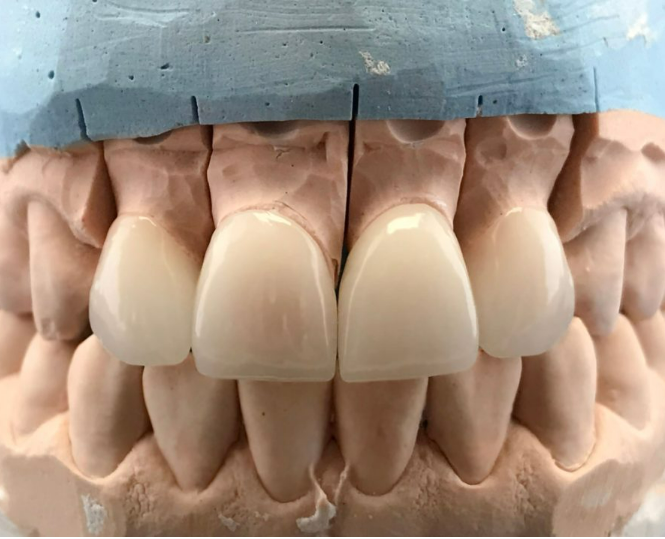
In 2026 South America, Brazil and neighboring markets favor multilayer zirconia for monolithic esthetics and efficiency, while high-strength 3Y remains essential for posterior durability. Cost-benefit favors multilayer in esthetic/moderate-volume cases (time/labor savings) and 3Y in high-load volume (lowest material cost + longevity).
Labs and clinics should match material to case demands, patient expectations, and workflow for optimal outcomes. Test small batches, monitor performance, and align with regional preferences to maximize CAD/CAM success in Brazil, Argentina, Chile, and beyond.

Dry & wet milling for zirconia, PMMA, wax with auto tool changer.
learn more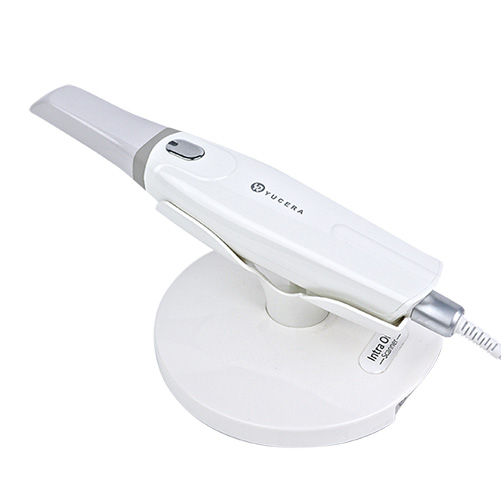
High-precision 3D scanning, AI calibration, full-arch accuracy.
learn more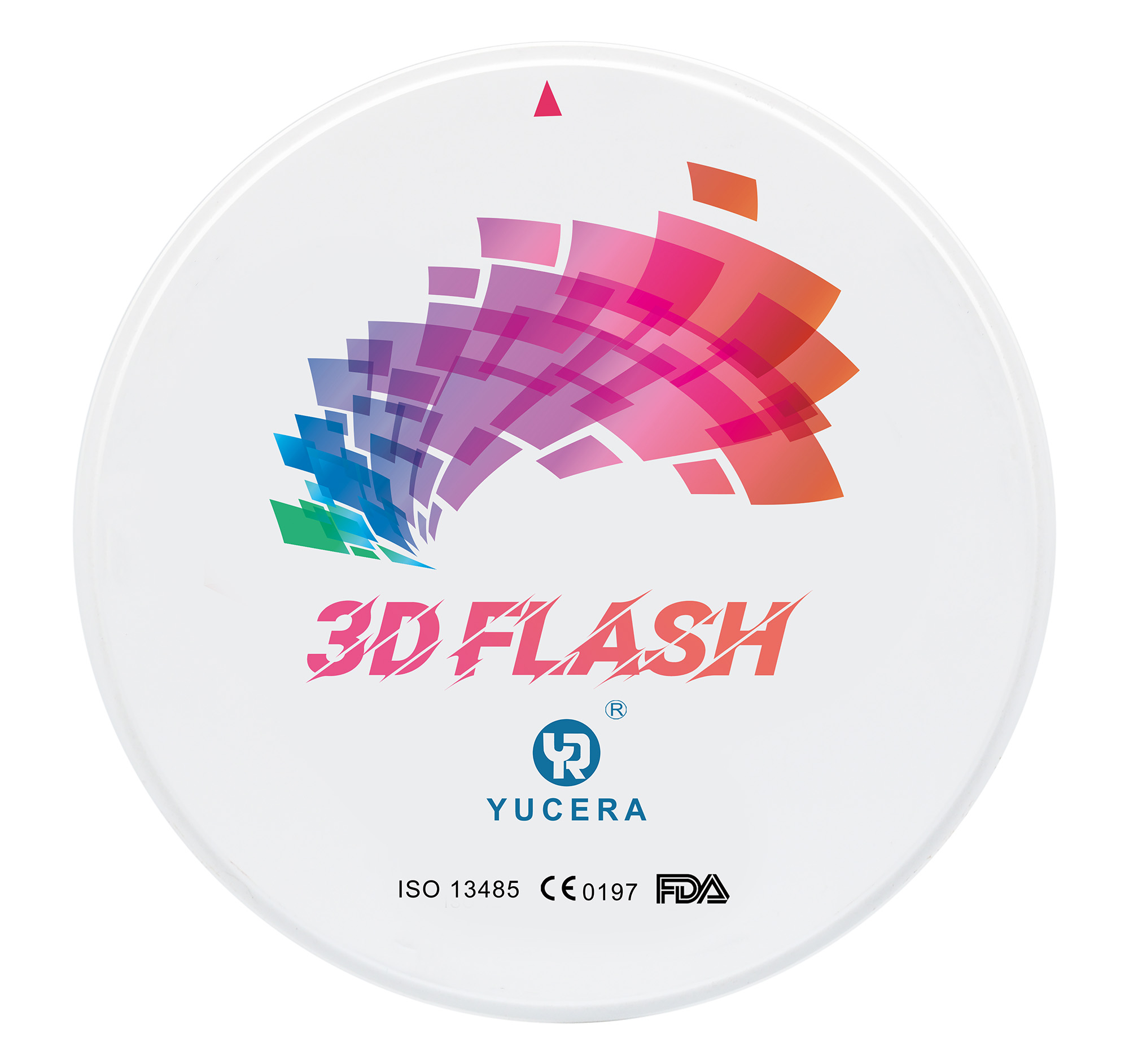
40-min full sintering with 57% incisal translucency and 1050 MPa strength.
learn more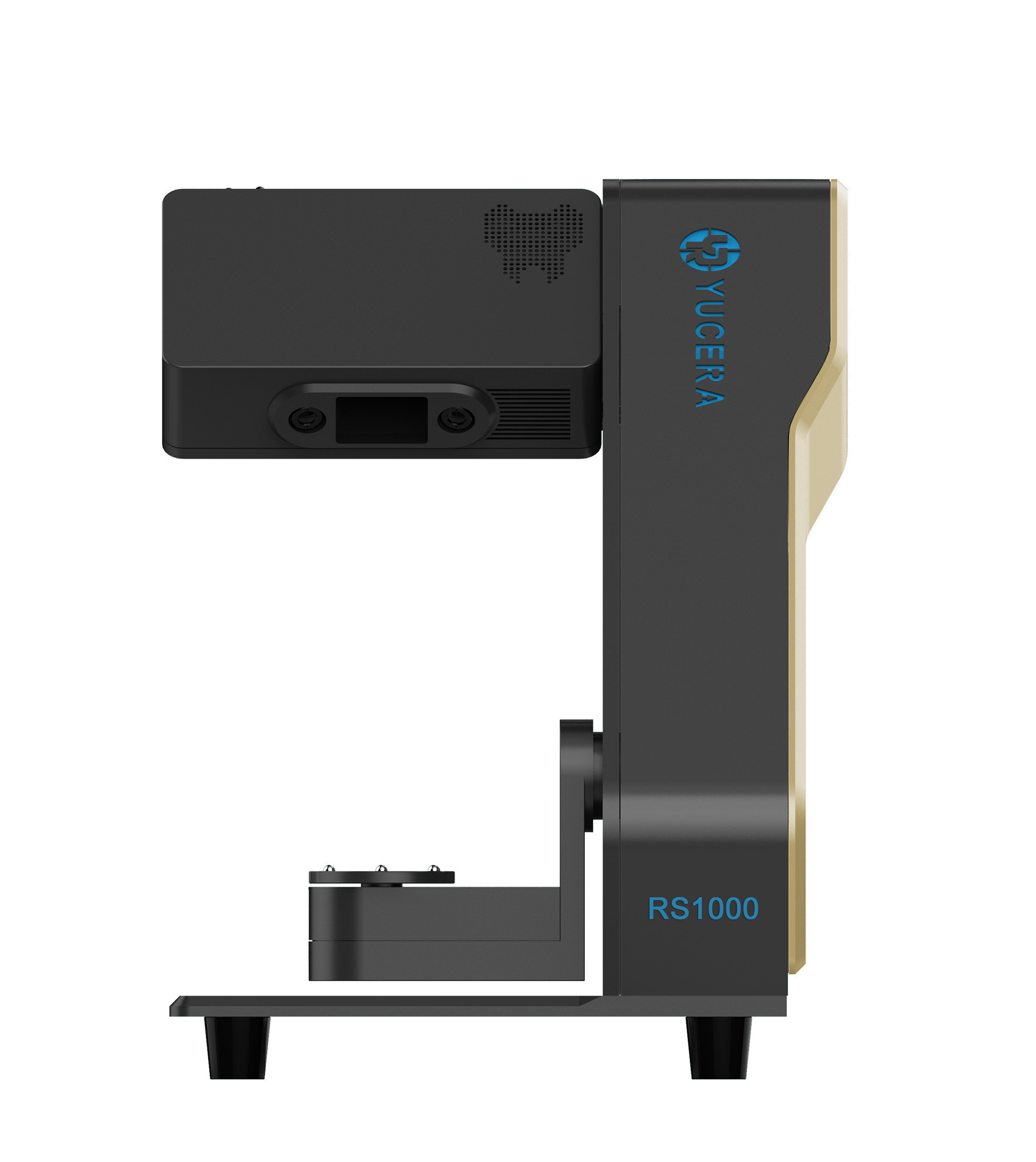
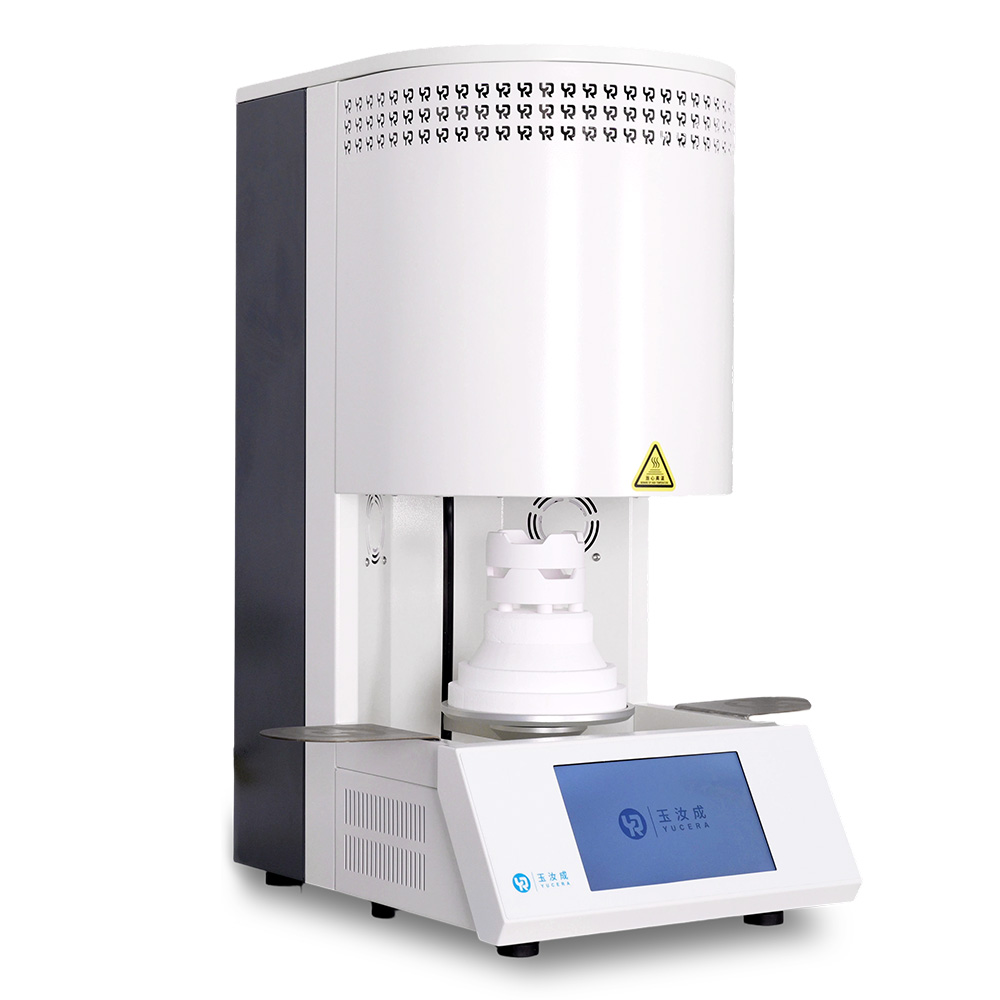
40-min cycle for 60 crowns, dual-layer crucible and 200°C/min heating.
learn more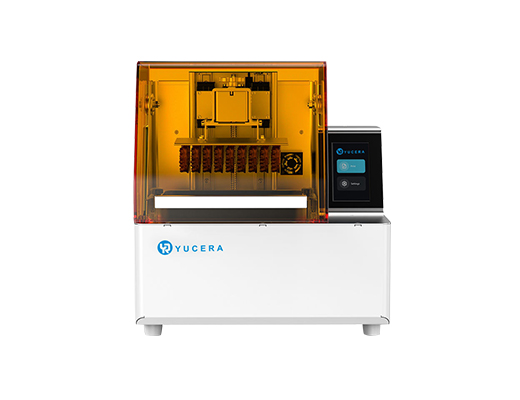
High-speed LCD printer for guides, temporaries, models with 8K resolution.
learn more


2026-02-01
2025-12-08
2025-11-20


