

 中 文
中 文
2025 Dental CAD/CAM Market: Essential Demands for Intraoral Scanners by Dentists Worldwide
2025-12-22
2026-05-03
In digital dental workflows, temporary crowns serve as an essential transitional restoration between prepared teeth and final prosthetics. However, material fracture and chipping remain common challenges in dental laboratories, especially during CNC milling processes.
This article analyzes real-world fracture cases and explains why proper PMMA disc selection is critical for improving restoration stability.
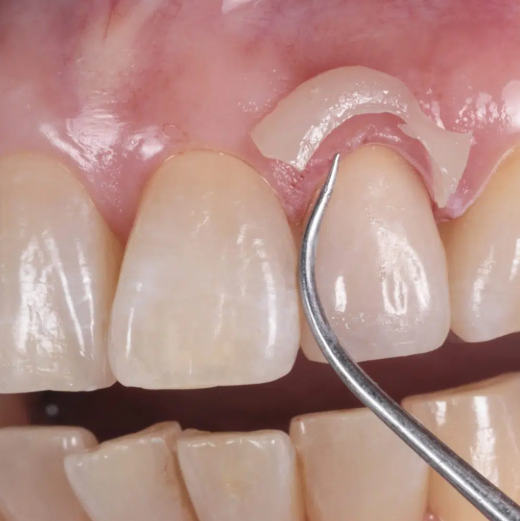
Temporary crown failures in dental labs usually occur in three stages:
Insufficient marginal thickness can create stress concentration zones, increasing the risk of microcracks during milling.
Materials with inconsistent internal structure may chip or fracture under high-speed cutting forces.
Localized pressure during adjustment or clinical try-in can trigger crack propagation in weak areas.
From a materials engineering perspective, temporary crown stability depends on three key PMMA parameters:
These parameters collectively determine fracture resistance during processing.
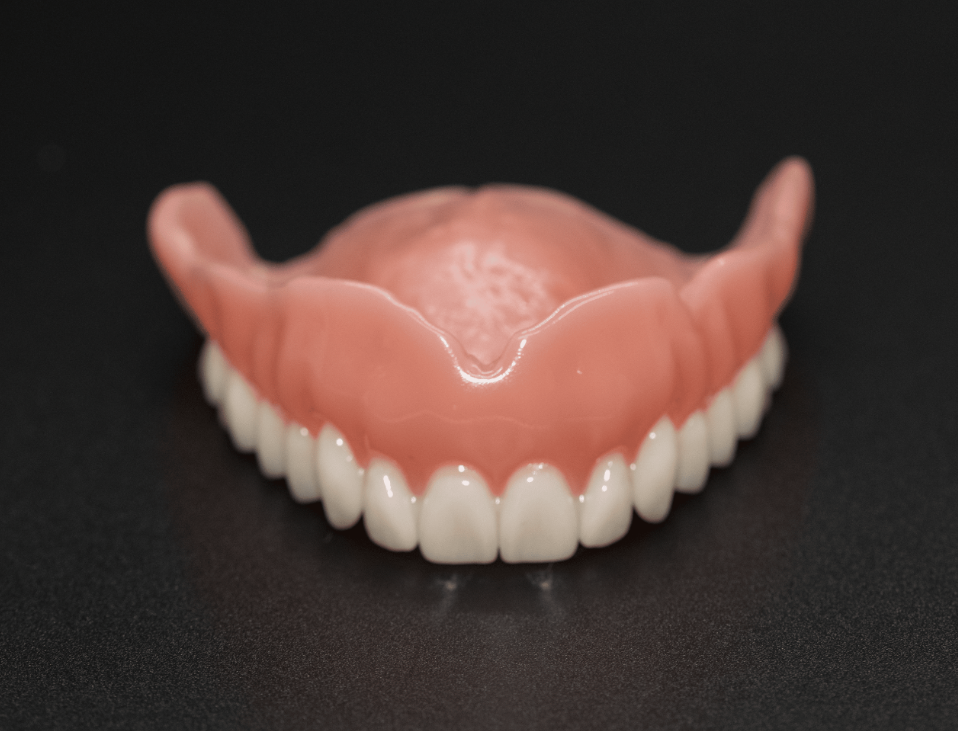
Homogeneous polymer distribution helps reduce internal stress accumulation.
Standard disc sizes (98mm / 120mm) ensure stable CNC milling performance.
Stable modulus ensures predictable deformation behavior during milling.
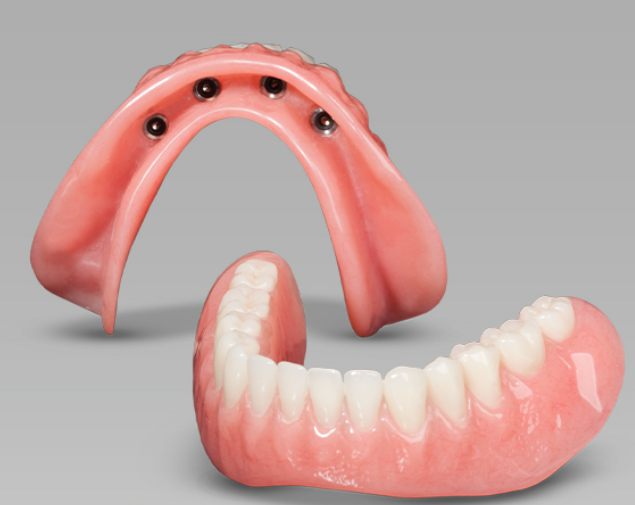
Dental laboratories in Europe and North America are increasingly shifting from viewing crown fracture as a processing issue to a material selection challenge. High-performance PMMA discs help ensure consistent behavior across milling and clinical stages.
This reflects a broader trend where material science plays a central role in digital dentistry efficiency.
Temporary crown fracture is not a single-factor issue but the result of design, processing, and material performance interaction. By selecting PMMA discs with stable mechanical properties and optimizing milling conditions, dental labs can significantly reduce chipping risks and improve restoration reliability.

Dry & wet milling for zirconia, PMMA, wax with auto tool changer.
learn more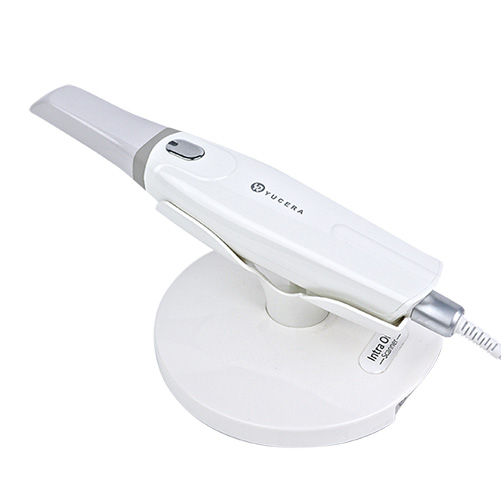
High-precision 3D scanning, AI calibration, full-arch accuracy.
learn more
40-min full sintering with 57% incisal translucency and 1050 MPa strength.
learn more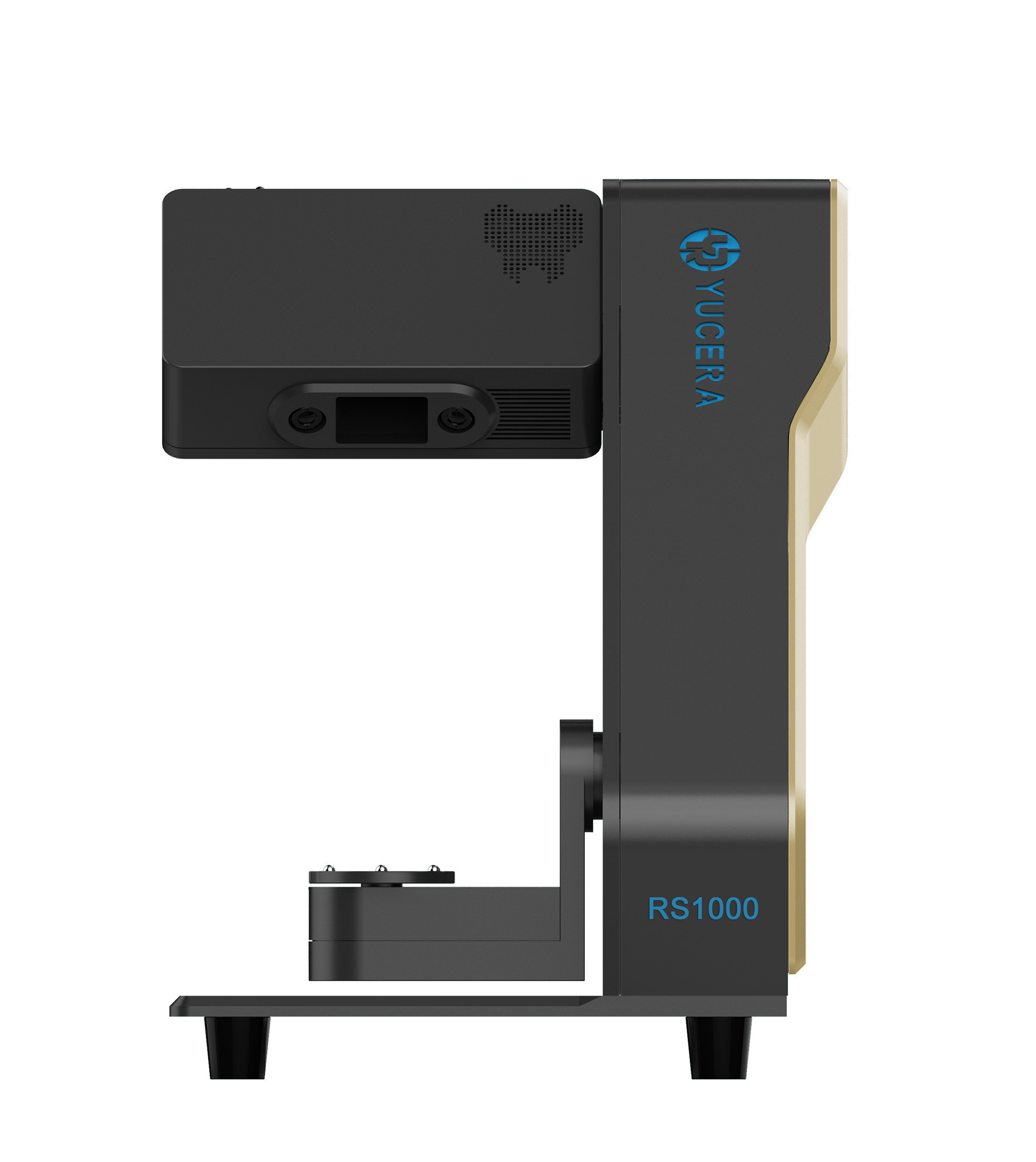
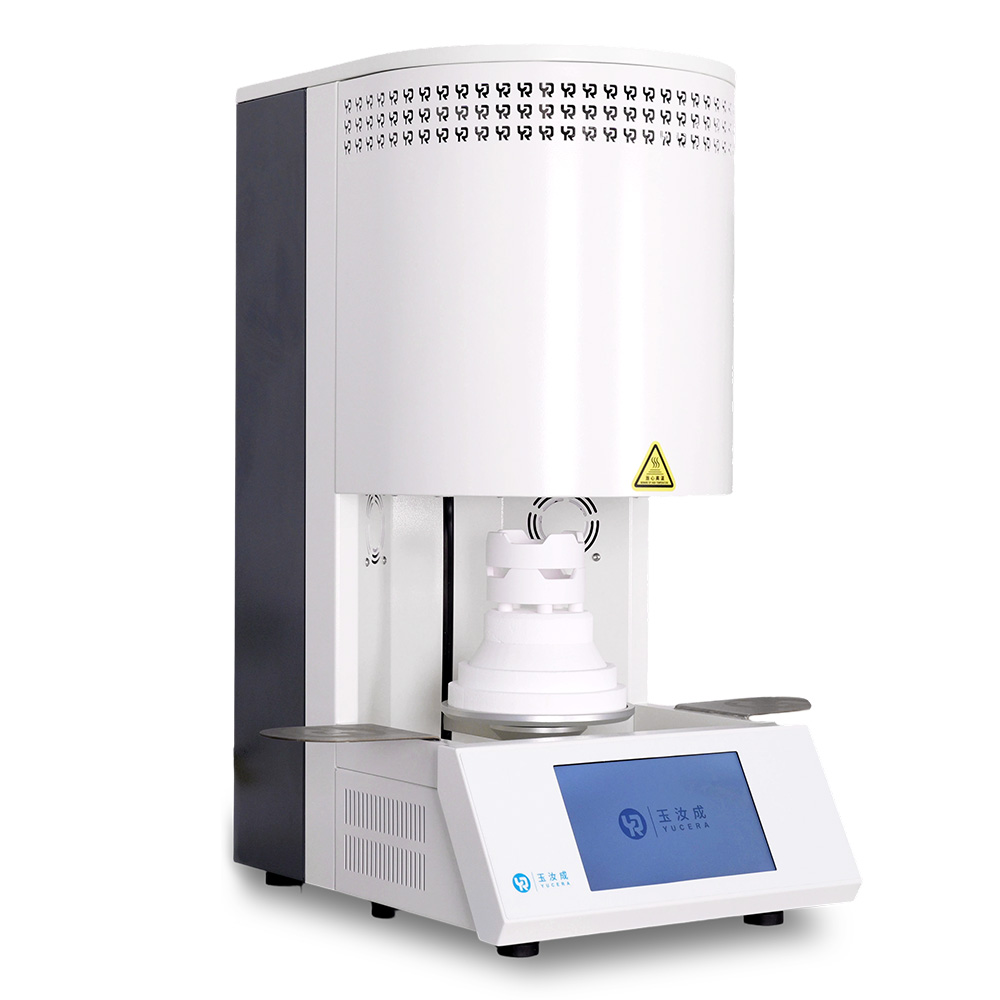
40-min cycle for 60 crowns, dual-layer crucible and 200°C/min heating.
learn more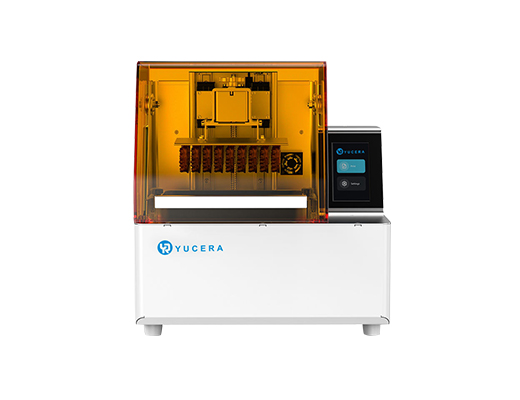
High-speed LCD printer for guides, temporaries, models with 8K resolution.
learn more