Choosing the Right Zirconia Disc Thickness: 10mm, 12mm, 14mm, 18mm, or 25mm?
Introduction
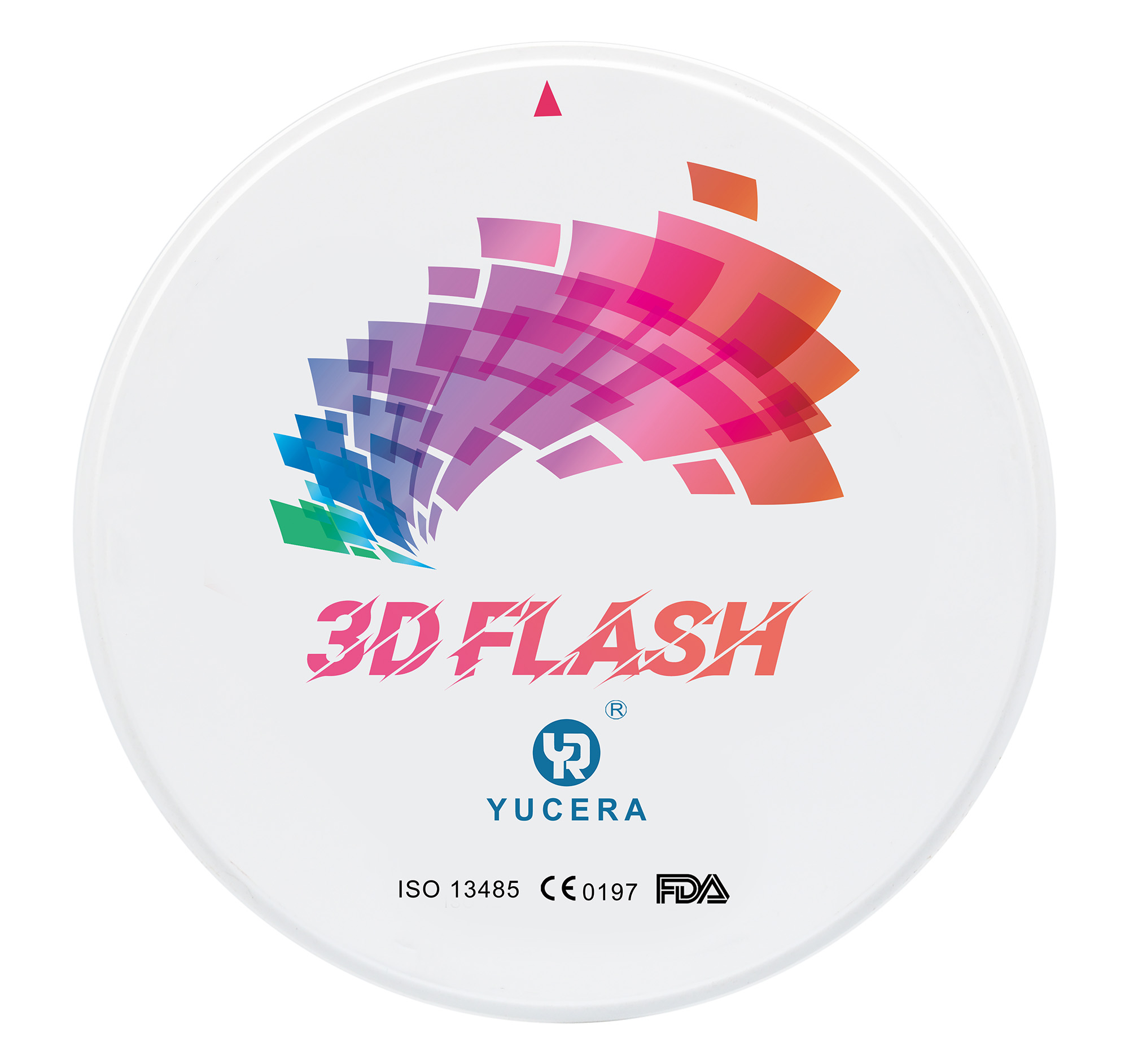
In a digital dental laboratory, zirconia discs are the foundation of CAD/CAM restorations. The thickness of the disc directly affects milling efficiency, material usage, and restoration indications.
Zirconia discs typically range from 10mm to 25mm in thickness. Selecting the right disc thickness ensures optimal production, reduces waste, and maintains restoration accuracy.
This guide will help dental laboratories understand the advantages and limitations of different zirconia disc thicknesses to make an informed choice.
Why Disc Thickness Matters
Disc thickness impacts:
-
Milling efficiency – Thinner discs allow faster milling cycles for single crowns, while thicker discs accommodate larger restorations.
-
Material usage – Using the correct thickness minimizes waste while maintaining restoration strength.
-
Restoration indications – Posterior bridges, implant frameworks, and full-arch prostheses require thicker discs.
-
Burnout and sintering considerations – Sintering shrinkage and cycle time depend on the disc's size and geometry.
Selecting the wrong thickness can lead to remakes, excessive milling time, or compromised restoration strength.
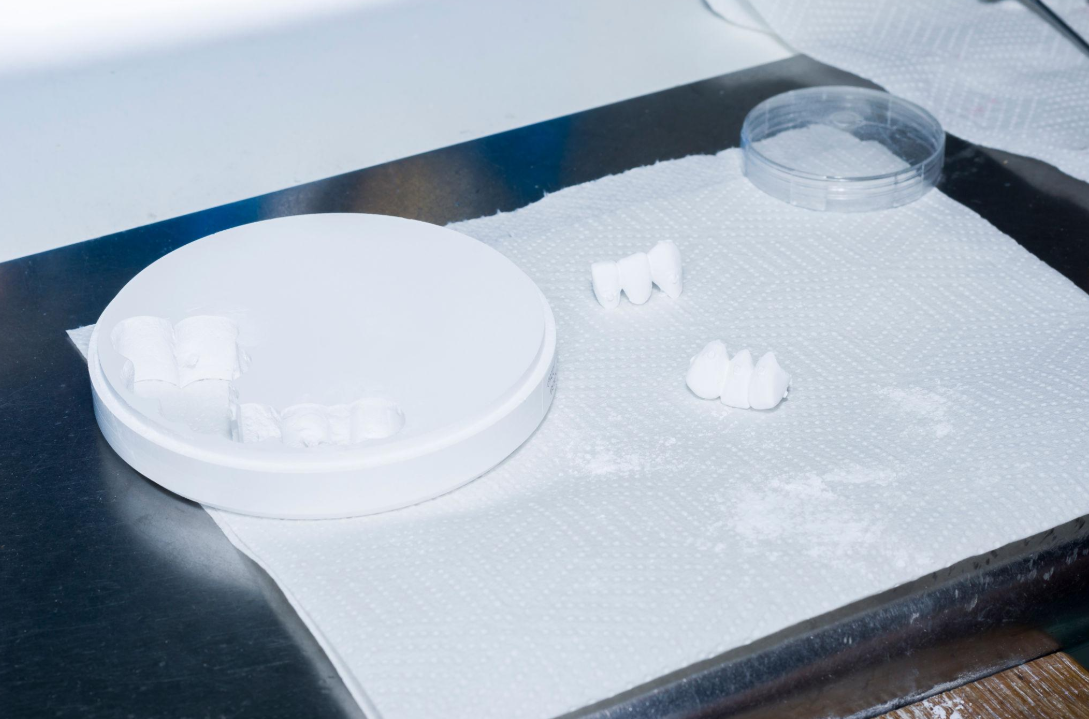
Common Zirconia Disc Thickness Options
10mm Discs
Best for: Single crowns, small veneers, and anterior restorations.
Advantages:
-
Minimal material waste
-
Faster milling cycles
-
Suitable for labs with low to medium volume
Limitations:
-
Not ideal for multi-unit bridges
-
Limited compatibility with larger sintering programs
12mm Discs
Best for: Standard single crowns, small bridges, anterior and premolar crowns.
Advantages:
-
Good balance between efficiency and flexibility
-
Compatible with most CAD/CAM milling machines
-
Suitable for labs producing a mix of anterior and posterior crowns
Limitations:
-
May not accommodate full-arch frameworks or large posterior bridges
14mm Discs
Best for: Posterior crowns, 2–3 unit bridges, implant abutments.
Advantages:
-
Higher material availability for multi-unit restorations
-
Compatible with most modern sintering furnaces
-
Reduced disc wastage for multi-unit restorations compared to stacking thin discs
Limitations:
-
Slightly longer milling cycles than 10–12mm discs
-
May be excessive for simple single anterior crowns
18mm Discs
Best for: Long-span bridges, full-arch cases, implant-supported frameworks.
Advantages:
-
Provides sufficient height for large restorations
-
Ideal for labs with high-volume posterior or multi-unit production
-
Reduces the need to combine multiple discs
Limitations:
-
Slower milling cycles
-
Increased initial cost per disc
-
Higher sintering energy requirements
25mm Discs
Best for: Full-arch restorations, complex implant cases, multi-unit frameworks.
Advantages:
-
Maximum material for extensive restorations
-
Suitable for high-demand digital labs producing complex cases
-
Compatible with high-capacity milling and sintering equipment
Limitations:
-
Slower milling times
-
Higher material cost
-
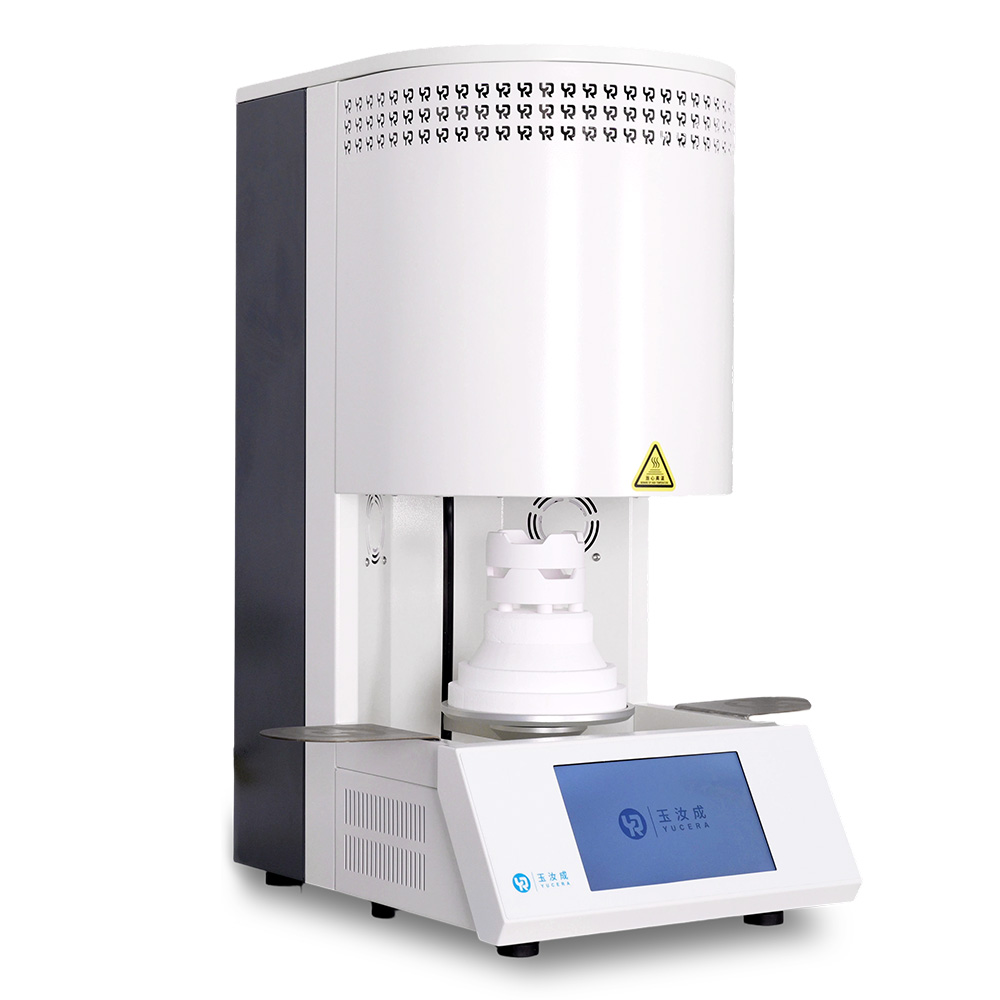
Requires sintering furnaces capable of handling thick discs (e.g., Yucera HS007 or F10+)
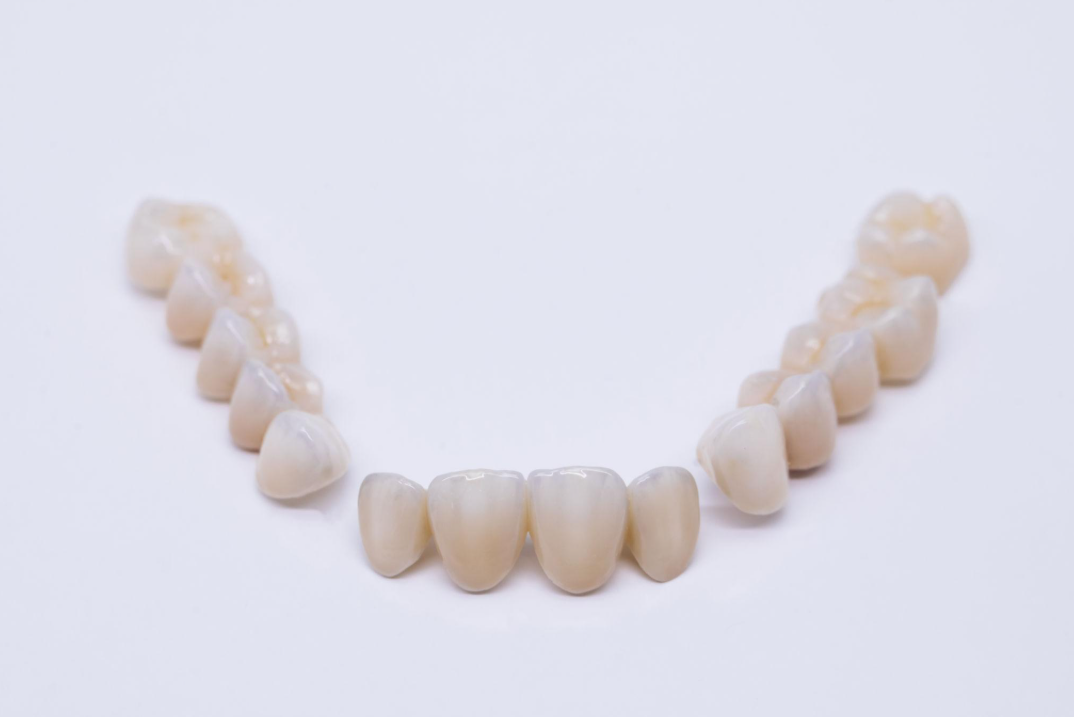
Choosing the Right Thickness for Your Workflow
Assess Restoration Type
-
Single anterior crowns → 10–12mm
-
Posterior crowns → 12–14mm
-
Bridges → 14–18mm
-
Full-arch or implant frameworks → 18–25mm
Consider Production Volume
-
Small labs: thinner discs reduce cost and cycle time
-
High-volume labs: thicker discs improve efficiency for multi-unit restorations
-
Sintering Furnace Compatibility
-
Ensure your furnace can handle the maximum disc thickness
-
Both HS007 and F10+ furnaces support discs up to 25mm
CAD/CAM Machine Capacity
-
Check your milling machine’s disc holder compatibility
-
Confirm the maximum disc thickness it can process
Balance Cost and Waste
-
Using an excessively thick disc for single crowns wastes material
-
Using a thin disc for a large bridge may require multiple discs or compromise strength
Practical Tips for Dental Labs
-
Stock a variety of disc thicknesses to match restoration types and production volume.
-
Use thinner discs for esthetic anterior cases to speed up milling.
-
Reserve thicker discs for posterior multi-unit and full-arch restorations to avoid structural compromises.
-
Optimize milling parameters according to disc thickness to maintain precision and reduce tool wear.
-
Coordinate disc selection with sintering profiles to ensure predictable shrinkage and consistent fit.
Conclusion
Selecting the right zirconia disc thickness is a critical decision for any CAD/CAM dental laboratory.
-
10–12mm discs: Efficient for single crowns and small anterior cases.
-
14–18mm discs: Ideal for posterior crowns, small to medium bridges, and implant abutments.
-
25mm discs: Necessary for full-arch frameworks and complex multi-unit restorations.
By aligning disc thickness with restoration type, production volume, and equipment capabilities, labs can optimize efficiency, reduce material waste, and ensure high-quality results.




 中 文
中 文