

 中 文
中 文
How Alginate Distortion Affects Clear Aligner Fabrication | Intraoral Scanner Solution in Orthodontics
2026-05-25
2026-05-13
Accurate occlusion is a critical factor in successful orthodontic treatment. Misaligned bites not only compromise the functional outcome but can also lead to increased chairside adjustments and patient discomfort. Dental laboratories face persistent challenges in occlusion verification, particularly for multi-unit restorations, clear aligners, and full-arch orthodontic cases. Integrating digital scanning, CAD/CAM workflows, and precise occlusal data capture has become essential for addressing these challenges in modern orthodontics.
Dental labs encounter several pain points during occlusion verification:
These challenges can impact both the aesthetic and functional outcomes of orthodontic appliances, highlighting the need for digitally driven solutions.
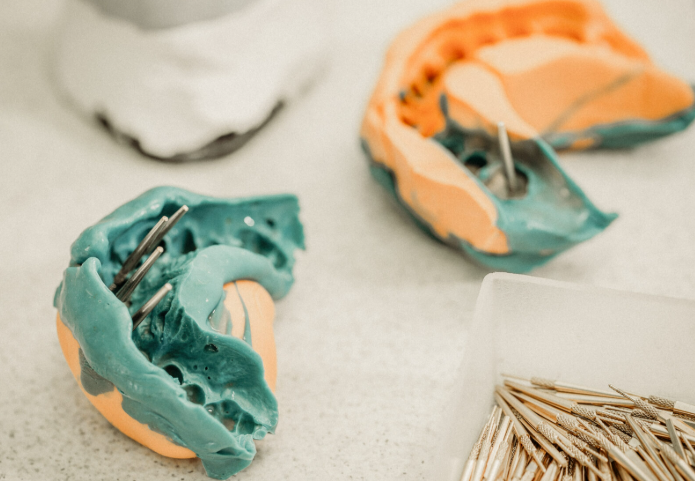
High-precision intraoral scanners (IOS) capture full-arch dentition and occlusal relationships in a single scan. Key technical aspects include:
By leveraging intraoral scanning, dental labs can minimize manual bite articulation errors and enhance reproducibility.
Digitized occlusion data can be imported directly into CAD software for orthodontic planning:
Integration reduces manual interventions and ensures highly predictable treatment outcomes.
Complex orthodontic cases often involve multiple units or full-arch appliances:
These workflows enhance efficiency and reduce the risk of patient discomfort due to misaligned occlusion.
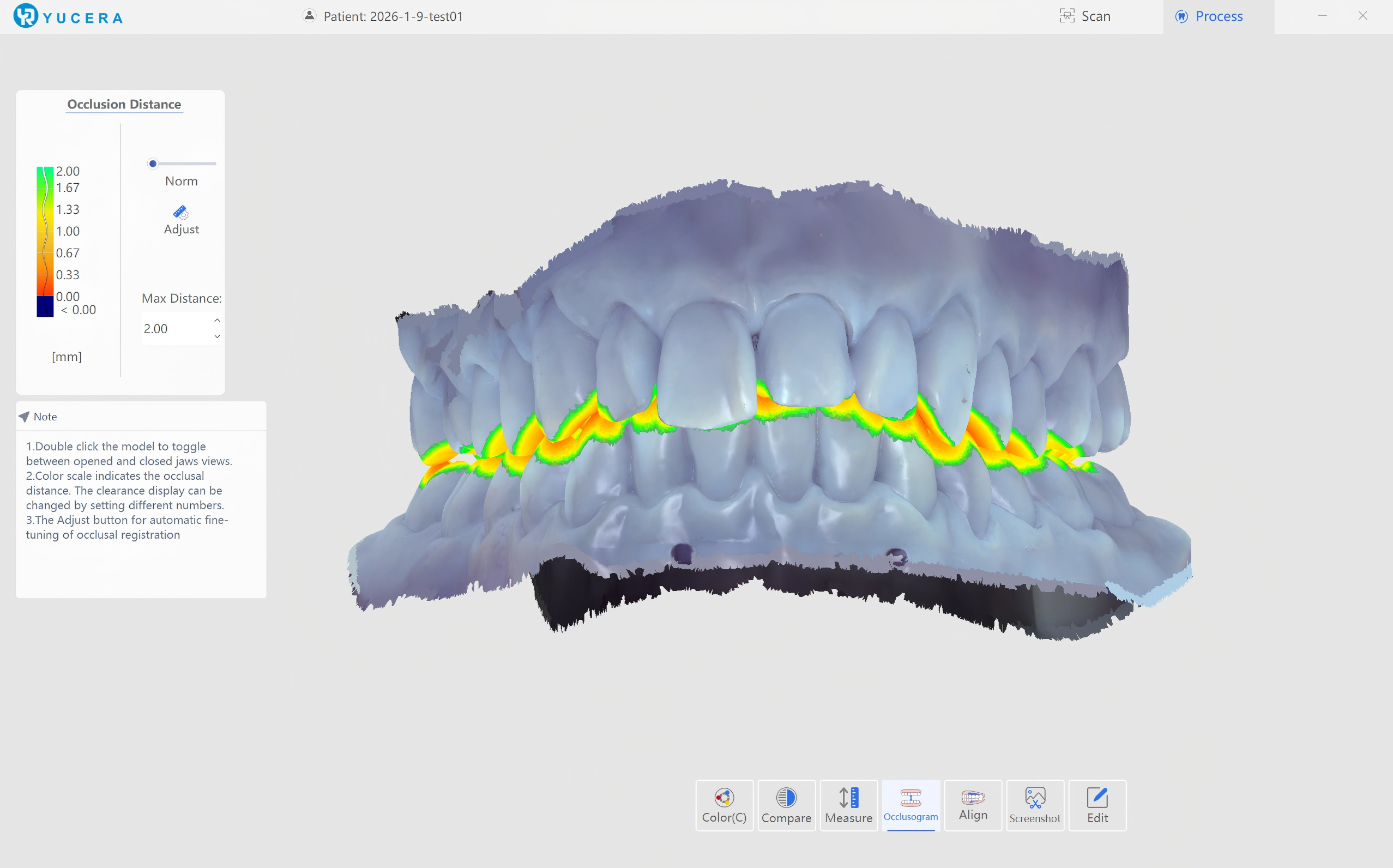
By focusing on these technical strategies, dental labs can address the core challenge of occlusion verification in orthodontic treatment reliably.
These findings highlight the practical impact of integrating high-precision scanning and CAD/CAM analysis in modern orthodontic workflows.
Occlusion verification is a persistent challenge in orthodontic treatment, affecting appliance accuracy and patient satisfaction. Dental laboratories can address these challenges through digital intraoral scanning, precise CAD/CAM integration, and standardized verification protocols. Implementing these technologies ensures reliable, reproducible occlusion assessment, reduces chairside rework, and improves clinical outcomes for both single-unit and full-arch orthodontic treatments.

Dry & wet milling for zirconia, PMMA, wax with auto tool changer.
learn more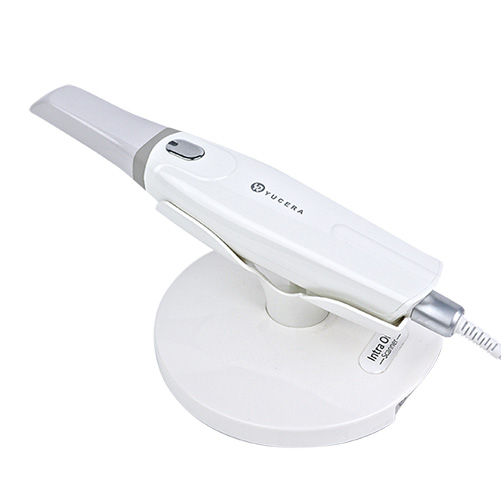
High-precision 3D scanning, AI calibration, full-arch accuracy.
learn more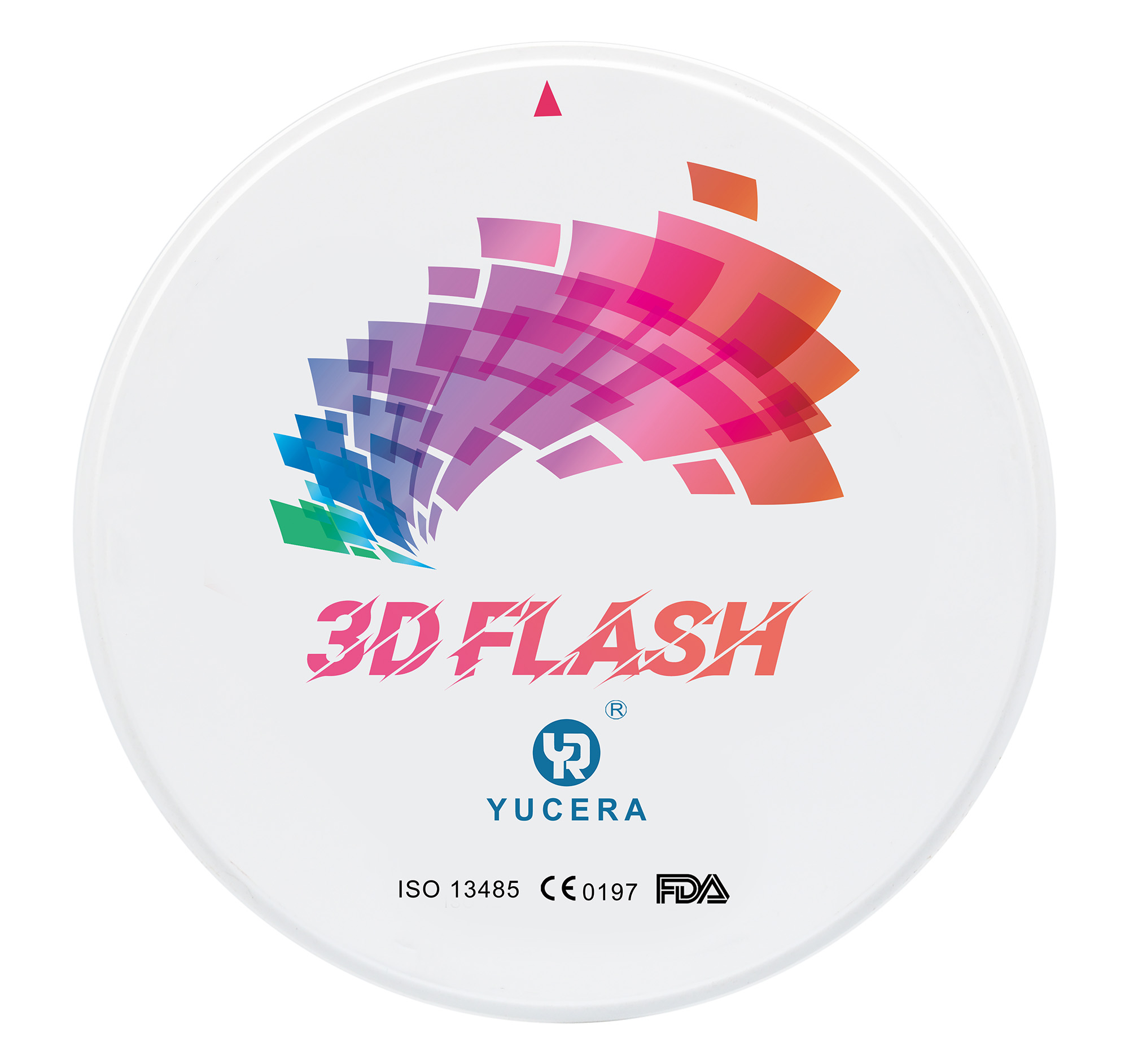
40-min full sintering with 57% incisal translucency and 1050 MPa strength.
learn more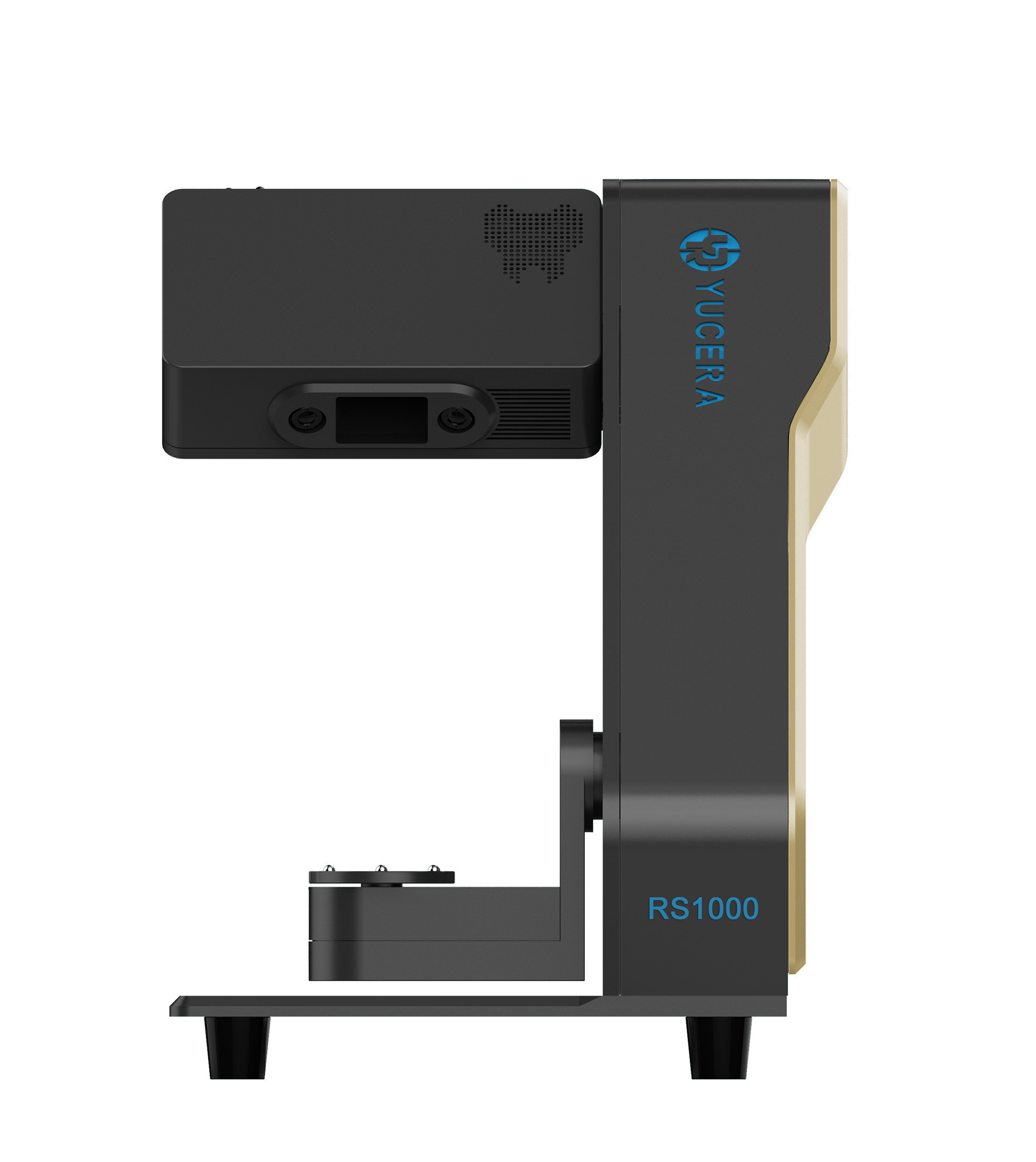
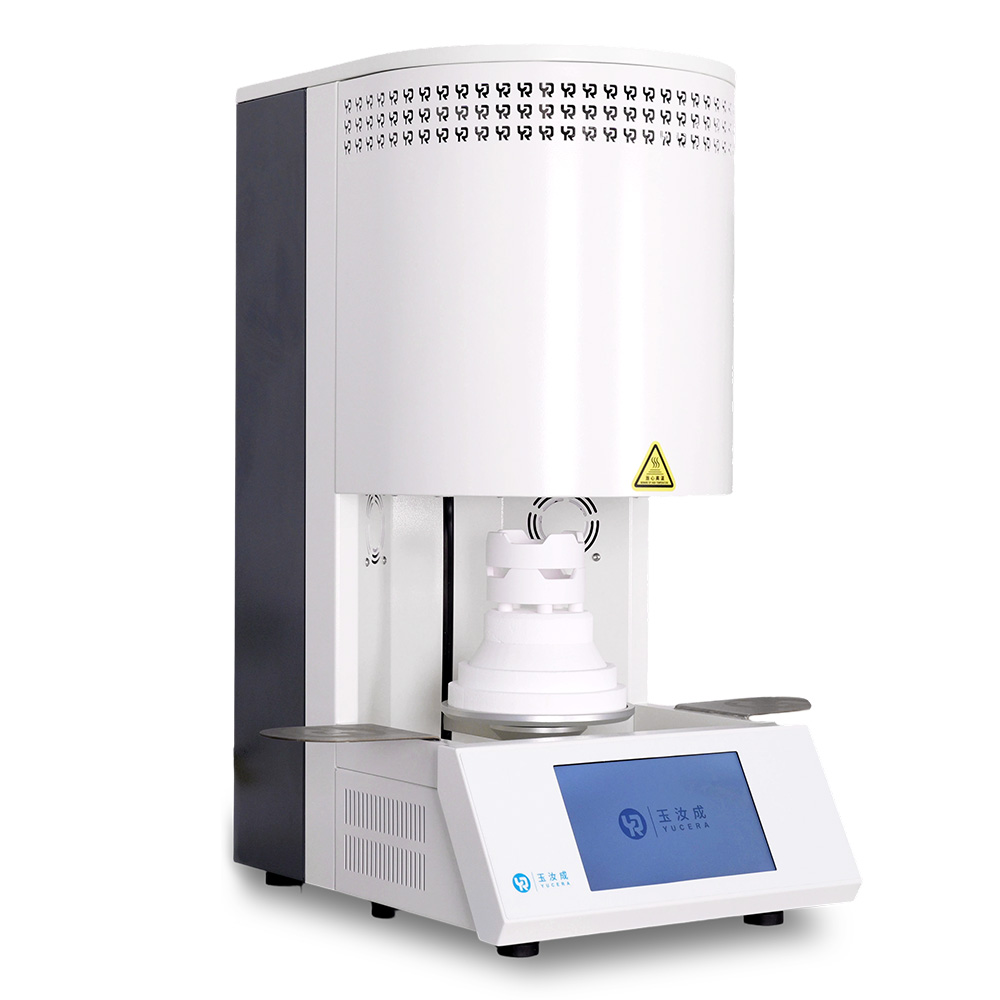
40-min cycle for 60 crowns, dual-layer crucible and 200°C/min heating.
learn more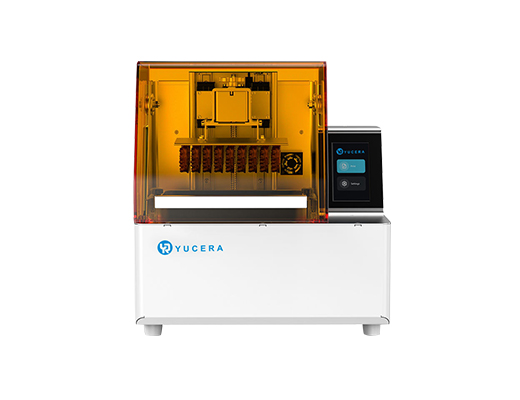
High-speed LCD printer for guides, temporaries, models with 8K resolution.
learn more