

 中 文
中 文
The Difference Between Dental Intraoral Scanning and Traditional Impressions
2024-10-15
2026-03-20
Polymethyl methacrylate (PMMA) continues to dominate affordable, versatile prosthetics in Europe and the United States, powering milled denture bases, long-term provisionals, splints, and temporaries. By March 2026, CAD/CAM milled PMMA has largely replaced traditional heat-cured acrylics in digital workflows, delivering superior homogeneity, reduced residual monomer, and better fit accuracy. North America commands ~39–40% of the global CAD/CAM blanks market, while Europe holds ~33–34%, driven by aging populations, reimbursement support, and strict EU MDR/CE compliance.
Market momentum remains strong: global dental PMMA resin demand grows at 8–10% CAGR through 2030+, fueled by digital dentistry adoption and same-day capabilities. Milled pre-polymerized blanks slash fabrication time, minimize shrinkage, and boost mechanical performance—flexural strength often 120–146 MPa versus 95–119 MPa in conventional systems. Yet, despite these gains, clinicians and labs voice persistent frustrations that limit PMMA to provisional or economy indications in many cases.
This article explores 2026 trends across Europe and the US, spotlights key user pain points backed by recent studies, and highlights demanded improvements for more reliable, long-lasting outcomes.
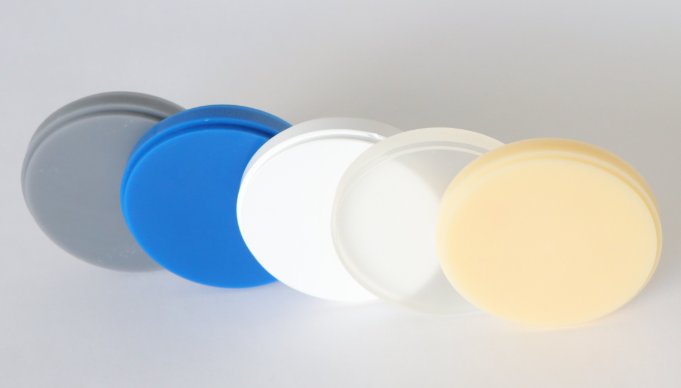
Digital transformation accelerates PMMA usage. Milled blanks from high-pressure, high-temperature polymerization yield lower residual monomer (<0.5% vs. 1–3% conventional), higher strength, and excellent biocompatibility—meeting FDA 510(k) and EU MDR standards. Studies confirm milled denture bases outperform 3D-printed and traditional PMMA in flexural strength, surface hardness, and fracture toughness.
Europe emphasizes regulatory compliance and cosmetic demand in Germany, France, and the UK, while the US benefits from chairside CAD/CAM infrastructure and reimbursement for efficient single-visit solutions. Next-generation PMMA formulations target semi-permanent and implant-supported applications, with improved homogeneity enabling durable temporaries.
3D-printed PMMA resins gain traction for rapid prototyping but trail milled versions in mechanical reliability due to anisotropy and interlayer weaknesses.
Even with digital advantages, 2026 clinicians report recurring issues that drive remakes, patient complaints, and preference for alternatives like ceramics.
Residual Monomer and Biocompatibility Risks Milled PMMA reduces elution dramatically, but detectable monomer release persists in the first 72 hours—especially under oral conditions. Some patients experience mucosal irritation or hypersensitivity. Recent analyses show CAD-milled and heat-processed bases still contain trace monomers in solvent immersion tests, while certain printed resins show none. Users demand ultra-low-monomer formulations and advanced cross-linking to eliminate allergy risks entirely.
Wear, Fracture, and Durability Shortfalls PMMA lags ceramics in abrasion resistance. Posterior provisionals or implant temporaries exhibit noticeable occlusal wear within 6–24 months, with higher material loss under bruxism. Milled bases achieve superior flexural strength, yet brittleness in thin sections or cantilevers raises fracture concerns. 2025–2026 meta-analyses highlight milled PMMA's edge over printed variants, but users want nanofilled or high-impact grades for better toughness and impact resistance.
Color Stability, Staining, and Aesthetic Decline Water sorption and porosity cause gradual discoloration from food, beverages, or tobacco. Even premium milled blanks fade or stain over 12–24 months, frustrating long-term provisional users. Patients expect better shade longevity matching natural teeth or high-end ceramics.
Fit, Retention, and Adaptation Challenges Digital dentures improve adaptation, yet retention issues persist in resorbed ridges or complex cases—often requiring relines. 3D-printed PMMA suffers orientation-dependent weaknesses and higher variability.
Competition from Superior Alternatives Ceramics and composites offer better aesthetics, strength, and longevity for definitive restorations, eroding PMMA's share in premium segments. Users seek PMMA upgrades to close this gap without sacrificing cost-effectiveness.
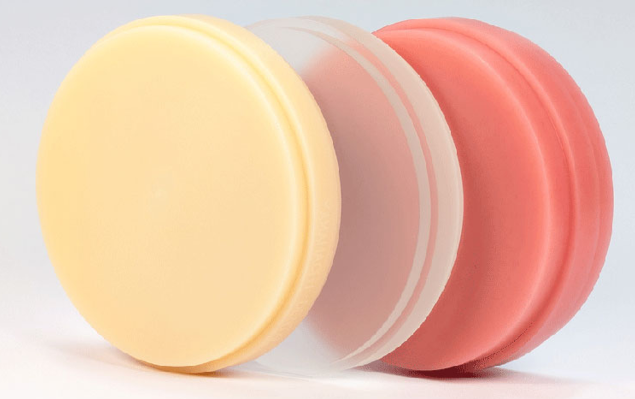
Clinics mitigate issues by:
Future outlook: Expect hybrid formulations with bioactive additives for enhanced biocompatibility, improved wear resistance, and color stability. AI-driven design and faster milling will lower costs, while regulatory pressure accelerates low-monomer innovations. By 2030, PMMA could expand into more semi-permanent roles, narrowing the gap with ceramics.
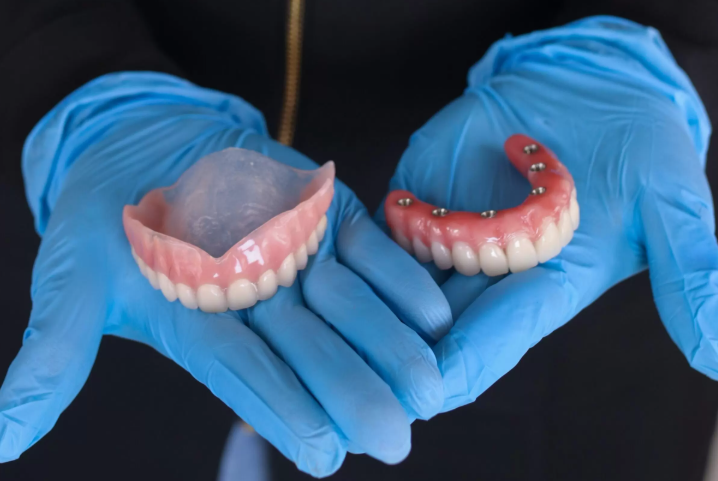
In 2026, dental PMMA thrives in Europe and the US thanks to CAD/CAM efficiencies and market expansion, yet monomer traces, wear vulnerability, staining, and competition from advanced materials keep frustrating users. Dentists demand tougher, more stable, biocompatible upgrades to unlock PMMA's full potential beyond provisionals.
By prioritizing evidence-based protocols and embracing emerging formulations, practices can deliver reliable, patient-pleasing results today—while preparing for a stronger PMMA future tomorrow.

Dry & wet milling for zirconia, PMMA, wax with auto tool changer.
learn more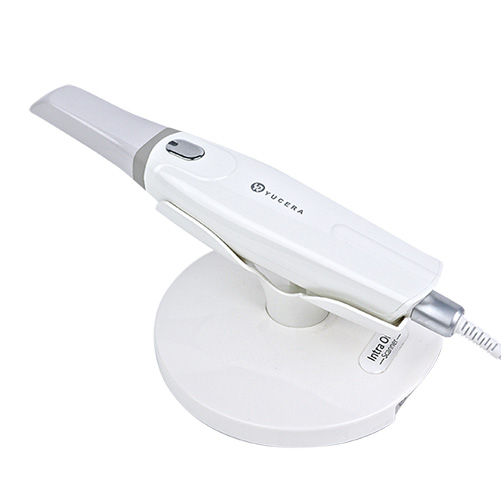
High-precision 3D scanning, AI calibration, full-arch accuracy.
learn more
40-min full sintering with 57% incisal translucency and 1050 MPa strength.
learn more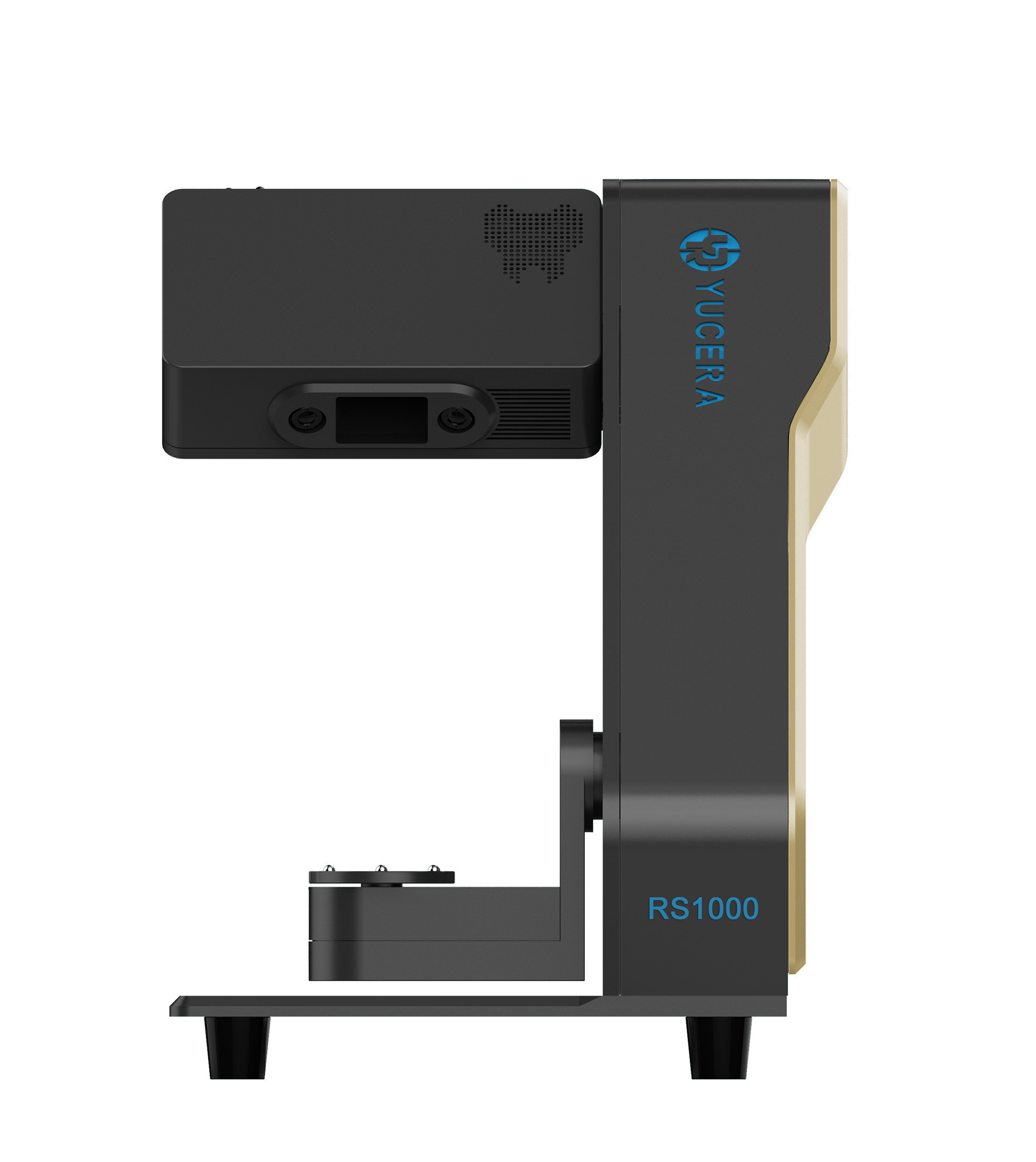
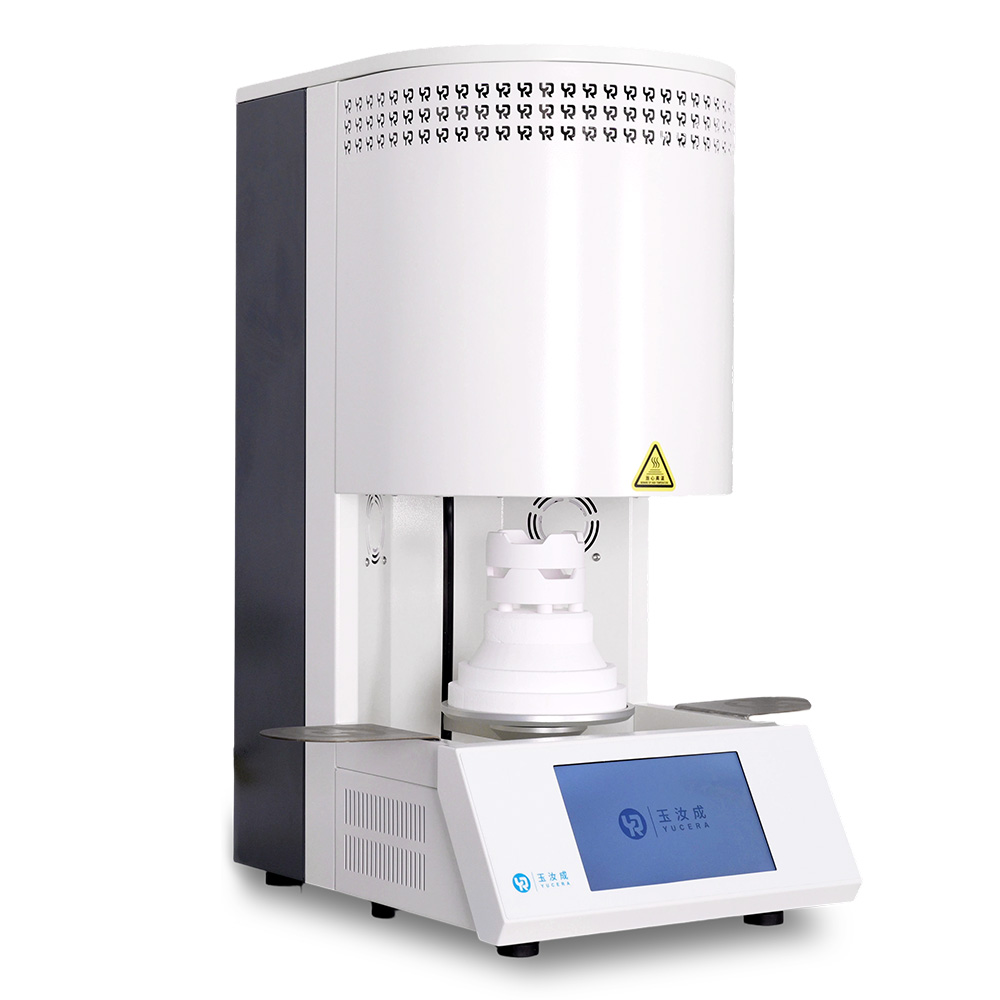
40-min cycle for 60 crowns, dual-layer crucible and 200°C/min heating.
learn more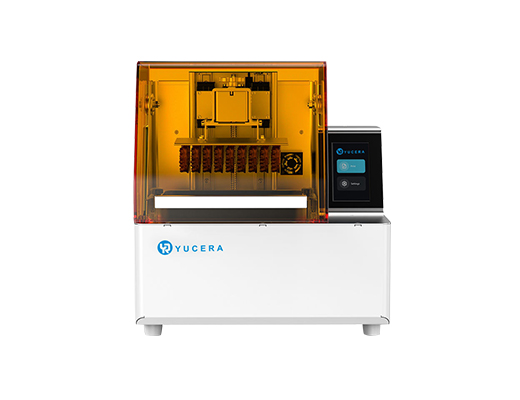
High-speed LCD printer for guides, temporaries, models with 8K resolution.
learn more