

 中 文
中 文
Why Is There Such a Big Difference in the Price of All-Ceramic Teeth? Can All-Ceramic Teeth Last a Lifetime?
2024-10-23
2026-07-19
The widespread adoption of zirconia restorations would not have been possible without one essential piece of equipment—the zirconia sintering furnace.
Unlike porcelain furnaces, which are designed for glazing, staining, crystallization, and ceramic layering, zirconia sintering furnaces perform a fundamentally different task. They transform pre-sintered zirconia into fully densified restorations by exposing the material to carefully controlled high temperatures.
As zirconia became the dominant material for crowns, bridges, implant restorations, and full-arch prostheses, sintering technology evolved rapidly to improve efficiency, consistency, and production capacity.
This article explores how zirconia sintering furnaces developed alongside CAD/CAM dentistry and why they remain indispensable in modern dental laboratories.
Before zirconia entered restorative dentistry, most ceramic restorations relied on porcelain furnaces.
Traditional laboratory workflows focused on:
These processes typically required temperatures below those needed for zirconia densification and often used vacuum-assisted firing.
As a result, existing ceramic furnaces could not meet the thermal demands of zirconia processing.
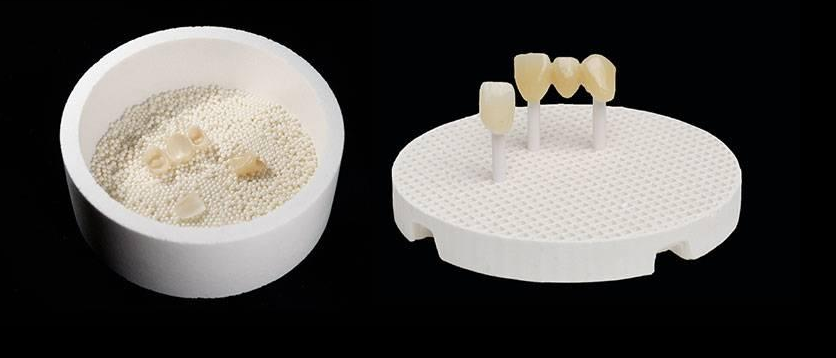
The introduction of yttria-stabilized zirconia in restorative dentistry brought exceptional strength and fracture resistance.
However, zirconia restorations milled from pre-sintered discs required a completely different thermal process.
Instead of glazing, zirconia needed high-temperature densification, usually within the range of approximately 1,450–1,600°C, depending on the material manufacturer's recommendations.
This requirement led to the development of dedicated zirconia sintering furnaces capable of delivering:
These furnaces quickly became a standard component of CAD/CAM laboratories.
The first generation of zirconia sintering furnaces emphasized reliability rather than speed.
Typical characteristics included:
Although production efficiency was relatively limited, these furnaces produced restorations with predictable shrinkage and excellent mechanical performance.
For many laboratories, this represented the first fully digital zirconia workflow.
As digital case volumes increased, laboratories demanded shorter turnaround times.
Material science and furnace engineering advanced together, leading to the development of fast sintering technologies.
Modern furnaces introduced:
Fast sintering significantly increased laboratory productivity while maintaining the dimensional accuracy and strength required for clinical restorations, provided that the zirconia material was validated for accelerated firing protocols.
Today's zirconia sintering furnaces are designed not only for heating but also for intelligent process management.
Common features include:
Some advanced laboratories integrate furnace operation into broader digital production systems, allowing consistent processing across multiple workstations.
The goal is to reduce variability while improving repeatability and workflow efficiency.
Pre-sintered zirconia cannot achieve its final properties without controlled densification.
A properly designed sintering furnace enables:
Without accurate thermal control, restorations may experience distortion, incomplete densification, or undesirable changes in fit and appearance.
| Period | Major Milestone |
|---|---|
| Before 1990 | Porcelain furnaces dominate ceramic processing |
| 1990s | Dental zirconia creates demand for dedicated sintering equipment |
| 2000–2010 | Conventional zirconia sintering furnaces become standard in CAD/CAM laboratories |
| 2010–2020 | Fast sintering technologies improve productivity |
| 2020–2026 | Intelligent furnaces integrate automation, advanced controls, and digital workflows |
| Feature | Zirconia Sintering Furnace | Porcelain Furnace |
|---|---|---|
| Primary Purpose | Densifies pre-sintered zirconia | Fires porcelain, crystallizes glass ceramics, stains and glazes restorations |
| Typical Temperature | Approximately 1,450–1,600°C | Approximately 700–1,200°C |
| Vacuum System | Typically not required | Commonly used during ceramic firing |
| Main Materials | Zirconia | Porcelain, feldspathic ceramics, glass ceramics |
| Role in Workflow | Final densification before clinical use | Esthetic finishing and ceramic processing |
Future zirconia sintering furnaces will continue to evolve toward greater efficiency and automation.
Key areas of development include:
As digital manufacturing expands, sintering furnaces will become increasingly integrated with scanners, CAD software, CAM systems, and laboratory management platforms.
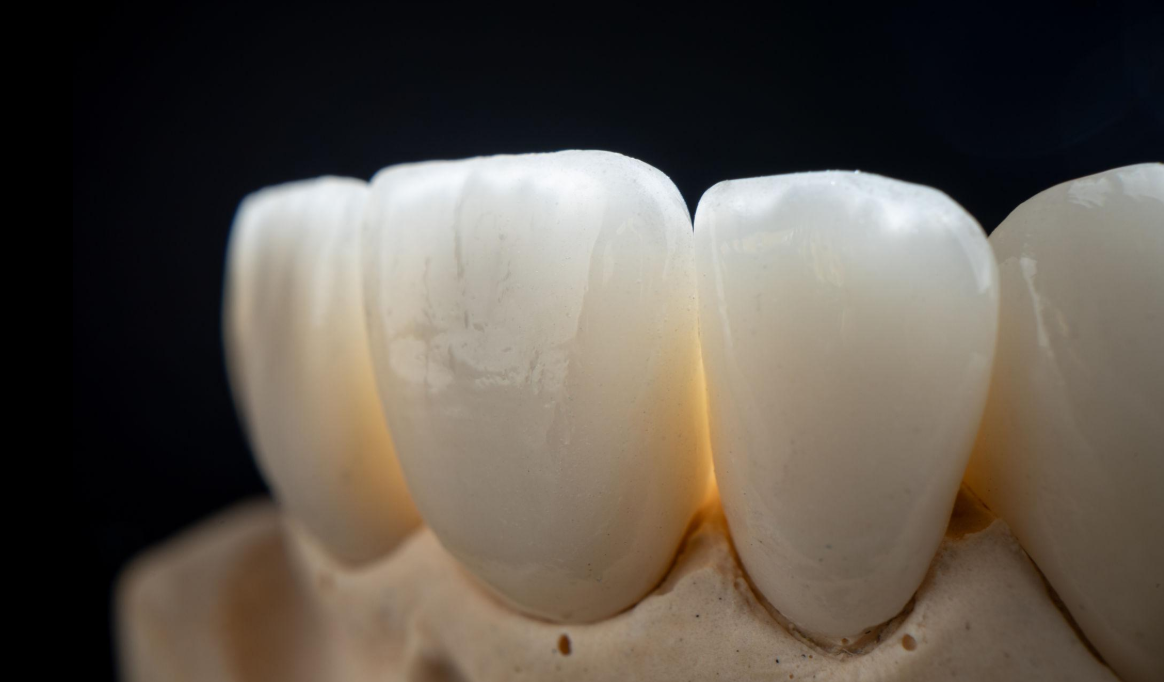
The evolution of zirconia sintering furnaces mirrors the rapid development of digital dentistry.
From the first high-temperature furnaces developed to densify pre-sintered zirconia to today's intelligent systems with programmable workflows, each generation has improved consistency, efficiency, and production capacity.
As zirconia remains one of the most widely used restorative materials, dedicated sintering furnaces will continue to play a central role in delivering precise, durable, and esthetic restorations for modern dental laboratories.

Dry & wet milling for zirconia, PMMA, wax with auto tool changer.
learn more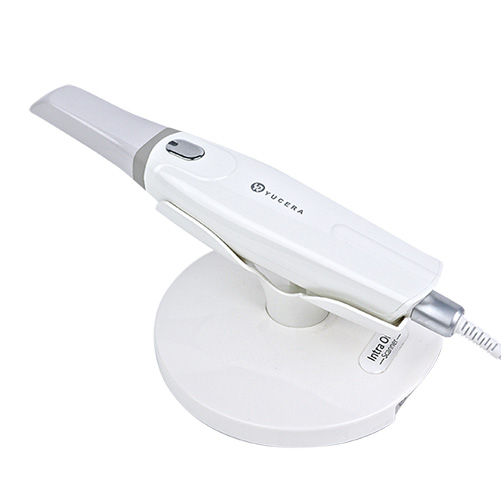
High-precision 3D scanning, AI calibration, full-arch accuracy.
learn more
40-min full sintering with 57% incisal translucency and 1050 MPa strength.
learn more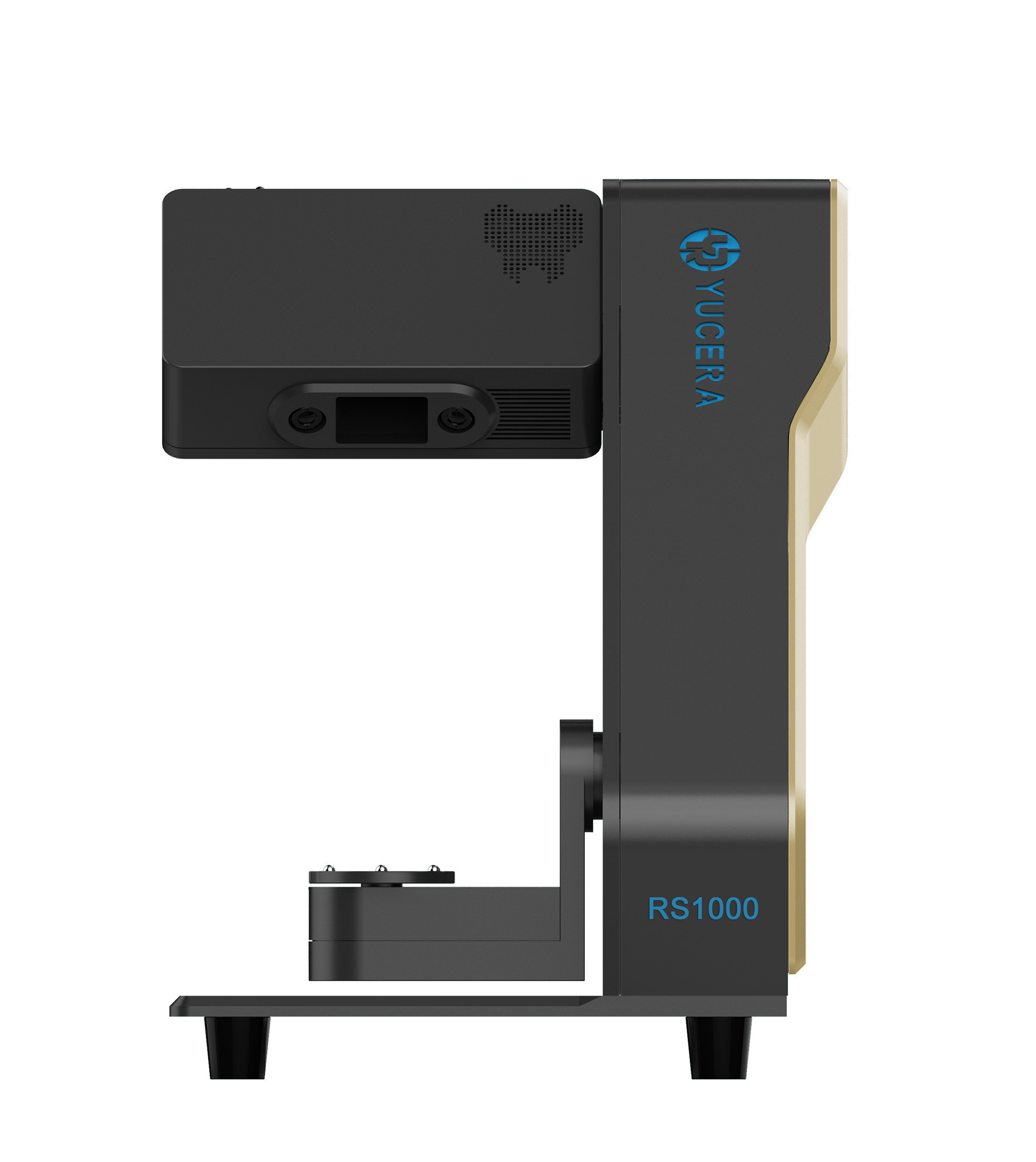
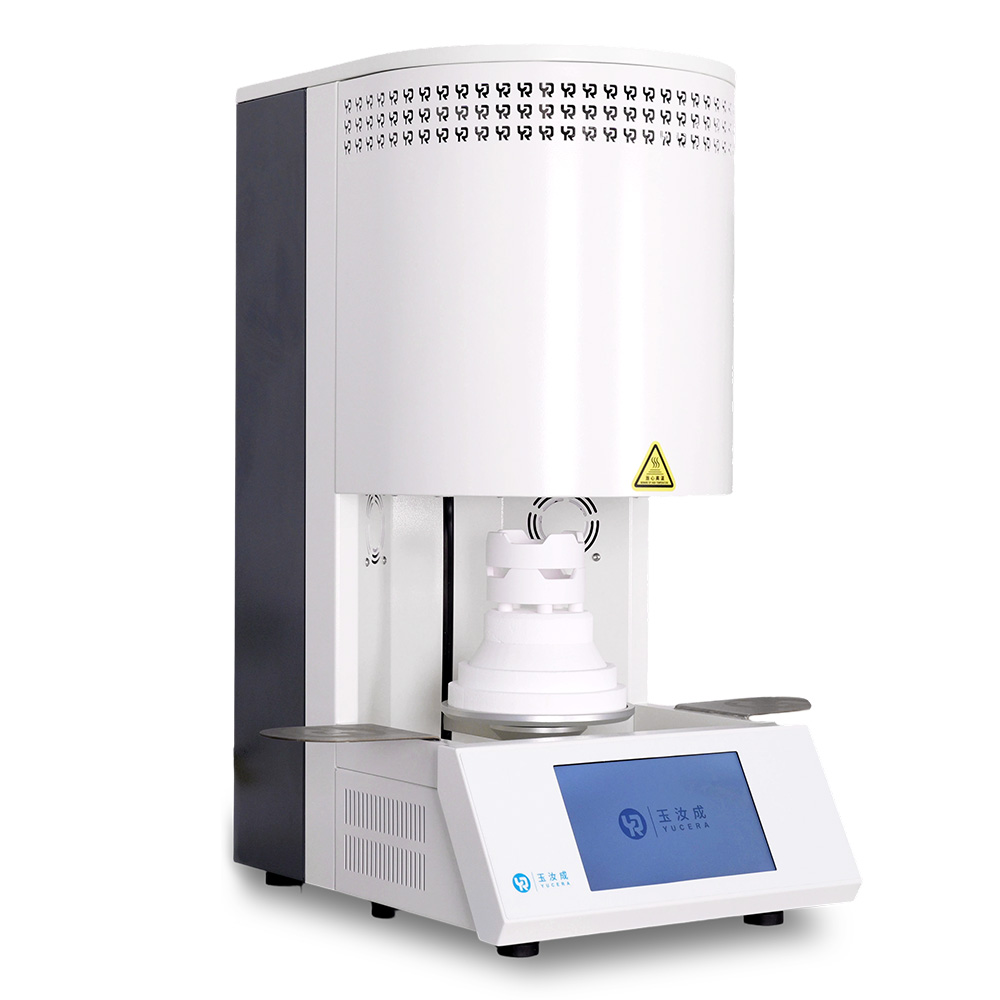
40-min cycle for 60 crowns, dual-layer crucible and 200°C/min heating.
learn more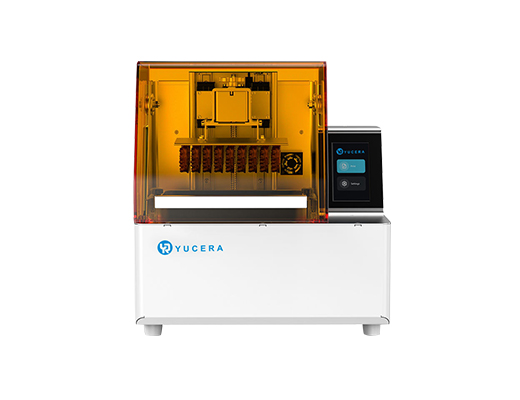
High-speed LCD printer for guides, temporaries, models with 8K resolution.
learn more