

 中 文
中 文

Advancements in Dental Sintering Furnaces: Key Trends, Innovations, and Best Practices for 2025
2025-12-01
2026-07-16
Modern ceramic restorations owe much of their success to a device that often receives less attention than scanners or milling machines—the dental porcelain furnace.
Although digital dentistry is commonly associated with CAD/CAM systems, porcelain furnaces have been an essential part of restorative dentistry for more than a century. They made it possible to fabricate durable ceramic restorations, improve esthetics, and achieve predictable firing results long before digital workflows became standard.
Today, intelligent vacuum furnaces can precisely control temperature, vacuum pressure, heating rates, and firing curves, producing highly consistent ceramic restorations. But this level of precision was achieved through decades of technological evolution.
This article explores the history of dental porcelain furnaces and how ceramic firing technology has evolved from manual craftsmanship to intelligent digital manufacturing.
The history of porcelain firing in dentistry began well before dedicated dental furnaces existed.
In 1774, French pharmacist Alexis Duchâteau experimented with porcelain dentures to replace ivory dentures, which were prone to discoloration and unpleasant odors. His work inspired dentist Nicolas Dubois de Chémant, who further developed porcelain denture technology and received one of the earliest patents for porcelain dental prostheses in 1791.
At that time, restorations were fired in conventional ceramic kilns. Temperature control was inconsistent, making successful ceramic fabrication highly dependent on the technician's experience.
Although primitive by today's standards, these early experiments established porcelain as an important restorative material.
As porcelain restorations became more common, general ceramic kilns could no longer meet the accuracy required for dental applications.
Small dedicated dental porcelain furnaces gradually appeared during the early twentieth century.
These early furnaces were typically heated by gas or alcohol burners and offered little control over temperature. Operators judged firing progress by observing the color of the ceramic and estimating heating time.
Despite their limitations, these specialized furnaces significantly improved consistency compared with traditional pottery kilns and marked the beginning of professional ceramic firing in dental laboratories.
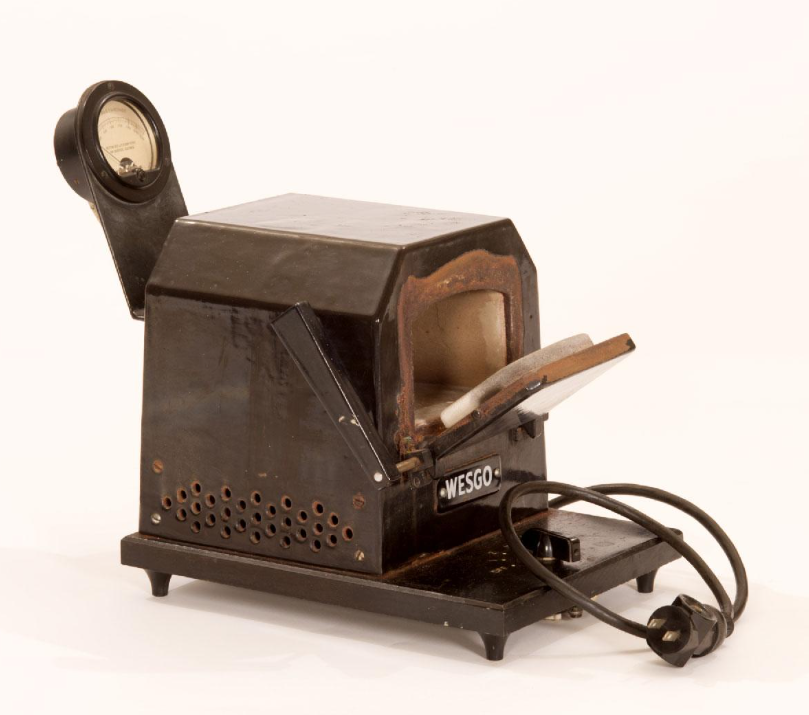
The introduction of electric heating elements transformed porcelain firing.
Electric porcelain furnaces provided:
Instead of relying solely on visual observation, technicians could begin using calibrated temperature settings, improving restoration quality while reducing firing failures.
These improvements also increased productivity as laboratories handled a growing number of ceramic restorations.
One of the most significant milestones in restorative dentistry was the widespread adoption of porcelain-fused-to-metal (PFM) restorations.
PFM crowns combined the strength of metal frameworks with the esthetics of porcelain veneers, quickly becoming the standard solution for fixed prosthodontics.
However, producing PFM restorations required multiple firing cycles, including:
This increased demand for programmable temperature control.
Manufacturers responded by introducing programmable firing schedules, thermocouple temperature monitoring, and more precise heating control, laying the foundation for today's digital ceramic furnaces.
As all-ceramic restorations became increasingly popular, vacuum firing emerged as one of the most important advances in porcelain furnace technology.
Vacuum firing removes air during the firing cycle, reducing internal porosity and improving ceramic density.
The benefits include:
By the late twentieth century, vacuum porcelain furnaces had become standard equipment in many professional dental laboratories.
The rapid expansion of CAD/CAM technology fundamentally changed how ceramic restorations were manufactured.
Instead of manually fabricating every restoration, technicians began milling ceramic blocks and completing the restoration through specialized firing procedures.
Modern porcelain furnaces expanded beyond conventional porcelain firing to support:
Touchscreen interfaces and programmable material libraries simplified operation while improving process consistency across different ceramic systems.
Rather than replacing porcelain furnaces, CAD/CAM technology made them an even more essential part of the digital workflow.
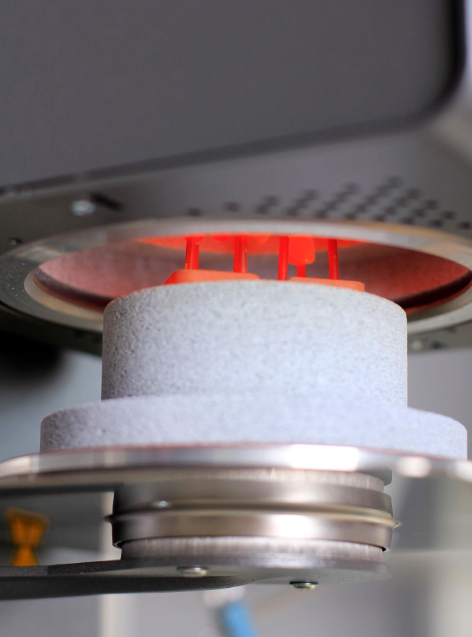
Today's porcelain furnaces combine precise thermal control with intelligent software.
Modern systems commonly include:
Some advanced laboratories also integrate porcelain furnaces into digital production management systems, allowing technicians to standardize ceramic processing across multiple workstations.
Although artificial intelligence is beginning to assist with workflow optimization, ceramic firing still depends on carefully controlled thermal processing—making the porcelain furnace one of the most important finishing devices in restorative dentistry.
| Period | Major Development |
|---|---|
| 1774 | First porcelain denture experiments |
| 1791 | Early porcelain denture patent |
| 1900–1930 | Dedicated dental porcelain furnaces introduced |
| 1930–1950 | Electric porcelain furnaces improve consistency |
| 1950–1980 | Programmable firing supports PFM restorations |
| 1980–2000 | Vacuum firing becomes industry standard |
| 2000–2015 | CAD/CAM ceramic processing expands furnace applications |
| 2015–2026 | Intelligent touchscreen furnaces with programmable workflows |
Although both devices use heat to process dental restorations, they perform very different functions.
| Feature | Porcelain Furnace | Zirconia Sintering Furnace |
|---|---|---|
| Primary Purpose | Fire porcelain, crystallize glass ceramics, stain and glaze restorations | Fully densify pre-sintered zirconia restorations |
| Typical Temperature | Approximately 700–1,200°C (depending on the material and program) | Approximately 1,450–1,600°C |
| Vacuum System | Commonly included to reduce porosity | Typically not used during zirconia sintering |
| Main Applications | Veneering, glazing, crystallization, ceramic characterization | Final sintering of zirconia crowns, bridges, and implant restorations |
Understanding the difference helps laboratories select the correct thermal equipment for each restorative material and avoid processing errors.
The future of porcelain furnaces will focus less on higher temperatures and more on greater intelligence.
Emerging developments include:
As restorative materials continue to evolve, porcelain furnaces will remain essential for delivering highly esthetic and predictable ceramic restorations.
From manually heated ceramic kilns to intelligent touchscreen vacuum furnaces, the evolution of dental porcelain firing reflects the broader transformation of restorative dentistry.
Each technological milestone—electric heating, programmable firing, vacuum technology, CAD/CAM compatibility, and digital automation—has improved consistency, esthetics, and laboratory efficiency.
Even in the era of artificial intelligence and fully digital workflows, the porcelain furnace remains a cornerstone of high-quality ceramic restoration, bridging traditional craftsmanship with modern digital manufacturing.

Dry & wet milling for zirconia, PMMA, wax with auto tool changer.
learn more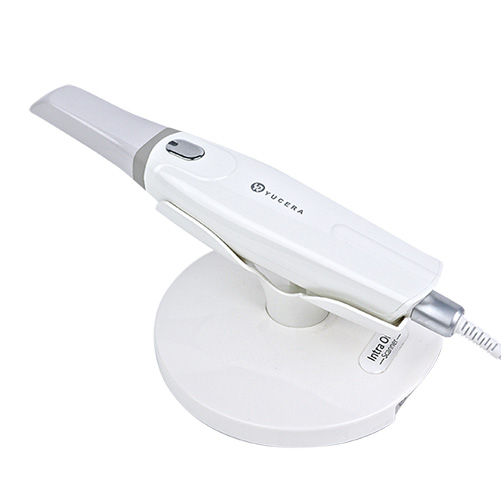
High-precision 3D scanning, AI calibration, full-arch accuracy.
learn more
40-min full sintering with 57% incisal translucency and 1050 MPa strength.
learn more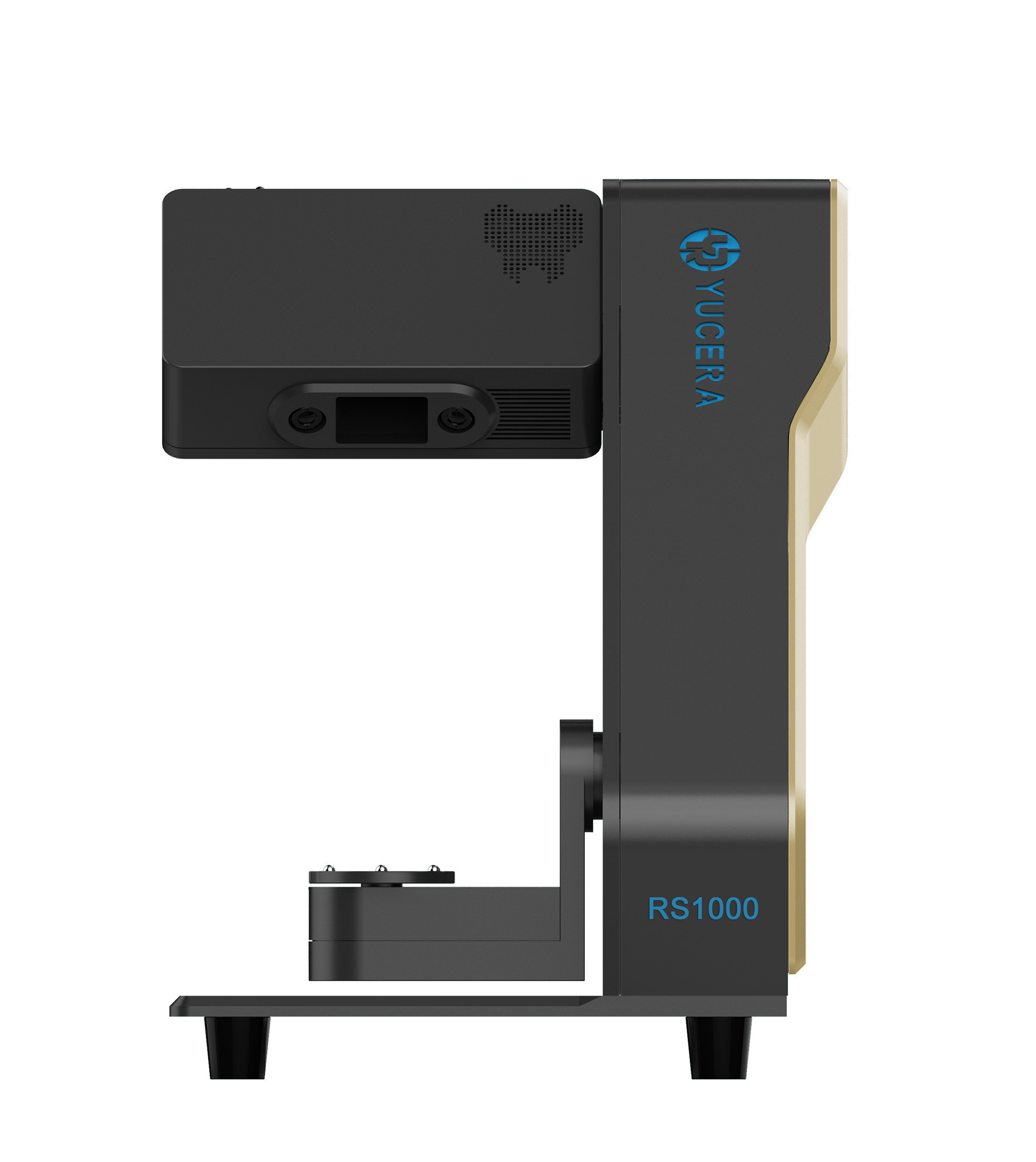
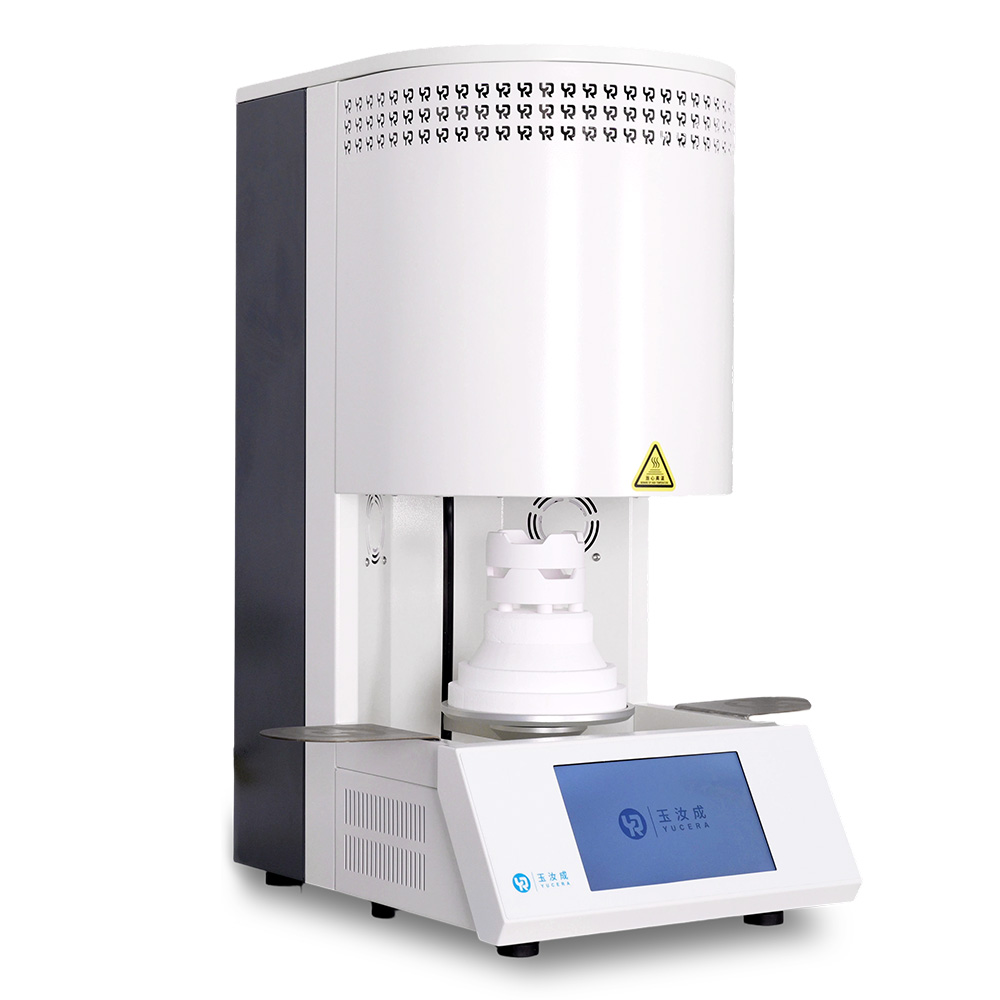
40-min cycle for 60 crowns, dual-layer crucible and 200°C/min heating.
learn more
High-speed LCD printer for guides, temporaries, models with 8K resolution.
learn more