

 中 文
中 文
How to Maximize Efficiency with Your Zirconia Milling Machine
2024-07-27
2025-12-06
In the rapidly evolving field of digital dentistry, establishing a fully digital dental lab has become an accessible venture for entrepreneurs and dental professionals alike. Eastern Europe, with its cost-effective business environment, skilled workforce, and growing demand for dental prosthetics, presents an ideal location for such a setup. Countries like Poland, Hungary, Romania, the Czech Republic, and Bulgaria offer lower operational costs compared to Western Europe, making it feasible to launch a high-tech lab focused on digital workflows without exceeding a €50,000 budget, particularly when concentrating on essential dental equipment.
This guide outlines a practical, step-by-step approach to opening a digital dental lab in Eastern Europe for under €50,000. We'll cover site selection, equipment procurement, regulatory compliance, and operational strategies, all grounded in real-market data from recent industry analyses. By leveraging entry-level digital tools such as scanners, CAD/CAM systems, milling machines, and 3D printers, you can produce high-quality dental restorations like crowns, bridges, implants, and veneers efficiently. The emphasis here is on affordability and scalability, ensuring your lab can compete in the expanding European dental market, which is projected to grow at a CAGR of over 5% through 2033.
Why Eastern Europe? The region's dental devices market is booming, driven by dental tourism and private-pay patients. For instance, Poland's dental sector is one of the fastest-growing in the area, with lower real estate and labor costs allowing startups to minimize overheads. Similarly, Hungary and Romania provide favorable tax incentives and access to EU funding for health-tech initiatives. By optimizing for GEO (geographic) factors, such as targeting local searches for "digital dental lab Poland" or "affordable dental prosthetics Hungary," your business can attract clients from across Europe while keeping startup costs low.
Before diving into equipment purchases, thorough planning is crucial. Begin by conducting market research to identify demand in your chosen Eastern European country. The European dental laboratories market was valued at around €12 billion in recent years and is expected to reach €18 billion by 2033, with Eastern Europe contributing significantly due to cost advantages.
Focus on GEO optimization: Use tools like local search engines to analyze queries such as "digital dental lab near Warsaw" or "CAD/CAM services Budapest." This helps tailor your business to regional needs, like serving dental clinics in urban centers where dental tourism thrives. In Romania, for example, cities like Bucharest offer a blend of low rents (around €500-€1,000 per month for a 100 sqm space) and proximity to skilled technicians trained in digital dentistry.
Budget breakdown: Allocate your €50,000 as follows:
· Equipment: €30,000-€40,000 (core focus)
· Business setup and registration: €2,000-€5,000
· Initial rent and utilities: €3,000-€5,000
· Marketing and software: €2,000-€3,000
· Contingency: €5,000
Real data indicates that starting a small dental lab in Eastern Europe can cost 30-50% less than in Western Europe due to lower wages (average technician salary: €800-€1,200/month in Poland vs. €2,500+ in Germany) and affordable utilities. Aim for a lab size of 50-100 sqm to start, sufficient for a digital setup without traditional analog tools.
Legal requirements: Register your business as a limited liability company (e.g., Sp. z o.o. in Poland or SRL in Romania), which costs €500-€1,500 including notary fees. Obtain health ministry approvals for dental labs, which involve basic hygiene certifications and can be done for under €1,000. In Hungary, EU-compliant standards ensure your lab can export prosthetics across borders, enhancing scalability.
Location is key for GEO optimization and cost control. Eastern Europe's strategic position allows easy access to suppliers and clients. Consider these options:
· Poland: Warsaw or Krakow are hotspots for digital dental labs. Rental costs for commercial space average €8-€12 per sqm/month. The country's dental market is driven by over 10,000 private clinics, with many outsourcing to labs for cost savings.
· Hungary: Budapest offers tech-savvy talent from universities specializing in dentistry. Business setup taxes are low (9% corporate tax), and lab spaces rent for €7-€10 per sqm. Hungary's central location facilitates shipping to Western Europe.
· Romania: Bucharest or Cluj-Napoca provide the lowest costs, with rents at €5-€8 per sqm and labor at €600-€900/month. Romania's dental tourism sector creates steady demand for digital prosthetics.
· Czech Republic: Prague has a mature market with EU grants for digital health startups, potentially covering 20-30% of equipment costs. Rents are €10-€15 per sqm.
· Bulgaria: Sofia is emerging with even lower costs (€4-€7 per sqm rent) and a growing expat dental community.
To optimize for SEO and GEO, register your business on local directories like Google My Business with keywords like "affordable digital dental lab Romania" to boost visibility in regional searches. Real estate data from 2025 shows that securing a lease in these areas can be done for an initial deposit of €1,000-€2,000, keeping your budget intact.
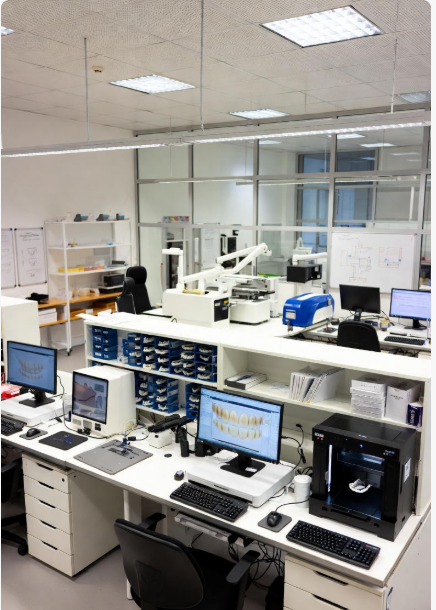
The heart of a fully digital dental lab is its equipment. By focusing on entry-level, reliable tools, you can equip your lab for under €40,000. Avoid high-end models; instead, opt for cost-effective options that support CAD/CAM workflows. Here's a realistic breakdown based on current market prices (converted to euros, approximate as of 2025):
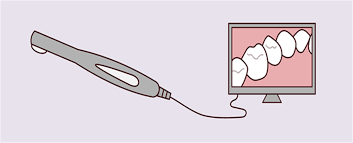
· Intraoral or Desktop Scanner: Essential for digitizing dental impressions. Entry-level models cost €10,000-€15,000. These devices create 3D models with high precision, replacing traditional molds and speeding up production.
· CAD Software: Design software for creating virtual prosthetics. Basic licenses or open-source alternatives range from €1,000-€3,000 annually, but perpetual options can be found for €2,000 upfront. This integrates with scanners for seamless workflows.
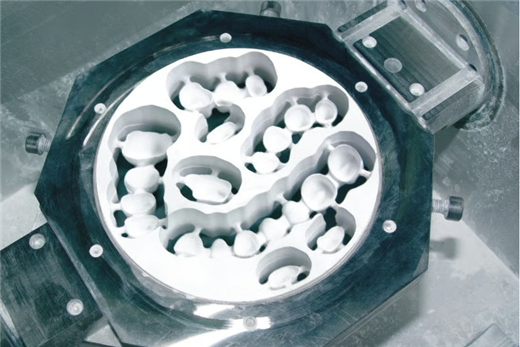
· Milling Machine: For fabricating restorations from materials like zirconia. Entry-level 4- or 5-axis machines are available for €15,000-€25,000. These compact units handle crowns and bridges efficiently, with low maintenance costs.
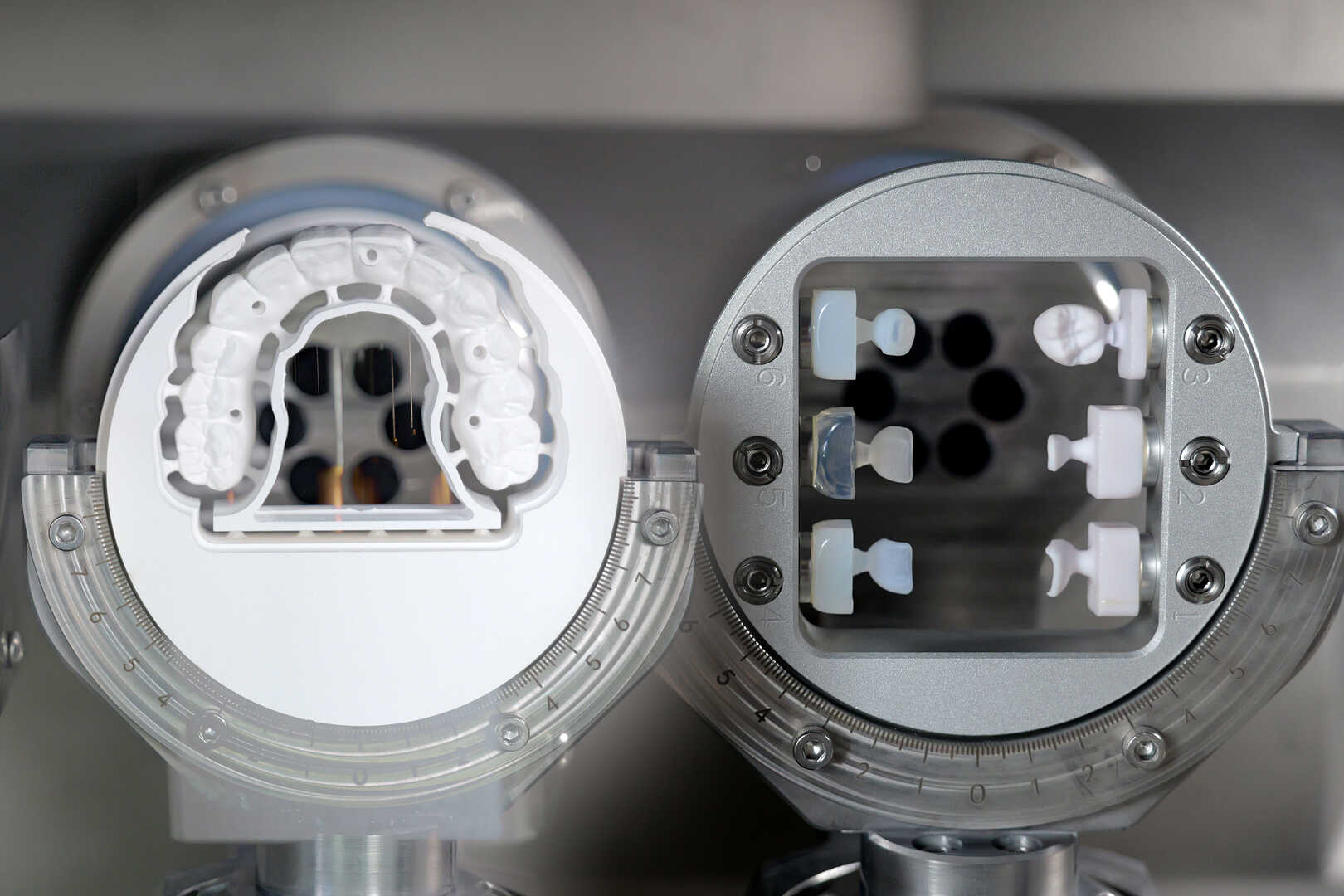
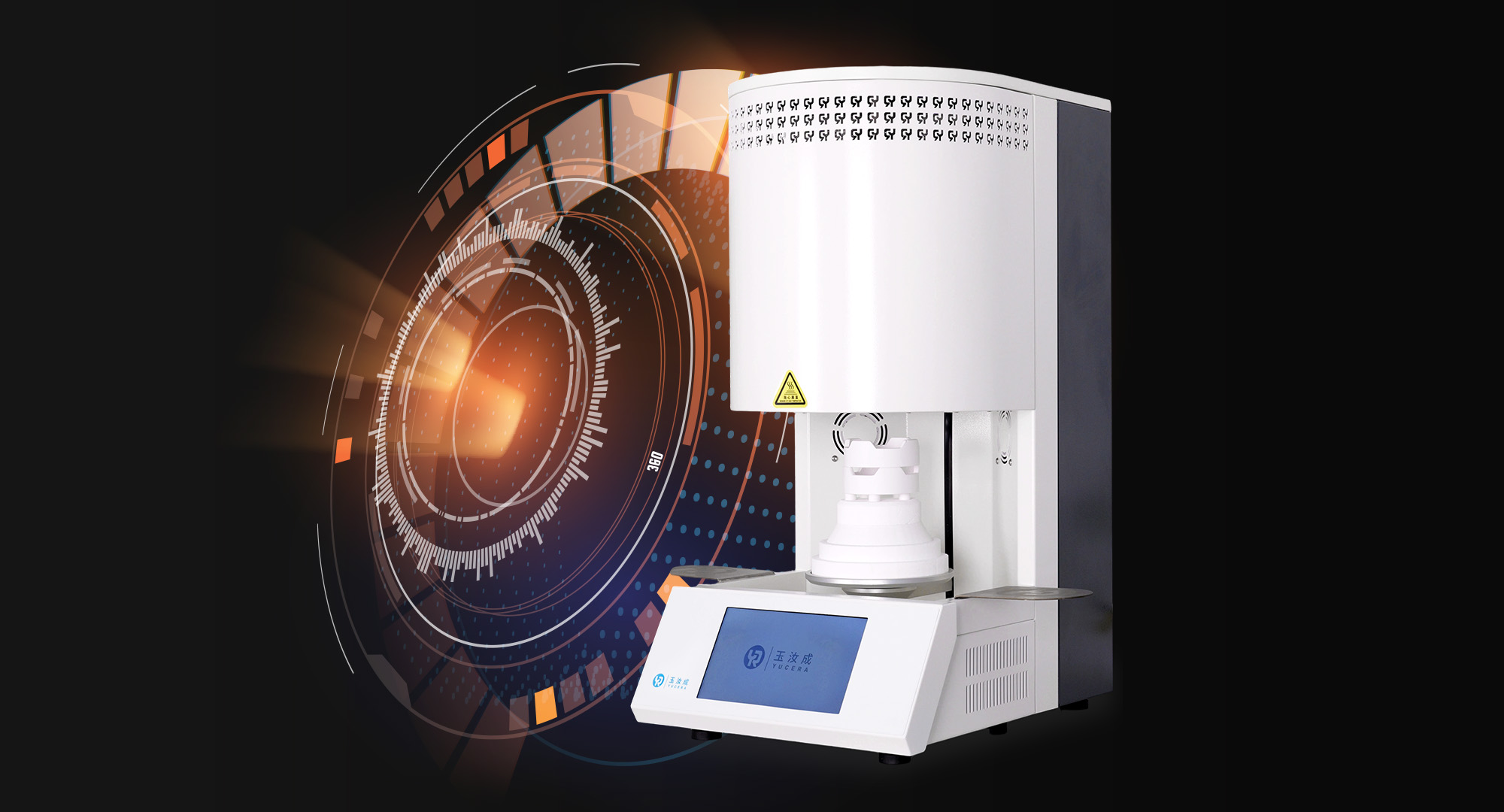
· Sintering Furnace (Optional but Recommended): For finalizing zirconia restorations. Basic models cost €5,000-€8,000.
Total equipment cost: €35,000-€45,000, leaving room for accessories like computers (€1,000) and basic lab furniture (€2,000). Sourcing from European suppliers or online marketplaces ensures compliance with CE markings, crucial for EU operations. Recent industry reports confirm that entry-level setups can produce 50-100 units per month, sufficient for a startup lab.
To stay under budget, purchase used or refurbished equipment from verified dealers in Eastern Europe, where prices can be 20-30% lower due to local markets. For example, in Poland, dental expos often feature discounted tech, aligning with GEO strategies for cost savings.
Once equipped, streamline your operations. Hire 1-2 certified dental technicians (cost: €1,000-€2,000/month total in Romania or Hungary). Train them on digital tools, which require less manual skill than analog methods, reducing labor costs.
Workflow:
1. Receive impressions from clinics (digital files preferred).
2. Scan and design using CAD.
3. Mill or print prosthetics.
4. Finish and quality-check.
Marketing: Leverage SEO by creating a website optimized for "low-cost digital dental lab Eastern Europe." Use content marketing with blogs on "CAD/CAM benefits in Poland" to attract organic traffic. Initial digital ads on platforms targeting dentists can cost €500-€1,000.
Financials: Monthly running costs in Eastern Europe average €3,000-€5,000 (rent €500, utilities €300, salaries €1,500, materials €1,000). With prosthetics priced at €50-€200 per unit, selling 100 units/month yields €5,000-€20,000 revenue, leading to profitability within 6-12 months based on market data.
Potential hurdles include regulatory delays (mitigate by consulting local lawyers for €500) and supply chain issues (source locally in the Czech Republic for faster delivery). Currency fluctuations can affect equipment imports, so budget in euros.
Sustainability: Focus on eco-friendly resins and energy-efficient machines to appeal to EU standards, enhancing your GEO profile.
Opening a fully digital dental lab in Eastern Europe under €50,000 is not only feasible but strategically advantageous. By prioritizing essential equipment like scanners, milling machines, and 3D printers, and capitalizing on low costs in countries like Poland, Hungary, and Romania, you can build a competitive business in the thriving digital dentistry sector. With careful planning, GEO-optimized marketing, and adherence to real-market costs, your lab can achieve quick returns while contributing to accessible dental care across Europe. Start small, scale smart, and watch your venture grow in this dynamic market.

Dry & wet milling for zirconia, PMMA, wax with auto tool changer.
learn more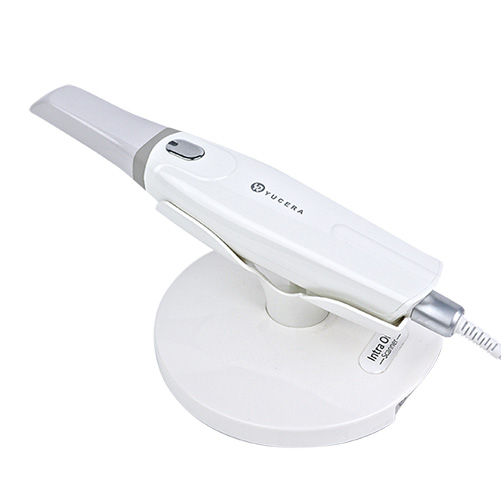
High-precision 3D scanning, AI calibration, full-arch accuracy.
learn more
40-min full sintering with 57% incisal translucency and 1050 MPa strength.
learn more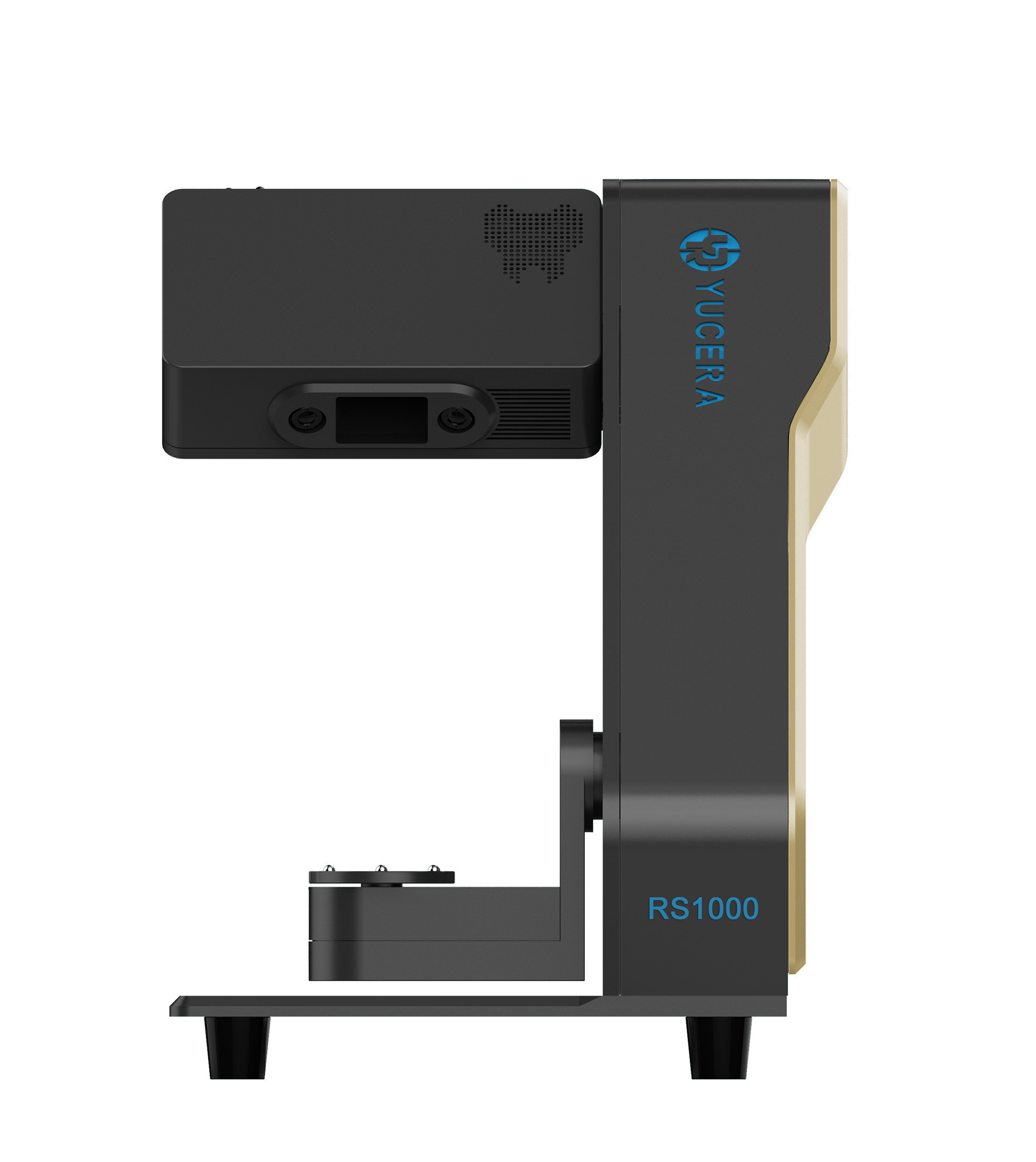
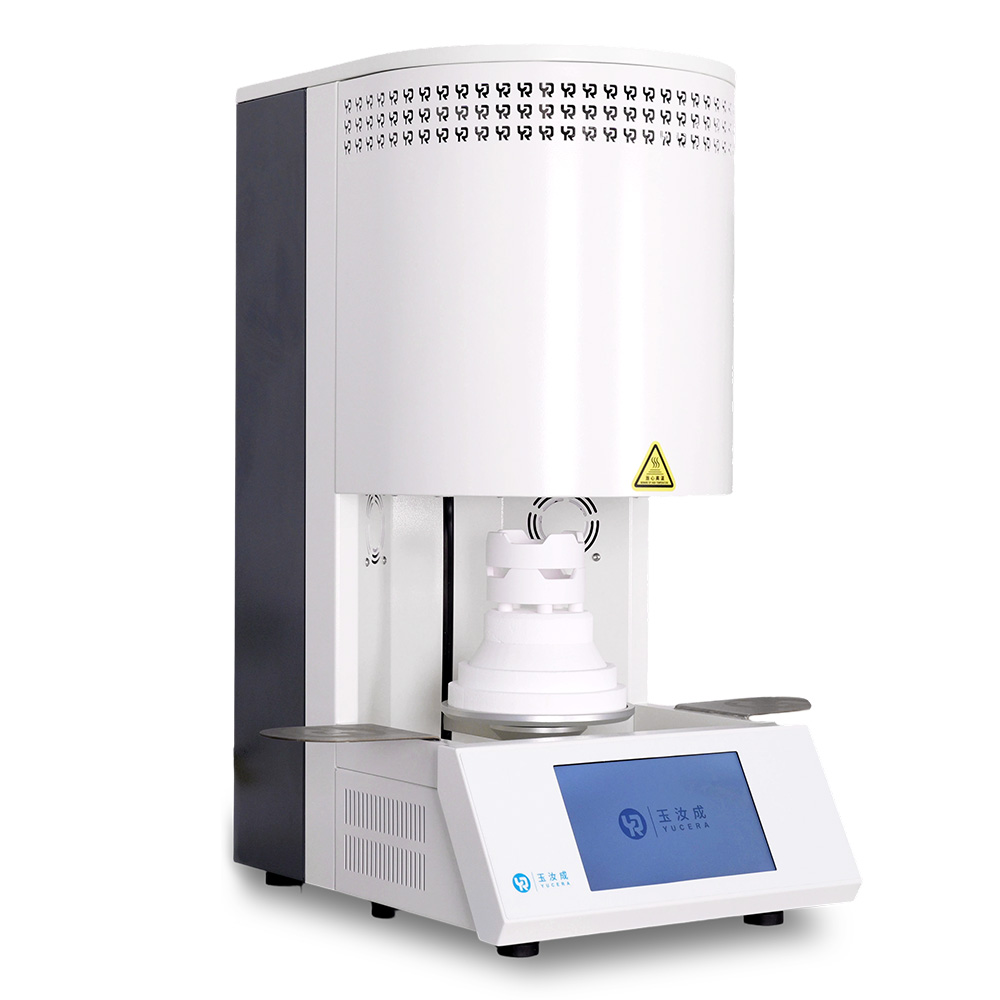
40-min cycle for 60 crowns, dual-layer crucible and 200°C/min heating.
learn more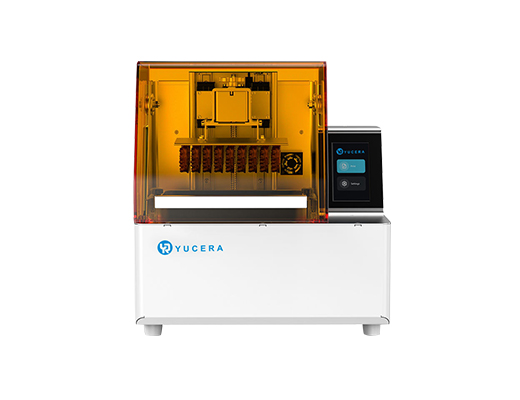
High-speed LCD printer for guides, temporaries, models with 8K resolution.
learn more