

 中 文
中 文
Fast Sintering vs. Traditional Sintering: Which Is Right for Your Dental Lab?
2025-10-25
2025-12-15
Dental tourism is transforming Africa's dental sector by boosting demand for advanced technologies like CAD/CAM (Computer-Aided Design and Computer-Aided Manufacturing). Patients from Europe, North America, and the Middle East seek affordable, high-quality treatments in destinations such as South Africa, combining care with travel experiences. In 2025, the Middle East and Africa (MEA) dental market is valued at USD 1.33 billion, projected to reach USD 2.81 billion by 2032 at a CAGR of 9.8%. Digital segments, including CAD/CAM, are key drivers as clinics invest in precision tools to attract international patients.
CAD/CAM enables same-day restorations, implants, and cosmetic procedures with superior accuracy, aligning perfectly with tourists' needs for quick, reliable outcomes. In South Africa, urban centers like Johannesburg and Cape Town lead this trend, while emerging hubs in Nigeria and Kenya follow. This article examines dental tourism's influence on Africa's CAD/CAM market, including growth drivers, applications, benefits, challenges, and forecasts to 2032.
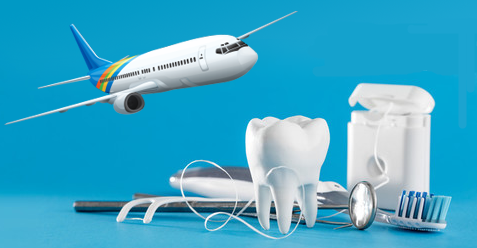
Dental tourism in Africa grows steadily, though smaller than in Asia or Europe. South Africa emerges as a primary hub, offering treatments at 50-70% lower costs than Western countries, paired with world-class facilities and attractions like safaris. Johannesburg and Cape Town clinics draw patients for implants, crowns, and veneers.
In MEA, dental tourism contributes to regional growth, with countries like Egypt and Turkey (often included in broader analyses) benefiting from medical tourism inflows. SSA sees rising interest in Nigeria's Lagos and Kenya's Nairobi, supported by improving infrastructure and skilled professionals. Globally, dental tourism reaches USD 7.7-10.9 billion in recent estimates, with MEA holding a modest but expanding share driven by cost advantages and digital advancements.
Tourists prioritize aesthetic and restorative procedures, where CAD/CAM excels in delivering natural-looking, durable results efficiently.
Dental tourists demand modern, minimally invasive treatments with minimal downtime. CAD/CAM meets this by enabling chairside milling of crowns and bridges in hours, reducing visits—ideal for short-stay travelers.
Clinics in Johannesburg invest in CAD/CAM systems to compete internationally, offering same-day services that boost profitability by 25-35% in digital-equipped facilities. In MEA, over 62% of tourism-focused clinics incorporate CAD/CAM and digital imaging for precision and efficiency.
Tourism stimulates technology upgrades: international patients expect standards matching or exceeding home countries, pushing adoption of AI-integrated CAD/CAM for diagnostics and planning. In South Africa, dental tourism radiation effects extend to neighboring countries, encouraging regional investments.
The global CAD/CAM market, projected to grow from USD 3.1 billion in 2025 to over USD 6 billion by 2033, sees MEA contributions rise due to tourism-fueled demand.
In South Africa, tourism supports public-private partnerships, expanding digital access.
Patients gain affordable access to advanced CAD/CAM restorations, often with vacation perks. Precision reduces complications, ensuring reliable outcomes abroad.
Providers benefit from higher volumes and margins on premium procedures. Tourism encourages innovation, like integrating 3D printing with CAD/CAM for custom solutions.
Overall, it elevates standards, benefiting local patients through improved facilities.
High CAD/CAM setup costs burden smaller clinics. Infrastructure issues, like power reliability in Nigeria and Kenya, affect operations.
Quality variation risks patient trust if standards falter. Follow-up care complications arise for tourists returning home.
Regulatory alignment needed for cross-border confidence.
By 2032, dental tourism will significantly shape Africa's CAD/CAM landscape within MEA's projected USD 2.81 billion market. Growth in South Africa, Nigeria, and Kenya will accelerate with better connectivity and marketing.
Trends include AI-enhanced CAD/CAM, teledentistry for consultations, and sustainable practices. Government promotions of medical tourism will further boost investments.
CAD/CAM's role in efficient, aesthetic treatments positions it centrally in tourism-driven expansion.
Rising dental tourism positively impacts Africa's CAD/CAM market by spurring adoption, innovation, and growth. In hubs like Johannesburg, Lagos, and Nairobi, it bridges cost and quality, promising equitable advancements by 2032.

Dry & wet milling for zirconia, PMMA, wax with auto tool changer.
learn more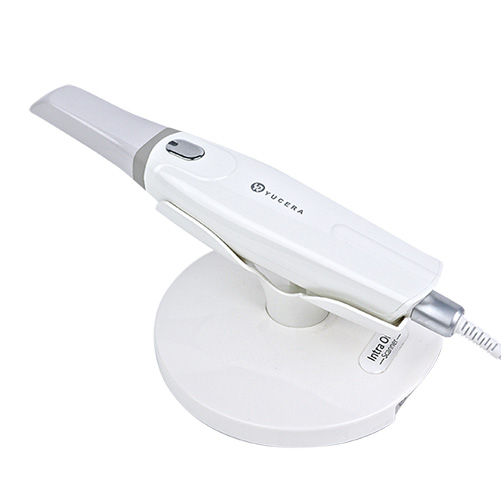
High-precision 3D scanning, AI calibration, full-arch accuracy.
learn more
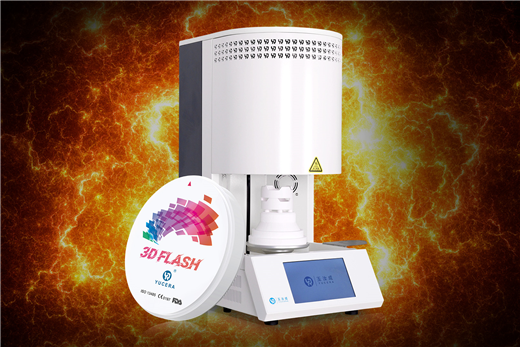
40-min full sintering with 57% incisal translucency and 1050 MPa strength.
learn more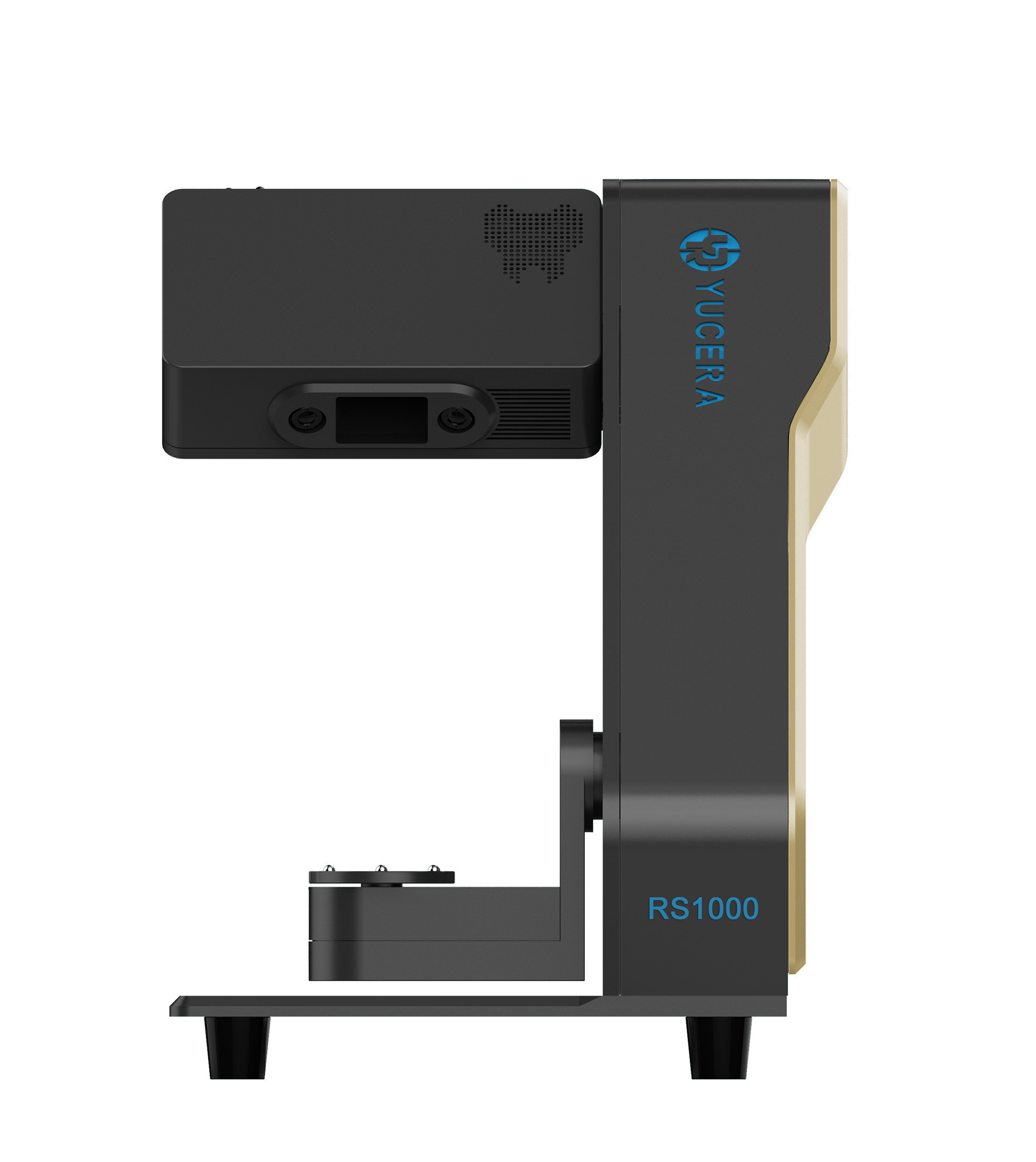
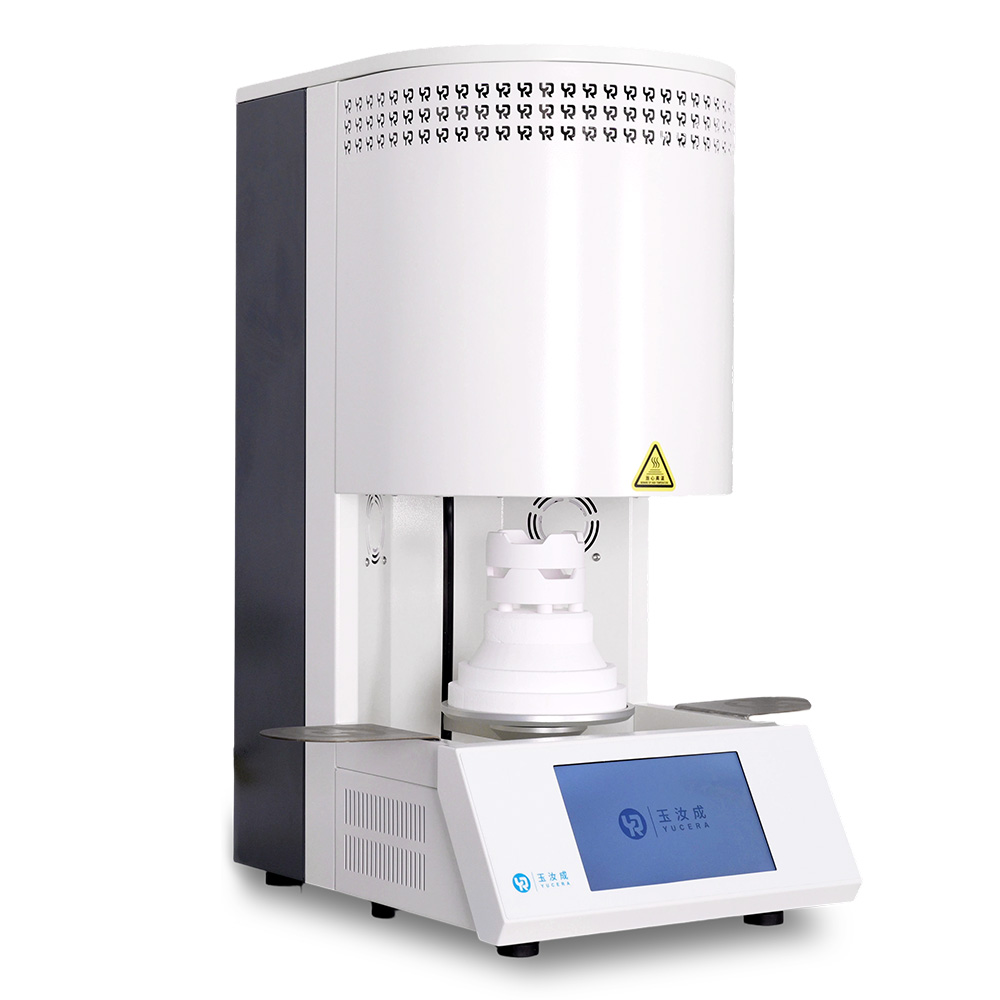
40-min cycle for 60 crowns, dual-layer crucible and 200°C/min heating.
learn more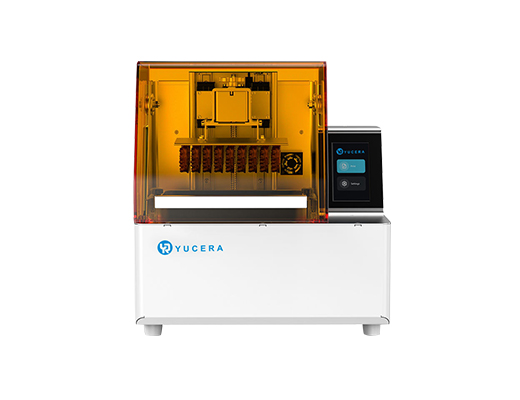
High-speed LCD printer for guides, temporaries, models with 8K resolution.
learn more