



 中 文
中 文
Direct Dental Composite Veneers: Advantages and Disadvantages Compared to Other Materials
2025-04-14
2026-05-09
In the South American dental implant market (including Brazil, Mexico, and Argentina), dental surgical guide mismatch errors have become a critical technical challenge affecting clinical outcomes. As digital implant workflows become more widely adopted, dental labs increasingly rely on resin-based 3D printing systems, yet issues such as marginal deviation, hole misalignment, and structural instability still occur in practice.
These problems are not solely design-related, but are strongly influenced by printer accuracy, material behavior, and post-processing control.
Surgical guides require precise sleeve positioning. Low XY accuracy can lead to deviation in drilling paths and implant alignment.
A commonly referenced benchmark in dental applications is around 29μm XY accuracy for high-precision systems.
Poor resolution reduces anatomical detail reproduction, especially in gingival and arch areas.
Most dental SLA/LCD printers use 8K resolution (7680 × 4320) to improve detail accuracy.
405nm UV resin may suffer from:
These issues directly affect surgical guide stability.
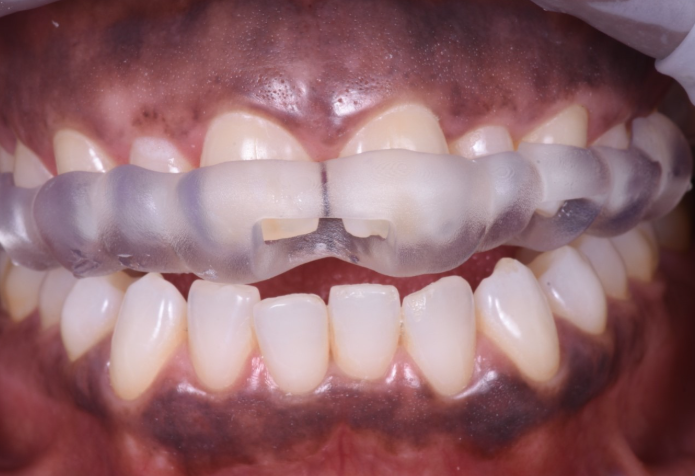
In South American dental labs, selection is increasingly focused on workflow stability rather than standalone performance metrics.
Devices with around ≤29μm precision capability are preferred for implant guide applications.
8K systems improve:
Ensures consistent curing performance and standardized material usage.
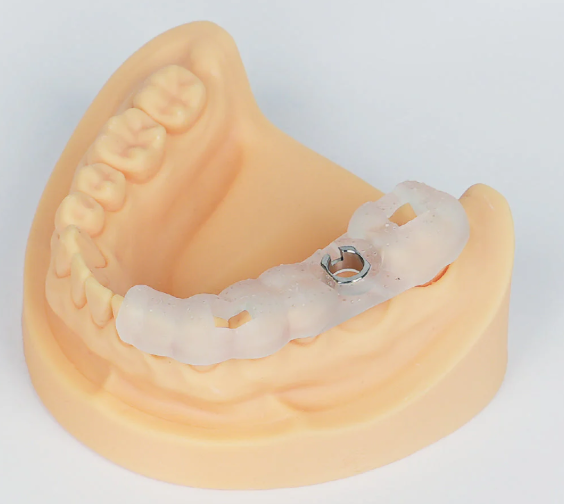
Avoid overly thin structures and ensure proper sleeve positioning.
Layer thickness must balance accuracy and production efficiency.
Includes cleaning, post-curing, and dimensional stabilization.
Dental implant procedures in South America are rapidly shifting toward fully digital workflows. Dental labs are increasingly adopting high-precision resin 3D printing systems to improve clinical predictability and consistency.
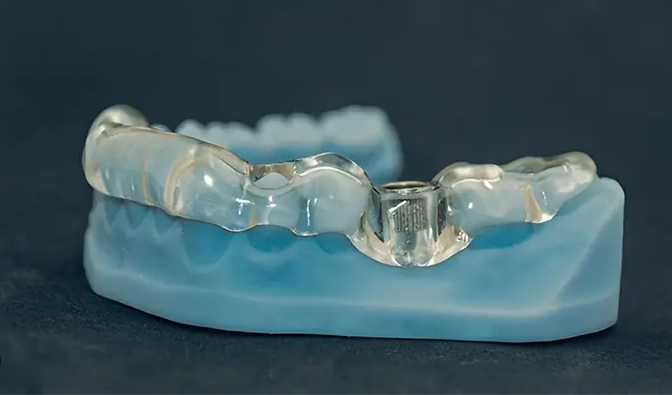
Surgical guide mismatch issues are mainly driven by printing precision, resolution, and resin curing stability. For South American dental labs, selecting systems with 8K resolution, ~29μm accuracy, and 405nm resin compatibility is essential to reducing deviation and improving implant workflow reliability.

Dry & wet milling for zirconia, PMMA, wax with auto tool changer.
learn more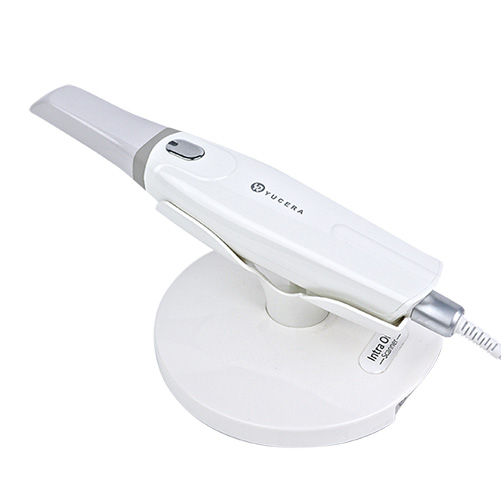
High-precision 3D scanning, AI calibration, full-arch accuracy.
learn more
40-min full sintering with 57% incisal translucency and 1050 MPa strength.
learn more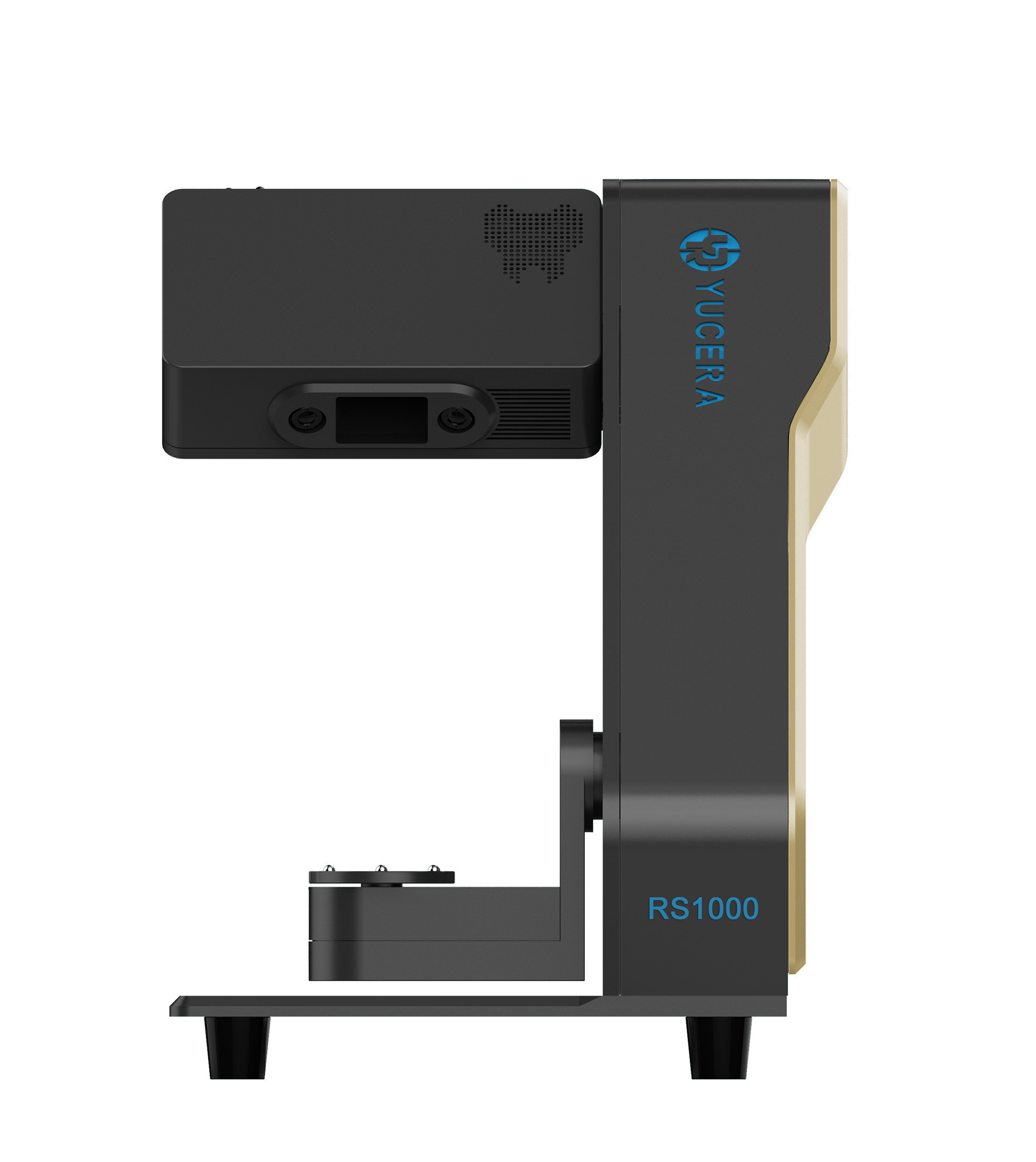
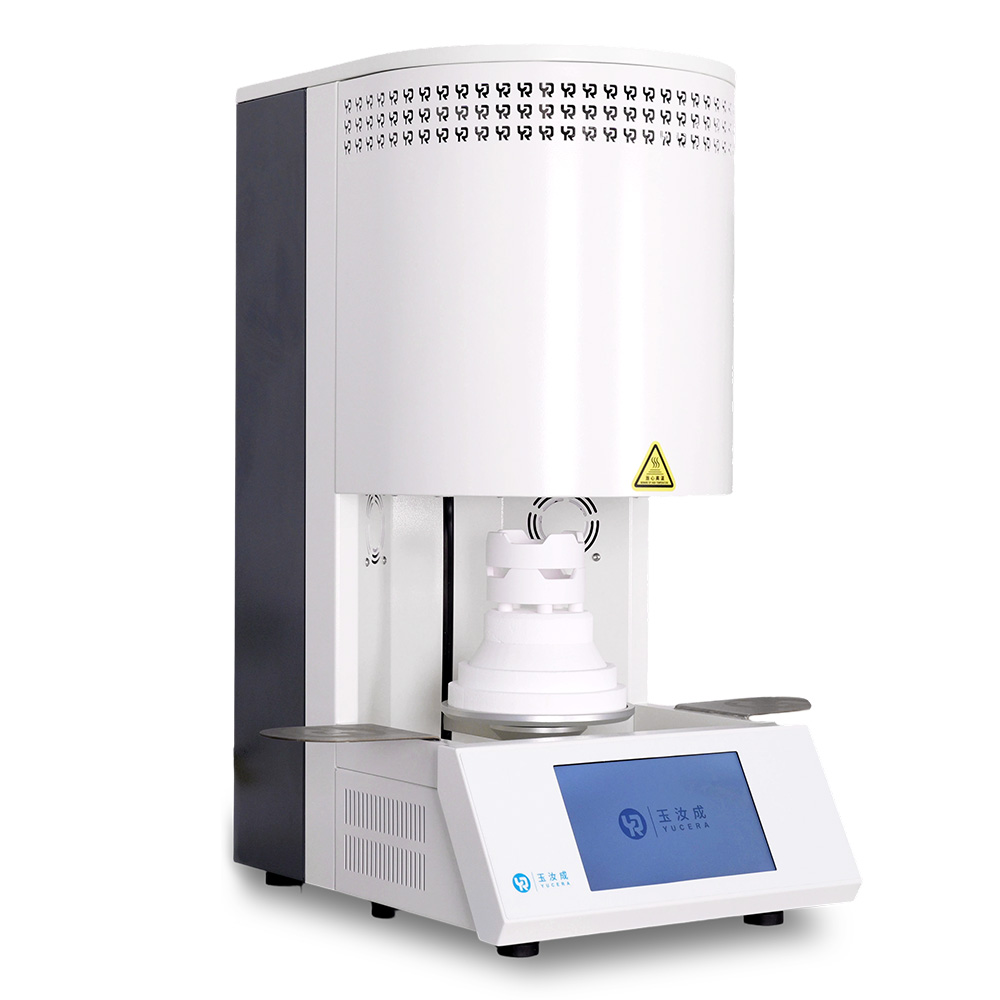
40-min cycle for 60 crowns, dual-layer crucible and 200°C/min heating.
learn more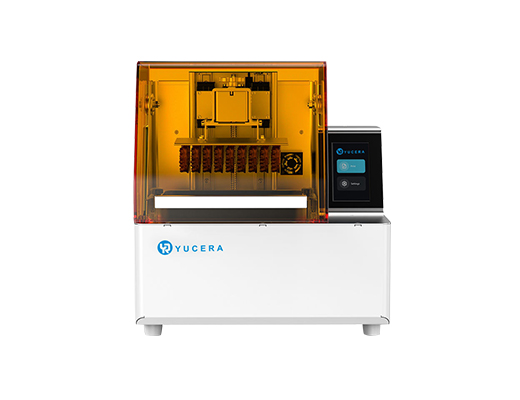
High-speed LCD printer for guides, temporaries, models with 8K resolution.
learn more


2025-04-14
2026-02-07
2026-01-24


