

 中 文
中 文
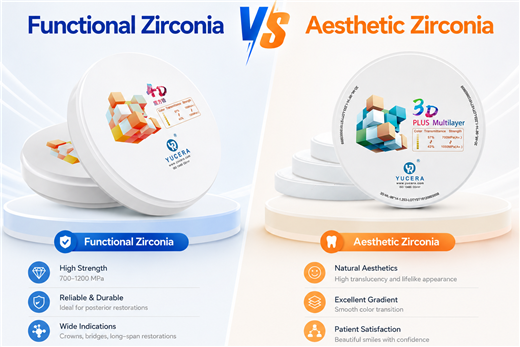
Functional Zirconia vs Aesthetic Zirconia: How to Choose the Right Multilayer Zirconia Block
2026-06-01
2026-06-30
Intraoral scanners have become one of the most transformative technologies in modern dentistry. Over the past few decades, they have replaced traditional impression materials and significantly improved the accuracy, efficiency, and patient experience in restorative and prosthetic dentistry.
The evolution of intraoral scanners is closely linked with the development of CAD/CAM systems and the broader shift toward digital dentistry. Today, they are an essential part of clinical and laboratory workflows worldwide.
An intraoral scanner is a handheld digital device used to capture direct optical impressions of the oral cavity. It generates a highly accurate 3D digital model of teeth and soft tissues, which can be used for restorative design, implant planning, orthodontics, and prosthetic fabrication.
Unlike traditional impression materials, intraoral scanners eliminate the need for physical molds, reducing discomfort and improving efficiency.
The development of this technology has played a key role in the transition from analog dentistry to fully digital workflows.
The origins of intraoral scanning can be traced back to early experiments in digital dentistry during the 1980s and 1990s. At this stage, CAD/CAM technology was still in its infancy, and systems were large, expensive, and limited in clinical use.
Early digital scanning systems were primarily used for research purposes and required significant technical expertise. Scanning speed was slow, and accuracy was limited compared to modern standards.
Despite these limitations, this period laid the foundation for future advancements in optical scanning and computer-aided dental design.
Key characteristics of this stage included:
The early 2000s marked a significant turning point in intraoral scanner development. Improvements in optical imaging, computing power, and software algorithms allowed scanners to become smaller, faster, and more accurate.
During this phase, intraoral scanners began to be introduced into clinical environments, particularly in restorative dentistry and prosthodontics.
The integration with CAD/CAM systems enabled a fully digital workflow, from scanning to design and manufacturing.
Major improvements included:
This stage also saw increased adoption in dental laboratories, where digital impressions started replacing traditional gypsum models in many workflows.
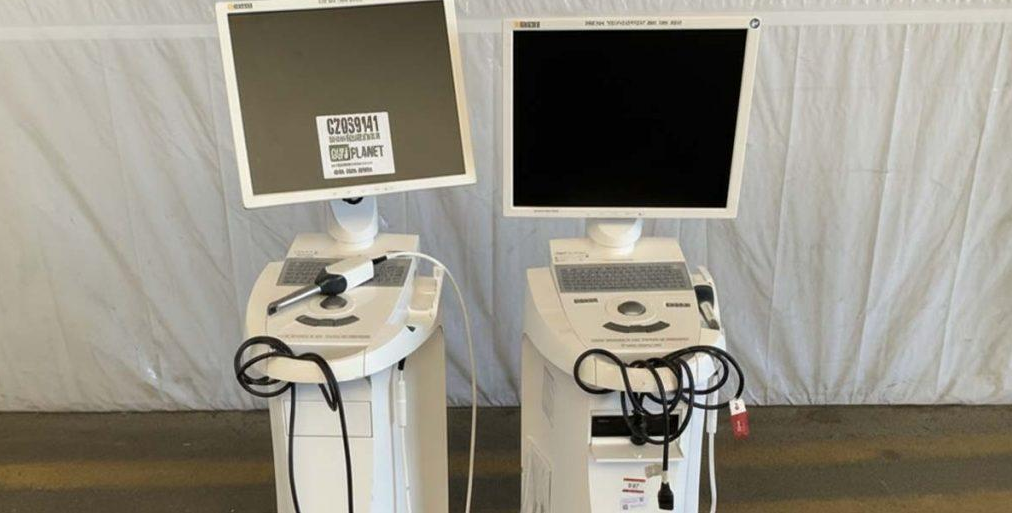
The modern generation of intraoral scanners represents a major leap in digital dentistry. Advances in artificial intelligence, optical technology, and cloud computing have significantly enhanced performance.
Modern scanners are lightweight, ergonomic, and capable of capturing full-arch scans in a matter of minutes. They are widely used in restorative dentistry, implantology, and orthodontics.
Key features of modern intraoral scanners include:
In addition, digital workflows have become fully integrated, allowing seamless communication between dental clinics and laboratories.
The introduction of intraoral scanners has fundamentally changed how dental procedures are performed and how laboratories operate.
Digital impressions reduce the risk of distortion commonly associated with traditional impression materials. This leads to more predictable restorative outcomes.
Digital workflows significantly reduce turnaround time. Data can be sent instantly to dental laboratories without physical shipping delays.
Patients no longer need to undergo uncomfortable impression procedures, improving overall satisfaction.
Digital files improve communication between dentists and technicians, reducing errors and remakes.
The shift from traditional impressions to digital scanning represents one of the most important transitions in dentistry.
| Feature | Intraoral Scanner | Traditional Impression |
|---|---|---|
| Accuracy | High precision digital data | Material-dependent |
| Comfort | Non-invasive | Often uncomfortable |
| Workflow | Fully digital CAD/CAM integration | Manual processing required |
| Speed | Fast data capture and transfer | Slower and physical transport needed |
| Storage | Digital files | Physical models |
This comparison highlights why digital scanning is becoming the standard in modern dental practices.
Intraoral scanners are a critical component of CAD/CAM dentistry. They serve as the starting point of the digital workflow, feeding accurate 3D data into design software.
A typical CAD/CAM workflow includes:
This integrated workflow improves efficiency and reduces human error throughout the production process.
The future of intraoral scanners is closely tied to artificial intelligence and automation.
Emerging trends include:
As digital dentistry continues to evolve, intraoral scanners will become even more central to clinical decision-making and laboratory workflows.
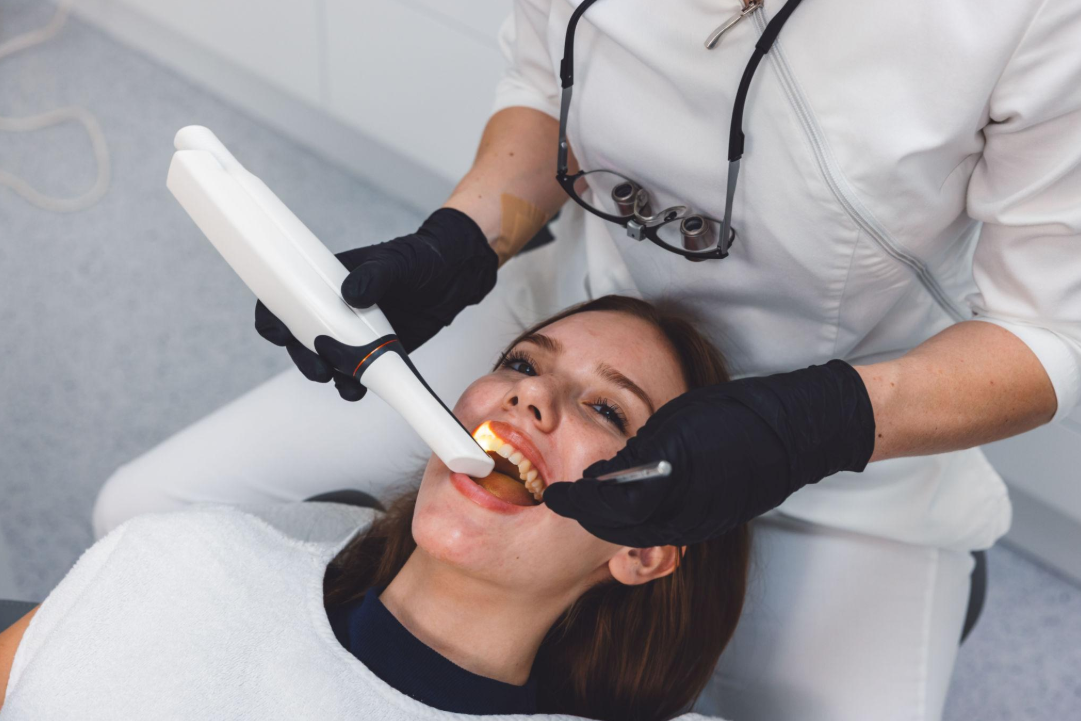
The evolution of intraoral scanners reflects the broader transformation of dentistry from analog processes to fully digital workflows.
From early experimental systems to today’s high-precision, AI-enhanced devices, intraoral scanners have significantly improved accuracy, efficiency, and patient comfort.
As technology continues to advance, they will remain a key component of CAD/CAM dentistry and digital dental ecosystems worldwide.

Dry & wet milling for zirconia, PMMA, wax with auto tool changer.
learn more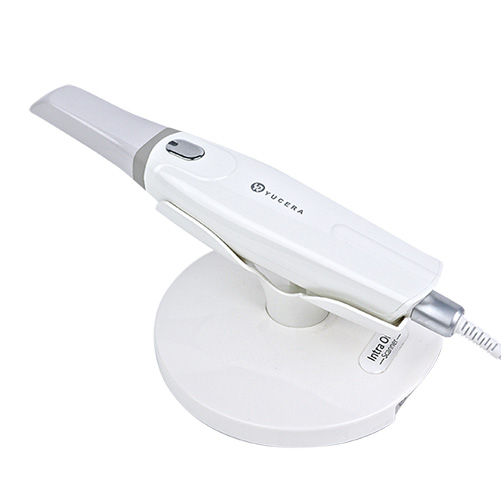
High-precision 3D scanning, AI calibration, full-arch accuracy.
learn more
40-min full sintering with 57% incisal translucency and 1050 MPa strength.
learn more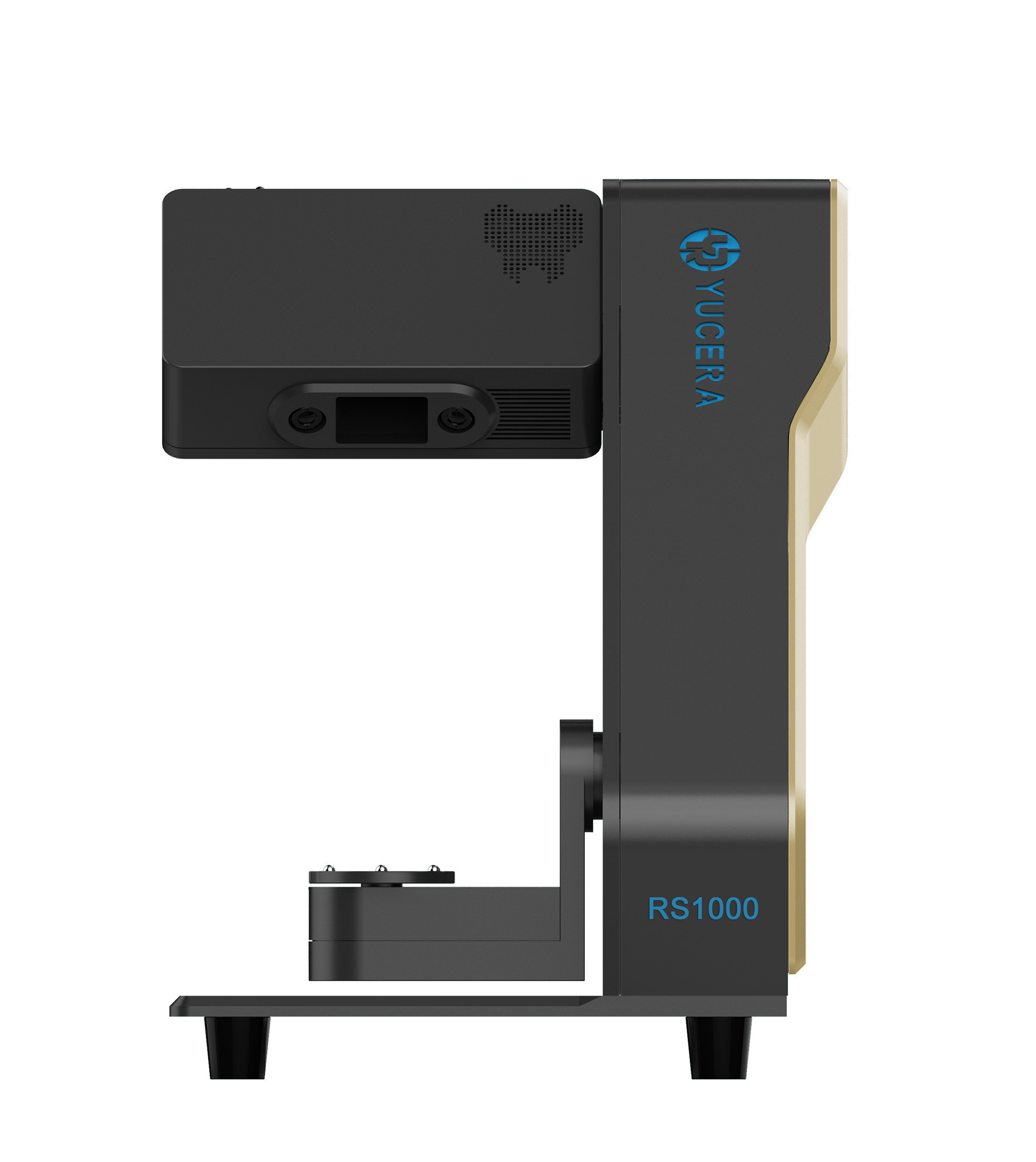
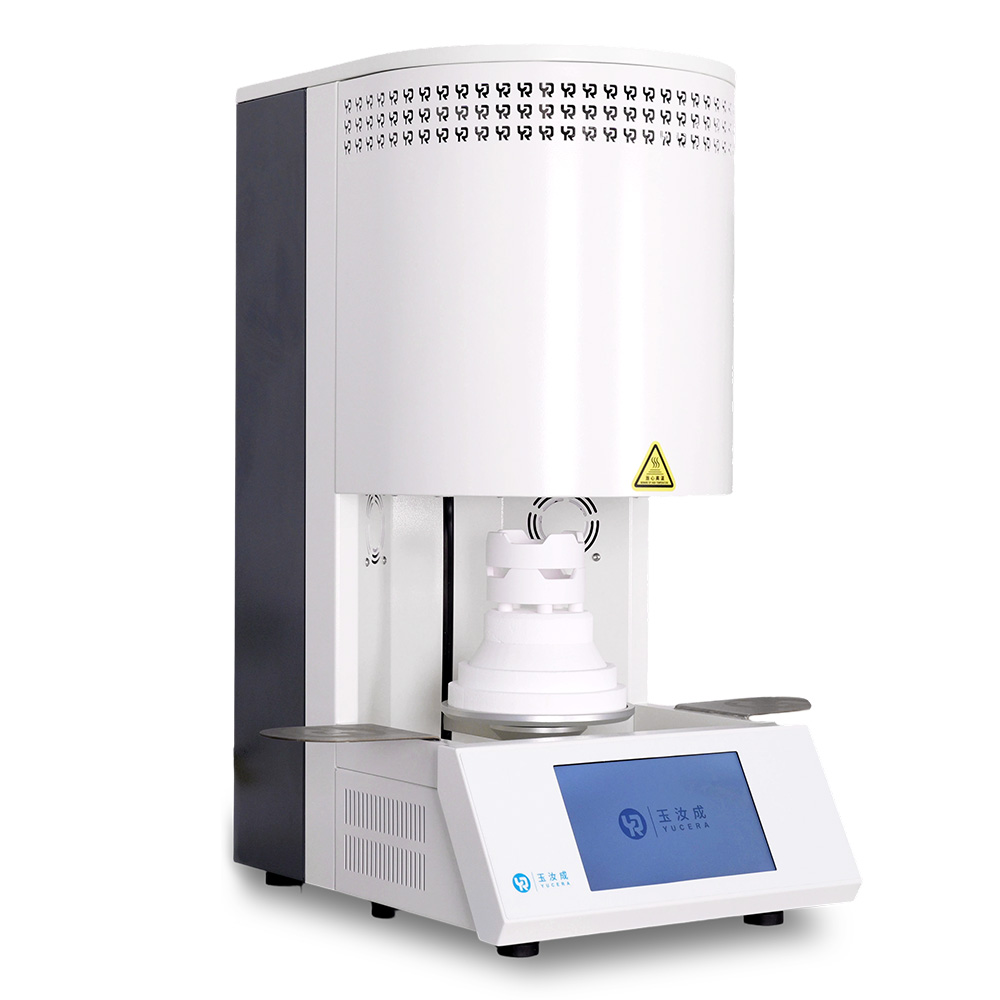
40-min cycle for 60 crowns, dual-layer crucible and 200°C/min heating.
learn more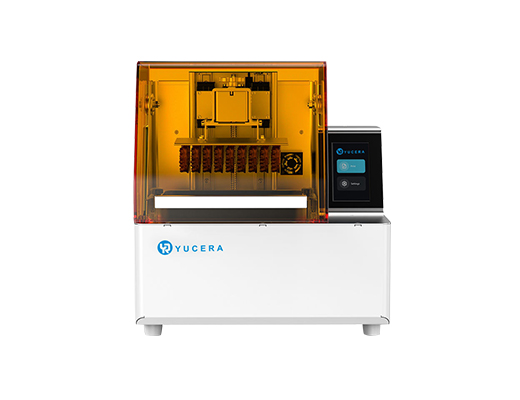
High-speed LCD printer for guides, temporaries, models with 8K resolution.
learn more