

 中 文
中 文
Discover 10 Essential Dental Materials Every Dentist Should Know
2025-04-09
2026-03-24
In 2026, European dental clinics and laboratories face stricter workplace regulations, rising energy costs, and growing demand for same-day CAD/CAM restorations. Traditional fixed-speed dust collectors for milling zirconia, PMMA, and hybrid materials often exceed 70–85 dB and consume excessive power during variable milling cycles. The new benchmark—vacuum systems delivering ≤60 dB noise combined with Variable Frequency Drive (VFD) technology—delivers quieter operation, up to 30–40% energy savings, and full compliance with EU Directive 2003/10/EC on noise and the Energy-related Products (ErP) Directive.
This practical guide provides clinics and labs across Germany, France, Italy, Spain, and the UK with data-driven insights, head-to-head comparisons, and an actionable selection roadm
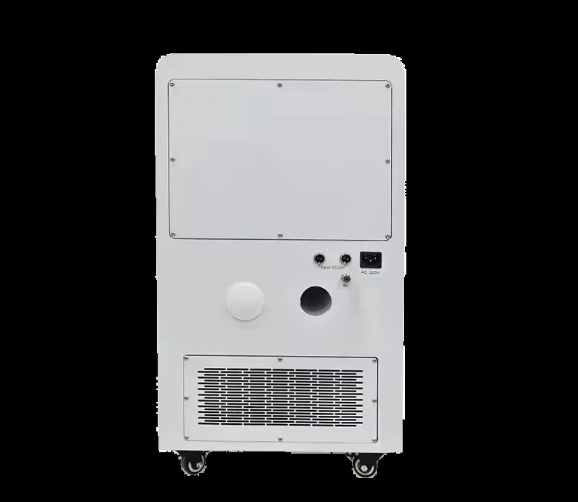
CAD/CAM milling generates fine dust (down to 8 µm) that requires powerful extraction. Conventional vacuums run at constant high speed, producing 69–81 dB in real-world tests and wasting energy during idle or light-load periods common in multi-material milling. EU Directive 2003/10/EC sets action values at 80 dB (daily exposure) and 85 dB (peak), but many countries enforce stricter internal limits for comfort in shared spaces. Modern low-noise systems achieve ≤60 dB(A) at 1 m—comparable to a quiet conversation—reducing the need for hearing protection and improving staff focus and patient experience in chairside setups.
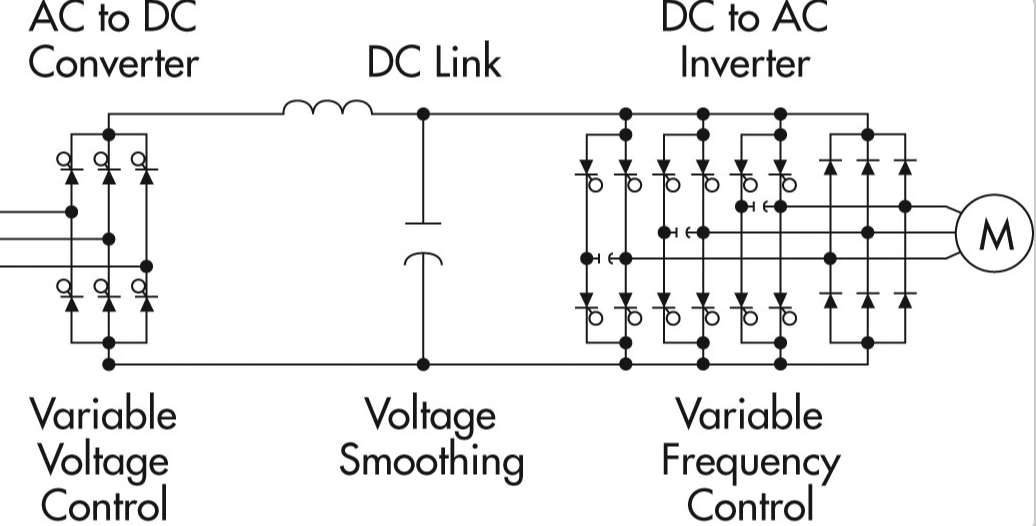
VFD technology addresses energy waste. By automatically adjusting motor speed to match real-time dust load, VFD-equipped vacuums cut power consumption dramatically: a 25% speed reduction yields only 42% of full-load power, delivering average 30% savings across a typical 8-hour shift.
Europe’s dental equipment market, valued at approximately USD 3.05 billion in 2026 and growing at 5.3% CAGR, increasingly rewards these dual benefits as labs scale digital production.
| Aspect | Traditional Fixed-Speed Vacuum | Low-Noise VFD Vacuum (≤60 dB) | 2026 Advantage for EU Clinics/Labs |
|---|---|---|---|
| Noise Level (1 m) | 70–85 dB | ≤60 dB(A) | Meets Directive 2003/10/EC comfort zones |
| Energy Consumption | 100% at constant speed | 60–70% average (30–40% savings) | ErP Directive & lower electricity bills |
| Dust Filtration | HEPA-grade, but constant high flow | HEPA-grade + variable flow optimization | Better particle capture at 8 µm |
| Operational Flexibility | Single speed, manual on/off | Automatic load sensing | Ideal for mixed zirconia/PMMA runs |
| Maintenance Interval | Filters clog faster under constant load | Extended filter life (20–30% longer) | Reduced downtime & costs |
| EU Compliance | Often requires enclosures | Inherent low noise + energy labeling | Ready for MDR & workplace audits |
Real-world studies and manufacturer-validated data confirm VFD systems pay back investment within 12–18 months through energy and maintenance savings alone.
Phase 1: Needs Assessment (1–2 weeks) Audit current milling volume, materials (zirconia, PMMA, hybrids, metals), and existing noise/energy logs. Measure baseline dB levels and kWh usage during typical shifts. Factor in local regulations (e.g., stricter German workplace limits).
Phase 2: Specification & Procurement (Weeks 3–6) Prioritize systems certified for ≤60 dB at 1 m and featuring built-in VFD or compatible inverter control. Request third-party test reports for noise, filtration efficiency, and ErP energy labeling. Budget: €2,500–€6,000 depending on capacity (1–4 stations).
Phase 3: Installation & Commissioning (Weeks 7–8) Integrate with existing CAD/CAM mills via quick-connect hoses. Calibrate VFD parameters for material-specific dust profiles. Conduct staff training on automatic modes and filter replacement.
Phase 4: Pilot & Optimization (Months 3–6) Run 50–100 cases. Track metrics: noise (target <60 dB), energy use (aim 30% reduction), filter lifespan, and staff feedback via simple surveys. Adjust VFD curves for peak efficiency.
Phase 5: Full Rollout & Monitoring (Month 7+) Scale across all milling stations. Implement remote monitoring dashboards for real-time energy and filter status. Schedule annual EU compliance audits and firmware updates.
Clinics and labs adopting this standard report 25–35% lower total operating costs, fewer staff complaints about noise, and easier recruitment in competitive European markets.
Europe’s dental labs and clinics are shifting decisively toward digital efficiency. By 2030, CAD/CAM will dominate >70% of prosthetic production in leading countries. Facilities equipped with ≤60 dB VFD vacuums gain measurable advantages: quieter environments boost productivity, energy savings support sustainability reporting, and full regulatory alignment minimizes audit risks.
The combination of low noise and VFD is no longer optional—it is the golden standard for sustainable, patient- and staff-friendly CAD/CAM workflows. Practices that upgrade now position themselves as leaders in precision digital dentistry while controlling costs and future-proofing operations.

Dry & wet milling for zirconia, PMMA, wax with auto tool changer.
learn more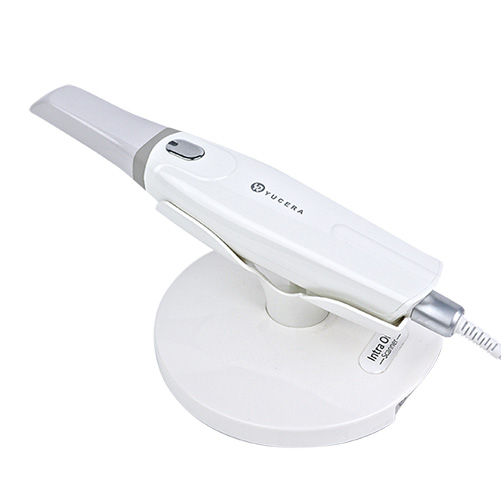
High-precision 3D scanning, AI calibration, full-arch accuracy.
learn more
40-min full sintering with 57% incisal translucency and 1050 MPa strength.
learn more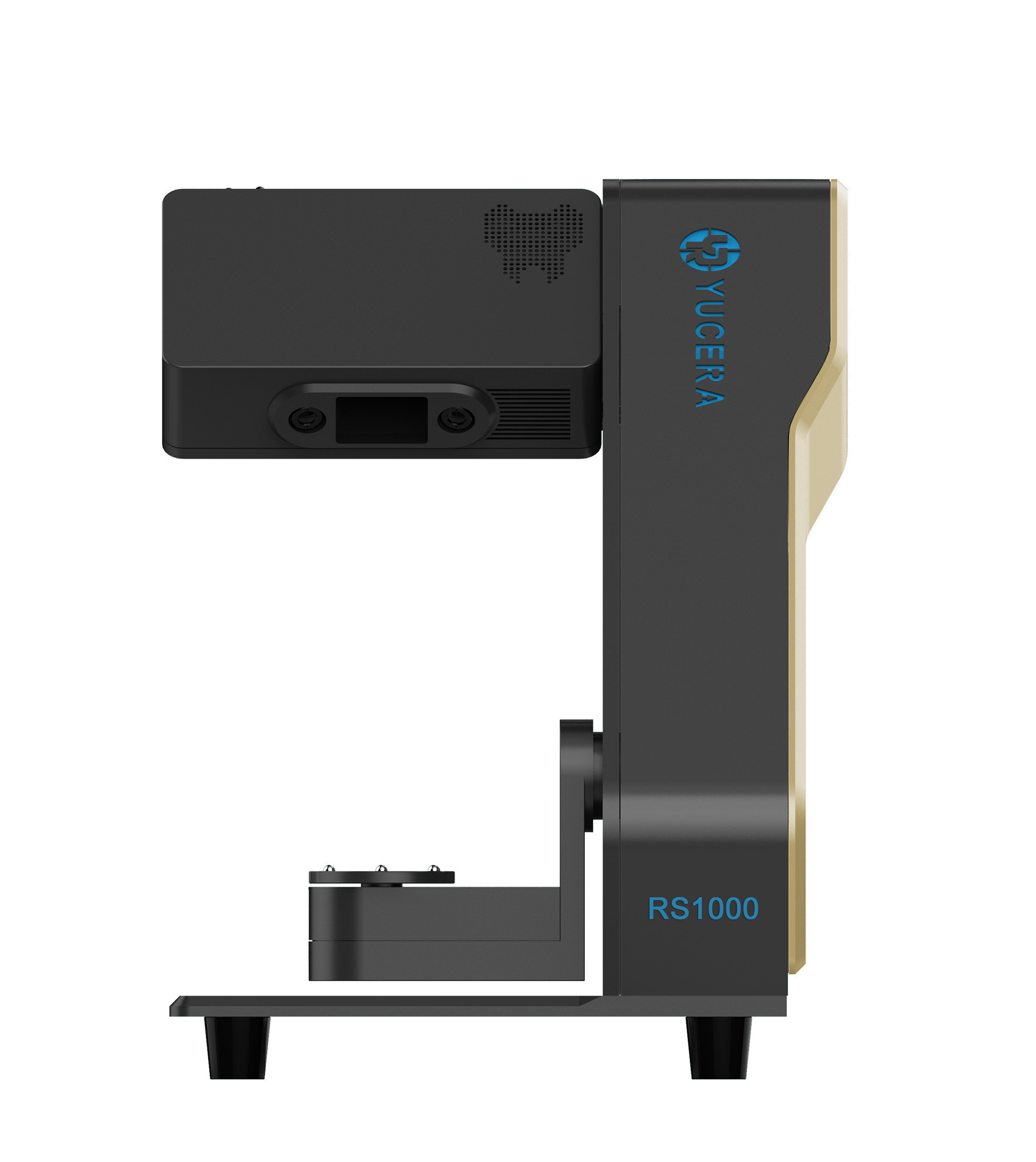
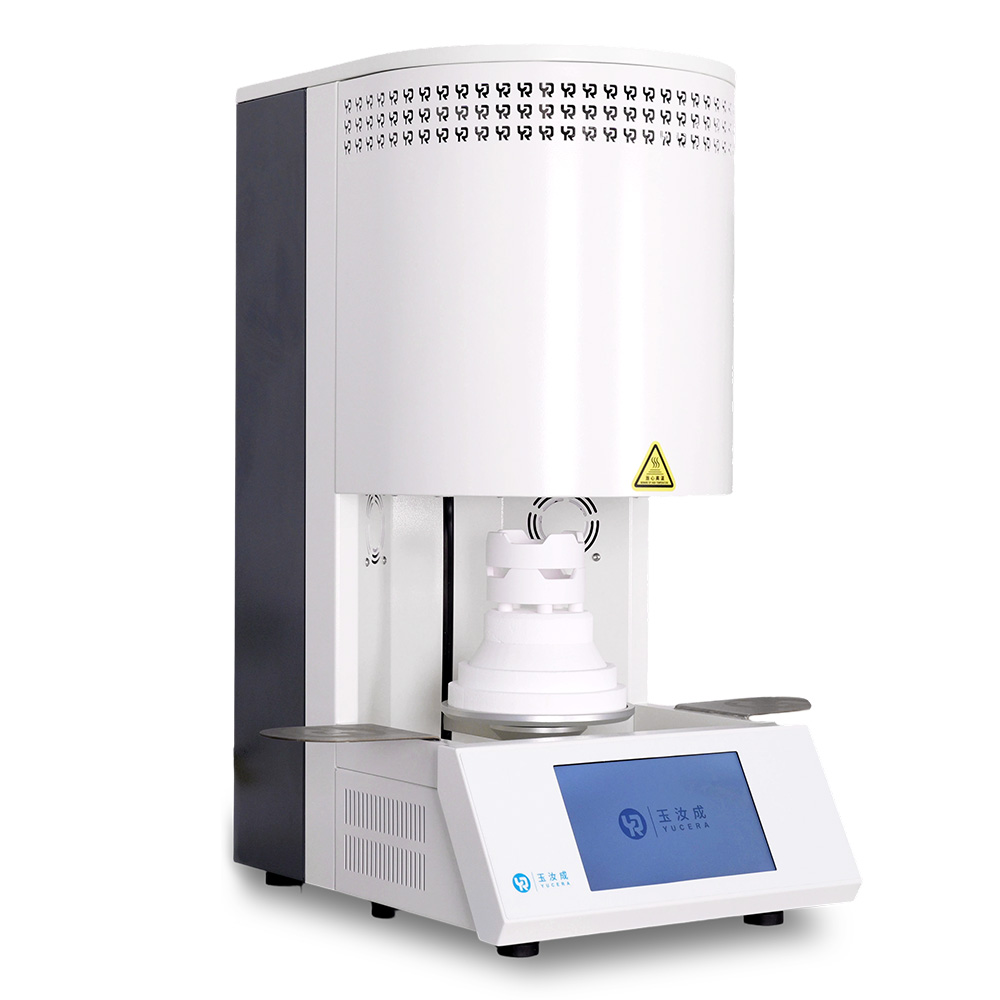
40-min cycle for 60 crowns, dual-layer crucible and 200°C/min heating.
learn more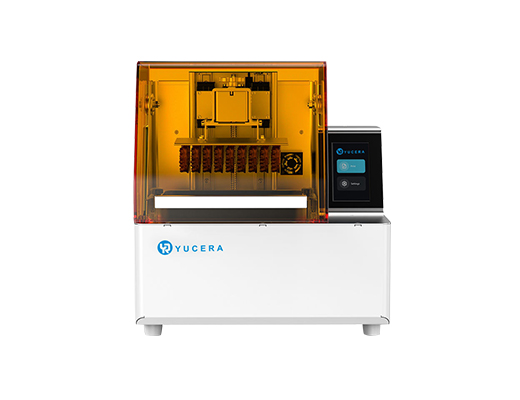
High-speed LCD printer for guides, temporaries, models with 8K resolution.
learn more