

 中 文
中 文
Brazil CAD/CAM Dental Market Growth Ranking in Latin America: Comparison with Mexico and Argentina in 2026
2026-01-07
2026-05-18
In modern digital dentistry, CAD/CAM dental labs are expected to deliver restorations that combine both mechanical strength and natural aesthetics. Among all ceramic materials, zirconia has become the dominant choice for crowns, bridges, and full-arch restorations due to its durability and biocompatibility.
However, one of the persistent technical challenges in clinical and laboratory workflows is zirconia color instability. Even with advanced digital workflows, dental technicians often encounter inconsistencies in shade reproduction, translucency balance, and final aesthetic integration with adjacent teeth.
This issue is not simply cosmetic. It directly affects restoration acceptance, chairside adjustment time, and overall workflow efficiency in CAD/CAM dental milling centers.
Zirconia color stability refers to the material’s ability to maintain consistent shade and optical properties throughout milling, sintering, and finishing processes.
In CAD/CAM workflows, several stages influence final aesthetic outcomes:
Any variation in these steps can result in noticeable shade deviation, especially in anterior restorations where optical demands are higher.
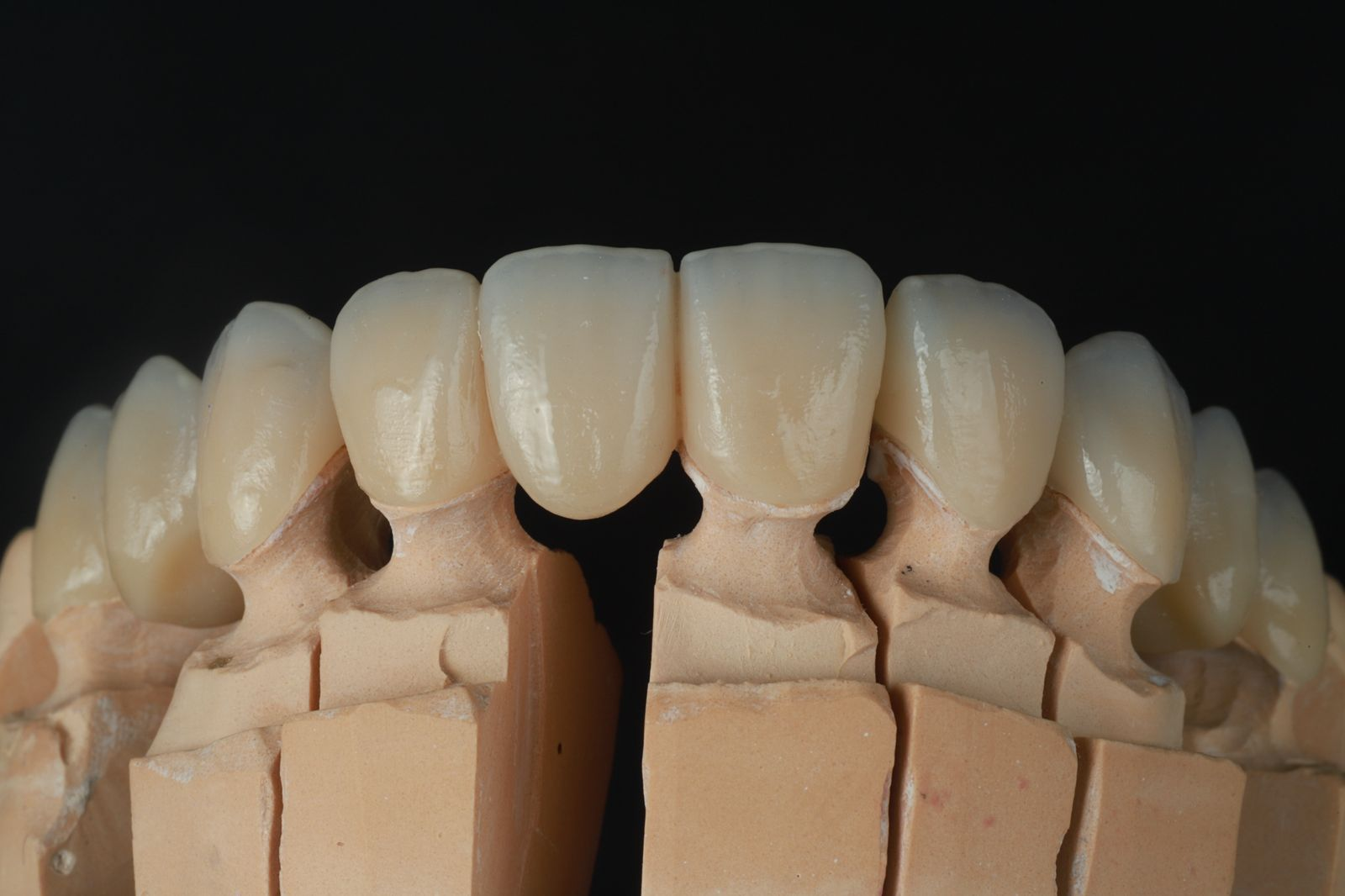
Modern zirconia materials often use multilayer gradient structures to simulate natural tooth anatomy. These layers typically vary in translucency and strength from cervical to incisal regions.
However, if restoration positioning is not optimized during CAD/CAM nesting, the transition zones may not align properly with anatomical requirements, resulting in uneven aesthetic output.
Zirconia translucency is highly dependent on material thickness. When the restoration design does not match the optical behavior of the material, light diffusion may vary, leading to visible shade mismatch.
This is particularly critical in anterior crowns, where even minor optical deviations are easily detected.
The sintering stage plays a crucial role in determining final color stability. Zirconia undergoes significant structural densification during high-temperature processing.
If furnace temperature distribution is inconsistent or the heating curve is not strictly controlled, chromatic deviation may occur across different batches of restorations.
To improve aesthetic consistency, CAD/CAM dental labs need to optimize both material selection and workflow design.
Key considerations include:
By standardizing these variables, labs can significantly reduce aesthetic variability in final restorations.
In CAD/CAM systems, zirconia material selection is a critical determinant of final restoration quality.
Ideal zirconia materials for aesthetic consistency typically feature:
Such materials help reduce dependency on post-processing adjustments and improve repeatability in dental laboratory production.
When zirconia color stability is properly managed, dental labs can achieve:
These improvements are particularly important in full-arch and multi-unit restorative cases, where consistency across multiple restorations is critical.
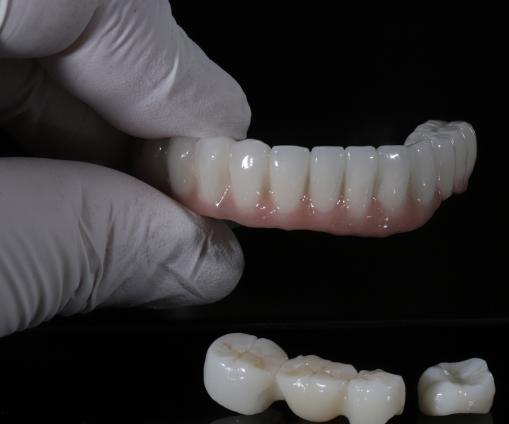
Zirconia color stability remains a key challenge in CAD/CAM dental laboratories, driven by material structure, processing variables, and sintering control. However, with proper material selection and standardized workflow management, dental technicians can significantly improve aesthetic predictability.
As digital dentistry continues to evolve, the integration of multilayer zirconia materials and controlled CAD/CAM processes will play a central role in achieving consistent and clinically reliable aesthetic outcomes.

Dry & wet milling for zirconia, PMMA, wax with auto tool changer.
learn more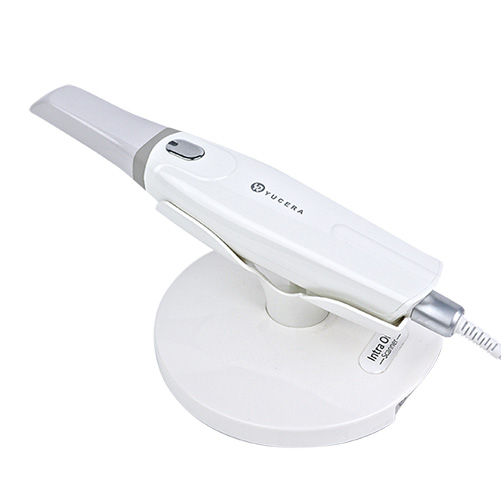
High-precision 3D scanning, AI calibration, full-arch accuracy.
learn more
40-min full sintering with 57% incisal translucency and 1050 MPa strength.
learn more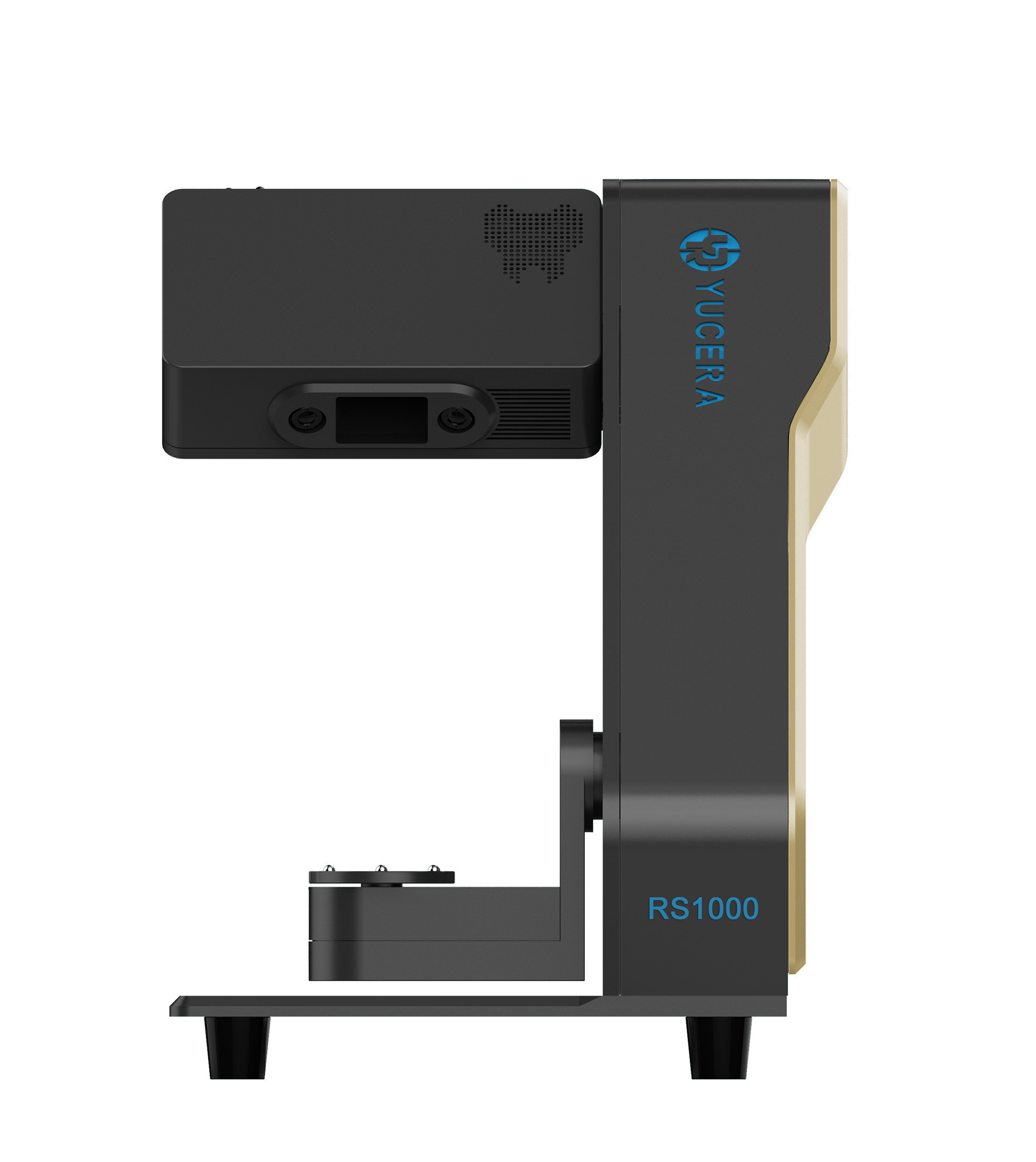
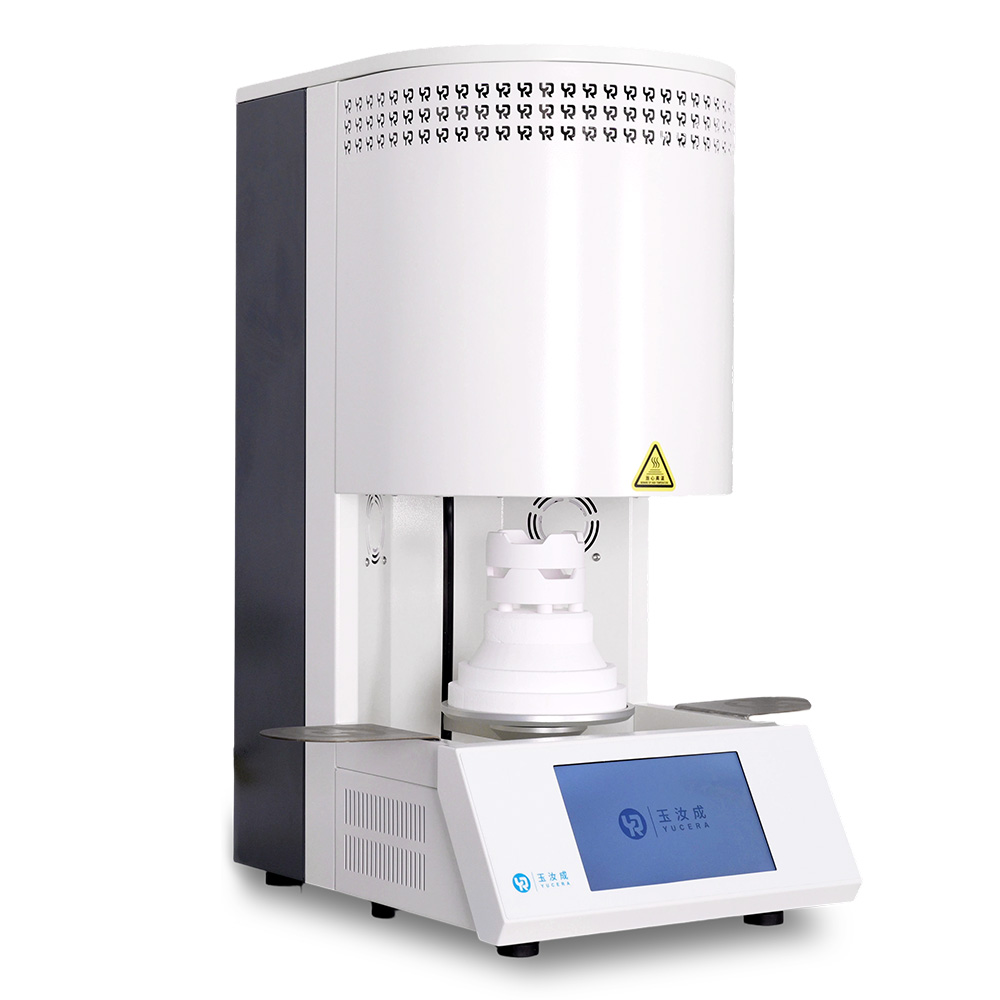
40-min cycle for 60 crowns, dual-layer crucible and 200°C/min heating.
learn more
High-speed LCD printer for guides, temporaries, models with 8K resolution.
learn more