



 中 文
中 文
Brazil CAD/CAM Dental Market Growth Ranking in Latin America: Comparison with Mexico and Argentina in 2026
2026-01-07
2025-11-22
Multilayer zirconia blocks and hybrid ceramics represent two leading material classes for aesthetic dental restorations in 2025, balancing mechanical performance with optical properties. Multilayer zirconia features gradient layers of yttria-stabilized zirconia (Y-TZP) for natural shade transitions, while hybrid ceramics combine ceramic particles with polymer matrices for enhanced polishability and shock absorption. This technical comparison evaluates their specifications, clinical applications, and performance metrics based on verified manufacturer data and peer-reviewed studies, focusing on flexural strength, translucency, and suitability for crowns, veneers, and bridges.
Multilayer zirconia blocks are engineered with varying yttria content (3–5 mol%) across layers, creating gradients in strength and translucency. The enamel-like incisal layer (typically 5Y-TZP) prioritizes aesthetics, while the cervical dentin layer (3Y-TZP) emphasizes durability. Hybrid ceramics, such as resin-infiltrated or polymer-zirconia composites, integrate 20–70% ceramic fillers (e.g., zirconia or lithium disilicate) into a resin matrix, offering flexibility but lower rigidity.
Core differences arise from yttria stabilization in zirconia, which increases cubic phase content for translucency but reduces strength, as noted in a 2024 PMC review. Hybrid materials avoid this trade-off through matrix buffering, though they exhibit higher wear rates over time.
Flexural strength measures load-bearing capacity, critical for posterior restorations under occlusal forces up to 200–400 N. Multilayer zirconia excels here, with values ranging from 700 MPa (incisal) to 1200 MPa (cervical), per Yucera's 4D Pro specifications. This gradient ensures fracture toughness of 2.5–3.5 MPa√m, reducing crack propagation in high-stress areas.
Hybrid ceramics average 200–400 MPa, suitable for low-load anterior applications but prone to fatigue under repeated cycling (up to 1.2 million cycles in simulations). A 2025 Frontiers study highlights zirconia's superior aging resistance, with <5% strength loss after 5 years in vivo, compared to 15–20% for hybrids.
| Property | Multilayer Zirconia (e.g., Yucera 4D Pro) | Hybrid Ceramics (Typical) | Clinical Implication |
|---|---|---|---|
| Flexural Strength | 700–1200 MPa (gradient) | 200–400 MPa | Zirconia for posteriors/bridges; hybrids for veneers |
| Fracture Toughness | 2.5–3.5 MPa√m | 1.0–2.0 MPa√m | Zirconia resists chipping (8–15% lower incidence) |
| Wear Rate (vs. Enamel) | 0.1–0.2 mm³/load | 0.05–0.15 mm³/load | Hybrids gentler on antagonists |
| Aging Loss (5 Years) | <5% | 15–20% | Zirconia for long-term durability |
Translucency Parameter (TP) quantifies light transmission, with natural enamel at 15–20. Multilayer zirconia achieves 43–57% total light transmittance via layered gradients, mimicking enamel (incisal >40%) to dentin (cervical ~43%) transitions. This eliminates the "opaque core" effect in monolithic designs, supporting anterior aesthetics without veneering.
Hybrid ceramics offer comparable TP (35–50%) due to polymer translucency, with superior opalescence for fluorescence under UV light. However, color stability fades 10–15% after 2 years of coffee/tea exposure, versus zirconia's <5% shift. Yucera's UT Multilayer variant reaches 49% translucency at 600 MPa strength, ideal for full-contour crowns.
| Optical Property | Multilayer Zirconia (e.g., Yucera 3D Plus) | Hybrid Ceramics (Typical) | Aesthetic Application |
|---|---|---|---|
| Translucency (TP) | 43–57% (gradient) | 35–50% | Zirconia for natural gradients; hybrids for opalescence |
| Shade Matching (VITA) | 16 A-D + 3 Bleach (no manual coloring) | 16+ shades (polymer tint) | Both seamless; zirconia stable long-term |
| Fluorescence | Moderate (cubic phase) | High (resin additives) | Hybrids for night-time vitality |
| Color Stability (2 Years) | <5% fade | 10–15% fade | Zirconia for stained-risk patients |
Multilayer zirconia suits full-arch bridges (up to 14 units) and implant-supported restorations, with 99% fit accuracy post-sintering. Its CAD/CAM compatibility (e.g., with 9PRO milling machine) allows gradient milling without delamination, reducing veneer chipping risks by 8–15%. Yucera's 4D Plus blocks (1050–700 MPa gradient) cover all indications, from copings to veneers, with sintering at 1400℃ for 10-hour batches.
Hybrid ceramics excel in minimally invasive inlays/onlays, polishing to enamel-like smoothness (Ra <0.2 μm). However, they require protective varnishes for moisture sensitivity during polymerization. In 2025 workflows, hybrids integrate faster (no sintering), but zirconia's biocompatibility (95% tissue integration) favors implants.
| Application | Multilayer Zirconia Suitability | Hybrid Ceramics Suitability | Processing Time (CAD/CAM) |
|---|---|---|---|
| Anterior Crowns/Veneers | High (gradient aesthetics) | High (polishability) | Zirconia: 2–3 hours (incl. sinter) |
| Posterior Bridges | High (strength >1000 MPa) | Medium (fatigue risk) | Hybrids: 1 hour |
| Implants/Full-Arch | High (load-bearing) | Low (flex <400 MPa) | Zirconia: 10–12 hours batch |
| Inlays/Onlays | Medium (brittleness) | High (shock absorption) | Both: <1 hour |
Multilayer zirconia blocks cost $50–100 per 98mm disc (16 shades), with ROI in 6–9 months via reduced remakes (2–3% failure rate). Yucera's 3D Pro series offers economic blanks at similar pricing, with 800–1200 MPa for versatile use. Hybrids range $30–60 per unit, faster to fabricate but higher long-term replacement (10–15% at 5 years).
Annual lab costs: Zirconia ~$5,000 (tools + sintering); hybrids ~$3,500 (polishing). For high-volume practices (500+ units/year), zirconia's durability yields 20–30% net savings.
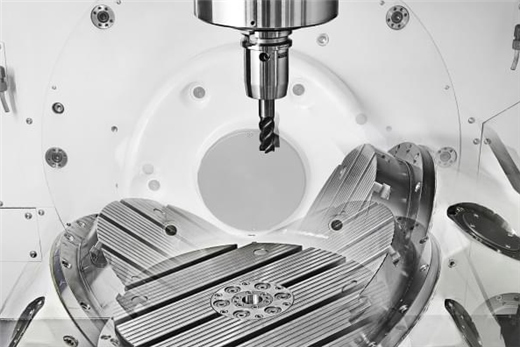
Milling multilayer zirconia requires 5-axis dry mills (e.g., 9PRO for gradient preservation) at 40,000–60,000 RPM to avoid chipping. Sintering at 1450–1560℃ (YRC-F10+ furnace) ensures phase stability. Hybrids polish with diamond pastes (up to 10,000 grit) for 0.1 μm finish, compatible with light-curing units.
Verification via ISO 12836 for accuracy confirms multilayer zirconia's <20 μm marginal fit post-processing.
Increasing yttria (4–5 mol%) in multilayer zirconia boosts translucency to 49–57% without compromising >700 MPa strength, per 2025 updates. Hybrids trend toward zirconia-reinforced variants for 20% strength gains. Select based on biotype: High-smile lines favor zirconia's gradients; conservative preps suit hybrids' elasticity.
For detailed Yucera multilayer block datasheets (e.g., 4D Pro with 43–57% translucency), download the 2025 material comparison PDF below.

Dry & wet milling for zirconia, PMMA, wax with auto tool changer.
learn more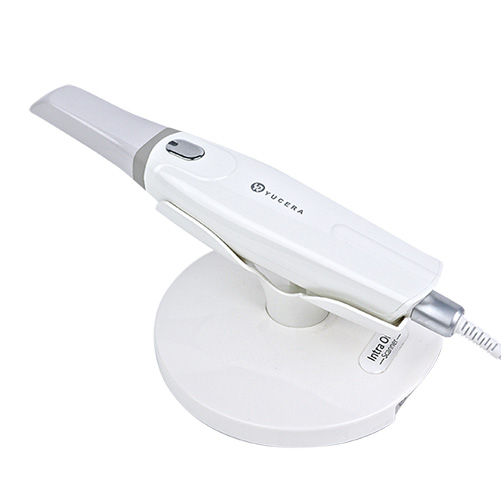
High-precision 3D scanning, AI calibration, full-arch accuracy.
learn more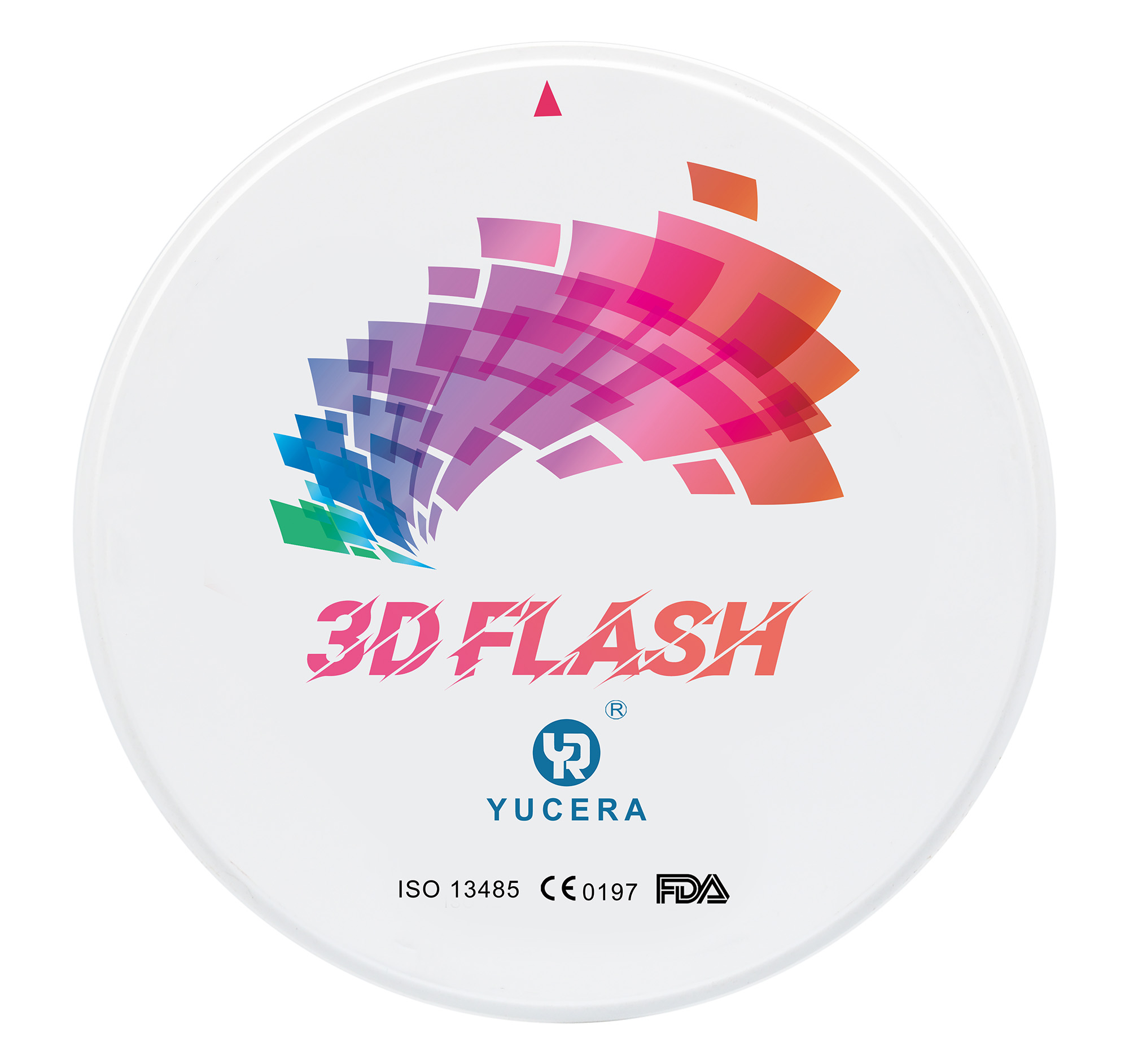
40-min full sintering with 57% incisal translucency and 1050 MPa strength.
learn more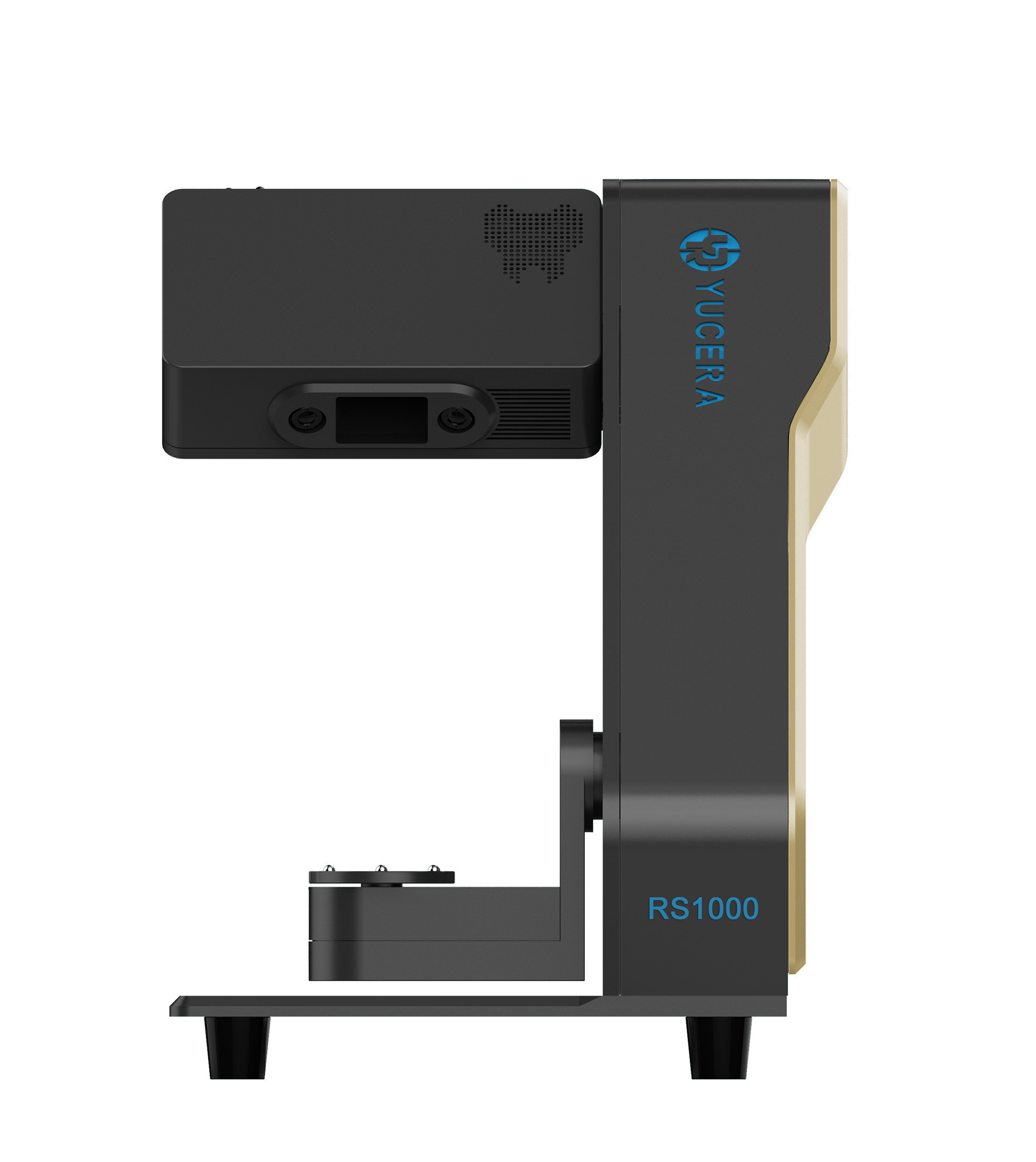
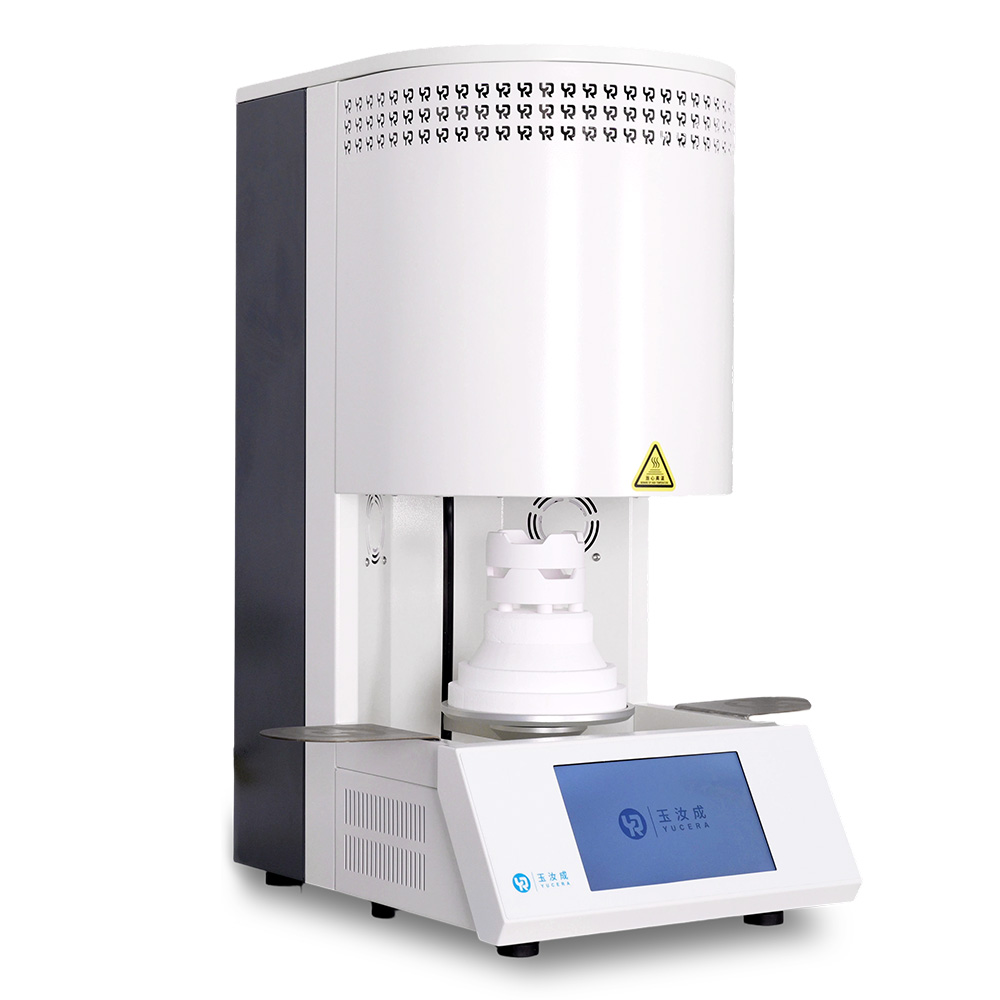
40-min cycle for 60 crowns, dual-layer crucible and 200°C/min heating.
learn more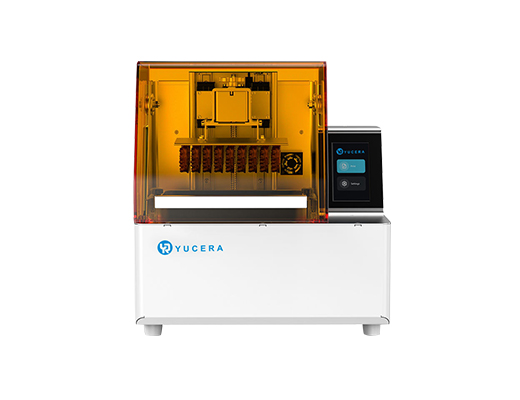
High-speed LCD printer for guides, temporaries, models with 8K resolution.
learn more


2026-01-07
2026-01-18
2026-01-12


