

 中 文
中 文
7 Common Challenges Dentists Face With Equipment And Solutions
2025-04-10
2026-07-02
Nordic dental laboratories are known for strict quality expectations in CAD/CAM-based restorative workflows. Zirconia and glass-ceramic restorations must meet high standards of translucency, marginal fit, and structural integrity.
However, one of the most persistent technical challenges in ceramic processing is sintering defects, especially air inclusion in ceramic firing processes. These defects can compromise both aesthetics and mechanical stability of dental restorations.
In modern digital dentistry, reducing such defects is not only a material issue but also a process control challenge involving furnace design, vacuum systems, and thermal management.
Air inclusion refers to trapped gas pockets inside ceramic materials during the firing or sintering process. These microvoids are typically invisible during early stages but become critical after final glazing or crystallization.
In Nordic laboratories, where aesthetic precision is critical, even small inconsistencies can lead to restoration rejection.
Modern Zirconia Restoration Processing Equipment plays a central role in minimizing sintering defects by controlling three key variables: vacuum, temperature, and heating curves.
High vacuum levels help remove trapped gases before and during sintering. Stable vacuum conditions reduce the probability of air inclusion and improve material densification.
Typical dental-grade systems operate with controlled vacuum environments to support consistent ceramic firing cycles.
Temperature accuracy is critical in zirconia sintering. Even small deviations can affect crystal structure formation.
Advanced systems typically use PID-based temperature control systems with precision around ±1°C, ensuring stable firing curves throughout the entire cycle.
Adjustable heating rates (commonly in the range of 1–100°C/min) allow laboratories to control gas release behavior.
Slower ramping stages help prevent rapid gas expansion, reducing microbubble formation inside ceramic structures.
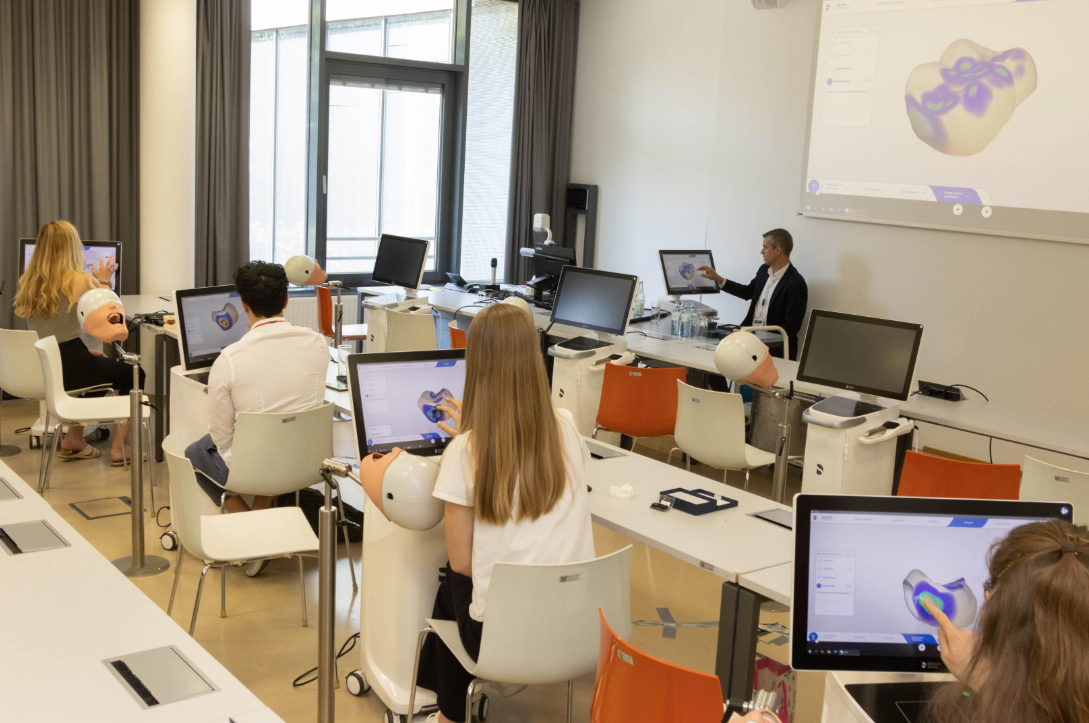
Nordic dental labs operate under strict workflow consistency requirements due to high patient expectations and strong regulatory frameworks.
In this workflow, the sintering stage is the most sensitive step where air inclusion and structural defects are most likely to occur.
Based on common dental furnace engineering standards, several parameters are critical:
These parameters collectively determine the final density and optical quality of zirconia restorations.
To reduce sintering defects, Nordic laboratories typically focus on system-level optimization rather than isolated parameter adjustments.
This approach ensures repeatable outcomes across different restoration types.
Air inclusion in ceramic firing is not a single-factor defect but a multi-variable process issue involving vacuum stability, thermal control, and material behavior.
For Nordic dental laboratories, improving zirconia restoration quality depends on integrating precise firing equipment with controlled process workflows. Zirconia Restoration Processing Equipment with stable vacuum and temperature systems plays a key role in minimizing defects and ensuring consistent clinical performance.

Dry & wet milling for zirconia, PMMA, wax with auto tool changer.
learn more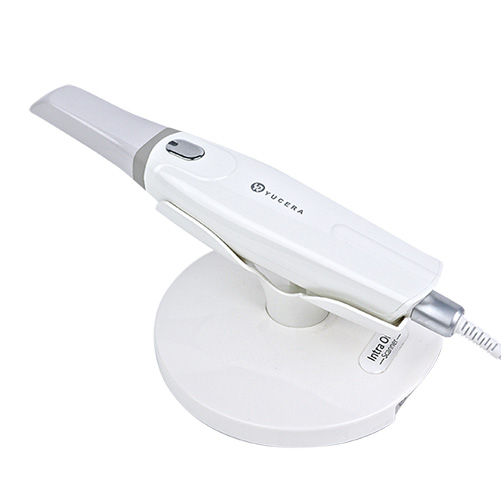
High-precision 3D scanning, AI calibration, full-arch accuracy.
learn more
40-min full sintering with 57% incisal translucency and 1050 MPa strength.
learn more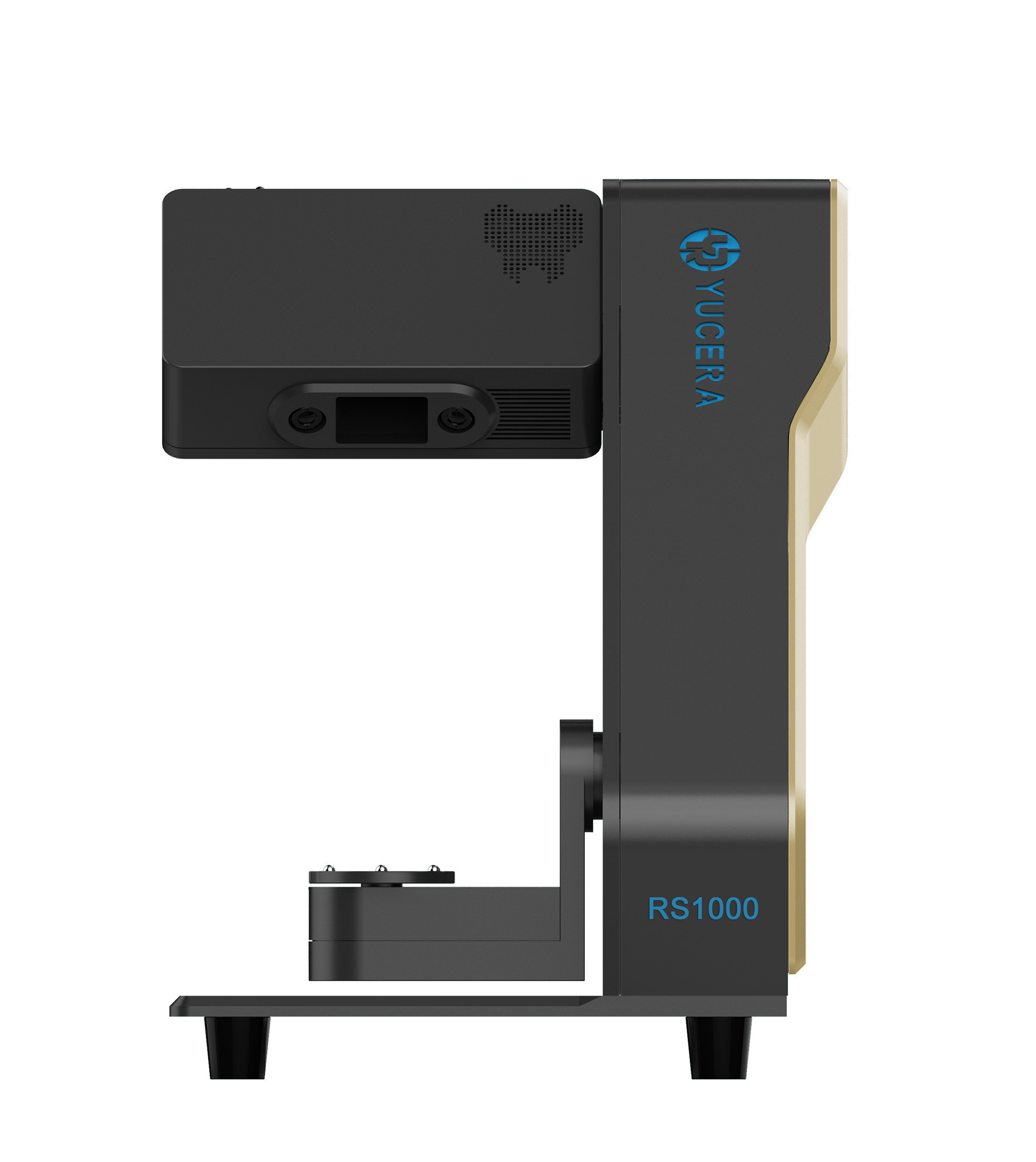
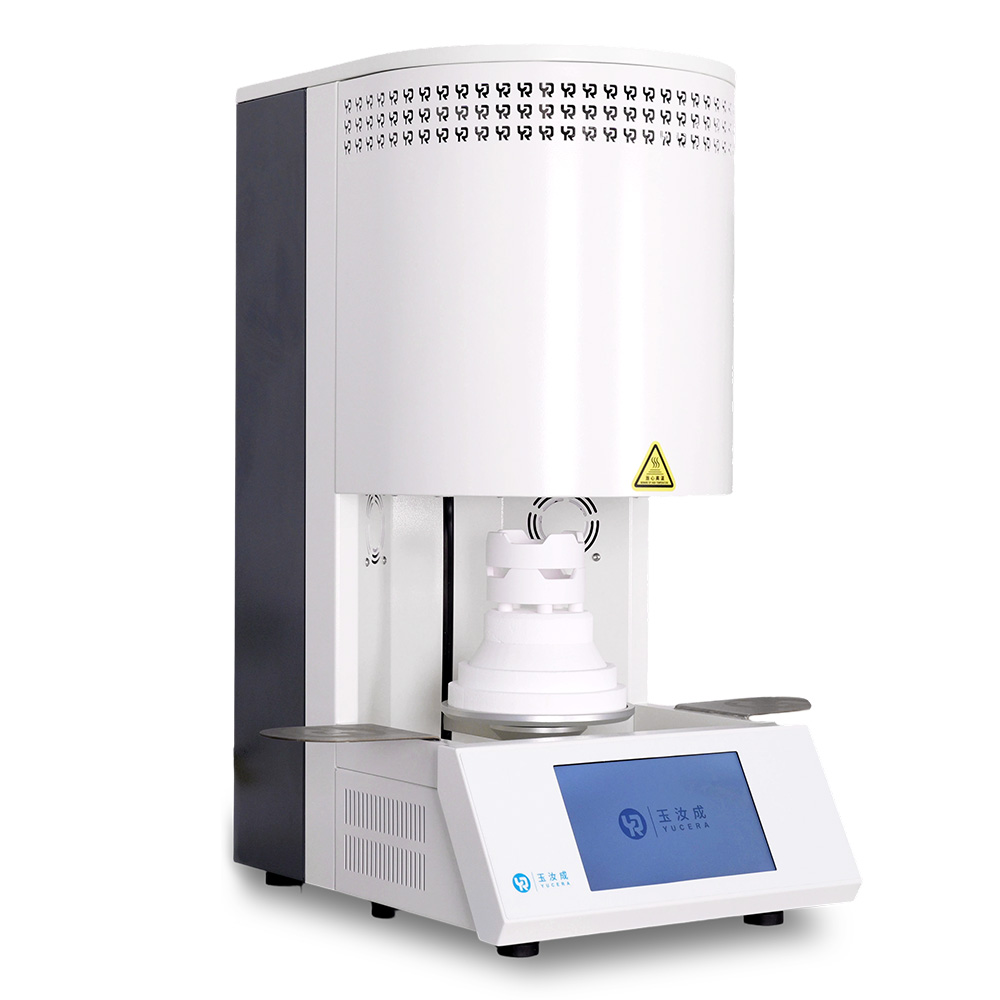
40-min cycle for 60 crowns, dual-layer crucible and 200°C/min heating.
learn more
High-speed LCD printer for guides, temporaries, models with 8K resolution.
learn more