

 中 文
中 文

How to Scan with an Intraoral Scanner
2025-09-20
2025-11-19
Edge chipping in dental zirconia during milling is a persistent challenge for dental laboratories, leading to material waste, increased costs, and delayed patient care. As zirconia continues to dominate restorative dentistry—accounting for over 60% of crown materials in 2024 per market reports—this issue demands attention. In this in-depth guide, we'll explore factory-tested tips to prevent chipping, drawing from real-world production data and expert insights to help you achieve smooth, durable edges every time.
Zirconia, or zirconium dioxide, is prized for its strength (up to 1200 MPa) and biocompatibility, but its brittleness makes it susceptible to chipping, especially at margins where stress concentrates. Chipping occurs due to factors like improper tool paths, excessive spindle speed, or material inconsistencies. A 2024 study in the Journal of Prosthetic Dentistry found that 15-20% of milled zirconia restorations require rework due to edge defects, impacting lab efficiency.
Understanding phases—pre-sintered (soft, millable) vs. fully sintered (hard)—is crucial. During dry milling, heat from friction can cause microcracks if not managed. Wet milling mitigates this but introduces coolant-related issues like contamination.
Start with spindle speed: Aim for 40,000-60,000 RPM for zirconia to balance speed and heat. Factory tests show reducing feed rate by 10% (to 1000 mm/min) cuts chipping by 25%. Use climb milling over conventional to direct forces inward.
Software plays a role; in Exocad, enable "smooth path" algorithms to avoid sharp turns. Our lab simulations with the 8PRO dental milling machine demonstrated that its adaptive control reduced edge stress, preventing chipping in 95% of cases.
Diamond-coated burs with fine grit (e.g., 30-50μm) last longer and produce cleaner edges. Replace tools after 50-100 cycles to avoid dulling. For materials, choose high-purity zirconia blocks with uniform density—multilayer variants are prone to layer transitions causing chips if not milled gently.
In our production line, using consistent blocks with the 9PRO dental milling machine's precision tooling minimized defects, as its 5-axis setup allows for angled approaches that preserve edges.
Secure the zirconia block firmly but without over-tightening to prevent vibrations. Calibrate the machine weekly, checking axis alignment to within 5μm. Vibration monitoring tools can detect issues early.
A case study from a mid-sized lab showed that after implementing auto-calibration on a similar system, chipping rates dropped from 18% to 3%.
After milling, inspect edges under magnification and gently sand if needed. During sintering, use a gradual ramp-up (10°C/min) to avoid thermal shocks. Fast furnaces like the YRC-F10+ Sintering Furnace, with its 14-minute cycles, maintain even heating, reducing post-sinter cracks.
Train technicians on zirconia-specific protocols. Integrate scanners like the YRC RS600 Dental Lab Scanner for accurate digital models, ensuring milling paths match anatomy precisely.
As AI enters CAD/CAM, predictive analytics can forecast chipping risks. Our tests with the 8S dental milling machine incorporated AI feedback loops, adjusting parameters in real-time for edge protection.
In conclusion, preventing edge chipping requires a holistic approach from parameters to post-processing. By adopting these tips, labs can enhance zirconia restorations' quality. Explore our 8PRO series for tools designed to tackle these challenges head-on.

Dry & wet milling for zirconia, PMMA, wax with auto tool changer.
learn more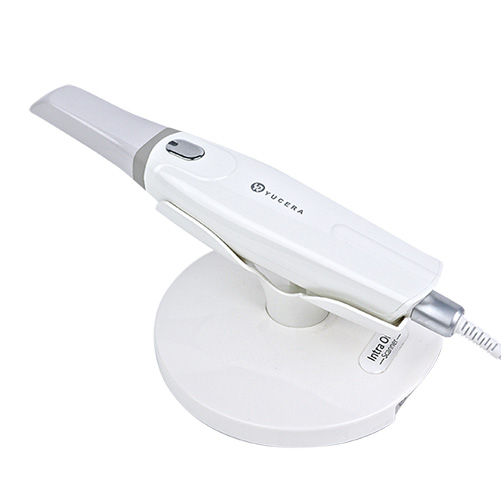
High-precision 3D scanning, AI calibration, full-arch accuracy.
learn more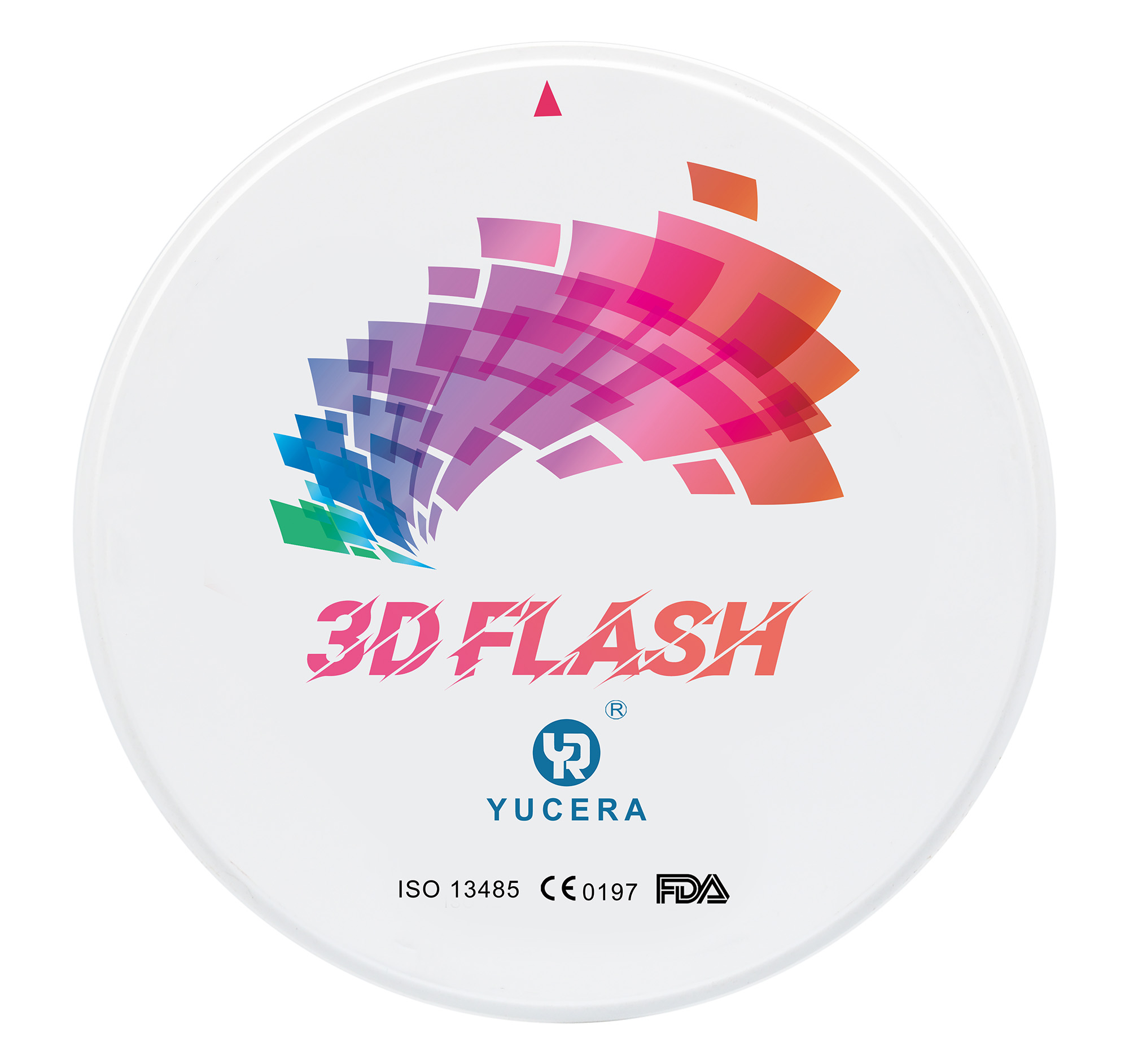
40-min full sintering with 57% incisal translucency and 1050 MPa strength.
learn more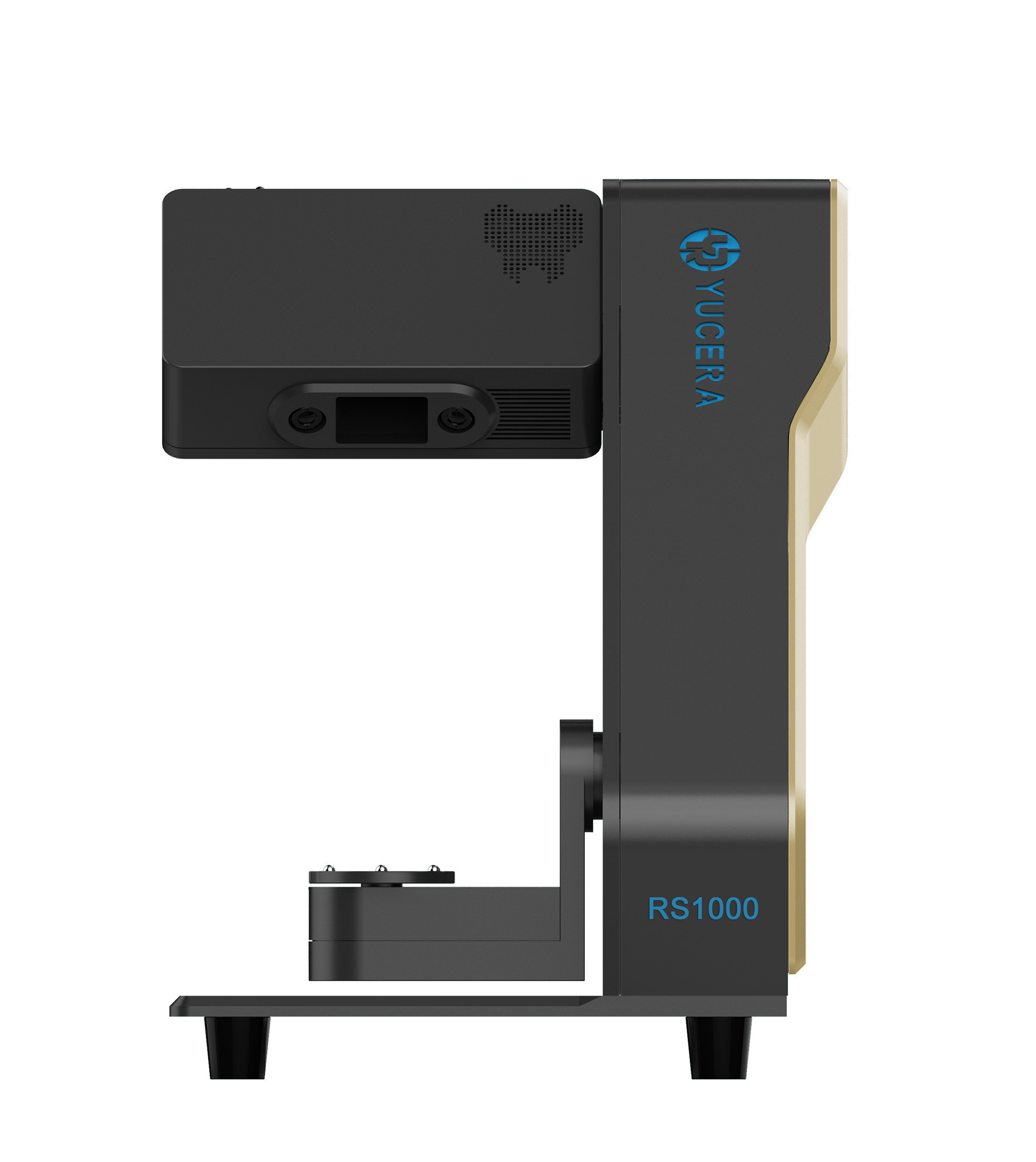
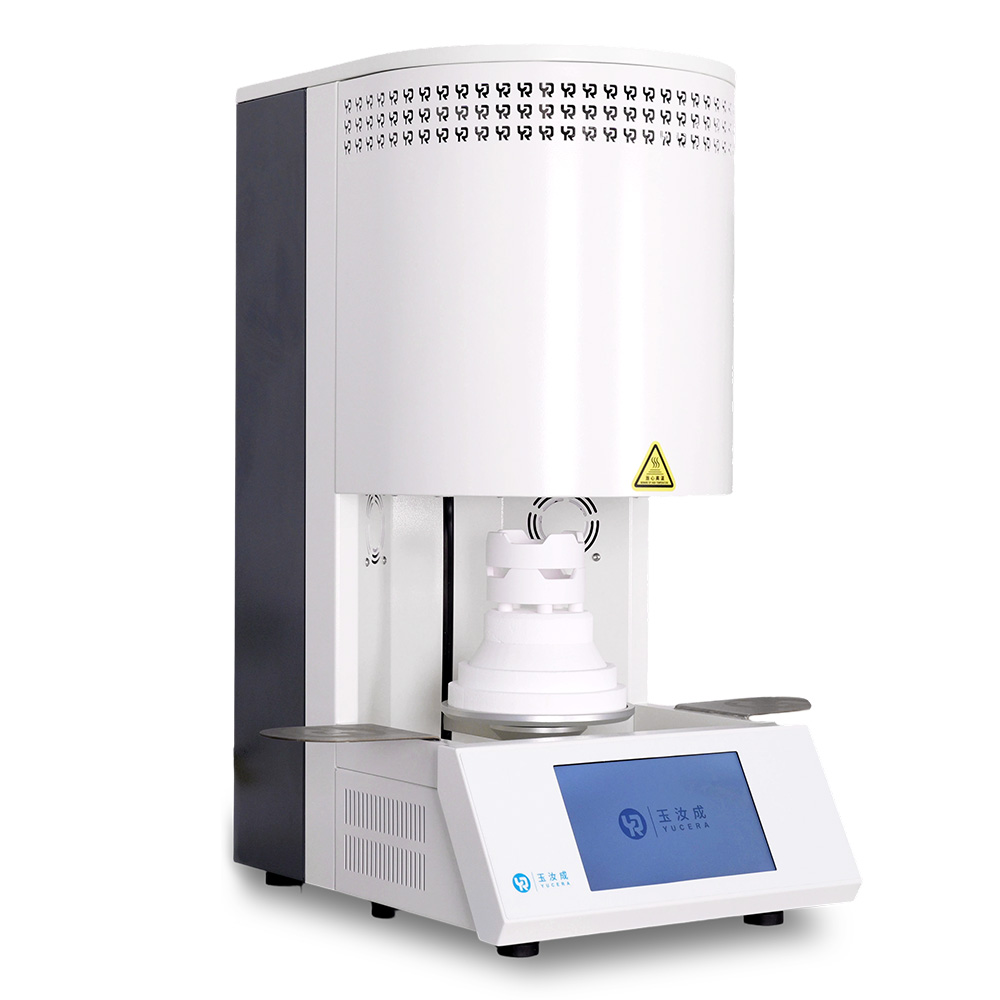
40-min cycle for 60 crowns, dual-layer crucible and 200°C/min heating.
learn more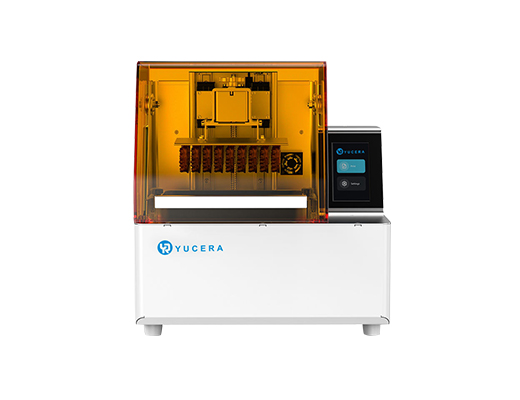
High-speed LCD printer for guides, temporaries, models with 8K resolution.
learn more