

 中 文
中 文
What is a dental cad cam milling machine
2024-07-06
2025-12-20
Ethiopia's dental industry is at a pivotal juncture, transitioning from traditional practices to digitally enhanced models amid broader national digitalization efforts. Digital transformation encompasses technologies like electronic health records (EHR), telemedicine, artificial intelligence (AI), and Computer-Aided Design/Computer-Aided Manufacturing (CAD/CAM) systems, which streamline diagnostics, treatment planning, and prosthetics fabrication. In a country with over 120 million people, oral health issues affect a significant portion of the population. According to a 2025 study in the Ethiopian Journal of Health Sciences, 40.98% of Ethiopians experience oral health problems, including dental caries at 35% among primary school children, as per a 2024 Springer publication. The World Health Organization (WHO) reports that oral diseases impacted 42% of the African region's population in 2021, with the burden increasing due to urbanization and dietary changes.
The Ethiopian government's Digital Ethiopia 2025 strategy, completed by December 2025 after achieving nearly all goals, has laid foundational infrastructure for sectors including health. This includes digital IDs for 13 million citizens by early 2025, per World Bank data, facilitating access to services. In dentistry, digital tools address gaps in access, where dentist-to-population ratios are low, estimated at 1:50,000 in rural areas. A 2025 AfDB report projects the Middle East and Africa dental market, including Ethiopia, to grow from USD 1.33 billion in 2025 to USD 2.81 billion by 2032 at a 9.8% CAGR, with digital dentistry contributing substantially. This article examines digital transformation's role across the dental industry's lifecycle stages—introduction, growth, maturity, and potential renewal—highlighting data-driven insights for Ethiopia's context.
The dental industry's lifecycle in Ethiopia begins with an introduction phase dominated by traditional methods, characterized by manual procedures and limited resources. Historically, Ethiopian dentistry relied on basic extractions, amalgam fillings, and lost-wax casting for crowns, often in under-equipped public clinics. A 2021 BMC Oral Health study notes that dental caries experience affects adults significantly, with untreated cases leading to productivity losses equivalent to 1% of GDP, per World Bank 2025 estimates. Rural areas, home to 70% of the population (Central Statistical Agency 2025), depend on community health workers for basic oral care, exacerbating inequalities.
Digital transformation enters subtly here through foundational initiatives. The Federal Ministry of Health's Health Sector Transformation Plan (HSTP) from 2018-2025 introduced digital health strategies, including EHR pilots. By 2025, Ethiopia's new digital health information system has improved maternal and child health outcomes, with similar applications in dentistry for patient tracking. Telemedicine, piloted in regions like Oromia, reduces urban-rural gaps, potentially boosting CAD/CAM adoption by 15-20% in SSA by 2032, according to a 2025 Yucera analysis. Early adopters in Addis Ababa clinics use mobile apps for appointment scheduling, cutting no-show rates by 20%. However, adoption remains low at 5-10% nationally, per UNIDO 2025 reports, due to infrastructure deficits like unreliable electricity affecting 26% of health facilities (WHO 2024).
This stage sets the groundwork: digital tools digitize records, enabling data-driven decisions and transitioning from reactive to preventive care. For instance, AI-assisted caries detection apps, emerging in African pilots, could identify issues early, addressing the 36.4% preschool caries prevalence noted in a 2024 BMJ Paeds Open study.
As the industry enters the growth phase, digital transformation accelerates, driven by government policies and international partnerships. Ethiopia's Digital Ethiopia 2025, focusing on infrastructure and literacy, has expanded broadband to 25% penetration (2025 data), supporting cloud-based dental software. The e-Government and e-Commerce strategies for 2025-2030 emphasize digital health, projecting a 10.22% CAGR in Ethiopia's digital health market to USD 337.65 million in 2025, per Statista.
In dentistry, CAD/CAM systems gain traction for prosthetics, reducing fabrication time from days to hours. Urban clinics in Addis Ababa report 10-15% adoption for crowns, up from 2% in 2020 (EDA 2025 estimates). AI integration enhances diagnostics; for example, convolutional neural networks analyze scans for impactions or caries with 30% improved accuracy, as per 2025 global trends applicable to Ethiopia. Tele-dentistry bridges access, with pilots linking rural patients to urban specialists, decreasing referrals by 30% (2025 MedReport study).
Economic growth fuels this: the oral care market in Ethiopia is estimated at USD 339.59 million in 2025, growing at 2.69% CAGR (Statista). Public-private partnerships, like those at the 2025 International Conference on Primary Health Care in Addis Ababa, promote AI for treatment planning. Challenges include training shortages—only 25% of dental curricula cover digital modules (BMC Medical Education 2025)—but initiatives aim to skill 500 health workers by 2025 via EU's DESTA program.
Digital payments in health, digitized by 2025 per Better Than Cash Alliance, improve efficiency, making services inclusive. This stage witnesses a 10-15% annual rise in digital dentistry adoption across SSA, positioning Ethiopia for exponential growth in preventive and restorative care.
In the maturity phase, digital transformation becomes embedded, optimizing operations and outcomes. Ethiopia's dental industry could achieve this by 2030, with widespread EHR and AI use. Global digital dentistry market growth from USD 8.11 billion in 2023 to USD 20.91 billion by 2033 at 11.1% CAGR (Dimension Market Research) indicates Africa's role, including Ethiopia's contributions.
Integrated systems enable predictive analytics; AI forecasts oral disease risks based on data, reducing complications. In prosthodontics, CAD/CAM with 3D printing localizes production, cutting material waste by 20% and supporting sustainability under Ethiopia's 2025 Climate Resilient Green Economy strategy. Clinics report 40% reduced chair time, enhancing throughput in facilities serving low-income groups, where women comprise 55% of patients (WHO 2024).
Regulatory frameworks mature: the Ethiopian Food and Drug Authority streamlines certifications, reducing timelines from 6-12 months. Data privacy under emerging laws aligns with global standards, fostering trust. Maturity brings economies of scale; operational costs drop 15-20% via digital tools (AfDB 2025). However, urban-rural divides persist, with rural adoption near zero, necessitating solar-powered units as in Tigray pilots.
Social impacts include gender inclusion: training programs empower women in digital dentistry, addressing the 60% female patient base. Economically, it could add USD 50-100 million to the health sector by 2030 (AfDB projections).
Beyond maturity, renewal involves continuous innovation to adapt to evolving needs. In Ethiopia, this could involve AI-driven personalized care and blockchain for secure records. Emerging trends like multimodal AI for diagnostics, projected to automate 70% of designs by 2030 (2025 UP3D Tech), offer renewal opportunities.
Sustainability is key: digital tools reduce environmental footprints, aligning with WHO's push to eliminate harmful practices like primary teeth extraction by 2025. Recycling e-waste from dental tech supports circular economies. Renewal also addresses aging populations; with life expectancy rising to 68 years (UN 2025), demand for implants grows, met by AI-optimized CAD/CAM.
Government funding, targeting 10% of health budgets for R&D, and collaborations with African nations under AfCFTA could spur innovation. By 2030, adoption might reach 20-30% (UNIDO forecasts), renewing the industry through resilient, tech-driven models.
Throughout stages, barriers include financial constraints: CAD/CAM setups cost USD 50,000-100,000, prohibitive for small clinics. Infrastructure issues like daily 4-6 hour power outages (WHO 2024) disrupt operations. Skill gaps and cultural resistance among 40% older practitioners (EDA 2025) slow progress. Regulatory delays and import duties inflate costs by 20-30% (WTO 2025).
Addressing these requires phased adoption, subsidies, and partnerships. The 2025 national digital health blueprint guides implementation, emphasizing telemedicine.
Economically, digitalization boosts GDP via exports and jobs, creating 1,000 positions in tech-dentistry (DESTA 2025). Socially, it enhances equity, reducing wait times by 50% and improving quality of life amid 58.5% self-reported oral issues (2024 ResearchGate). Environmentally, it cuts waste by 25%, promoting green practices.
By 2030, digital transformation could position Ethiopia's dental industry as a regional leader, with AI and CAD/CAM mainstream. Recommendations: expand subsidies, integrate digital curricula to 50%, and foster intra-African tech transfers.
In conclusion, digital transformation propels Ethiopia's dental industry through its lifecycle, from traditional roots to innovative futures, fostering resilience and better oral health for all.

Dry & wet milling for zirconia, PMMA, wax with auto tool changer.
learn more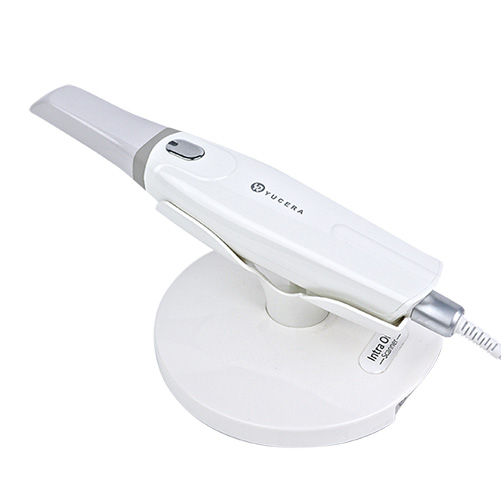
High-precision 3D scanning, AI calibration, full-arch accuracy.
learn more
40-min full sintering with 57% incisal translucency and 1050 MPa strength.
learn more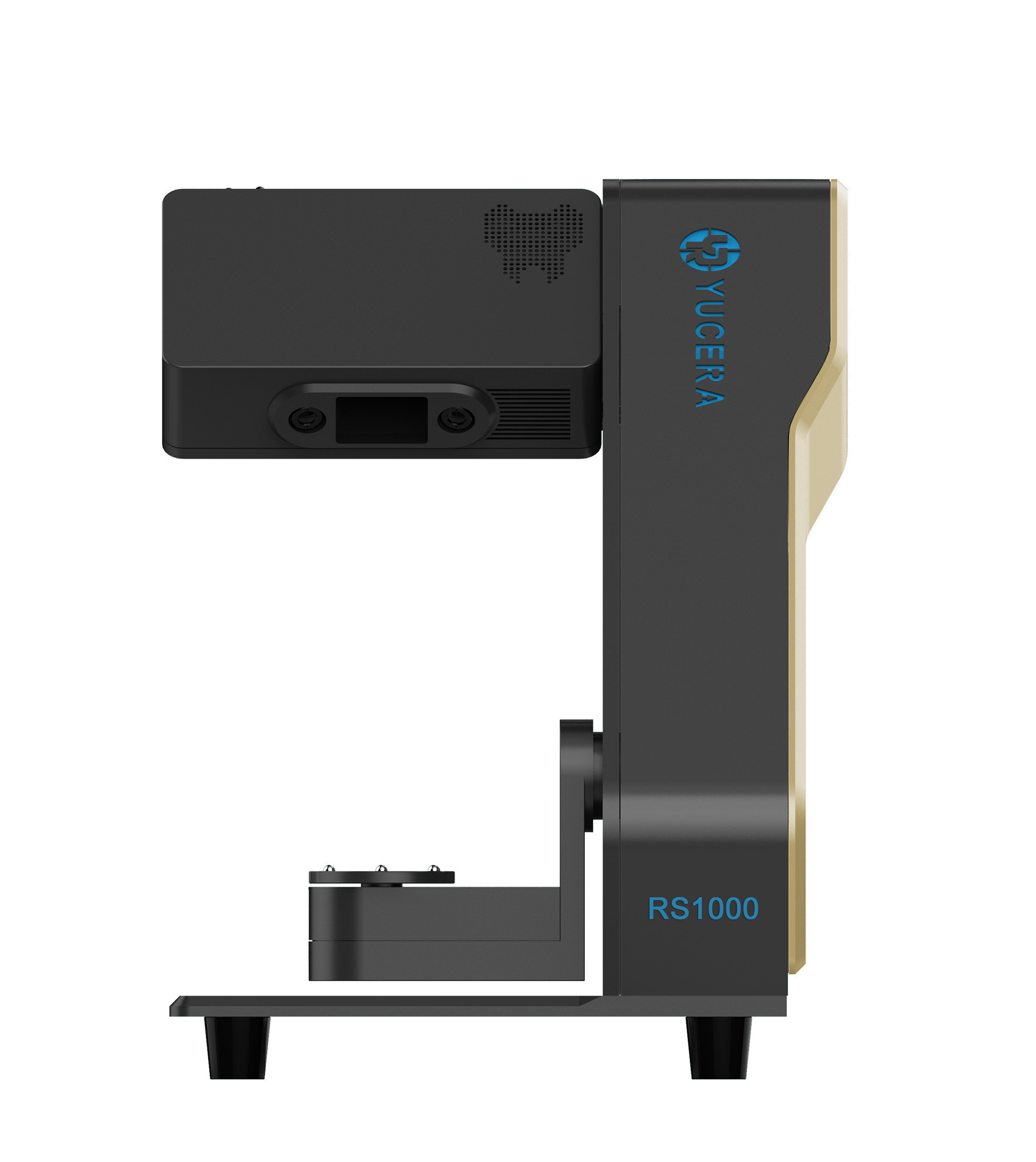
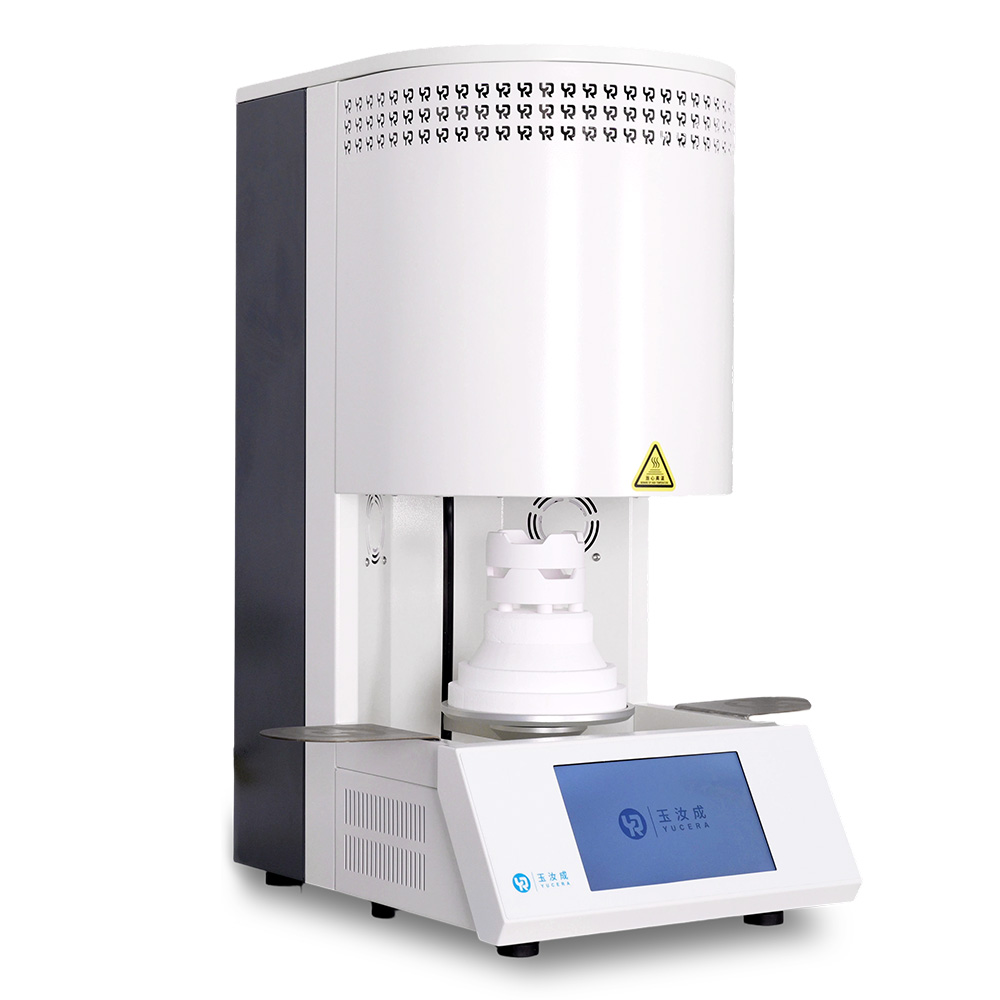
40-min cycle for 60 crowns, dual-layer crucible and 200°C/min heating.
learn more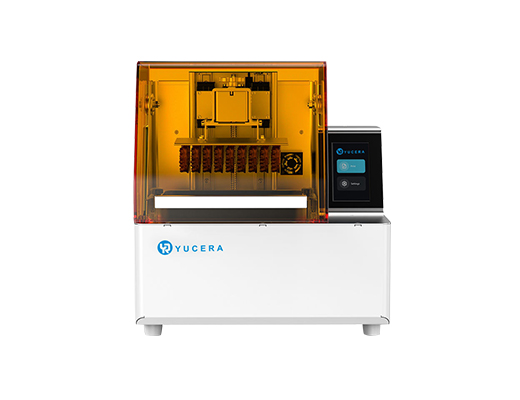
High-speed LCD printer for guides, temporaries, models with 8K resolution.
learn more