

 中 文
中 文
Top 5 Zirconia Block Suppliers for Superior Dental Solutions: A Comprehensive Guide for Dental Lab Technicians
2024-07-11
2026-08-03
Creating natural-looking dental restorations has never been more achievable. Digital workflows, advanced restorative materials, and modern CAD/CAM technologies allow dental laboratories to produce highly esthetic restorations with greater consistency than ever before.
However, achieving excellent esthetic results is not simply about using more advanced equipment or adding more manual characterization. In many successful laboratories, the opposite is true—a simplified workflow combined with the right materials often leads to more predictable outcomes.
This article explores why simplicity matters in digital dentistry and how choosing appropriate materials can improve both esthetics and laboratory efficiency.
Digital dentistry offers countless design options, software settings, and processing techniques. While flexibility is valuable, overly complicated workflows can introduce unnecessary variation.
When every technician follows a different design approach, staining technique, or finishing method, achieving consistent esthetic results becomes difficult.
A standardized workflow helps laboratories maintain predictable quality by reducing unnecessary adjustments throughout production.
Simple workflows typically provide several advantages:
Instead of spending valuable time troubleshooting every case differently, technicians can focus on refining details that truly influence clinical outcomes.
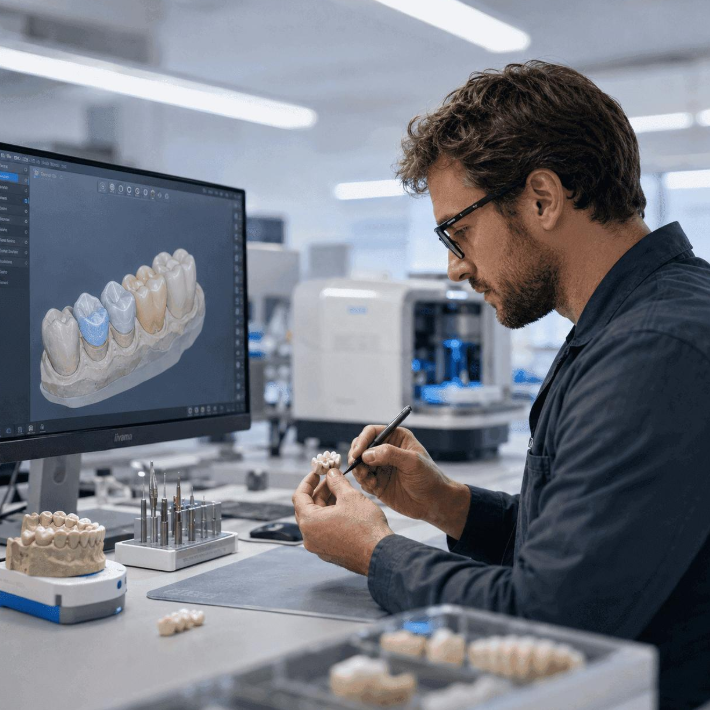
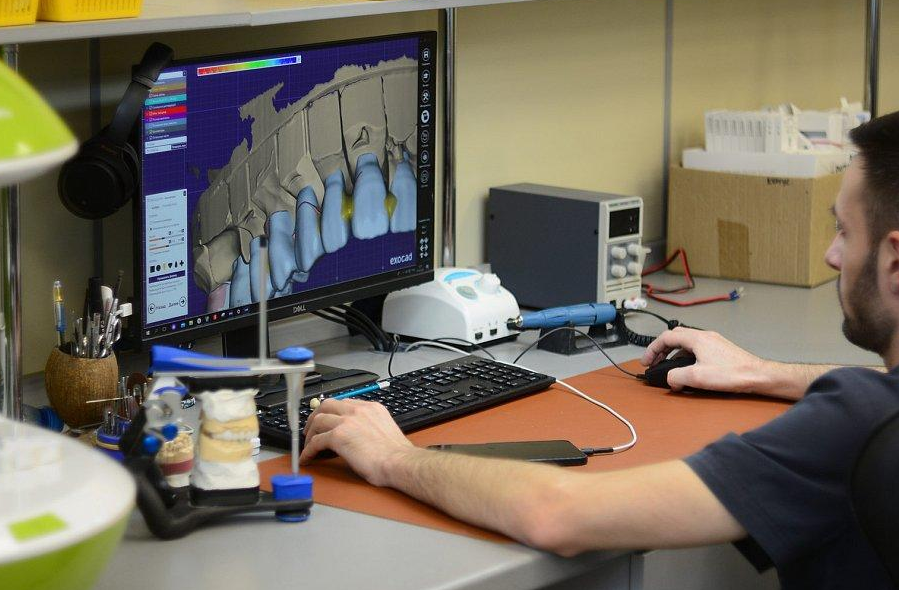
Modern CAD/CAM systems simplify restoration production from the initial scan to the final polish.
A typical digital workflow includes:
When each stage follows standardized procedures, laboratories experience fewer unexpected issues and achieve more reliable esthetic outcomes.
Rather than relying on repeated corrections, technicians can build confidence in a repeatable process that consistently produces high-quality restorations.
Even the most advanced digital equipment cannot compensate for unsuitable restorative materials.
Material selection influences nearly every aspect of the final restoration, including:
Choosing materials designed for the intended clinical indication simplifies the entire workflow.
For example, multilayer zirconia with integrated shade transitions can reduce the need for extensive manual staining, while maintaining a natural appearance across the restoration.
Similarly, materials with stable sintering behavior help laboratories achieve more predictable dimensions and fit.
The right material allows technicians to spend less time correcting problems and more time producing consistent results.
Many technicians associate esthetics primarily with staining and glazing.
In reality, the foundation for a natural-looking restoration is established much earlier in the workflow.
Several factors contribute to esthetic success:
Reliable digital impressions capture precise preparation margins and anatomical details, reducing the need for adjustments later.
Proper tooth anatomy, occlusal morphology, and emergence profiles create restorations that look natural before any characterization is added.
Selecting materials with suitable translucency and shade characteristics helps reproduce the appearance of natural teeth with minimal manual intervention.
Consistent milling, sintering, and polishing preserve the intended design and maintain surface quality.
When these stages work together, characterization becomes a subtle enhancement rather than a corrective procedure.
Advances in restorative materials have significantly reduced the amount of manual finishing required.
Modern multilayer materials are designed to provide:
As a result, many restorations require only light characterization and polishing before delivery.
Reducing unnecessary manual steps offers several benefits:
Rather than depending on extensive artistic adjustments, laboratories can achieve beautiful restorations through controlled digital workflows.
Dental laboratories often face the challenge of training new technicians while maintaining production efficiency.
Standardized workflows simplify this process.
When every technician follows the same design principles, material protocols, and production procedures, new employees become productive more quickly.
Hands-on training becomes more effective because instructors teach a consistent workflow instead of multiple individual techniques.
This approach also helps laboratories maintain quality regardless of technician experience.
Digital dentistry continues to evolve with new software, manufacturing technologies, and restorative materials.
Successful laboratories regularly evaluate their workflows to identify opportunities for improvement.
Questions worth asking include:
Small improvements across the workflow often produce greater long-term benefits than adding additional complexity.
Laboratories looking to improve esthetic consistency can start with a few practical strategies:
These practices help build predictable outcomes while improving efficiency across the laboratory.
Excellent esthetic restorations are not the result of complicated workflows—they are the result of well-designed processes and informed material selection.
By simplifying digital workflows, standardizing production procedures, and choosing restorative materials that support both efficiency and natural appearance, dental laboratories can consistently deliver restorations that meet the expectations of clinicians and patients alike.
As digital dentistry continues to advance, the laboratories that achieve the best results will not necessarily be those using the most complex techniques, but those that combine practical workflows with materials designed to make excellent esthetics easier to achieve.

Dry & wet milling for zirconia, PMMA, wax with auto tool changer.
learn more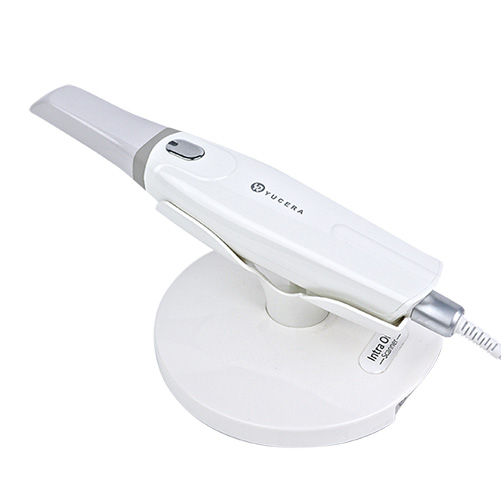
High-precision 3D scanning, AI calibration, full-arch accuracy.
learn more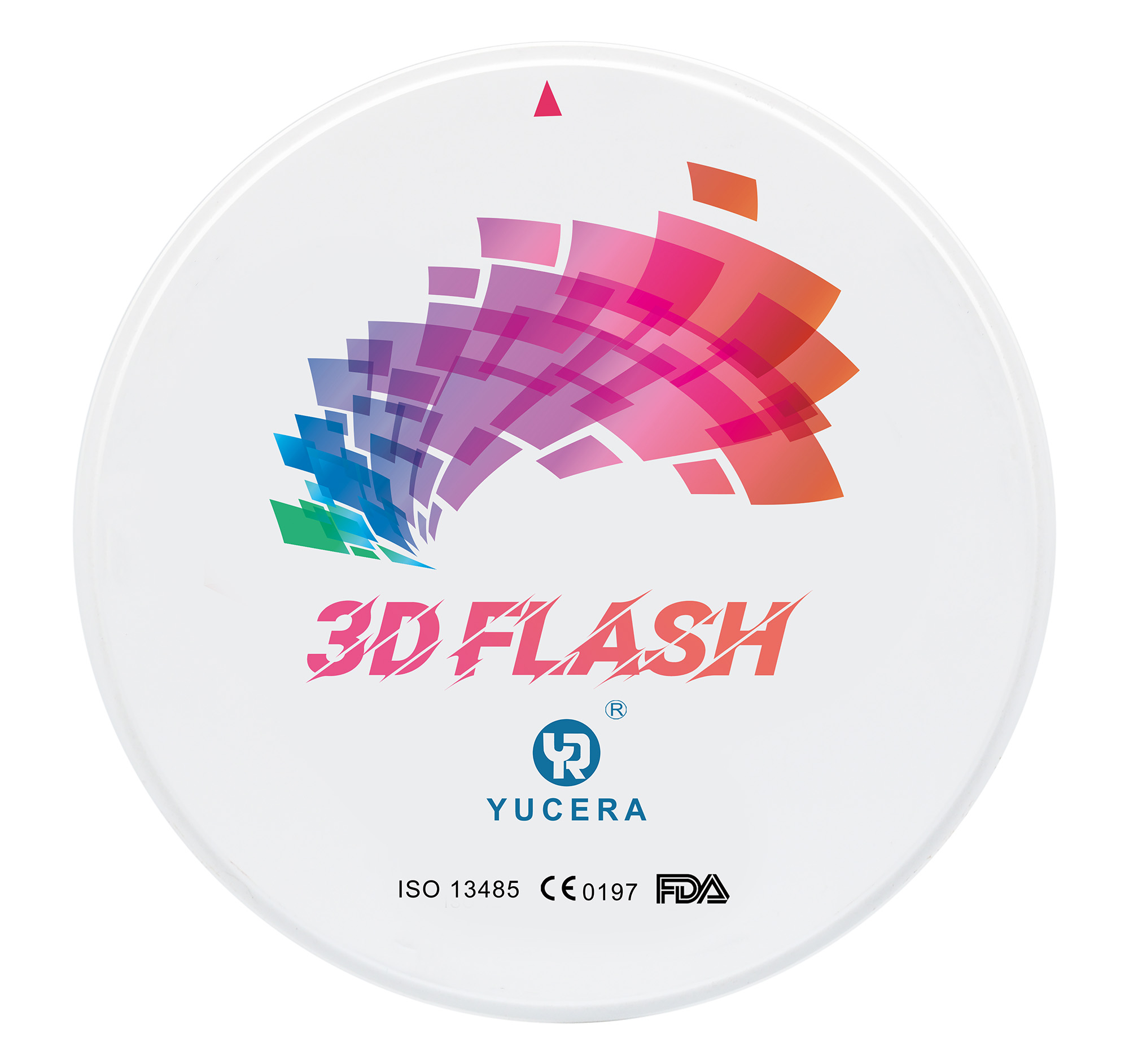
40-min full sintering with 57% incisal translucency and 1050 MPa strength.
learn more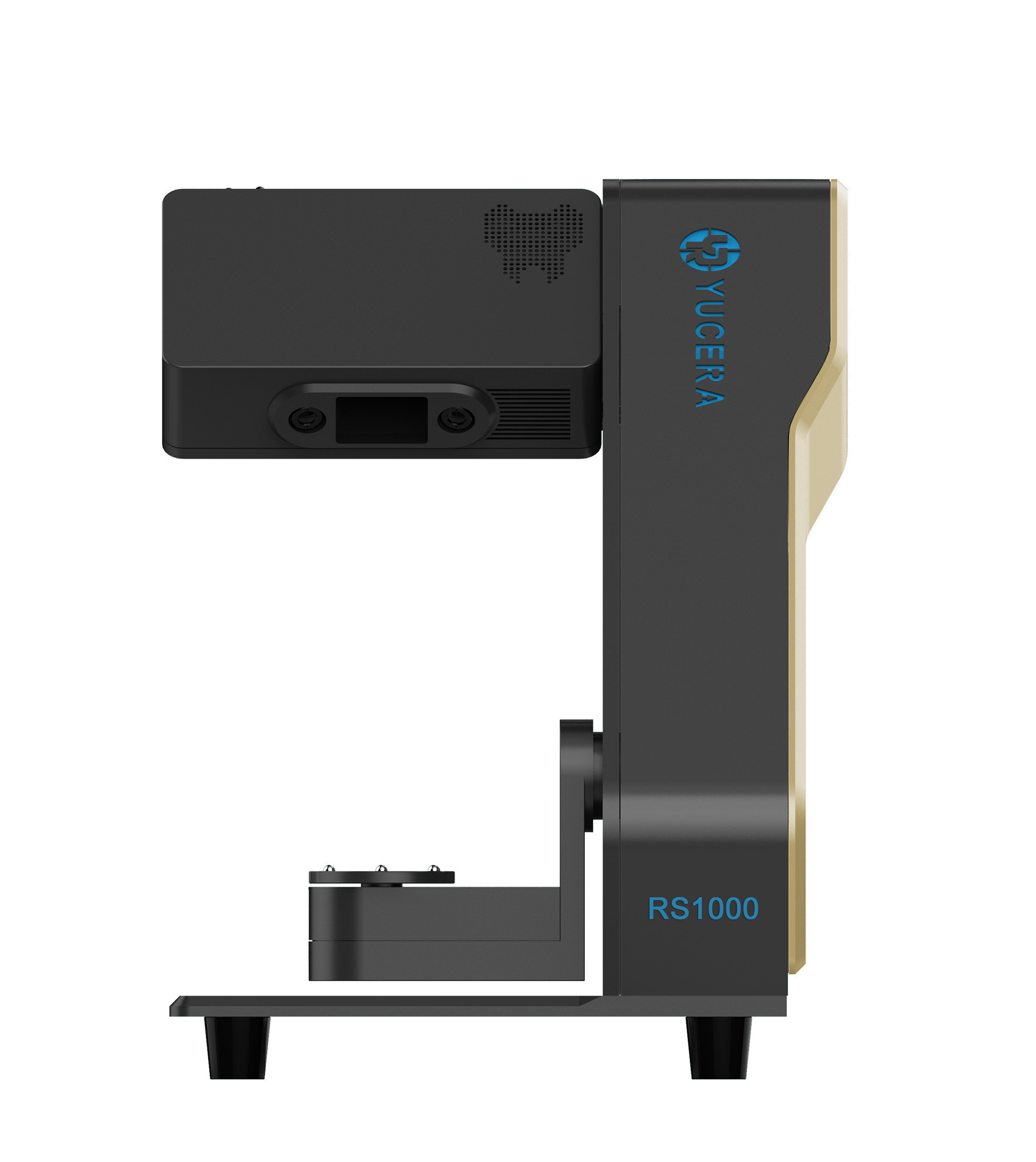
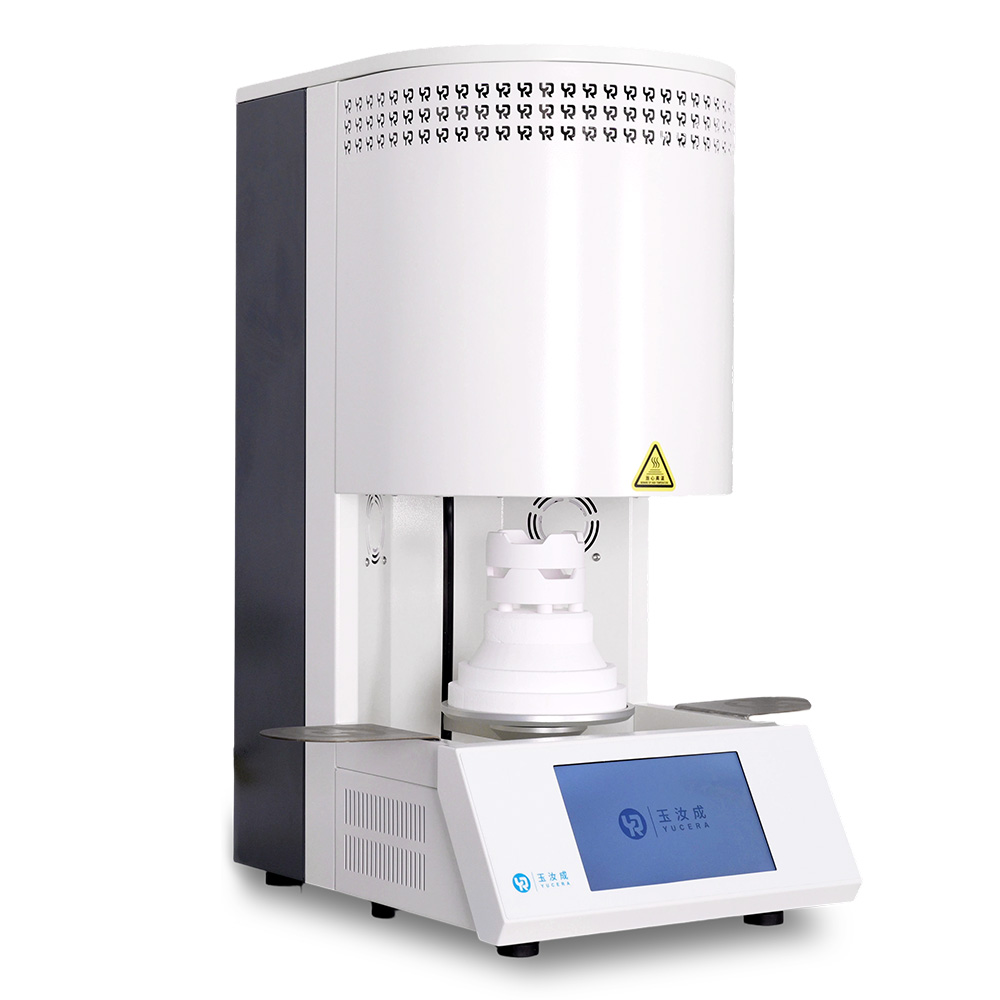
40-min cycle for 60 crowns, dual-layer crucible and 200°C/min heating.
learn more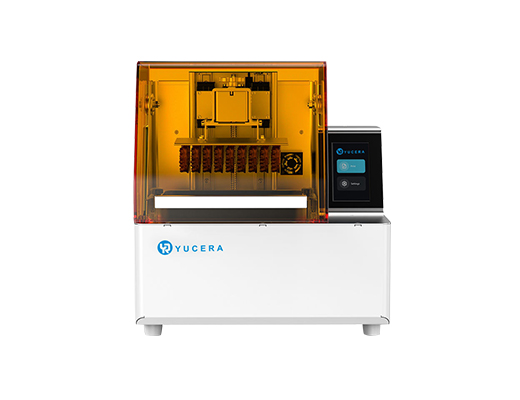
High-speed LCD printer for guides, temporaries, models with 8K resolution.
learn more