

 中 文
中 文
Popularity of Zirconia Materials in CAD/CAM Dental Restorations in Africa
2025-12-14
2025-12-13
In the evolving landscape of digital dentistry, same-day CAD/CAM crown design stands out as a groundbreaking innovation, particularly in South Africa where access to efficient oral healthcare is paramount. CAD/CAM, or Computer-Aided Design and Computer-Aided Manufacturing, allows dentists to create and place dental crowns in a single visit, eliminating the need for multiple appointments and temporary restorations. As of 2025, this technology is revolutionizing practices across urban centers like Johannesburg and Cape Town, addressing challenges such as dentist shortages and high patient volumes. The Middle East and Africa (MEA) dental market, including South Africa as a key player, is projected to grow from USD 1.33 billion in 2024 to USD 2.81 billion by 2032, with a compound annual growth rate (CAGR) of 9.8%, largely driven by digital advancements like CAD/CAM.
This shift toward same-day solutions is fueled by technical innovations in digital scanning, AI-assisted design, and advanced milling processes, making high-quality crowns more accessible and precise. In South Africa, where oral health disparities persist between urban and rural areas, these innovations are not just enhancing efficiency but also improving patient outcomes in provinces like Gauteng and Western Cape. This article delves into the technical innovations behind same-day CAD/CAM crown design in South Africa, exploring their applications, benefits, challenges, and future prospects. Optimized for searches like "same day cad cam crowns south africa" and "cad cam dental innovations south africa," it highlights how these advancements are shaping the future of dentistry in key locations such as Durban and Pretoria.
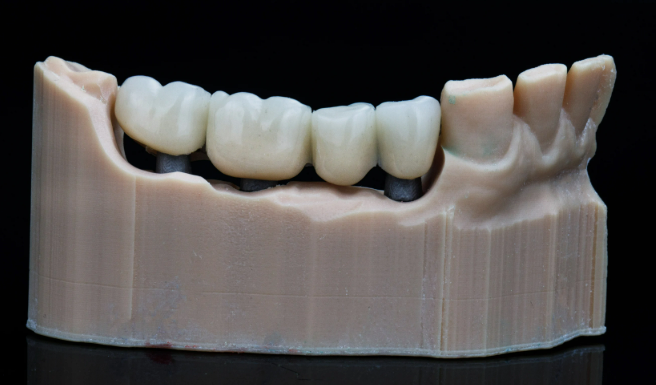
CAD/CAM technology has its roots in the 1980s but has seen exponential growth in recent years, particularly in same-day crown fabrication. The process involves three main steps: digital impression capture using intraoral scanners, computer-aided design of the crown, and computer-aided manufacturing via milling or 3D printing. In traditional methods, crowns required lab work spanning weeks, but same-day CAD/CAM reduces this to hours, using chairside systems that integrate scanning, design software, and milling units directly in the dental office.
In South Africa, adoption has accelerated due to the country's robust healthcare infrastructure in urban areas and increasing demand for aesthetic and functional restorations. The South African Dental Association (SADA) emphasizes the role of digital tools in overcoming workforce limitations, with only about 6,350 registered dentists serving over 60 million people. Globally, the dental CAD/CAM market is valued at USD 3.1 billion in 2025 and is expected to reach USD 6.1 billion by 2034 at a CAGR of 7.8%, with chairside systems growing at over 11% CAGR through 2032. In the MEA region, this growth is mirrored, as digital dentistry addresses rising incidences of dental caries and periodontal diseases, affecting up to 76.5% of populations in some studies.
South Africa's context adds unique layers: economic disparities mean that innovations must balance cost-effectiveness with quality, while power outages (load-shedding) necessitate resilient systems. Clinics in Johannesburg are leading the charge, incorporating CAD/CAM to serve diverse populations, including medical tourists seeking affordable, high-tech treatments.
Recent innovations in same-day CAD/CAM crown design focus on precision, speed, and integration with emerging technologies. One major advancement is the use of high-resolution intraoral scanning, which captures detailed 3D images of the tooth preparation without traditional impressions. These scanners employ optical technologies to achieve sub-micron accuracy, reducing errors in crown fit by up to 50% compared to conventional methods. In South Africa, this is particularly beneficial in busy practices in Cape Town, where patient throughput is high.
AI-assisted design software represents another leap forward. By 2025, AI algorithms analyze scan data to suggest optimal crown shapes, margins, and occlusal contacts, automating up to 70% of the design process. This innovation minimizes human error and accelerates workflows, allowing dentists in Pretoria to finalize designs in minutes. Cloud integration further enhances this, enabling remote collaboration where designs can be reviewed by specialists across provinces, addressing rural-urban gaps.
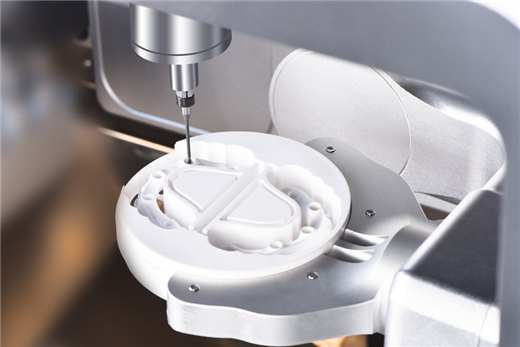
Milling and manufacturing innovations include the adoption of hybrid ceramic materials and advanced milling machines that produce crowns with exceptional strength and aesthetics. These materials, such as zirconia composites, offer durability exceeding 10 years while mimicking natural tooth translucency. In South African clinics, on-site milling reduces waste and costs, with systems capable of fabricating crowns in under an hour. 3D printing integration is emerging as a complementary innovation, allowing for rapid prototyping and customization, especially in complex cases like multi-unit restorations.
Sustainability features are also innovative: energy-efficient milling units with low-power modes adapt to South Africa's intermittent electricity supply, ensuring uninterrupted operations during load-shedding in areas like Durban. Additionally, biodegradable packaging and recyclable milling blocks align with green dentistry trends, reducing the environmental footprint in eco-conscious regions like the Western Cape.
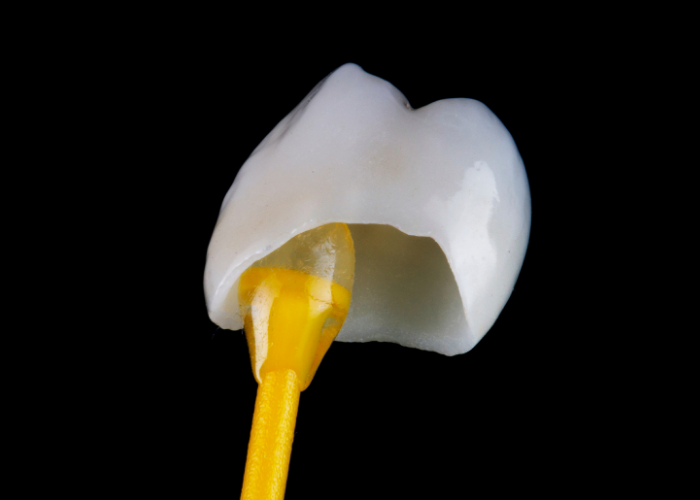
In South Africa, same-day CAD/CAM crown design is applied across various settings, from private clinics to public health facilities. In Johannesburg's Gauteng province, where dental tourism thrives, clinics use this technology for immediate restorations, attracting patients from neighboring countries seeking quick, reliable treatments. For instance, in cosmetic dentistry, CAD/CAM enables precise veneer and crown placements, meeting the growing demand for aesthetic enhancements among urban professionals.
Public sector applications are noteworthy: in under-resourced areas like the Eastern Cape, mobile units equipped with portable CAD/CAM systems provide same-day services, reducing wait times from weeks to hours. This is crucial in a country where 80% of oral health services are privately funded, leaving public patients vulnerable to delays. In Cape Town's academic institutions, such as the University of the Western Cape, CAD/CAM is integrated into training programs, preparing future dentists for digital workflows.
Case studies highlight success: a Johannesburg clinic reported a 40% increase in patient satisfaction with same-day crowns, attributing it to reduced discomfort and fewer visits. In Durban, innovations in material science have led to crowns resistant to the high-sugar diets common in South African communities, preventing secondary caries.
The benefits are multifaceted. Time savings top the list: patients avoid temporary crowns and multiple appointments, ideal for busy lifestyles in Pretoria. Enhanced precision reduces remake rates by 15-20%, lowering costs for clinics and patients. In economic terms, same-day CAD/CAM can cut treatment expenses by 30%, making it accessible in a market where affordability is key.
Patient comfort improves without messy impressions, and immediate results boost compliance in rural KwaZulu-Natal. For dentists, workflow efficiency allows handling 20-30% more cases daily, alleviating shortages. Environmentally, digital processes minimize waste from traditional labs.
Despite advantages, challenges exist. High initial investments (USD 50,000-150,000) deter small practices in Bloemfontein. Training requirements mean ongoing education is needed, with SADA advocating for workshops. Infrastructure issues like power instability in Mpumalanga require backup systems.
Regulatory hurdles, including data privacy under POPIA, add complexity to cloud-based designs. Material costs remain high due to imports, though local manufacturing initiatives are emerging.
By 2032, South Africa's CAD/CAM market could see accelerated growth within MEA's projections, with AI and 3D printing integrations leading. Prospects include augmented reality for virtual try-ons and biodegradable materials for sustainability. Government subsidies under National Health Insurance could expand access in Limpopo.
Recommendations: invest in training, develop local supply chains, and pilot programs in underserved areas. Collaborations between universities and clinics in Cape Town could drive further innovations.

Dry & wet milling for zirconia, PMMA, wax with auto tool changer.
learn more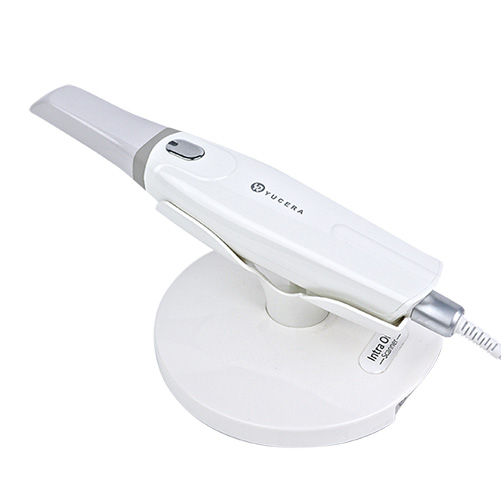
High-precision 3D scanning, AI calibration, full-arch accuracy.
learn more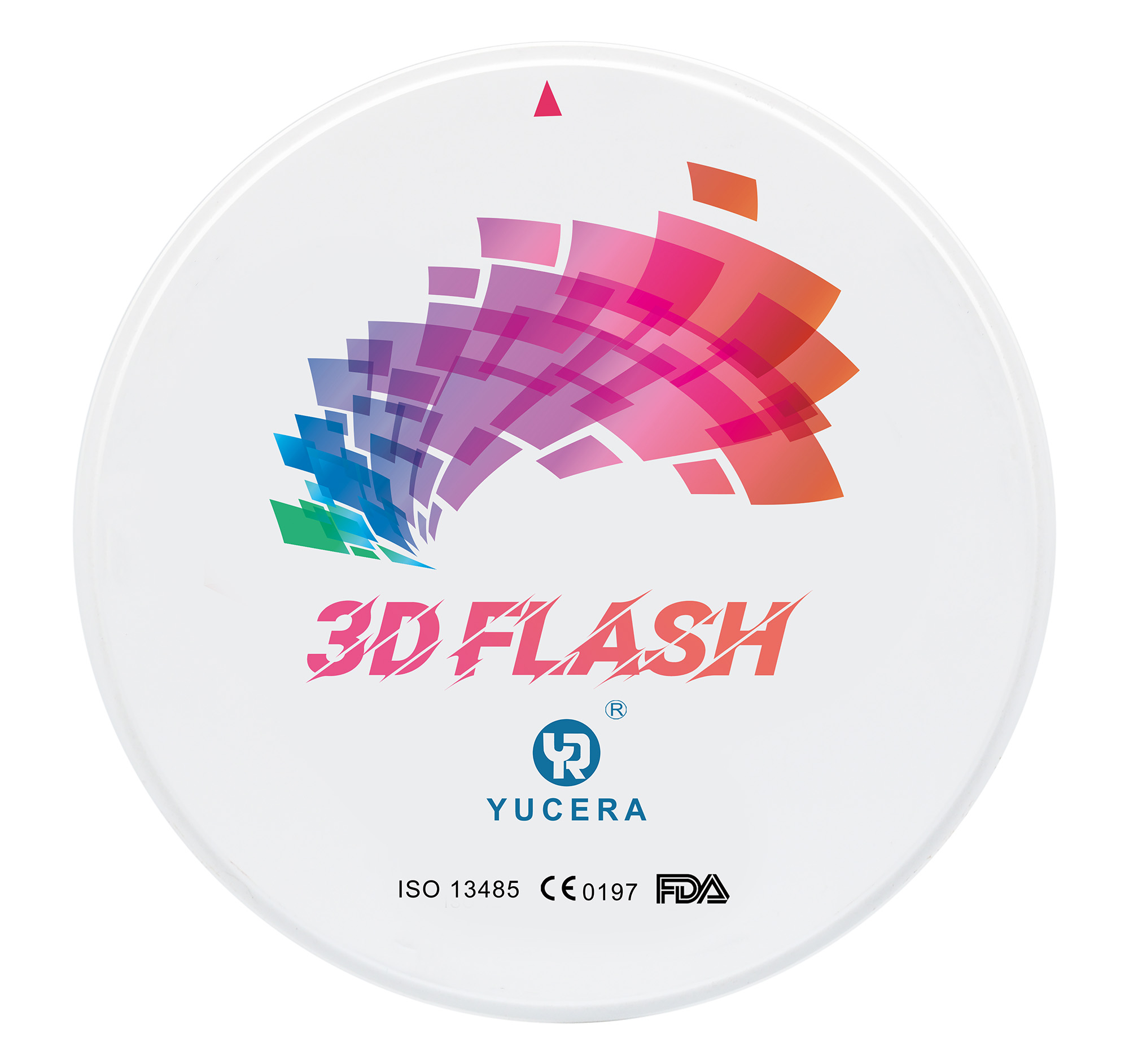
40-min full sintering with 57% incisal translucency and 1050 MPa strength.
learn more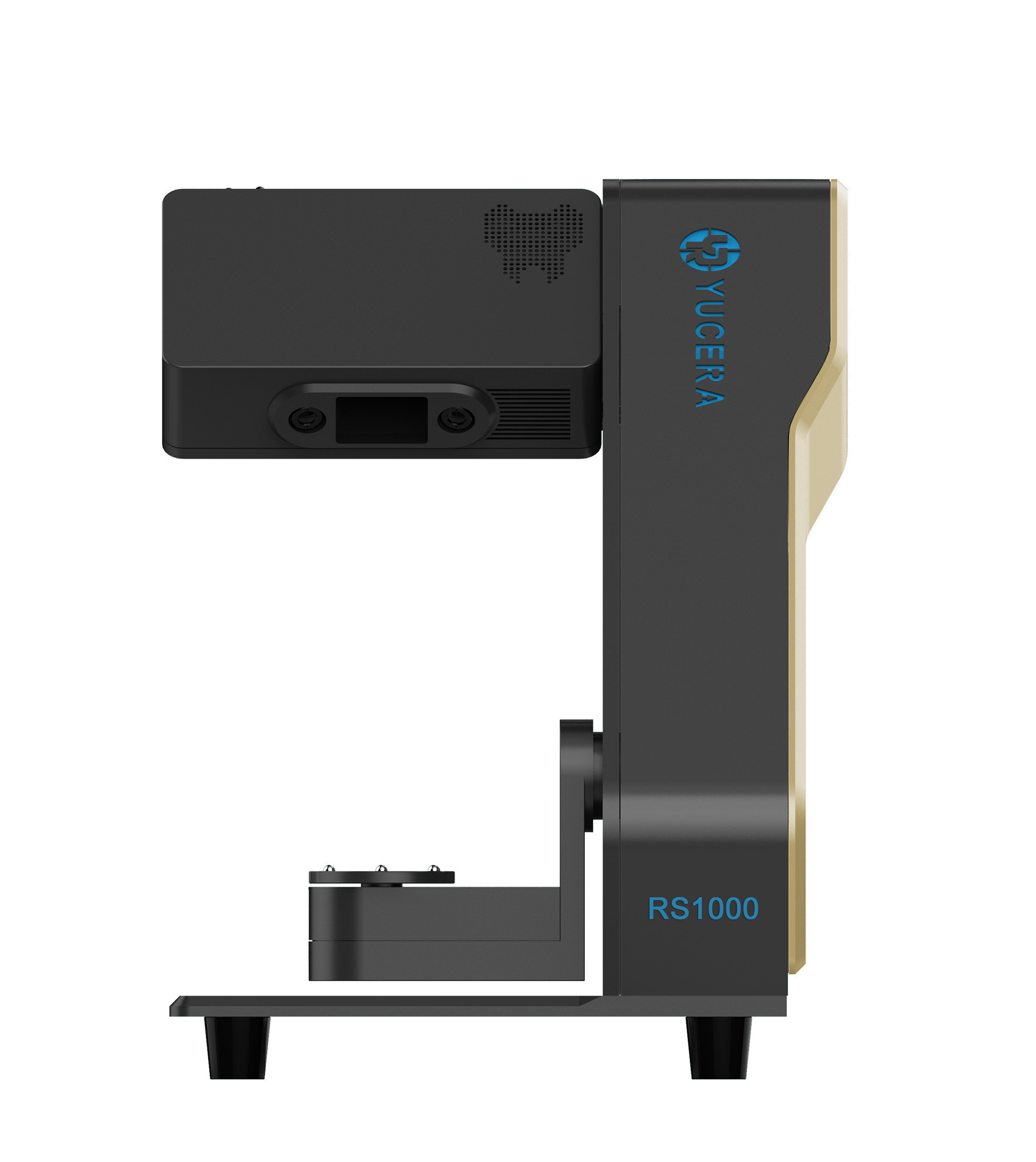
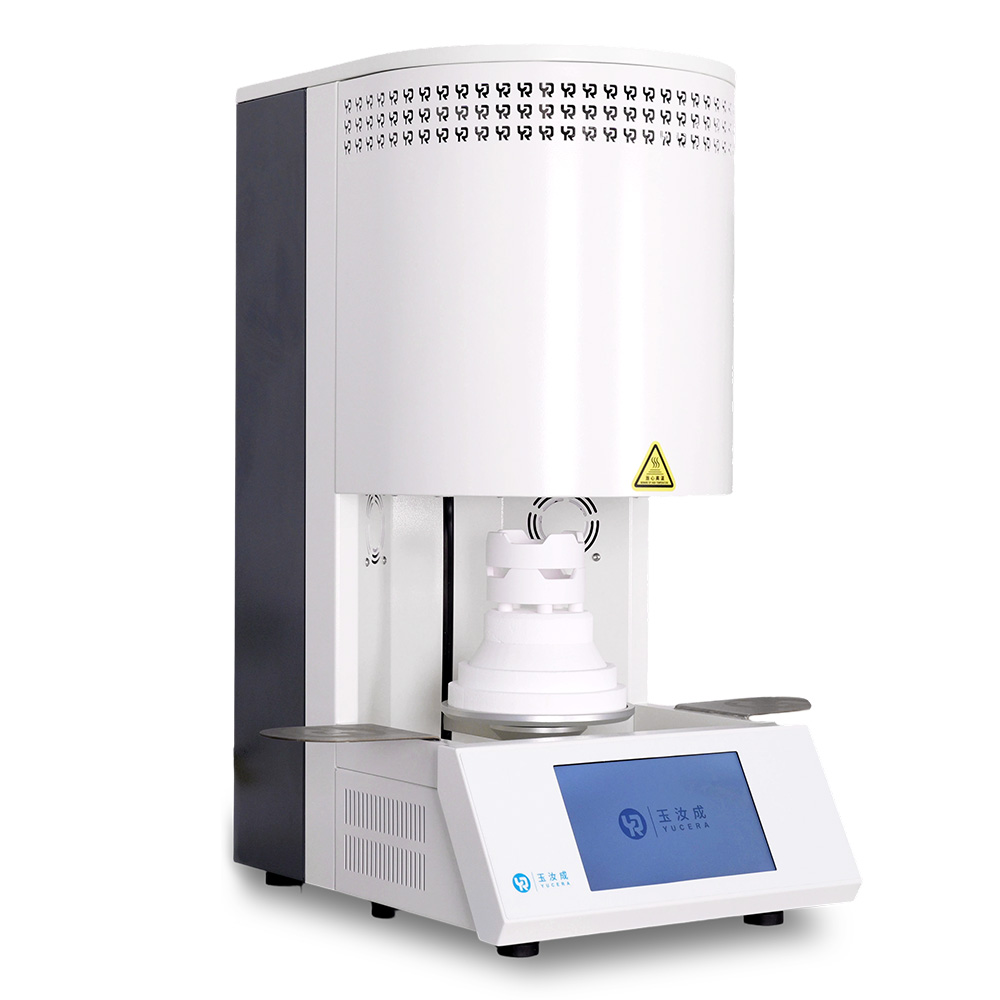
40-min cycle for 60 crowns, dual-layer crucible and 200°C/min heating.
learn more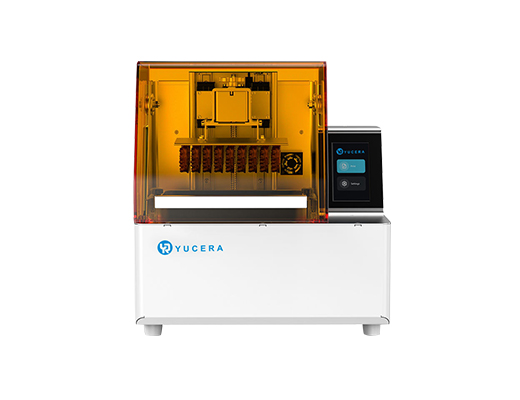
High-speed LCD printer for guides, temporaries, models with 8K resolution.
learn more