

 中 文
中 文
How to Train Dental Staff on CAD/CAM Equipment: US & Europe Market-Specific Guidelines 2026
2026-02-14
2025-12-11
In Sub-Saharan Africa (SSA), the dental sector is undergoing a digital transformation, with CAD/CAM (Computer-Aided Design and Computer-Aided Manufacturing) milling practices at the forefront. These technologies enable precise fabrication of dental restorations like crowns, bridges, and implants, but they face significant hurdles due to infrastructure challenges such as unreliable electricity, limited internet access, and supply chain disruptions. As of 2025, the global dental CAD/CAM market is valued at approximately USD 3.1 billion, projected to grow to USD 6.1 billion by 2034 at a CAGR of 7.8%, with SSA emerging as a key growth area driven by increasing oral health awareness and urbanization. However, sustainability in CAD/CAM milling—focusing on energy efficiency, waste reduction, and eco-friendly materials—is crucial to overcome these barriers and ensure long-term viability.
This article delves into sustainable CAD/CAM milling practices tailored to SSA's unique context, highlighting adaptations in countries like South Africa, Nigeria, and Kenya. By addressing infrastructure limitations in cities such as Johannesburg, Lagos, and Nairobi, these practices not only enhance dental care accessibility but also align with global environmental goals. For SEO optimization, terms like "sustainable CAD/CAM milling Africa" and "Sub-Saharan Africa dental infrastructure challenges" underscore the relevance for researchers and practitioners seeking insights into eco-friendly dental innovations.
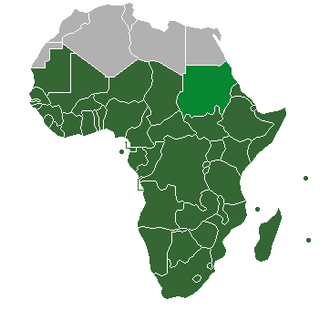
SSA's dental infrastructure is plagued by systemic issues that impede the adoption of advanced technologies like CAD/CAM milling. Electricity shortages are a primary concern: on average, 26% of health facilities in surveyed SSA countries have no access to electricity, while only 28% enjoy reliable power. In Kenya and other East African nations, power outages cripple healthcare delivery, affecting over 25,000 facilities without any electricity and 68,350 with unreliable supply. This unreliability directly impacts CAD/CAM milling machines, which require consistent power for precise operations, leading to interrupted workflows and increased operational costs in dental clinics across Nairobi and Addis Ababa.
Beyond electricity, limited broadband connectivity hinders cloud-based CAD/CAM software, essential for design sharing and remote collaborations. In Nigeria, fragmented healthcare infrastructure exacerbates these issues, with over 50% of the population lacking basic oral healthcare services. Supply chain vulnerabilities, including high import costs for milling materials, further complicate sustainability efforts. In South Africa, the largest SSA market for digital dentistry, load-shedding (scheduled power cuts) affects clinics in Johannesburg and Cape Town, forcing reliance on generators that increase carbon emissions.
These challenges contribute to an environmental footprint in dentistry, from material waste to energy consumption. A narrative review on sustainable dental practices emphasizes the ecological impact of supply chains, procedures, and waste disposal in SSA. With the dental CAD/CAM segment dominating the digital dentistry market at 52% share in 2024, adapting sustainable milling practices is imperative for SSA's projected growth from USD 4.14 billion globally in 2024 to USD 7.77 billion by 2032.
CAD/CAM milling involves digital scanning of a patient's oral cavity, software-based design of restorations, and automated milling from blocks of materials like ceramics or composites. This process reduces manual labor, minimizes errors, and allows same-day restorations, which is vital in SSA where dentist shortages limit patient throughput. In 2025, the dental milling machine market is projected to grow from USD 984.9 million to USD 1,865 million by 2032 at a CAGR of 9.5%, with SSA benefiting from cost efficiencies in urban centers like Lagos.
Sustainability in CAD/CAM milling focuses on reducing waste—traditional methods generate up to 30% material scrap, while optimized CAD/CAM can cut this to under 10% through precise nesting algorithms. Energy-efficient machines and recyclable materials further enhance eco-friendliness. In SSA, where environmental regulations are evolving, these practices align with broader goals of reducing the dental sector's carbon footprint, estimated at 4-5% of global healthcare emissions.
Sustainable CAD/CAM milling in SSA incorporates several key practices. First, the use of eco-friendly materials like bio-based composites and recyclable ceramics minimizes environmental harm. Zirconia and lithium disilicate, popular in CAD/CAM, account for 60% of applications and can be sourced with lower embodied energy through local suppliers in South Africa. Waste recycling programs, where milling debris is repurposed for non-clinical uses, reduce landfill contributions.
Energy efficiency is critical amid power shortages. Hybrid milling systems with battery backups or solar integration allow operations during outages, as seen in Kenyan clinics adopting low-power CAD/CAM units. Software optimizations, such as AI-driven path planning, cut milling time by 20-30%, conserving energy. Water conservation in wet milling processes uses recirculating systems to address SSA's water scarcity issues.
In Nigeria, sustainable practices include modular CAD/CAM setups that scale with infrastructure improvements, reducing initial investments from USD 50,000-500,000. Community-based milling centers in rural areas share resources, promoting equity and sustainability.
In South Africa, CAD/CAM milling is adapted for public clinics in Cape Town, using portable units to mitigate load-shedding impacts. Tele-dentistry integrations allow designs from Johannesburg to be milled in remote areas, addressing access challenges.
Kenya's Nairobi-based practices employ solar-powered milling for sustainable operations, serving underserved populations. In Nigeria, adaptations focus on resilient supply chains, sourcing materials regionally to cut import dependencies.
These applications enhance oral health outcomes, with SSA's dental consumables market growing amid 50% population lacking services.
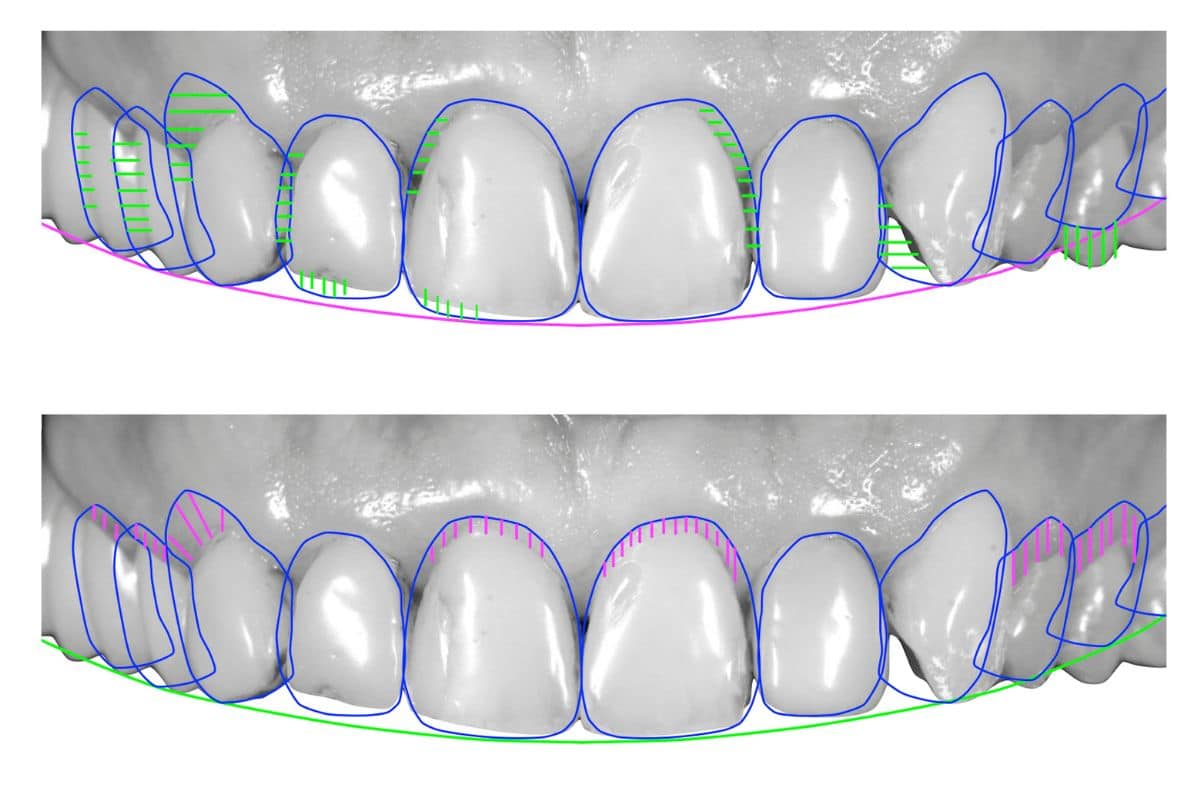
Benefits include cost savings: energy-efficient milling reduces operational expenses by 15-20% in power-scarce regions. Environmental gains lower waste and emissions, supporting SSA's climate resilience efforts. Improved access in rural Ethiopia and Tanzania through mobile units bridges urban-rural divides.
Patient satisfaction rises with faster, precise restorations, boosting adoption in private sectors.
High upfront costs and training needs pose barriers. Regulatory gaps in waste management and inconsistent power hinder scalability. Ethical concerns around data privacy in cloud-based systems add complexity.
By 2030, SSA's CAD/CAM market could see 5-7% CAGR with sustainable innovations. Prospects include AI-enhanced efficiency and renewable integrations. Recommendations: government subsidies for solar setups, training programs, and regional collaborations.
Sustainable CAD/CAM milling practices offer a pathway to resilient dental care in SSA, overcoming infrastructure challenges through innovation. As "eco-friendly dental practices SSA" gains traction, these adaptations promise a greener, more accessible future.

Dry & wet milling for zirconia, PMMA, wax with auto tool changer.
learn more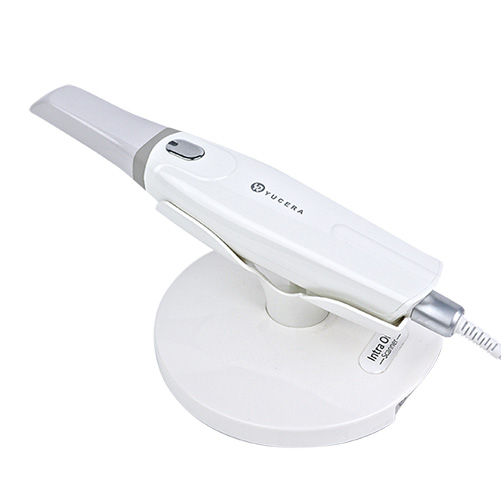
High-precision 3D scanning, AI calibration, full-arch accuracy.
learn more
40-min full sintering with 57% incisal translucency and 1050 MPa strength.
learn more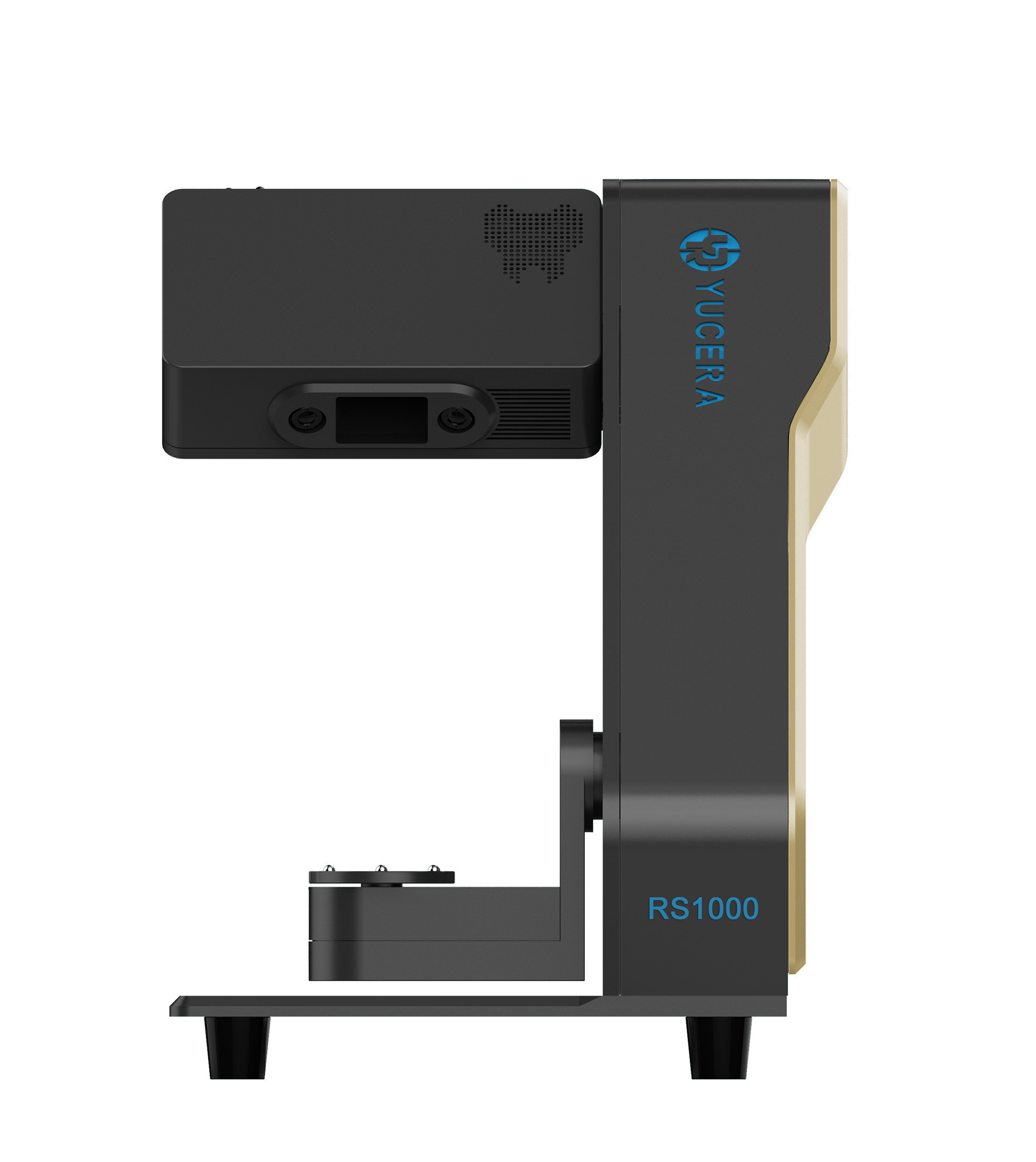
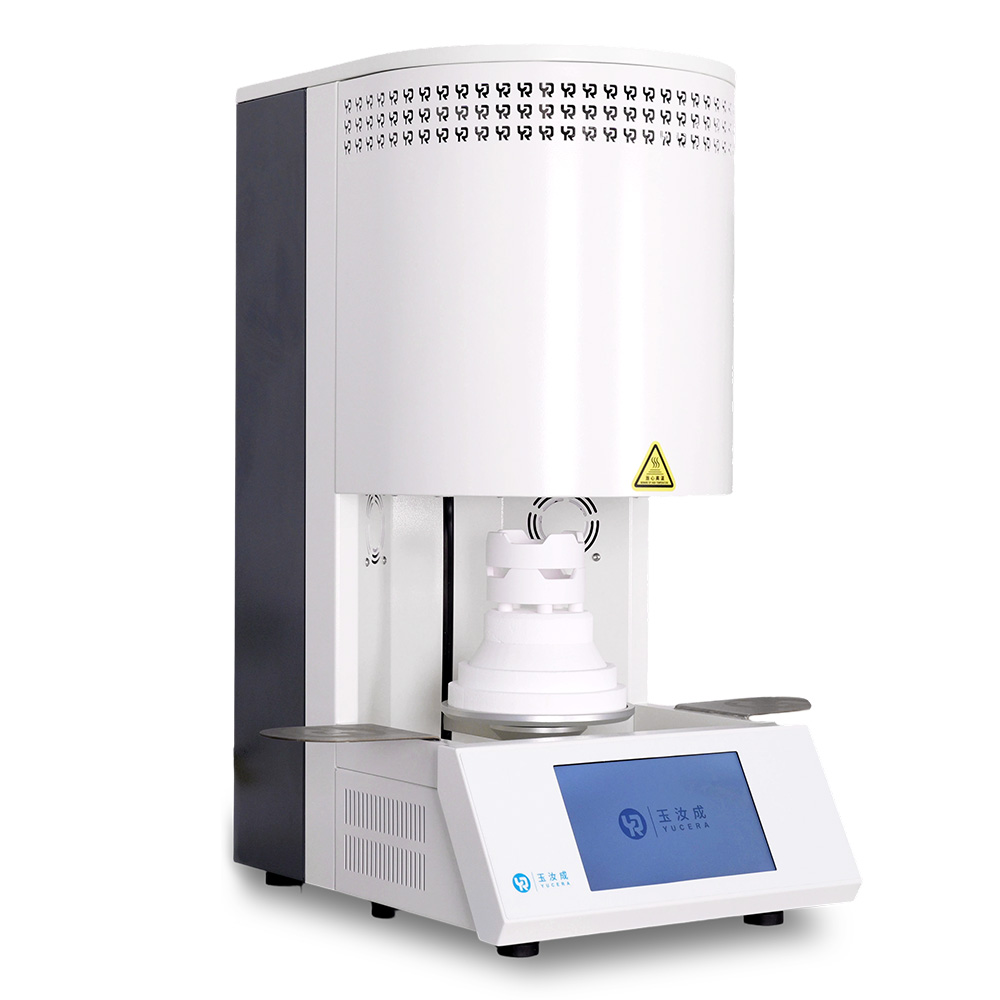
40-min cycle for 60 crowns, dual-layer crucible and 200°C/min heating.
learn more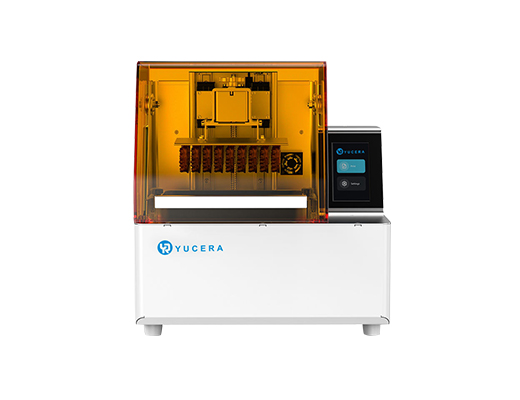
High-speed LCD printer for guides, temporaries, models with 8K resolution.
learn more