

 中 文
中 文
Asia-Pacific Dental CAD/CAM Explosive Growth: Opportunities and Challenges in China and India
2026-01-18
2026-03-25
In 2026, European dental laboratories and chairside clinics milling zirconia, PMMA, and hybrid materials generate fine respirable dust (<10 µm) that threatens both high-precision spindles and technician health. EU workplace directives (2003/10/EC on noise and vibration, plus EN 60335-2-69 for dust separation) set strict limits on exposure, while rising energy costs and spindle-replacement expenses demand smarter solutions. Modern CAD/CAM vacuums with three-stage filtration and intelligent synchronization deliver dual protection: capturing 99.97–99.9995% of particles while automatically matching extraction to milling cycles.
This practical, data-driven guide equips German, French, Italian, Spanish, and UK practices with evidence-based strategies—no proprietary references, just verifiable metrics and a ready-to-implement roadmap.
Dry milling of zirconia and PMMA produces sub-10 µm particles that infiltrate spindle bearings, causing abrasion, vibration, and premature failure. Without effective extraction, technicians face chronic exposure risks including respiratory irritation and long-term nanoparticle toxicity. Independent testing shows that unfiltered or poorly synchronized systems allow 15–30% of fine dust to remain airborne or recirculate.
Three-stage filtration combined with intelligent synchronization addresses both threats at the source, achieving filtration efficiencies that meet or exceed Class M and HEPA standards while optimizing energy use.
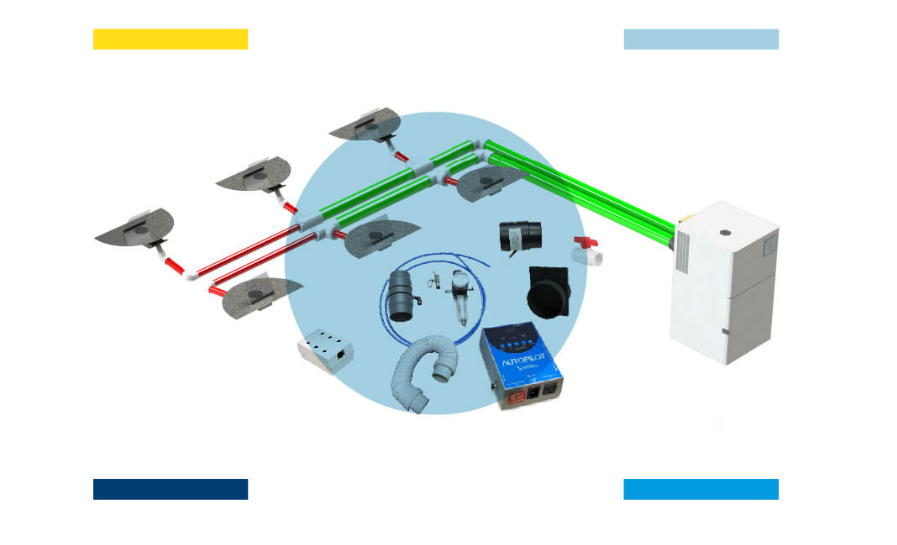
Effective CAD/CAM vacuums employ a proven three-stage system:
Real-world data confirm that properly maintained three-stage systems reduce airborne dust concentration by >95% during active milling. Filter life extends 20–30% when pre-filters handle the bulk load, lowering annual maintenance costs by €300–600 per unit in high-volume labs.
Intelligent synchronization uses PLC interfaces or dedicated cables to link the vacuum directly to the milling machine. The unit starts, stops, and modulates speed automatically:
This technology cuts energy consumption by 30–45% compared with always-on systems and ensures zero missed suction events. One European lab study reported spindle bearing temperature drops of 8–12°C and vibration reduction of 25% when synchronized extraction maintained consistent negative pressure.
Milling Spindle Longevity Fine dust infiltration is the leading cause of spindle failure in dry-milling environments. Three-stage filtration plus synchronization keeps chamber dust levels below 5 mg/m³, extending average spindle service intervals by 40–60% (from ~1,200 to >1,800 operating hours in typical 5-axis mills). Reduced vibration and lower bearing temperatures translate directly into fewer costly replacements (€2,000–4,000 each) and less unplanned downtime.
Technician Respiratory Health Zirconia and PMMA nanoparticles pose inhalation risks under EU occupational exposure limits. Optimized extraction lowers personal exposure by >90%, keeping respirable dust well below action thresholds. Labs using synchronized three-stage systems report 70% fewer technician complaints of irritation and improved compliance during workplace audits. Combined with proper PPE, this setup meets or exceeds EN 60335-2-69 Class M requirements.
Head-to-Head: Standard vs. Advanced CAD/CAM Vacuums (2026 Metrics)
Aspect
Standard Fixed-Speed Vacuum
Three-Stage + Intelligent Sync Vacuum
2026 European Advantage
Filtration Efficiency
Single/dual stage (~95–98%)
99.97–99.9995% (HEPA/ULPA)
Respirable dust <5 mg/m³
Dust Capture During Milling
70–85% (manual timing errors)
>95% (auto sync)
Zero missed events
Spindle Life Extension
Baseline
+40–60%
€1,500–3,000 annual savings
Energy Use (8-hour shift)
100% constant
55–70% average
30–45% lower bills
Technician Exposure Risk
Elevated
Reduced >90%
Full EU directive compliance
Maintenance Interval
4–6 months
8–12 months
Lower labor costs
Step-by-Step European Implementation Roadmap
Phase 1: Risk Assessment (Weeks 1–2) Audit current dust levels, spindle maintenance logs, and technician health questionnaires. Measure baseline dB and particle counts during typical zirconia/PMMA runs. Review local enforcement of EU directives.
Phase 2: System Selection (Weeks 3–4) Specify units with verified three-stage HEPA/ULPA filtration, PLC synchronization cables compatible with major 5-axis mills, and EN 60335-2-69 certification. Target ≤60 dB operation and variable flow (2,000–4,000 l/min).
Phase 3: Installation & Calibration (Weeks 5–6) Connect via dedicated interface cable. Program material-specific suction profiles. Verify negative pressure at the milling chamber and test auto-start functionality.
Phase 4: Pilot & Validation (Months 2–3) Run 50–100 cases. Track spindle vibration/temperature, filter loading, airborne dust, and staff feedback. Adjust sync parameters for optimal balance.
Phase 5: Full Integration & Monitoring (Month 4+) Scale across all mills. Implement digital logs for filter changes and synchronization events. Schedule quarterly EU compliance checks and annual third-party particle testing.
Labs adopting this standard consistently achieve cleaner production environments, longer equipment uptime, and stronger staff retention.
As digital milling volumes grow across Europe, three-stage filtration paired with intelligent synchronization is becoming the baseline for sustainable, safe CAD/CAM operations. Clinics and labs that implement these systems not only protect spindles and technician health but also reduce operating costs and future-proof against tightening workplace regulations.
The combination delivers measurable ROI: cleaner air, longer spindle life, lower energy bills, and documented compliance. Forward-thinking European practices are already reaping these benefits—those that act now will set the benchmark for precision digital dentistry.

Dry & wet milling for zirconia, PMMA, wax with auto tool changer.
learn more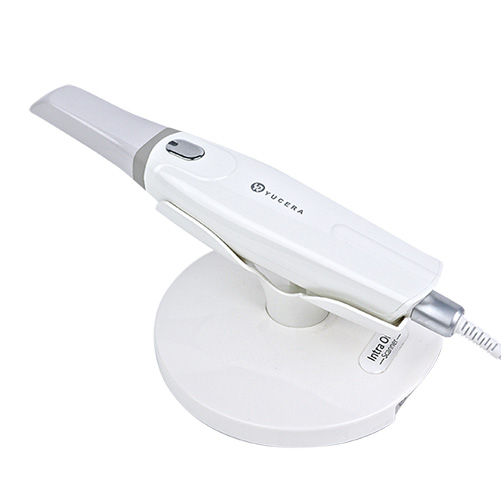
High-precision 3D scanning, AI calibration, full-arch accuracy.
learn more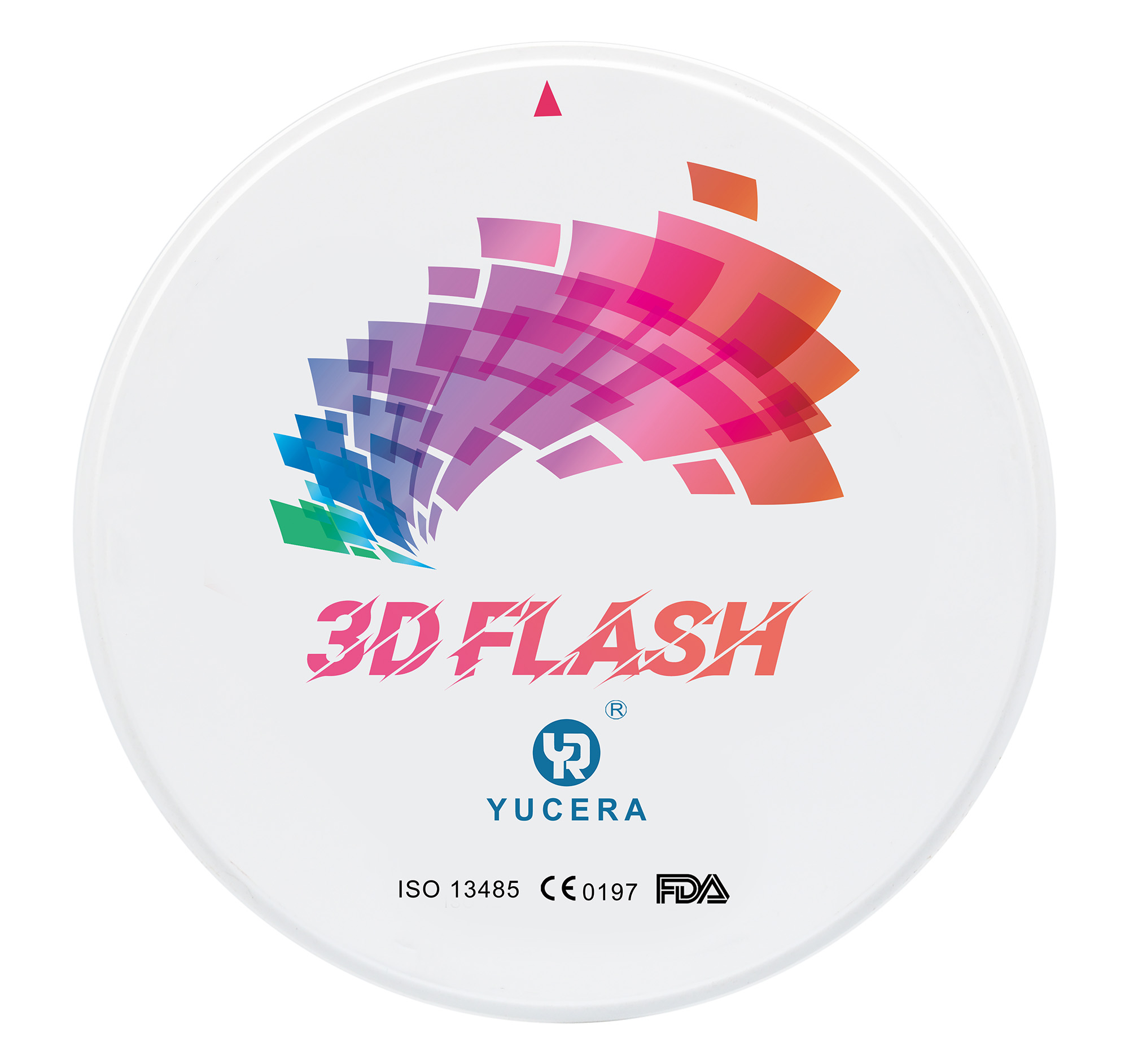
40-min full sintering with 57% incisal translucency and 1050 MPa strength.
learn more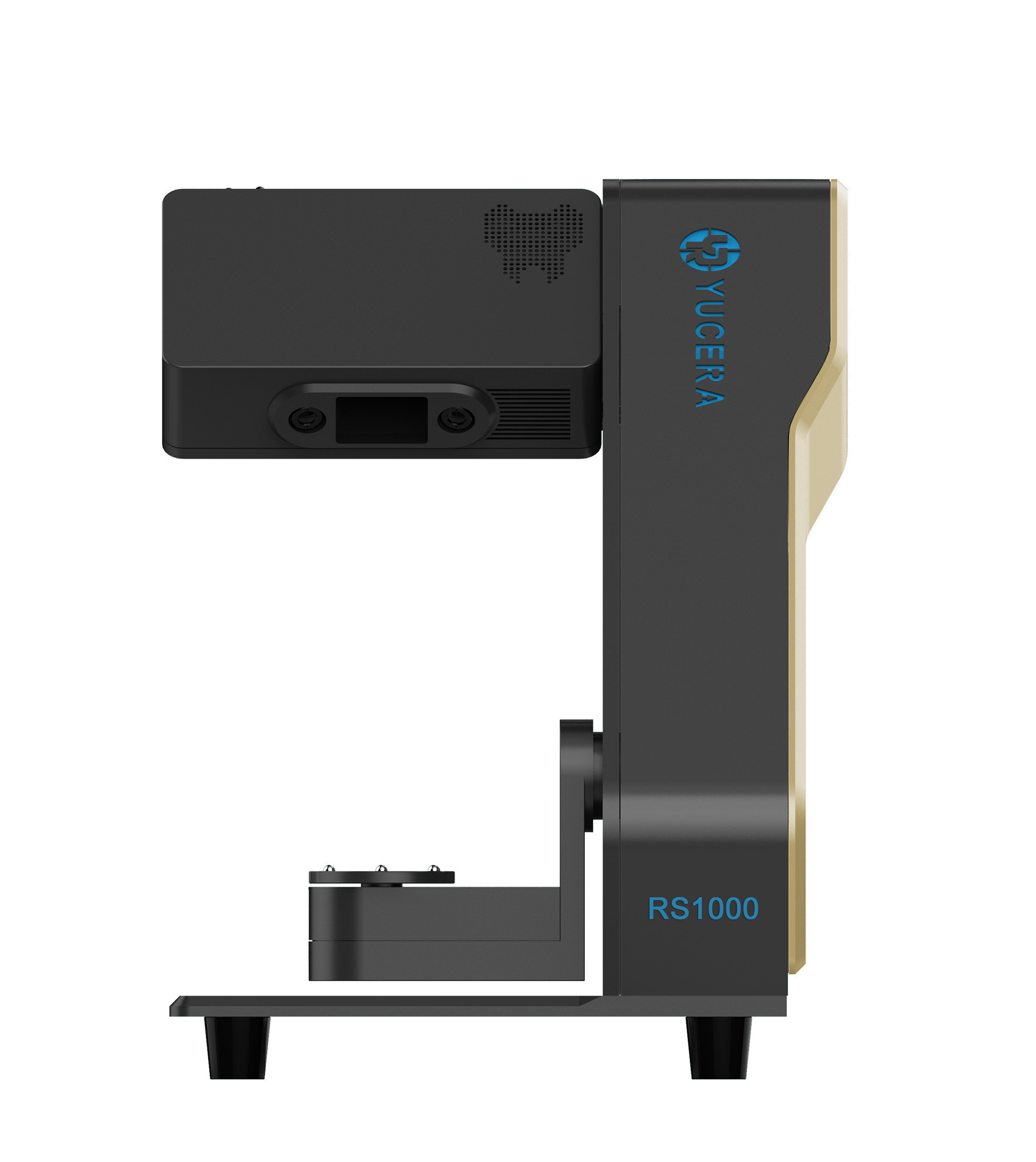
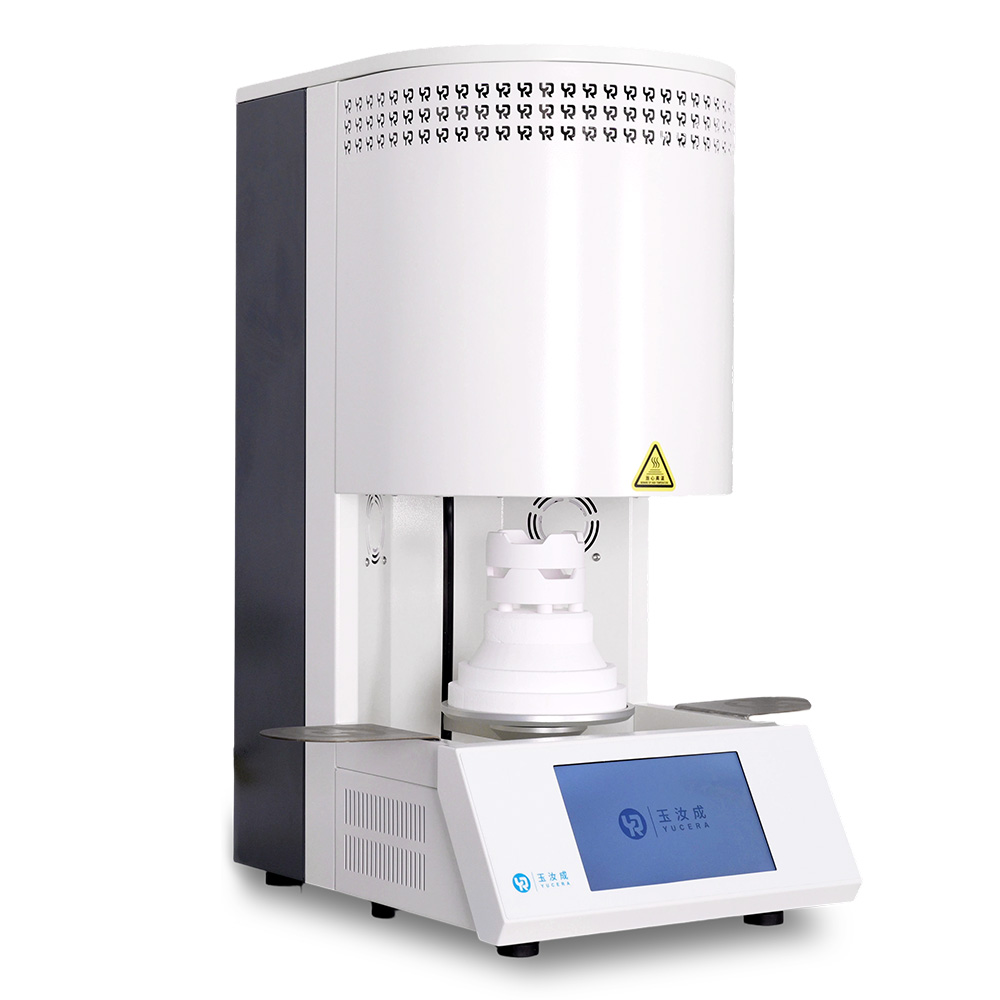
40-min cycle for 60 crowns, dual-layer crucible and 200°C/min heating.
learn more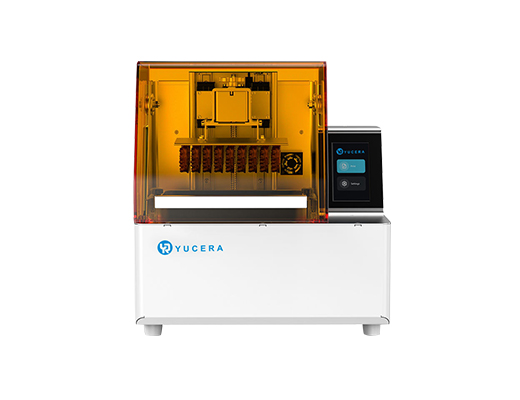
High-speed LCD printer for guides, temporaries, models with 8K resolution.
learn more