

 中 文
中 文
Intraoral Scanner Frame Rate (FPS): Why It Matters for Accuracy, Speed & Patient Comfort
2026-03-07
2026-08-02
The digital transformation of dentistry has changed almost every stage of dental laboratory production. Intraoral scanners replace traditional impressions, CAD software simplifies restoration design, and automated milling machines and 3D printers have dramatically improved manufacturing efficiency.
Despite these technological advances, one fact remains unchanged:
Digital tools can improve production—but they cannot replace practical skills.
Behind every successful restoration is a technician who understands materials, occlusion, morphology, and workflow. That's why hands-on training continues to play a vital role in modern dental laboratories.
Today's dental laboratories have access to advanced technologies that can complete tasks faster than ever before.
A typical digital workflow includes:
Each step is supported by intelligent software and increasingly automated equipment.
However, automation does not eliminate the need for technical judgment.
For example, a milling machine may produce restorations with excellent accuracy, but the final result still depends on decisions made during design, material selection, and finishing. Likewise, an intraoral scanner captures highly detailed data, but poor scanning technique can still lead to inaccurate restorations.
Technology enhances productivity—but people remain responsible for quality.
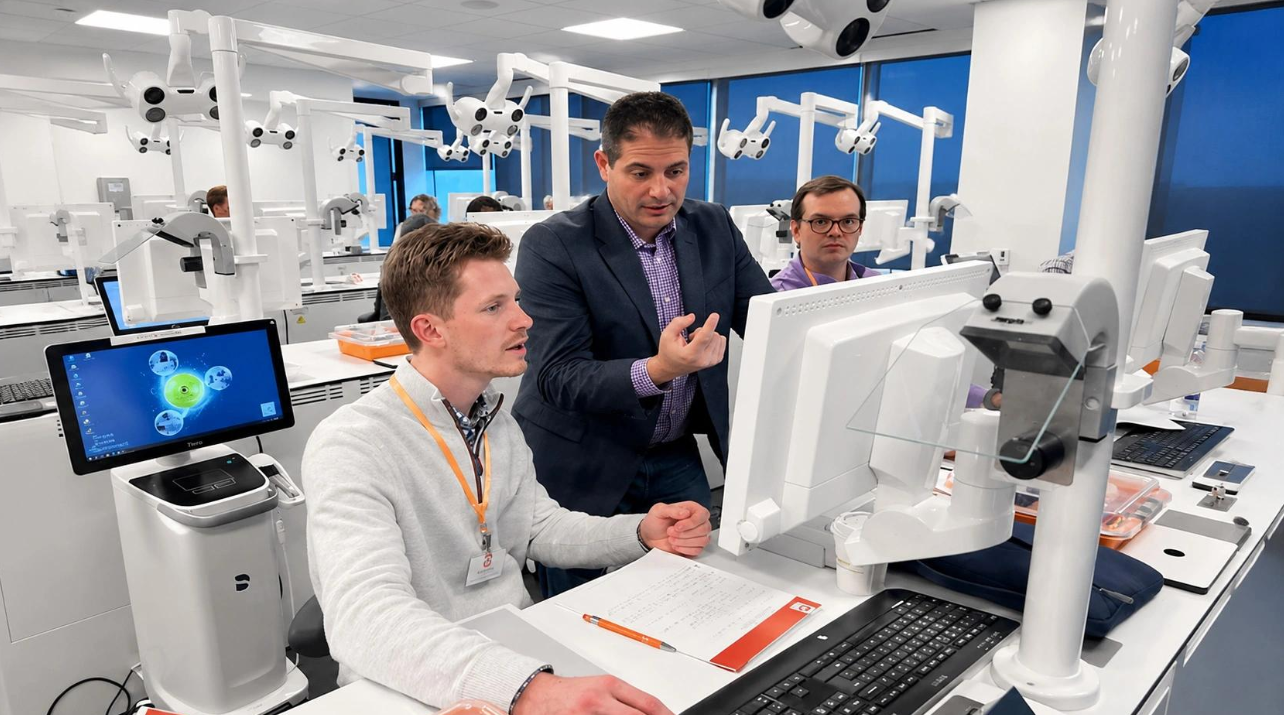
Many new technicians learn digital dentistry through online videos, user manuals, or trial and error.
While these resources are valuable, they rarely provide immediate feedback when mistakes occur.
Hands-on training offers a different learning experience by allowing technicians to:
Instead of spending weeks troubleshooting problems independently, technicians can often solve them within minutes with expert guidance.
This practical approach significantly shortens the learning curve and helps technicians become productive more quickly.
Operating digital equipment requires more than knowing which buttons to press.
Technicians frequently encounter challenges such as:
These situations cannot always be solved by software prompts.
Confidence develops through repeated practice and exposure to real-world cases.
As technicians gain experience, they learn to identify potential problems early, adjust workflows efficiently, and consistently produce predictable results.
This confidence ultimately benefits both laboratories and clinicians.
Every dental laboratory understands the cost of remakes.
A restoration that must be remilled or remade results in:
Many remakes are not caused by equipment failure but by preventable workflow errors.
Examples include:
Hands-on education teaches technicians how to recognize and prevent these issues before production begins.
Over time, improved skills translate into higher consistency, better efficiency, and lower operating costs.
Modern dental laboratories work with a wide variety of restorative materials, including:
Each material behaves differently during machining, sintering, polishing, and clinical use.
For example:
High-strength zirconia may be ideal for posterior restorations, while highly translucent zirconia is often preferred for anterior esthetics.
Technicians who understand these material characteristics make better clinical decisions and achieve more predictable outcomes.
This type of knowledge is difficult to gain solely through software tutorials—it develops through practical experience and guided training.
Digital dentistry continues to evolve rapidly.
New developments include:
Laboratories that invest in ongoing education are better prepared to adopt new technologies efficiently.
Training also helps experienced technicians stay current while enabling new employees to integrate into digital workflows more quickly.
Rather than treating education as a one-time event, many successful laboratories view continuous learning as part of their long-term growth strategy.
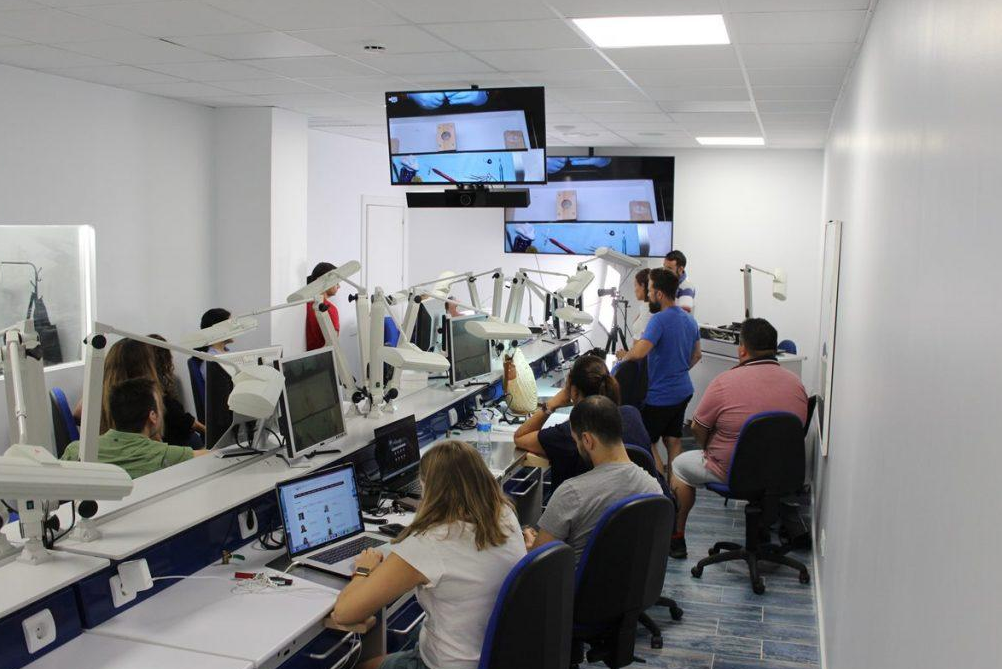
Equipment and material manufacturers contribute to technician development by providing more than products.
Many now offer:
These educational programs help laboratories maximize equipment performance while reducing common operational errors.
When manufacturers combine reliable products with strong technical support and practical training, laboratories gain greater confidence in adopting new digital workflows.
The future of digital dentistry will continue to bring faster machines, smarter software, and more automated workflows.
Yet the success of every restoration will still depend on the technician behind the technology.
Hands-on training bridges the gap between digital tools and clinical excellence. It helps technicians learn faster, solve problems more effectively, reduce costly mistakes, and build the confidence needed to deliver consistent, high-quality restorations.
As digital dentistry continues to evolve, investing in practical education remains one of the smartest decisions a dental laboratory can make.
Digital technologies have transformed dental laboratories, but they have not replaced the need for skilled technicians.
Hands-on training remains essential because it develops practical experience, strengthens problem-solving abilities, and improves workflow consistency. Laboratories that prioritize continuous education are better equipped to increase efficiency, reduce remakes, and adapt to the changing demands of digital dentistry.
Ultimately, the most advanced equipment achieves its full potential only when paired with knowledgeable, confident technicians.

Dry & wet milling for zirconia, PMMA, wax with auto tool changer.
learn more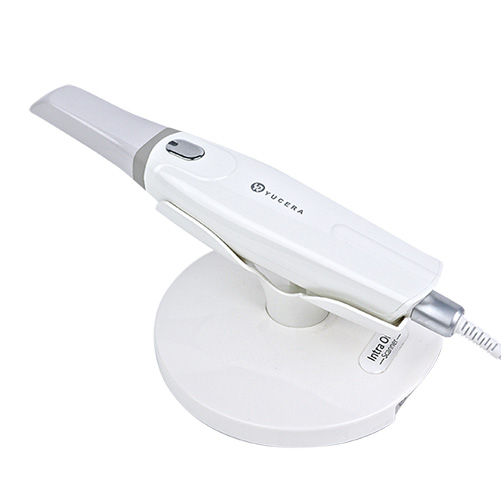
High-precision 3D scanning, AI calibration, full-arch accuracy.
learn more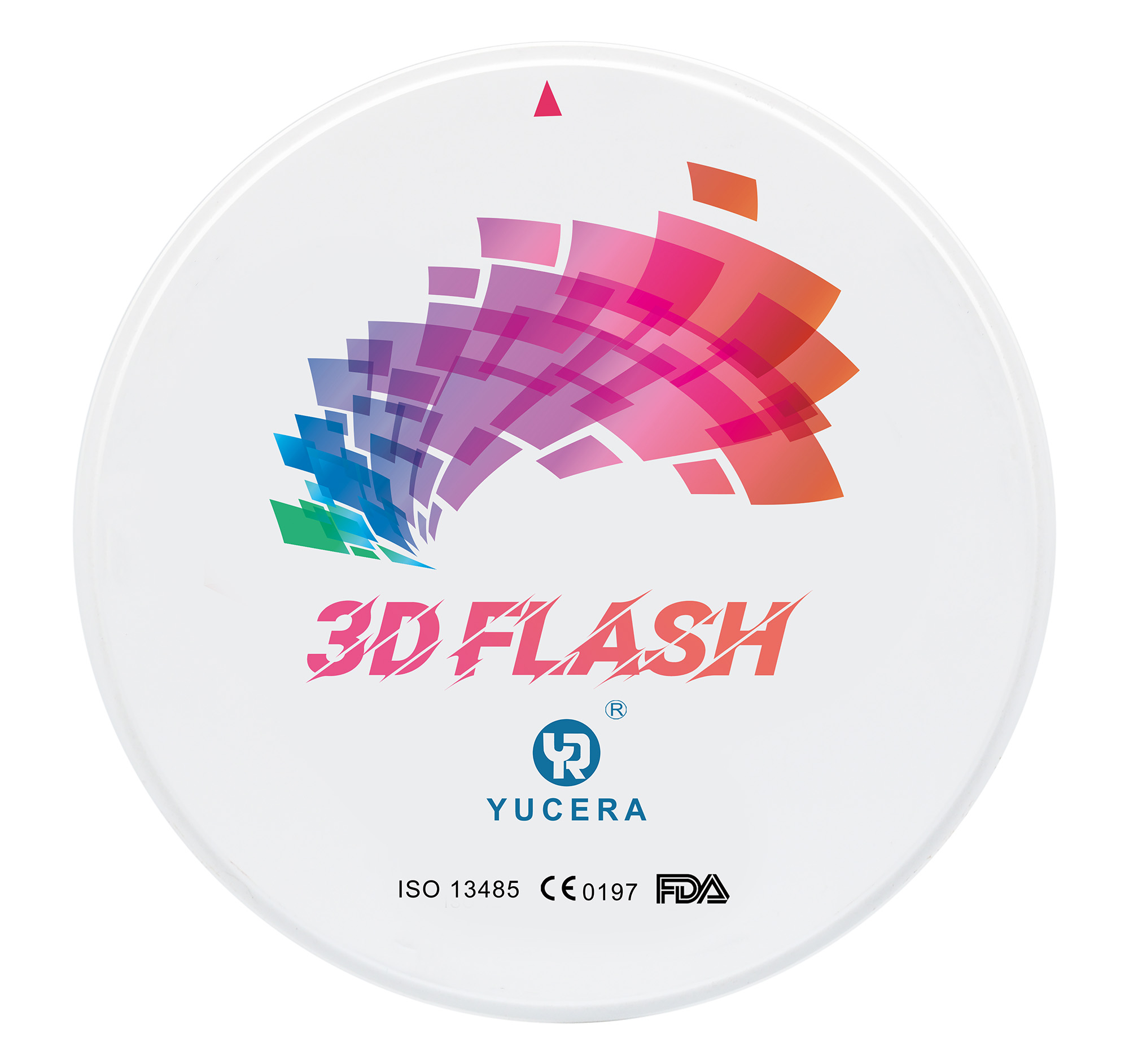
40-min full sintering with 57% incisal translucency and 1050 MPa strength.
learn more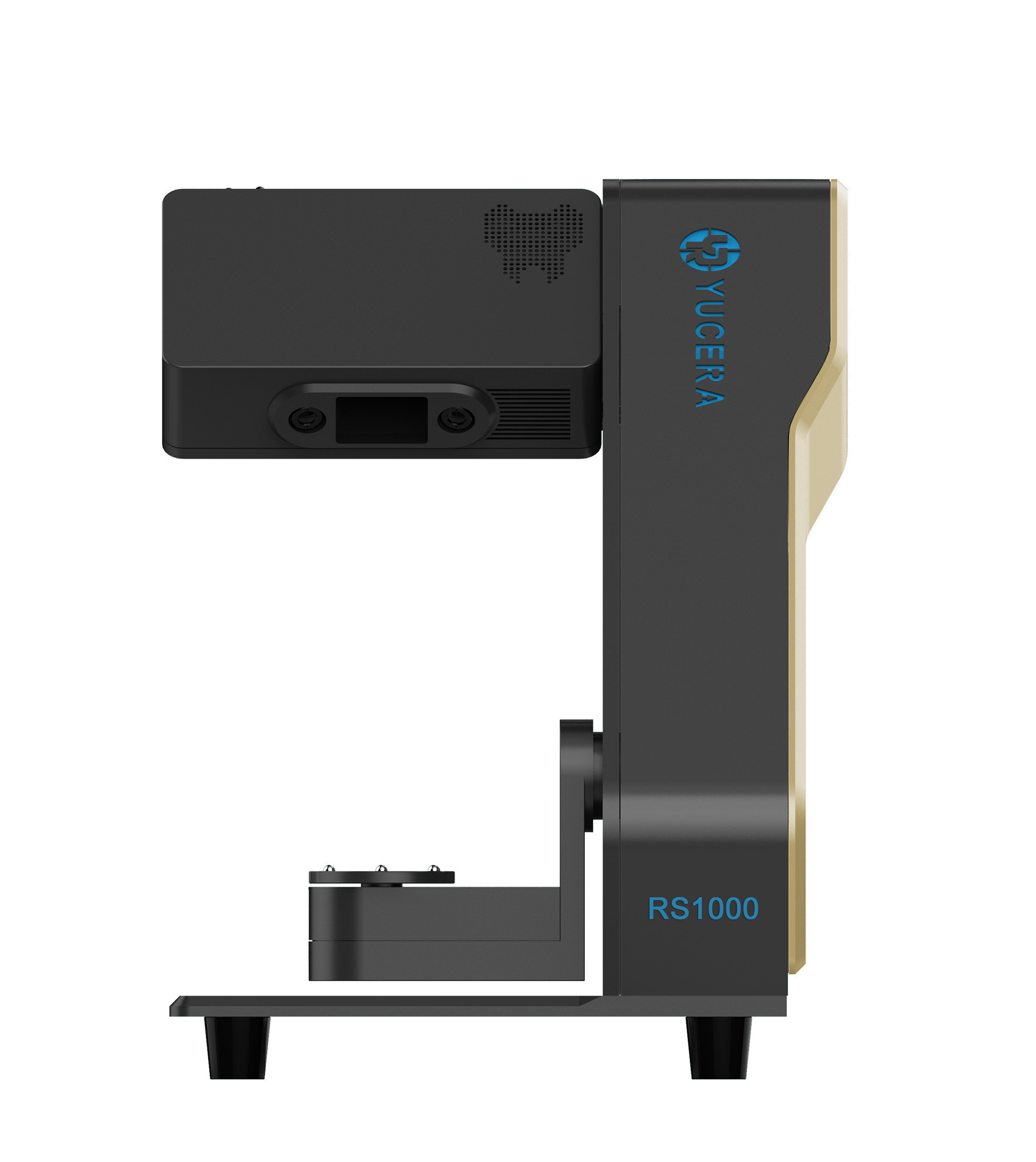
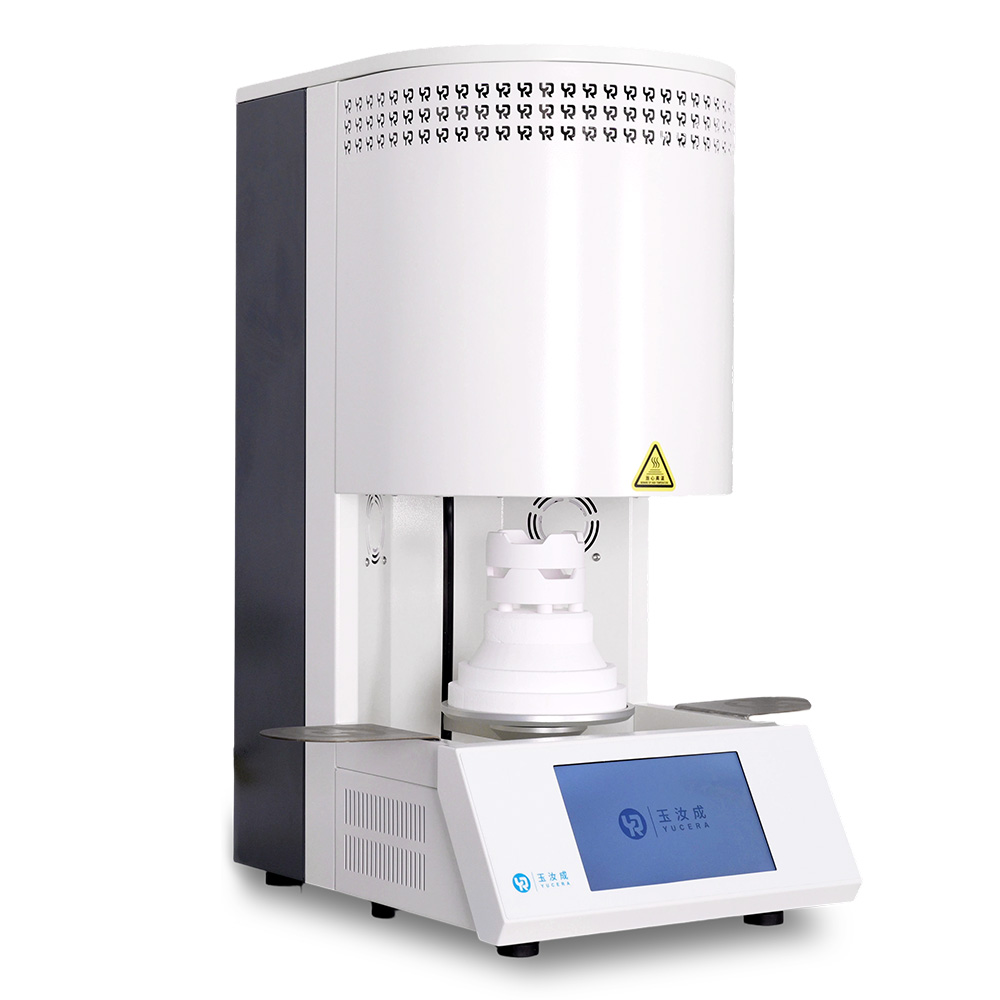
40-min cycle for 60 crowns, dual-layer crucible and 200°C/min heating.
learn more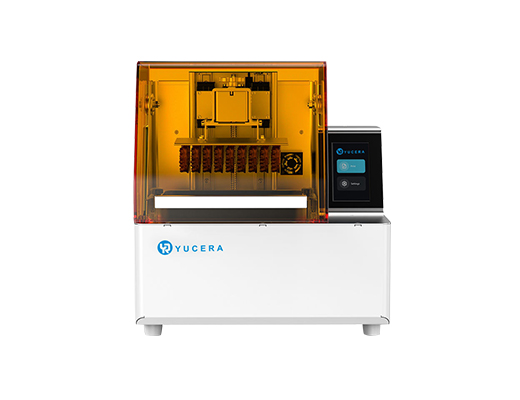
High-speed LCD printer for guides, temporaries, models with 8K resolution.
learn more