

 中 文
中 文
Porcelain Furnace vs Sintering Furnace: What's the Difference in Dental Laboratories?
2026-06-16
2026-05-21
Our weekly FAQ series usually goes live on Friday, but this week we are sharing it a little earlier.
This edition focuses on common technical questions about the YRC-8PRO dental milling machine, including workflow behavior, material compatibility, and operational stability in daily lab use.
We continue to receive questions from dental technicians and lab users working in real CAD/CAM environments, especially around machine performance under different materials and processing conditions.
In this post, we have selected several frequently asked questions and provided clear, technical answers based on practical application scenarios.
And as always — this week’s Friday content will be even more in-depth and worth waiting for.
If you have additional questions about the YRC-8PRO, feel free to share them. They may be included in our next FAQ update.
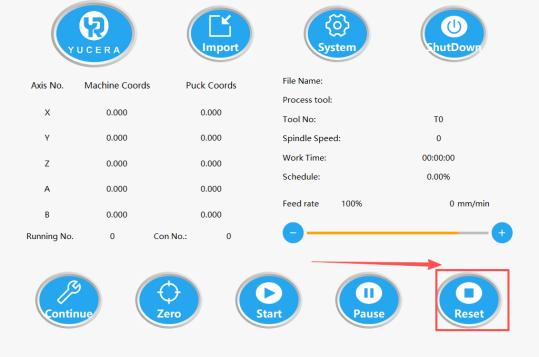
A: Click “Reset” on the control interface, then select “Home Return” (or “Homing”) to reinitialize the machine position before restarting the workflow.
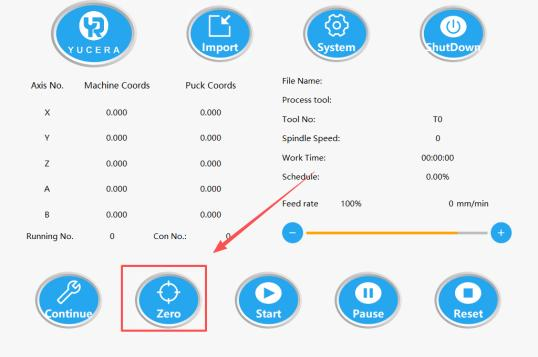
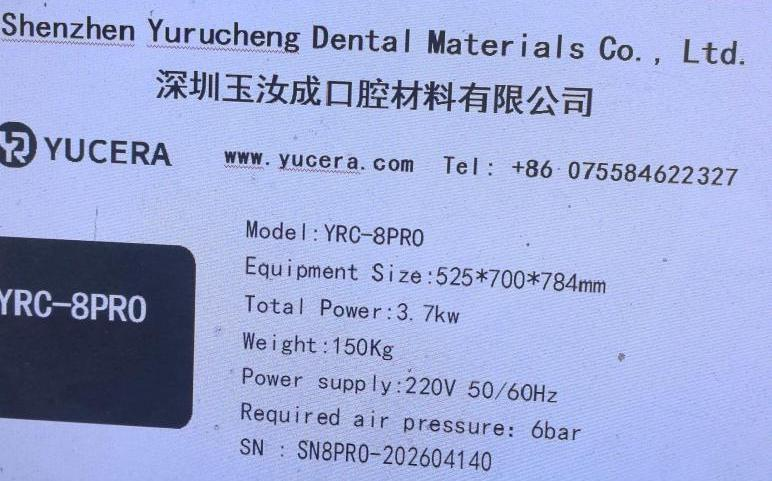
A: The machine can support 120V power input when used with a voltage transformer. The required operating condition is 220V, 50/60 Hz after voltage conversion.
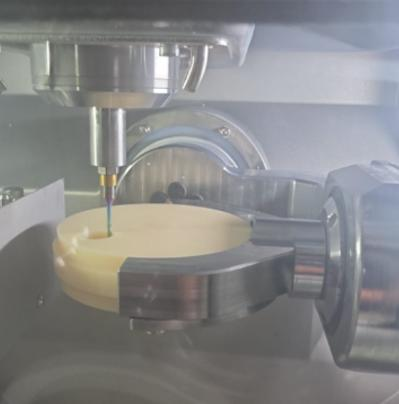
A: Yes, the YRC-8PRO is compatible with both 98 × 30 mm and 98 × 25 mm zirconia discs for CAD/CAM milling applications.
A: Yes, the YRC-8PRO supports machining of base materials up to 35 mm thickness, as demonstrated in the referenced application scenario.
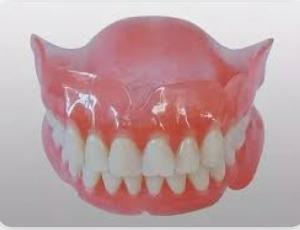

Dry & wet milling for zirconia, PMMA, wax with auto tool changer.
learn more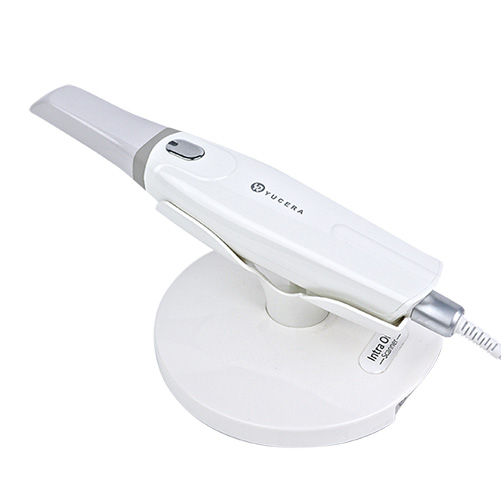
High-precision 3D scanning, AI calibration, full-arch accuracy.
learn more
40-min full sintering with 57% incisal translucency and 1050 MPa strength.
learn more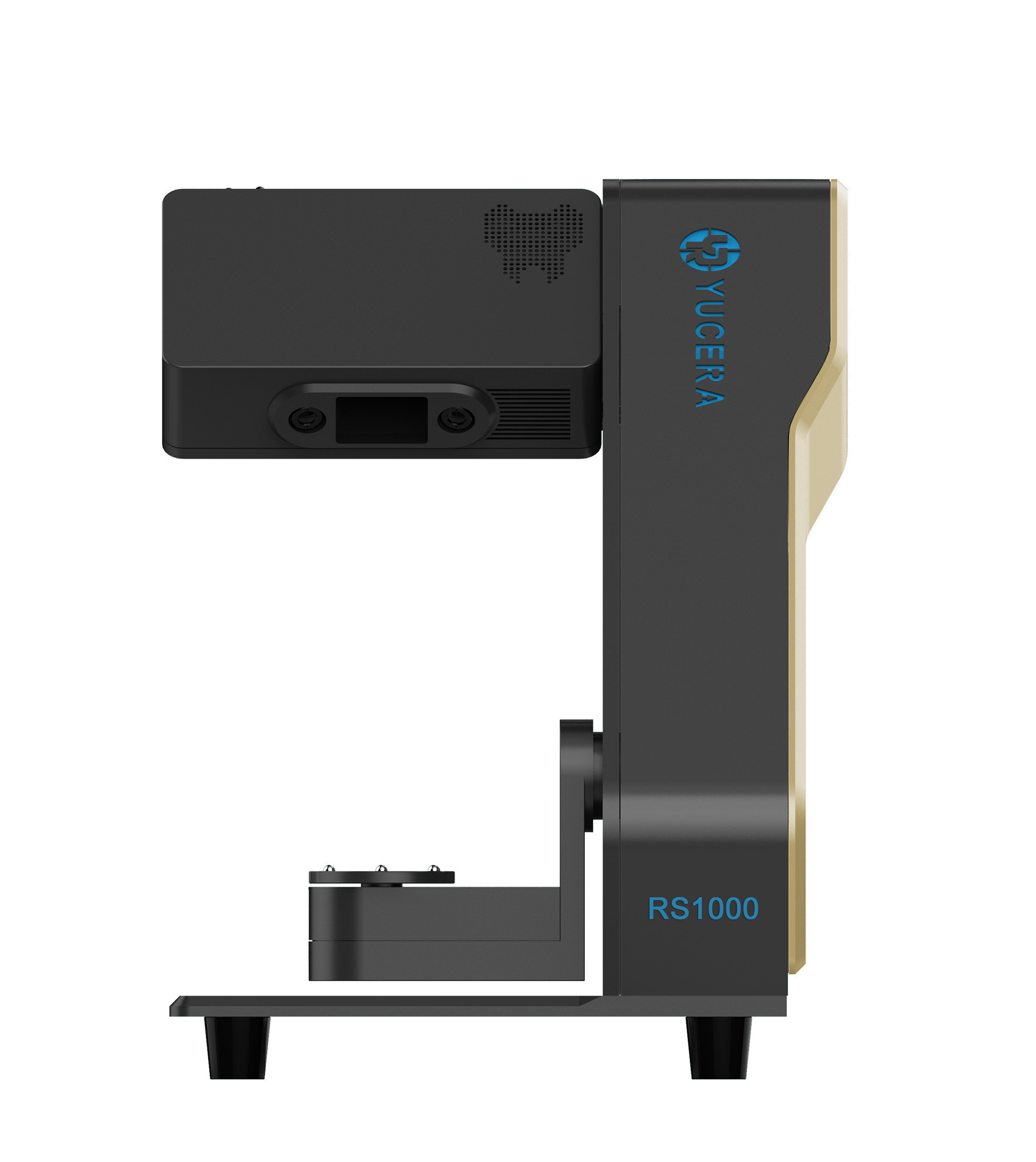
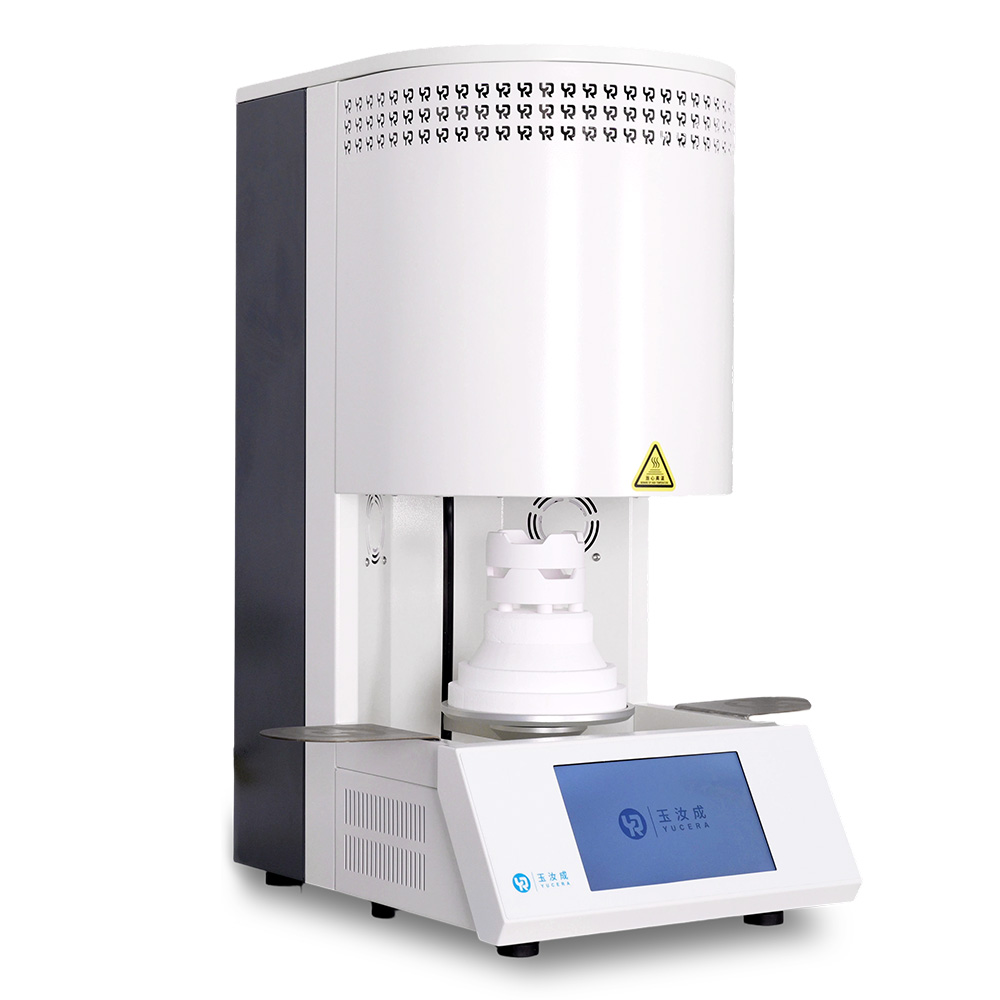
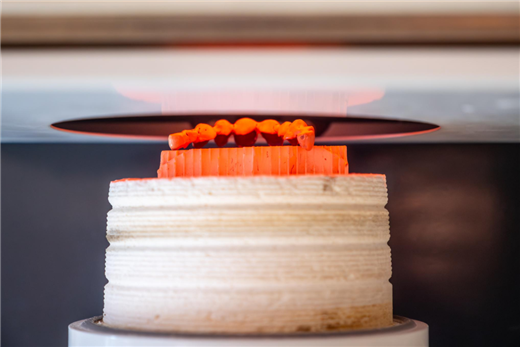
40-min cycle for 60 crowns, dual-layer crucible and 200°C/min heating.
learn more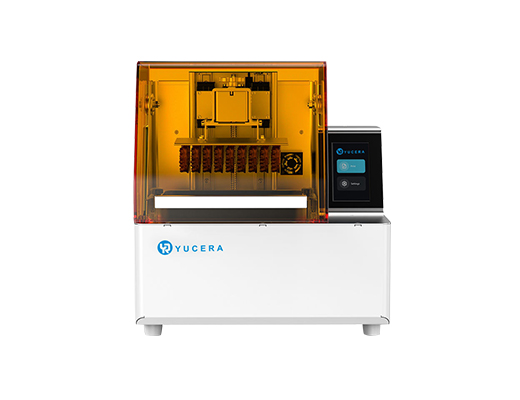
High-speed LCD printer for guides, temporaries, models with 8K resolution.
learn more