

 中 文
中 文
Zirconia Manufacturing Process in Dentistry: A Detailed 2025 Guide to Production Steps and Techniques
2025-12-23
2025-12-14
Zirconia materials are rapidly gaining popularity in CAD/CAM dental restorations across Africa due to their superior strength, aesthetics, and biocompatibility. In 2025, the global zirconia dental materials market is valued at around USD 329 million, projected to reach USD 771 million by 2035 at a CAGR of 8.9%. Africa's share is growing within the MEA dental market, expected to expand from USD 1.33 billion in 2024 to USD 2.81 billion by 2032 at 9.8% CAGR. In countries like South Africa, Nigeria, and Kenya, zirconia integrated with CAD/CAM technology addresses rising demand for durable, aesthetic restorations amid oral health challenges.
Zirconia (zirconium dioxide) offers exceptional mechanical properties: flexural strength up to 2000 MPa, far exceeding traditional ceramics, making it ideal for crowns, bridges, and implants. Modern high-translucency and multilayered variants provide natural aesthetics without veneering, simplifying CAD/CAM workflows. Its biocompatibility reduces allergic reactions and promotes gingival health, crucial in regions with high periodontal disease rates.
In CAD/CAM systems, zirconia discs mill efficiently, enabling precise, same-day restorations with minimal waste. Longevity exceeds 10-15 years with failure rates under 5%, offering cost-effectiveness over time.
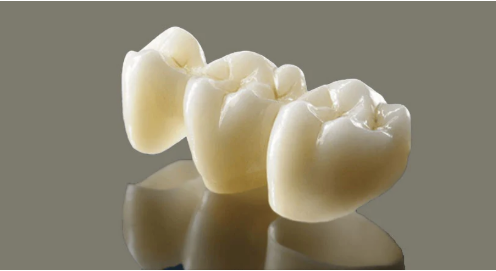
Africa's adoption is driven by dental tourism, urbanization, and awareness campaigns. South Africa leads, with Johannesburg and Cape Town clinics using zirconia for premium restorations at 50-70% lower costs than Western markets. In Nigeria's Lagos, demand rises for aesthetic alternatives to metal-based options. Kenya's Nairobi practices favor multilayered zirconia for its gradient shading.
Globally, crowns hold 55% of zirconia applications, with MEA benefiting from CAD/CAM's precision in treating prevalent caries and edentulism. Rising disposable incomes and medical tourism fuel this trend, positioning zirconia as a preferred material.
CAD/CAM integration allows quick fabrication, reducing patient visits in resource-limited settings.
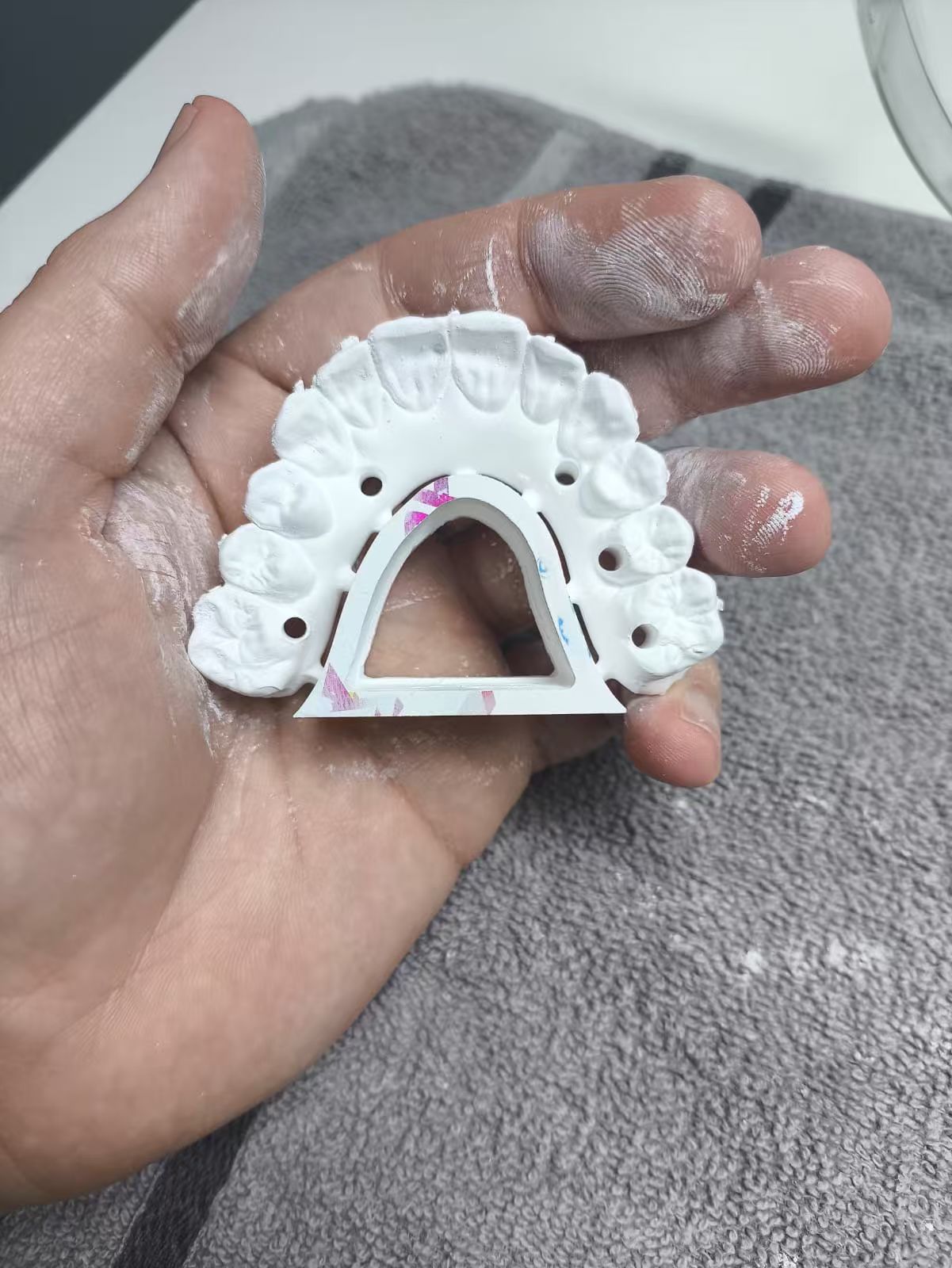
High CAD/CAM setup costs limit rural adoption. Import dependencies raise prices in Nigeria and Kenya. Infrastructure issues, like power outages in South Africa, affect milling. Training shortages hinder optimal use, though regional programs are emerging.
By 2032-2035, zirconia's role in MEA will expand with AI-enhanced designs and local manufacturing. Prospects include advanced bioengineered variants and greater accessibility via subsidies. As digital dentistry grows, zirconia will remain central to equitable oral care in Africa.
Zirconia's combination of strength, beauty, and CAD/CAM compatibility drives its popularity in African restorations. In hubs like Johannesburg, Lagos, and Nairobi, it promises improved outcomes and affordability, shaping the continent's dental future.

Dry & wet milling for zirconia, PMMA, wax with auto tool changer.
learn more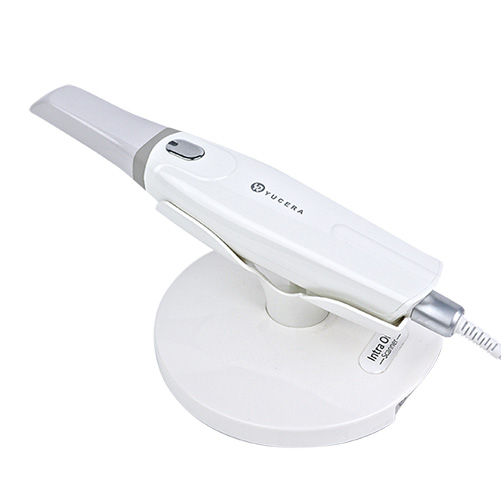
High-precision 3D scanning, AI calibration, full-arch accuracy.
learn more
40-min full sintering with 57% incisal translucency and 1050 MPa strength.
learn more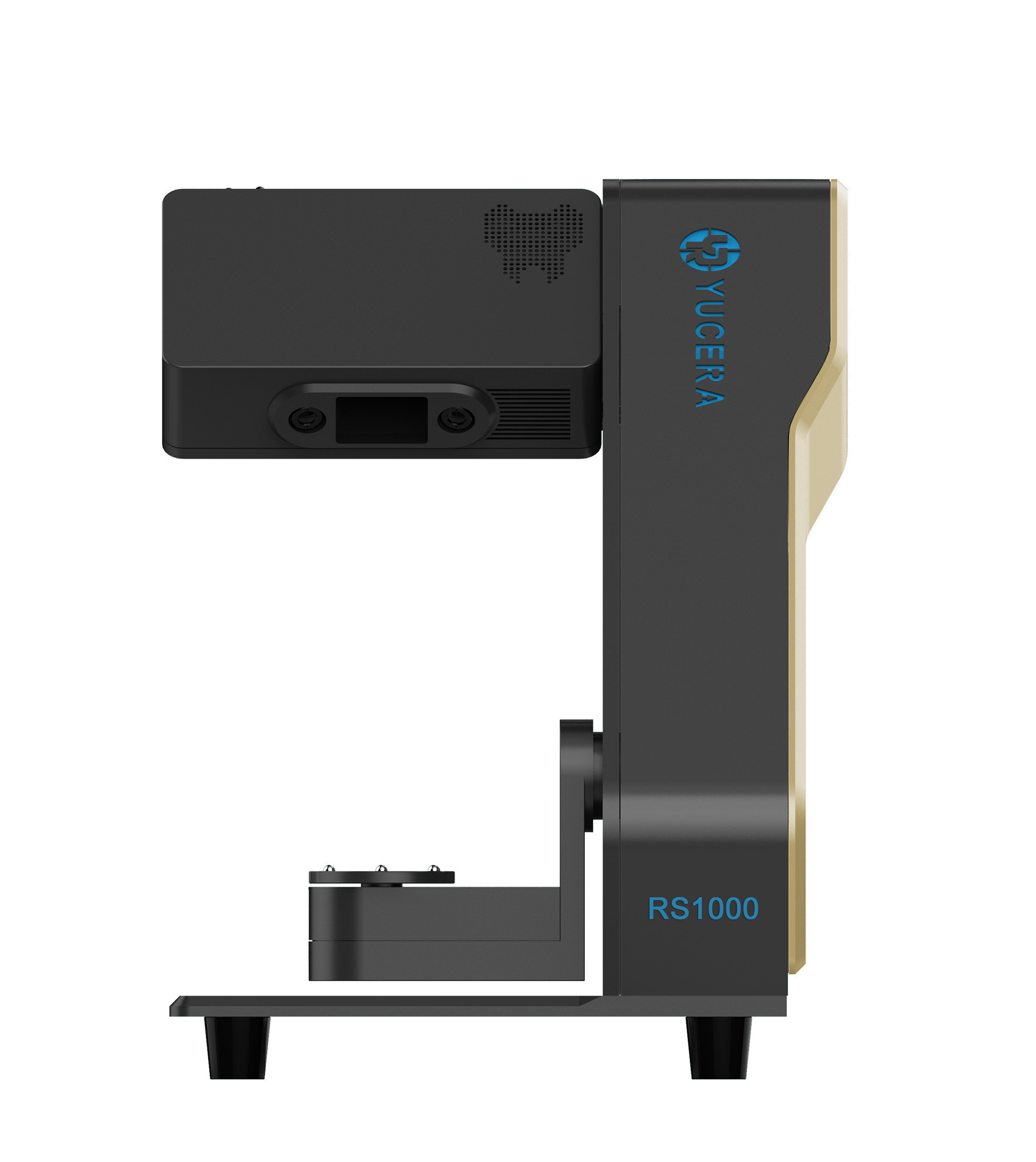
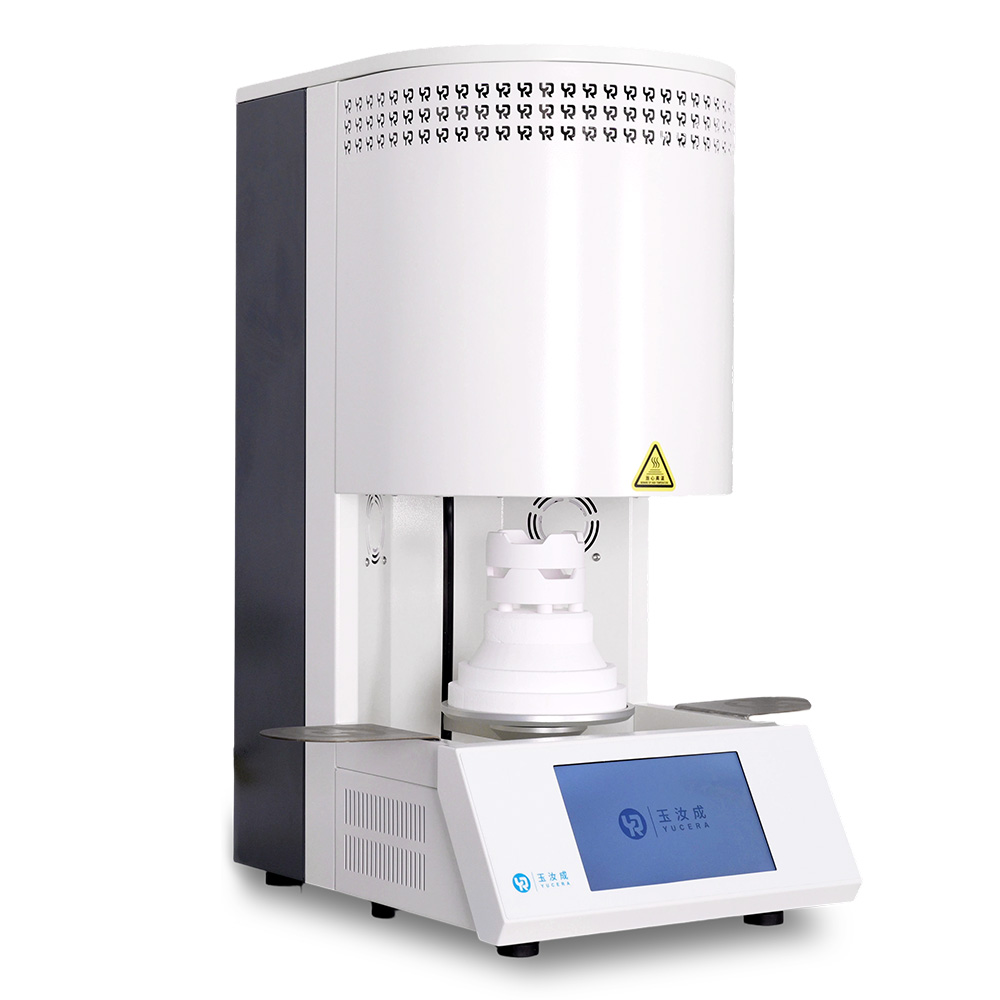
40-min cycle for 60 crowns, dual-layer crucible and 200°C/min heating.
learn more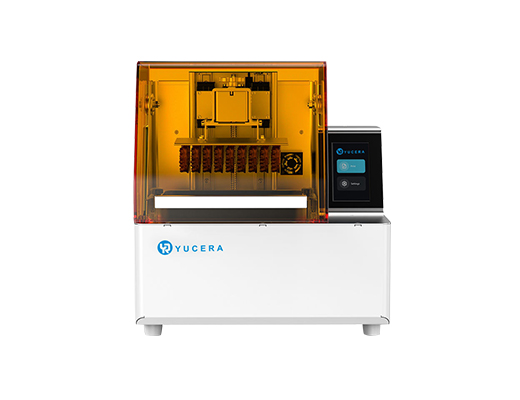
High-speed LCD printer for guides, temporaries, models with 8K resolution.
learn more