

 中 文
中 文
What is Dental CAD/CAM? A Beginner-Friendly Guide to Digital Dentistry
2026-06-22
2026-05-11
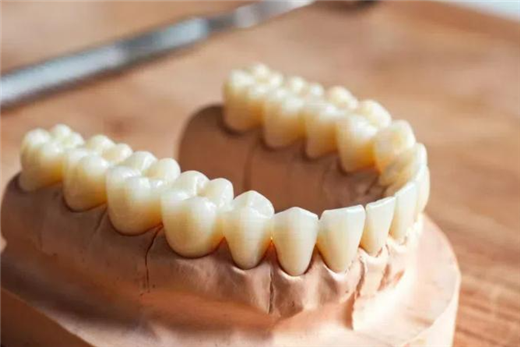
Producing dental crowns with consistent shade remains a key challenge for dental laboratories. Variability in material properties, milling precision, and post-processing can affect the visual outcome. Multilayer zirconia blocks, designed with controlled translucency and color gradients, provide a reproducible solution. These materials allow laboratories to fabricate single crowns and multi-unit bridges with predictable aesthetics while maintaining mechanical performance.
Shade inconsistency arises from multiple factors:
These challenges can affect both clinical outcomes and laboratory efficiency.
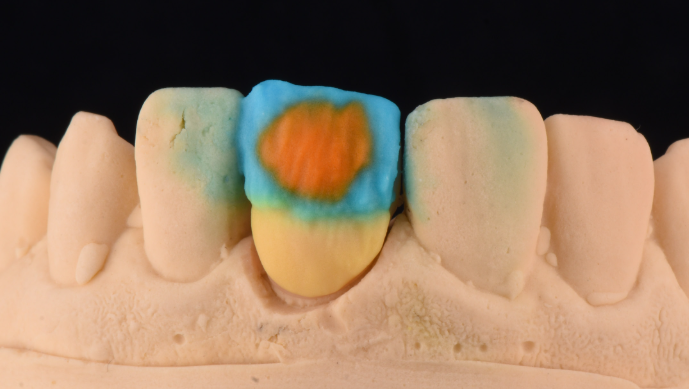
4D Pro Multilayer Zirconia incorporates verified technical characteristics:
These parameters are documented in manufacturer technical specifications, providing data-driven support for predictable results.
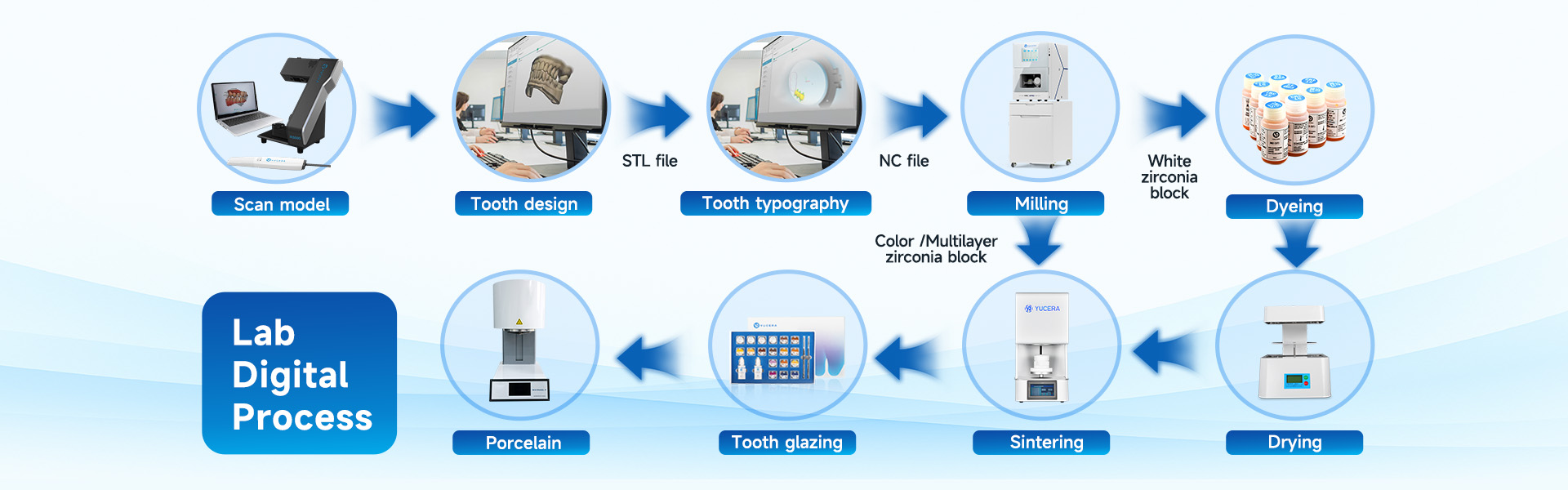
Intraoral or model scans are imported into CAD software. The crown morphology and occlusion are digitally defined, reducing manual measurement errors.
Appropriate multilayer zirconia blocks are selected based on:
High-precision CAD/CAM milling machines are used. Accurate positioning ±0.05 mm ensures the gradient layers are correctly aligned throughout the restoration.
Post-milling sintering densifies zirconia while preserving translucency gradients. Controlled temperature profiles prevent deformation and maintain mechanical properties.
Minimal manual staining is needed due to inherent multilayer gradient. Polishing and glazing enhance surface characteristics while preserving shade consistency.
Clinical and laboratory evidence suggests:
This approach is particularly beneficial for multi-unit bridges and anterior aesthetic crowns, where shade consistency is critical.
Multilayer zirconia provides a data-supported approach to producing crowns and bridges with consistent shade. By leveraging 8-layer gradient designs, verified flexural strength, and precise CAD/CAM milling, dental laboratories can achieve predictable aesthetics and mechanical reliability. Proper block orientation, milling precision, and sintering adherence are essential to fully exploit material properties and ensure reproducible outcomes.

Dry & wet milling for zirconia, PMMA, wax with auto tool changer.
learn more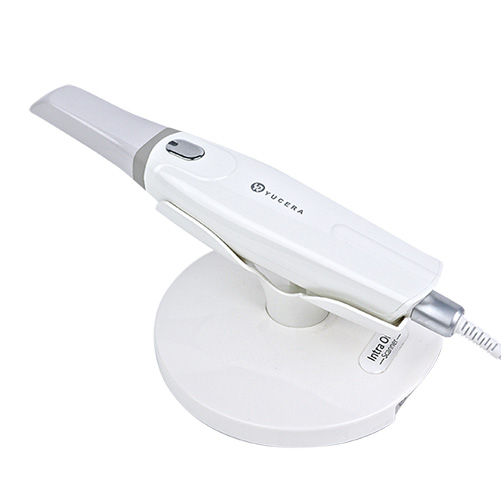
High-precision 3D scanning, AI calibration, full-arch accuracy.
learn more
40-min full sintering with 57% incisal translucency and 1050 MPa strength.
learn more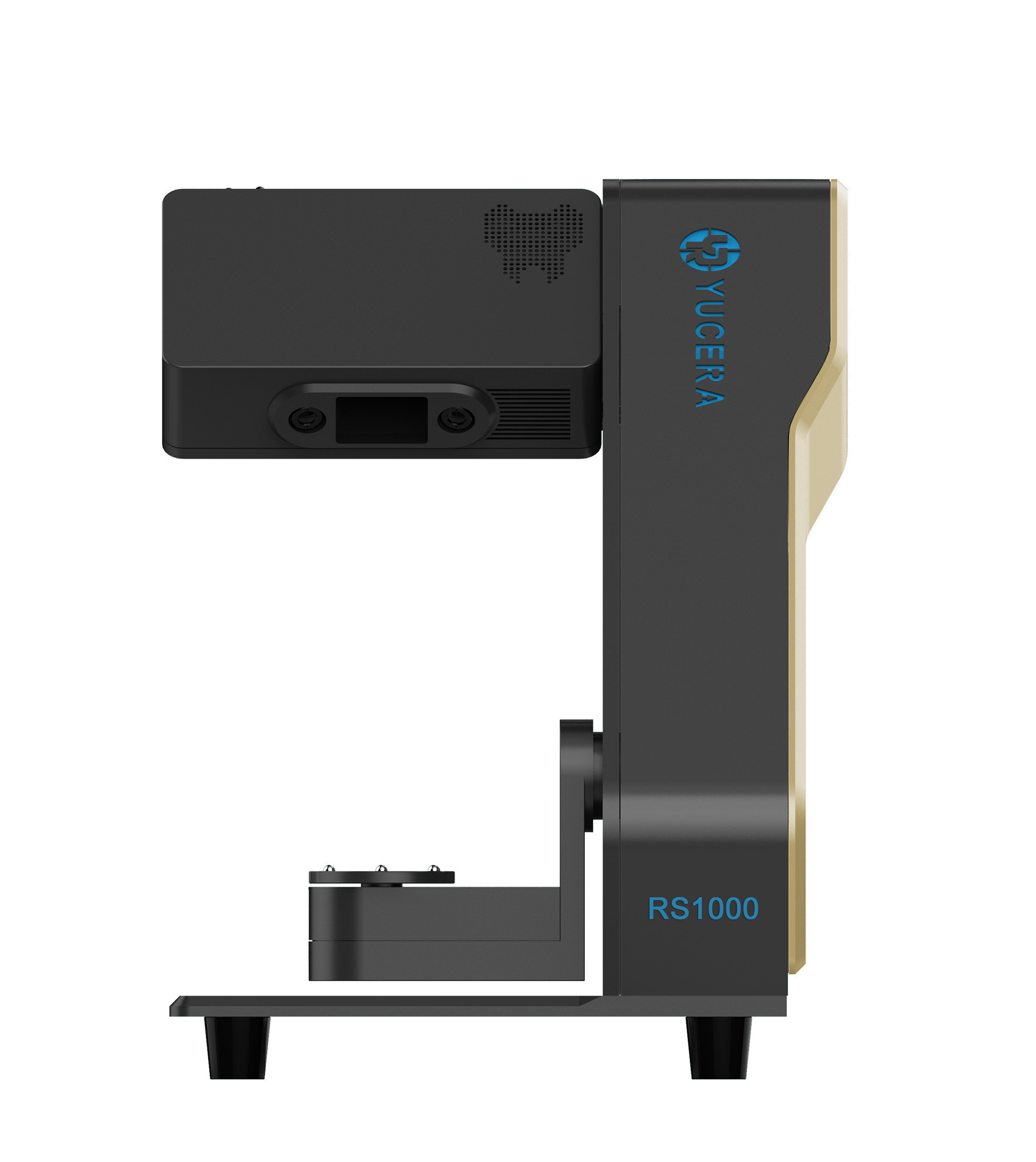
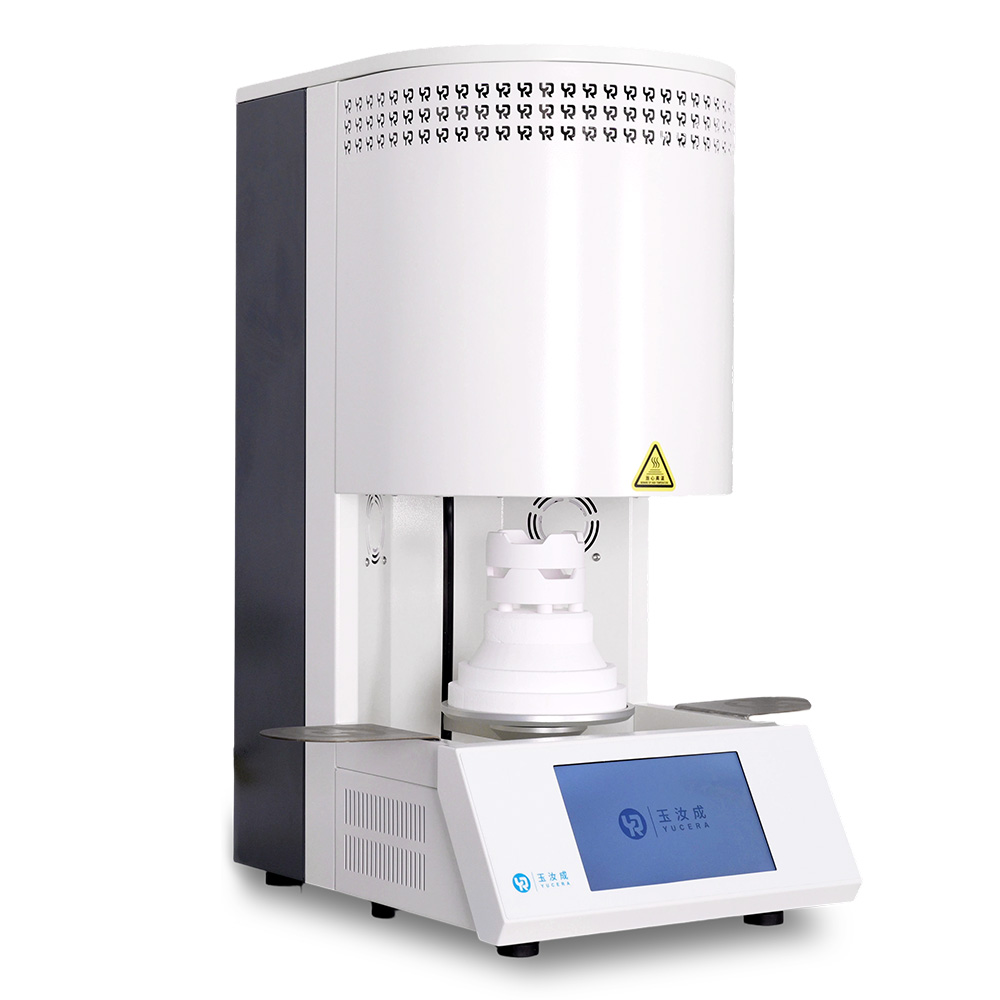
40-min cycle for 60 crowns, dual-layer crucible and 200°C/min heating.
learn more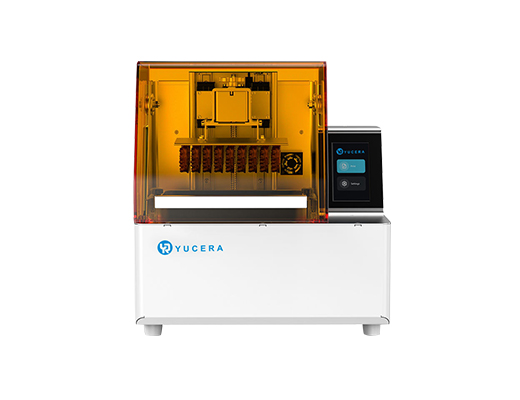
High-speed LCD printer for guides, temporaries, models with 8K resolution.
learn more