

 中 文
中 文

Bridging Gaps in Care: The Explosive Growth of Teledentistry
2025-09-23
2026-06-01
As digital dentistry continues to evolve, multilayer zirconia has become one of the most widely used materials for CAD/CAM restorations. However, many dental laboratories still face the same question: should they prioritize aesthetics or functionality when selecting a zirconia block?
The answer depends on the clinical indication, restoration type, and production requirements. Today, multilayer zirconia materials can generally be divided into two categories: aesthetic zirconia and functional zirconia. Understanding the differences between these materials can help dental labs improve restoration outcomes while optimizing workflow efficiency.
Aesthetic zirconia is designed to replicate the natural appearance of teeth as closely as possible. The primary focus is achieving superior translucency, smooth shade transitions, and lifelike esthetics.
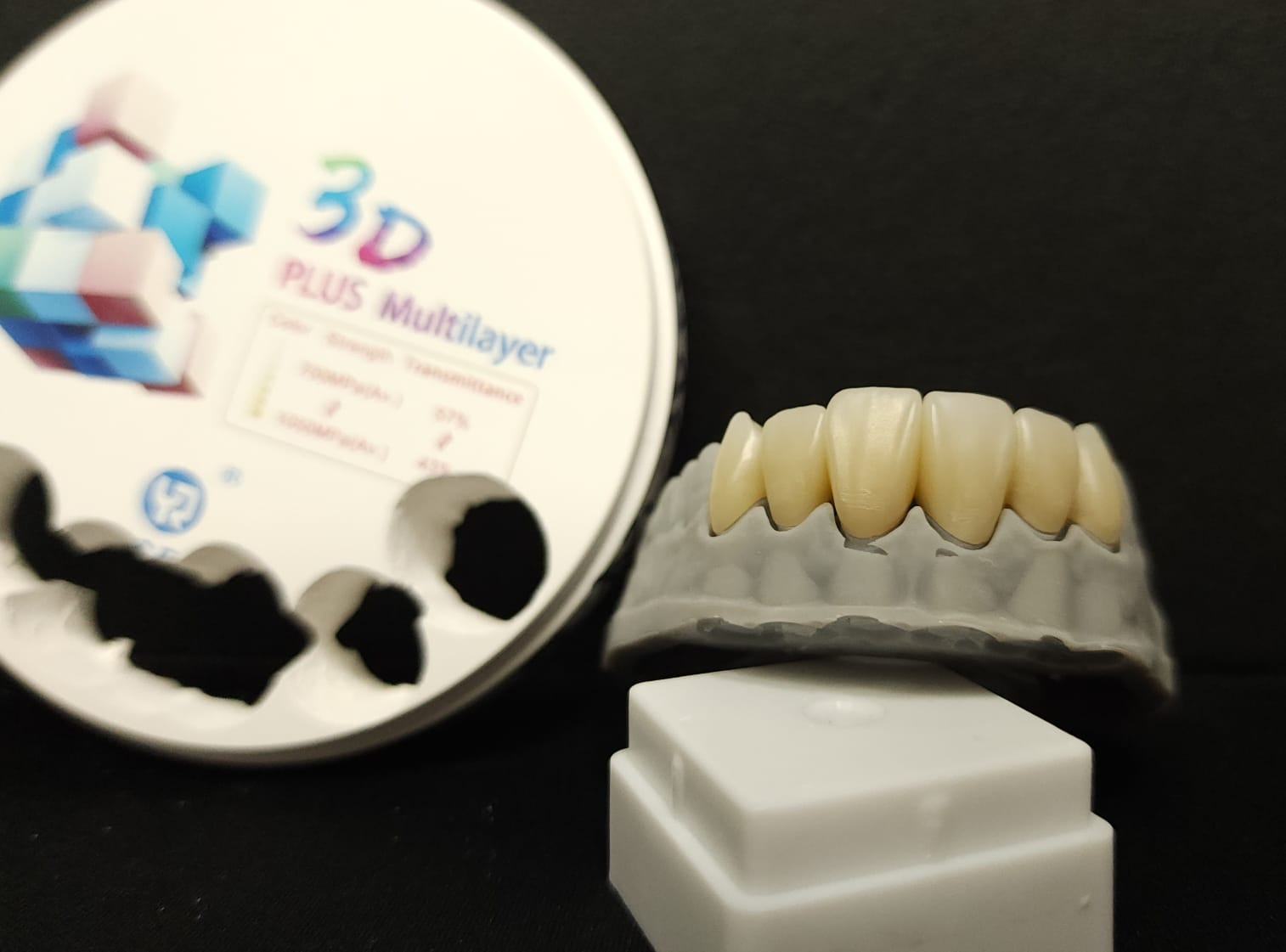
For laboratories focused on highly esthetic restorations, 3D Plus delivers natural-looking results without sacrificing the strength required for most single-unit restorations.
Functional zirconia is developed to balance esthetics with mechanical performance. Rather than focusing solely on translucency, it is designed to provide broader clinical applicability and higher load-bearing capability.
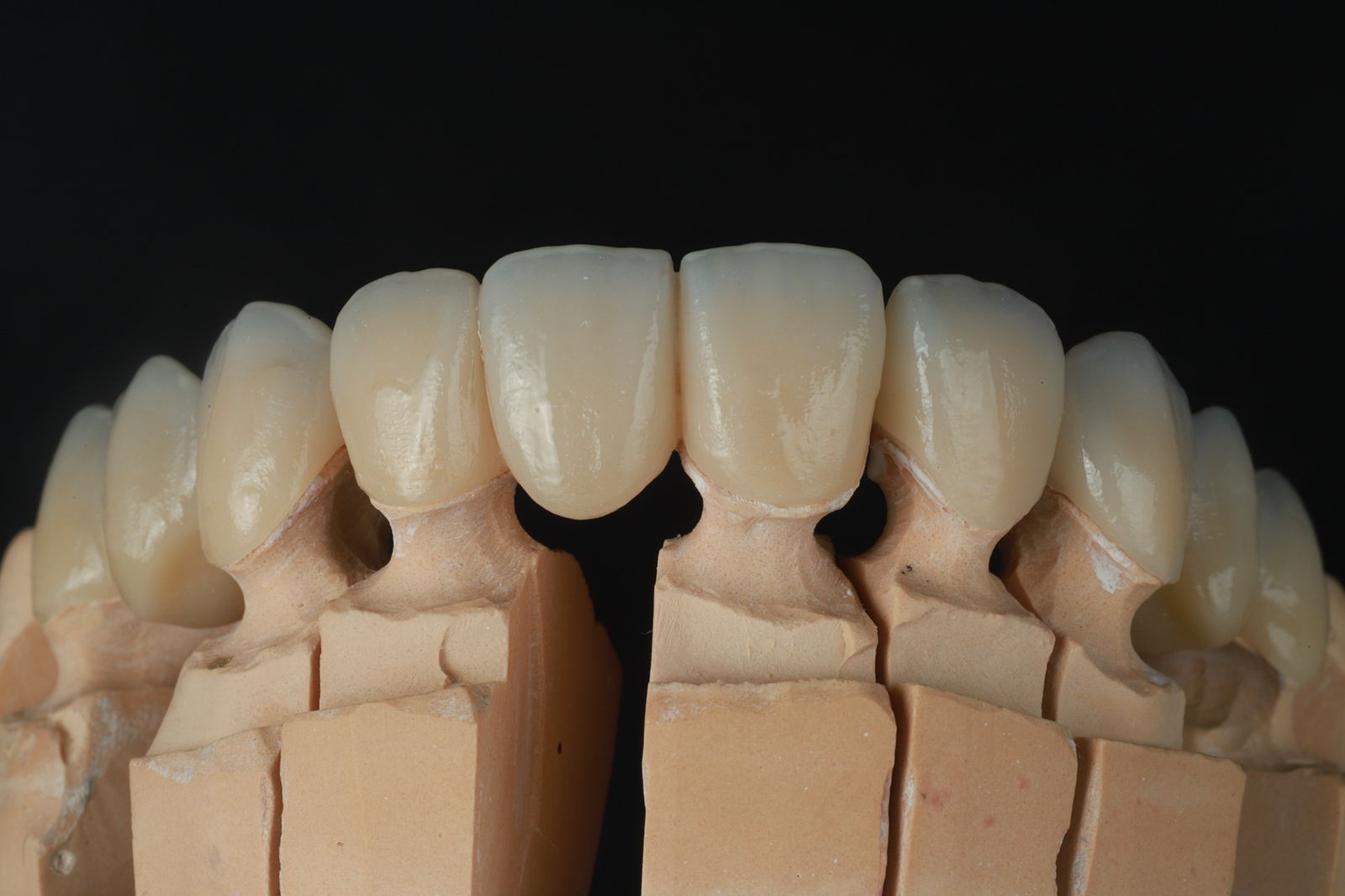
4D Pro represents this category well. Designed as an all-in-one zirconia solution, it combines natural esthetics with enhanced strength, allowing laboratories to cover a wider range of indications using a single material.
Although both materials feature multilayer technology and natural shade transitions, their design philosophies are different.
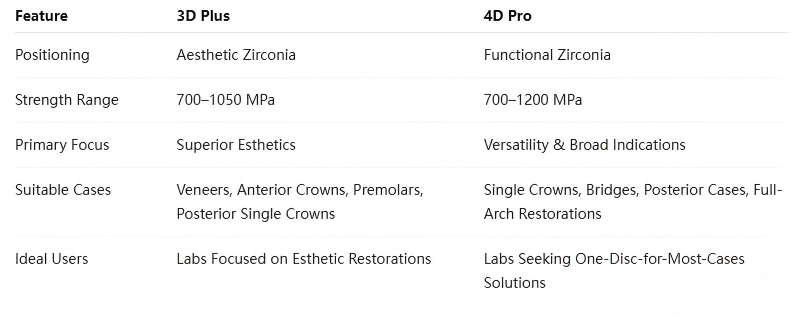
Many successful laboratories keep both materials available. They use 3D Plus for premium esthetic cases and 4D Pro for routine production and high-strength restorations.
There is no universal zirconia block that fits every restoration. The best choice depends on the balance between esthetics and function required for each case.
Aesthetic zirconia such as 3D Plus is ideal for achieving highly natural-looking restorations in the anterior region. Functional zirconia such as 4D Pro provides greater versatility and strength, making it suitable for a wider range of clinical applications.
By understanding the strengths of each material, dental laboratories can make more informed decisions, improve restoration quality, and optimize production efficiency.

Dry & wet milling for zirconia, PMMA, wax with auto tool changer.
learn more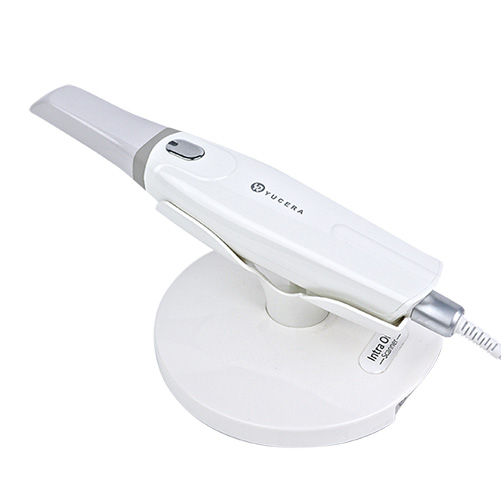
High-precision 3D scanning, AI calibration, full-arch accuracy.
learn more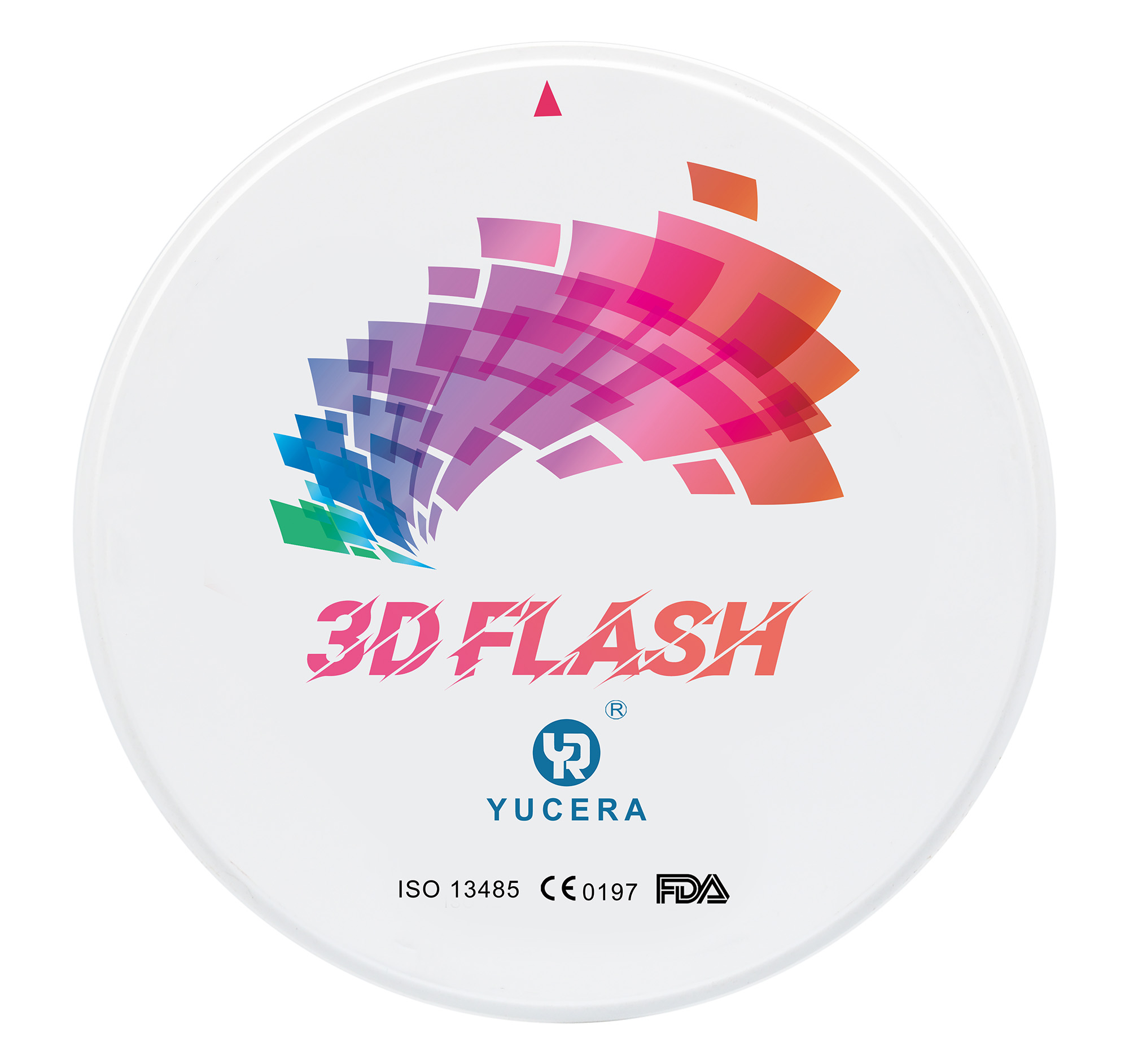
40-min full sintering with 57% incisal translucency and 1050 MPa strength.
learn more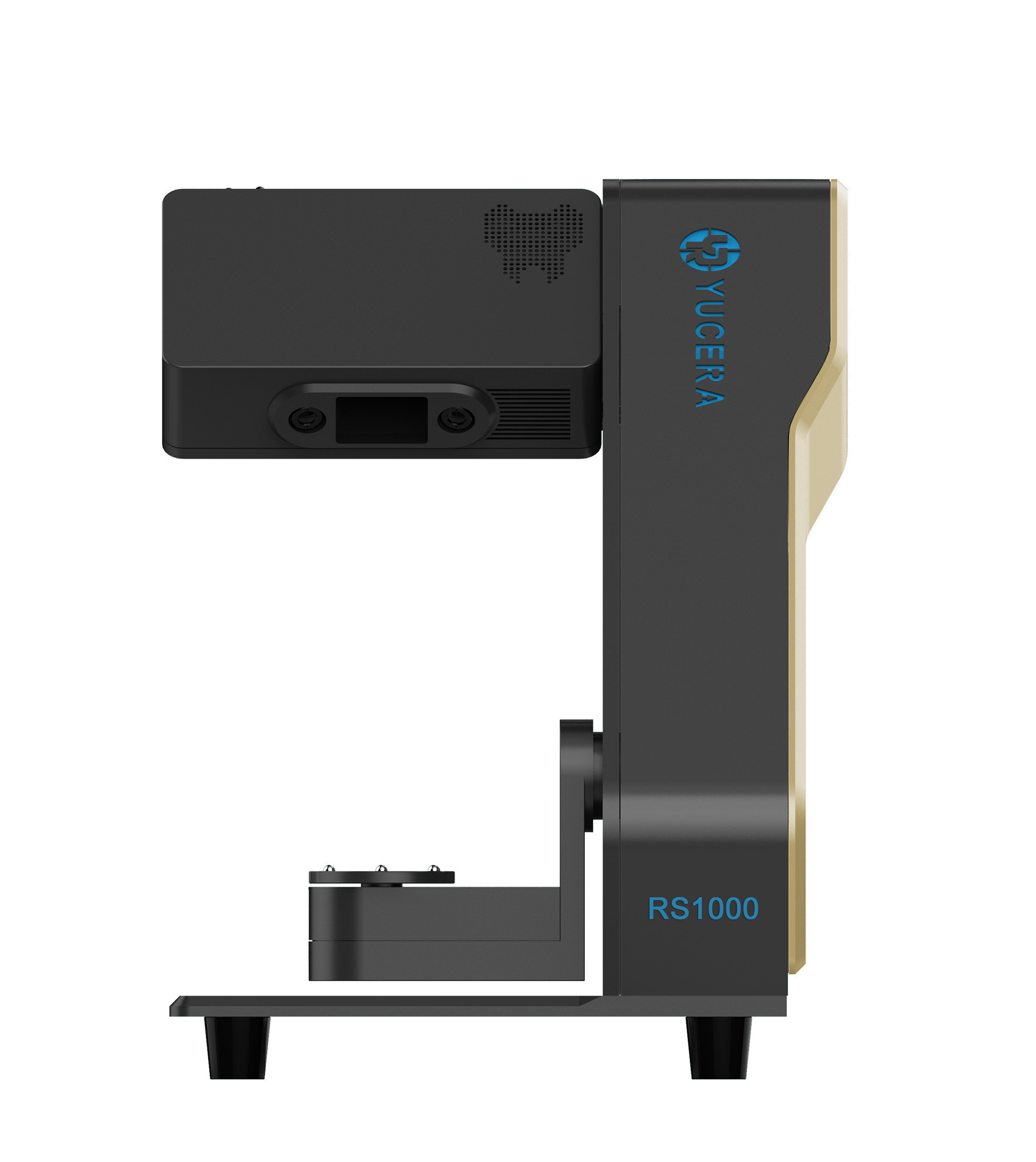
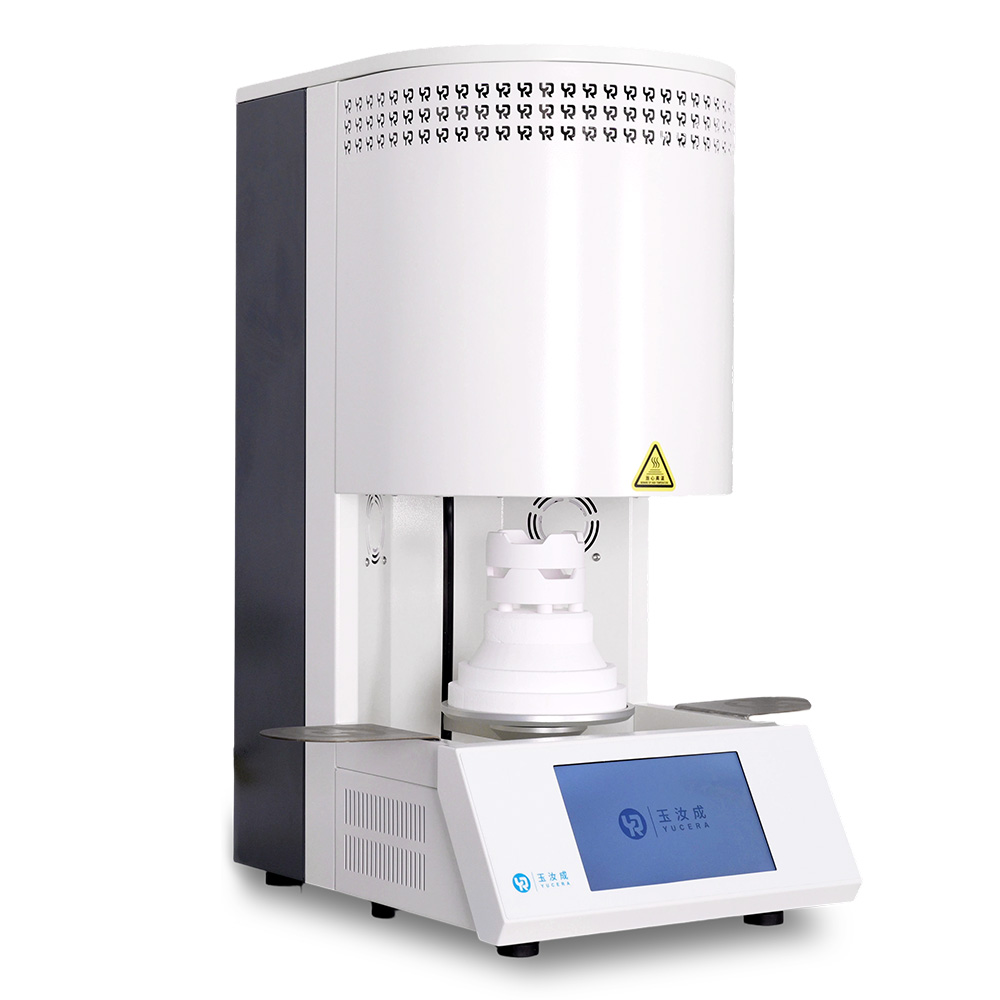
40-min cycle for 60 crowns, dual-layer crucible and 200°C/min heating.
learn more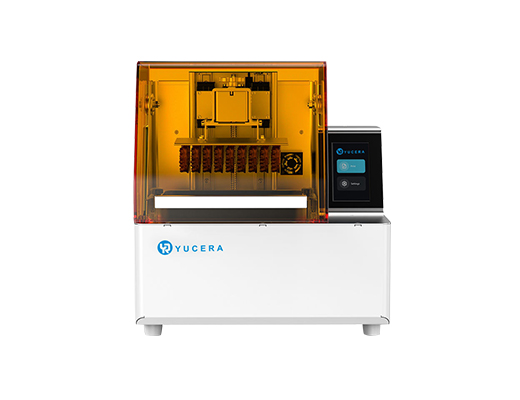
High-speed LCD printer for guides, temporaries, models with 8K resolution.
learn more