

 中 文
中 文
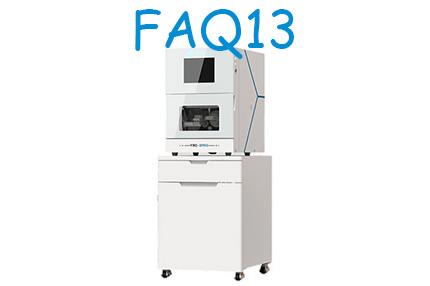
YRC-8PRO FAQ: Operation Reset, Voltage Compatibility, and Zirconia Disc & Base Material Processing Capability
2026-05-21
2026-08-05
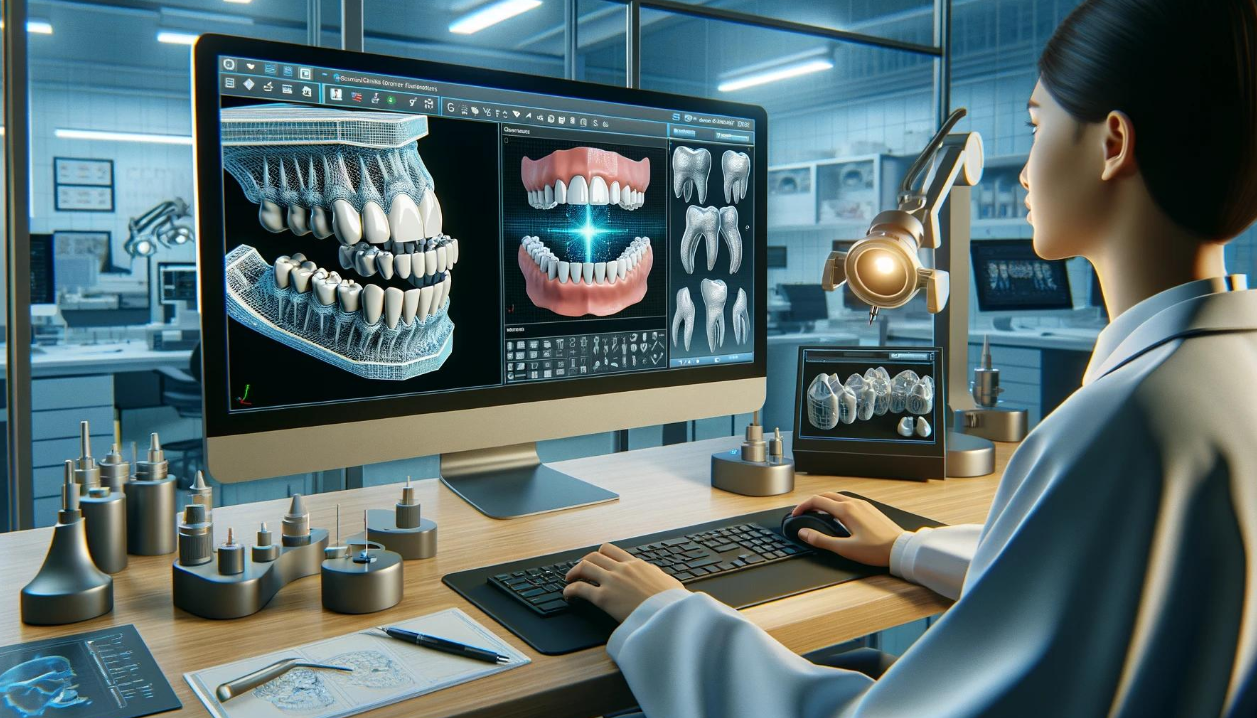
The dental laboratory industry is undergoing one of the most significant transformations in its history. What was once a largely manual process has evolved into a highly connected digital workflow powered by advanced software, intelligent equipment, and innovative restorative materials.
From digital impressions and CAD design to automated milling and AI-assisted production, technology is reshaping how laboratories operate, communicate, and deliver restorations.
Digital technology is no longer simply improving efficiency—it is redefining the future of dental laboratories.
For decades, dental laboratories relied on conventional impressions, stone models, wax-ups, and manual fabrication techniques. Although these methods produced excellent restorations, they were often time-consuming and highly dependent on individual craftsmanship.
Today's digital workflow connects every production stage:
By replacing multiple manual steps with digital processes, laboratories can improve accuracy while reducing production time and minimizing human error.
CAD/CAM technology has transformed the way restorations are designed and manufactured.
Modern CAD software enables technicians to:
CAM systems then translate these designs into physical restorations through automated milling or additive manufacturing.
The result is greater consistency and more predictable clinical outcomes.
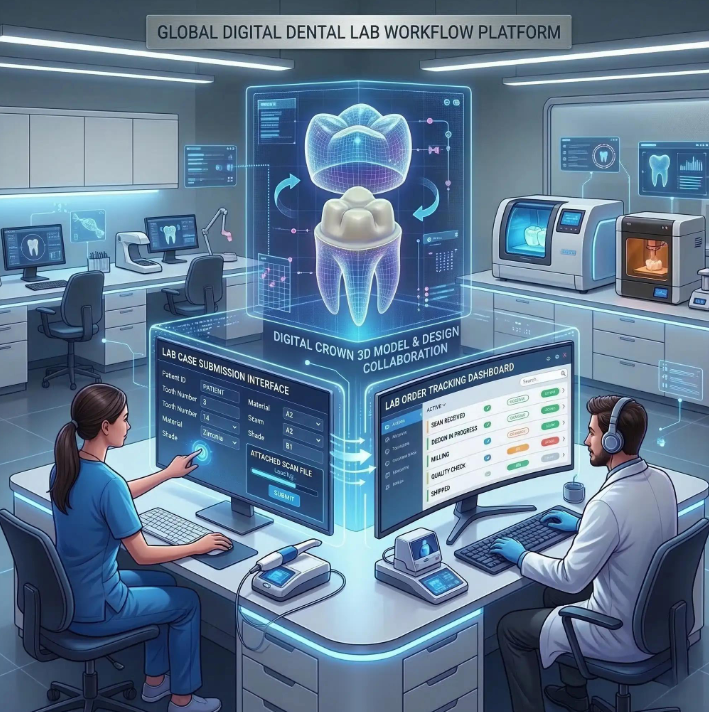
Communication between dentists and laboratories has become faster and more efficient.
Instead of shipping physical impressions, clinicians can now send digital scan files within minutes.
Laboratories can:
This level of connectivity reduces delays and improves collaboration throughout the restorative process.
Automation is no longer limited to milling machines.
Today's laboratories increasingly use automated technologies for:
Automation allows technicians to focus on complex clinical decisions while repetitive manufacturing tasks are completed more efficiently.
Rather than replacing technicians, automation enhances productivity by allowing laboratories to accomplish more with existing teams.
Artificial intelligence is beginning to influence many areas of digital dentistry.
AI-assisted software can help:
Although AI continues to evolve, experienced technicians remain essential.
Successful restorations still depend on clinical understanding, esthetic judgment, and material knowledge.
AI works best as a tool that supports human expertise rather than replacing it.
Digital manufacturing has accelerated the development of restorative materials specifically designed for CAD/CAM workflows.
Modern materials now offer:
These improvements reduce manual adjustments while helping laboratories produce natural-looking restorations more consistently.
Material innovation is becoming just as important as equipment innovation.
One of the greatest advantages of digital workflows is access to production data.
Laboratories can now monitor:
This information allows managers to identify inefficiencies and continuously improve production.
Instead of relying on assumptions, laboratories can make decisions based on measurable performance.
Digital technology has not reduced the importance of dental technicians.
Instead, their responsibilities have shifted.
Today's technicians spend less time performing repetitive manual tasks and more time:
As technology advances, technical expertise and critical thinking become even more valuable.
The pace of technological development continues to accelerate.
New software, manufacturing equipment, and restorative materials are introduced every year.
Laboratories that invest in ongoing education are better prepared to:
Technology alone does not create success.
People who understand how to use technology effectively make the greatest difference.
The future dental laboratory will become increasingly connected, automated, and intelligent.
Emerging trends include:
Despite these advances, the laboratory's mission remains unchanged: delivering accurate, functional, and esthetic restorations that improve patient care.
Technology simply provides more effective tools to achieve that goal.
Digital technology is transforming every aspect of dental laboratory operations—from communication and design to manufacturing and quality control.
Laboratories that embrace digital workflows, invest in continuous education, adopt advanced materials, and use automation strategically will be better positioned for long-term success.
The future of dental laboratories will not be defined by technology alone, but by how effectively laboratories combine innovation with skilled technicians, efficient workflows, and a commitment to quality.

Dry & wet milling for zirconia, PMMA, wax with auto tool changer.
learn more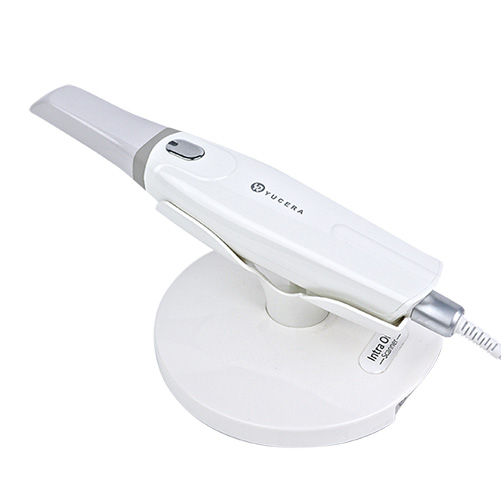
High-precision 3D scanning, AI calibration, full-arch accuracy.
learn more
40-min full sintering with 57% incisal translucency and 1050 MPa strength.
learn more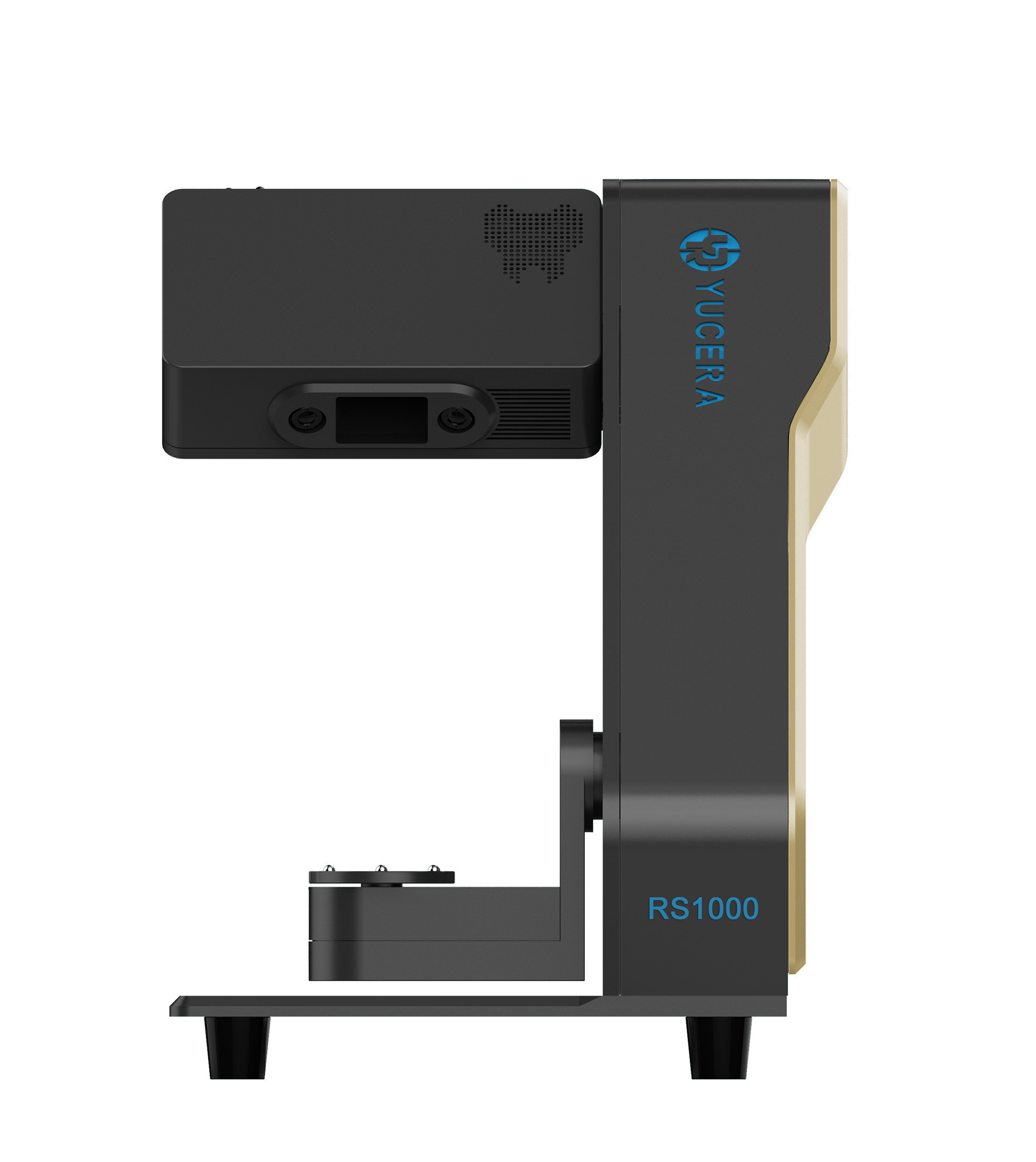
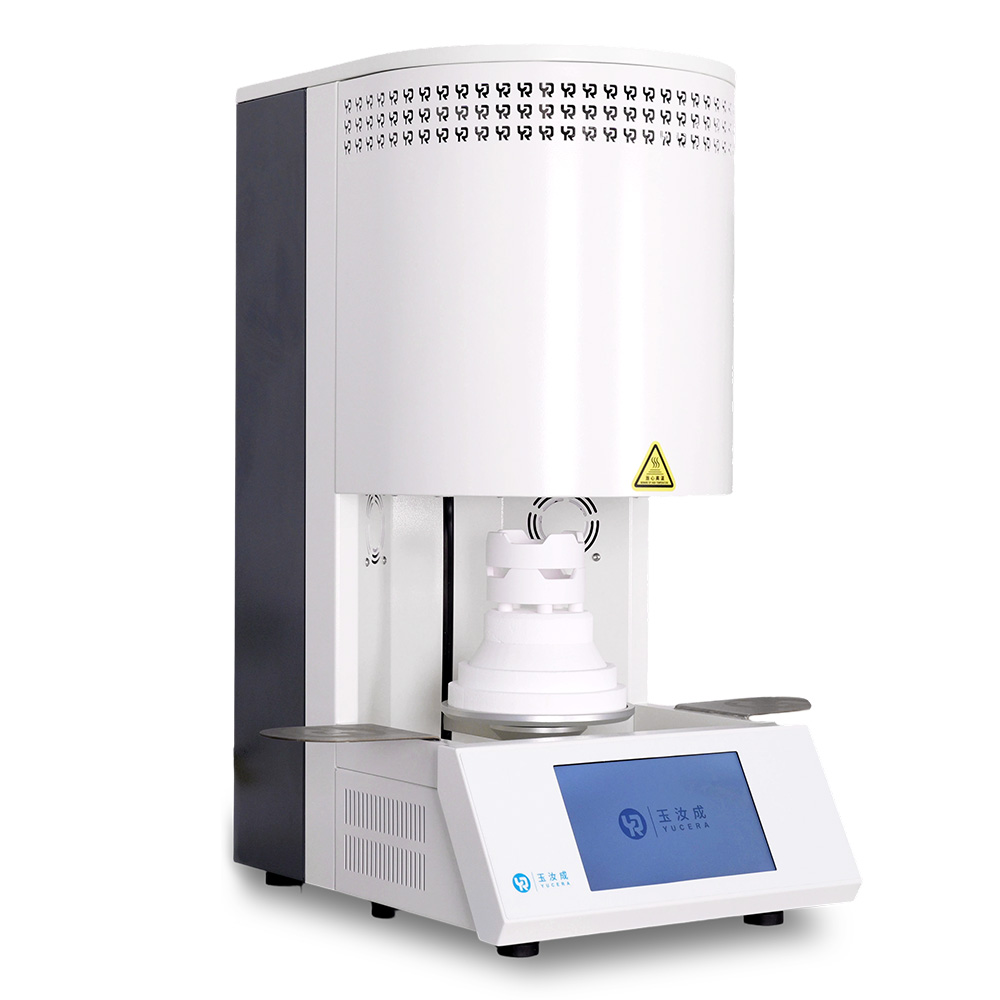
40-min cycle for 60 crowns, dual-layer crucible and 200°C/min heating.
learn more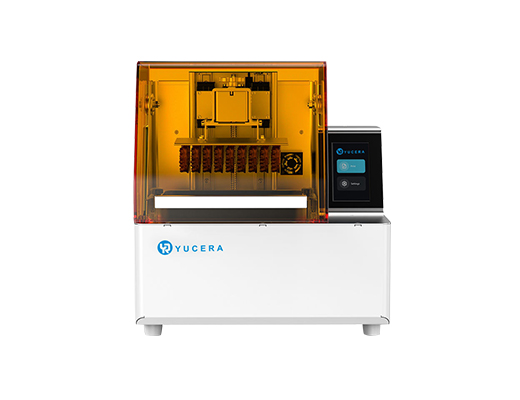
High-speed LCD printer for guides, temporaries, models with 8K resolution.
learn more