

 中 文
中 文

Understanding Dental Impression Scanners
2024-07-07
2025-12-21
With intraoral scanners projected to dominate over 70% of dental impressions by 2025, according to recent dental technology reports, understanding these dimensions is more important than ever. Let's dive into each one to help you navigate the selection process effectively.
Dimension 1: Accuracy
Accuracy is the cornerstone of any intraoral scanner, directly influencing the fit and success of restorations, implants, and orthodontic appliances. In 2025, top scanners achieve trueness and precision in the range of 5-30 micrometers (μm) for full-arch scans, as per ISO standards and clinical studies. High accuracy minimizes errors in digital models, reducing the need for remakes and improving patient satisfaction.
Scanners using advanced optical technologies, such as confocal microscopy or structured light, excel in this area, providing deviations under 15 μm for single-tooth scans and up to 15-30 μm for full arches. Factors like powder-free operation enhance accuracy by eliminating variables from spray applications, which can introduce inconsistencies.
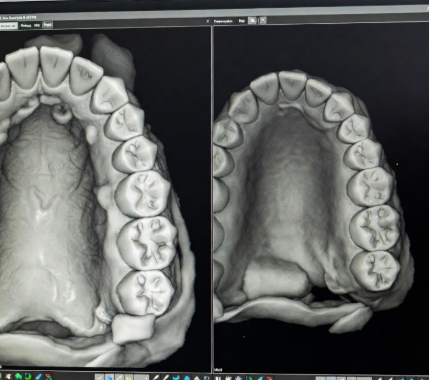
For dental practices, prioritize scanners tested in real-world scenarios, where environmental factors like saliva or movement are accounted for. Clinical data from 2025 indicates that scanners with AI-driven error correction can boost accuracy by 20-30%, automatically identifying and refining artifacts. This is particularly vital for complex cases like edentulous arches or multi-unit bridges.
Dimension 2: Scanning Speed
Scanning speed determines workflow efficiency and patient comfort, making it a critical dimension for busy dental practices in 2025. Modern intraoral scanners can complete a full-arch scan in under 60 seconds, processing thousands of images per second to minimize chair time and reduce fatigue for both clinician and patient.
Key metrics include frame rate (often 50-70 frames per second) and real-time rendering, which allow seamless stitching of scans without pauses. Faster scanners incorporate AI algorithms for automatic alignment, cutting processing time by up to 50% compared to older models. This speed is essential for high-volume practices, enabling same-day restorations and improving throughput.
Evaluate speed by considering the scanner's hardware, such as lightweight wands with high-speed sensors that capture data without requiring multiple passes. In 2025, wireless models further enhance mobility, allowing scans in under 45 seconds for quadrants and 1-1.5 minutes for full mouths, based on aggregated clinical benchmarks.
Practical tips for selection: Time scans during trials on live patients or phantoms, noting any lag in data processing. Faster speeds correlate with higher patient acceptance, as they eliminate discomfort from prolonged mouth opening. Data shows that practices adopting high-speed scanners see a 20-30% increase in daily cases handled.
For selection, trial the device in your practice environment, assessing comfort during full procedures. Geo-optimization involves choosing models with multilingual interfaces for international teams, such as in multicultural hubs like Toronto or Singapore. By emphasizing ease of use, dentists can focus on care rather than technology, fostering a more efficient and stress-free practice.
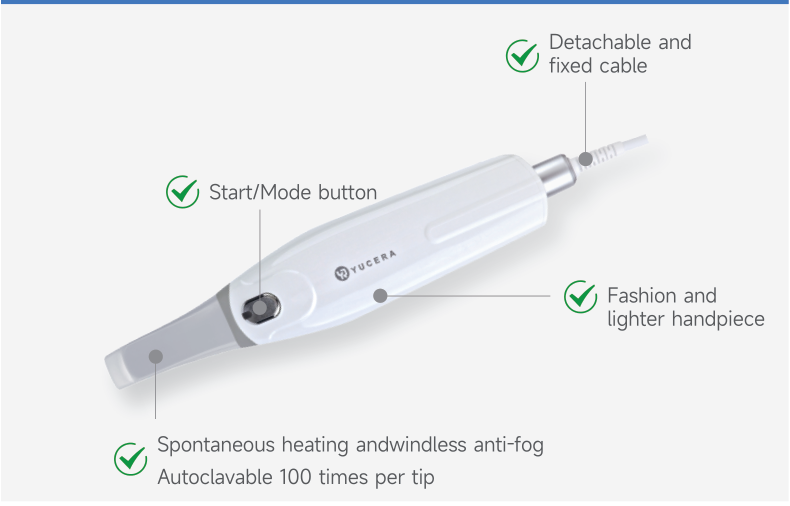
Evaluate by checking ecosystem integration: Scanners should connect to cloud platforms for secure data sharing and remote consultations, enhancing telemedicine in remote areas. 2025 innovations include UV disinfection and battery life over one hour for wireless models, adding practical utility.
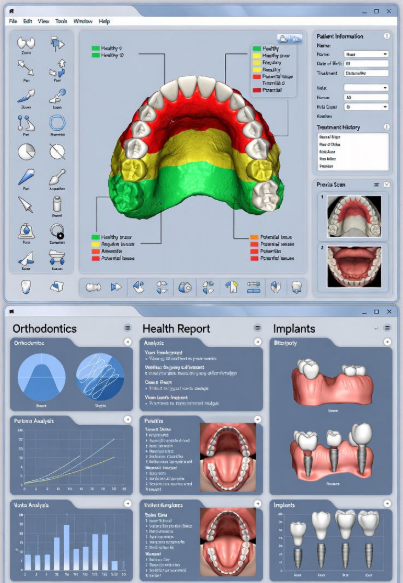
Hidden costs include calibration fees and training, but no-subscription models minimize ongoing expenses. 2025 market trends favor flexible financing, with leases lowering upfront barriers.
This dimension safeguards your investment, fostering confidence in digital transitions.

Dry & wet milling for zirconia, PMMA, wax with auto tool changer.
learn more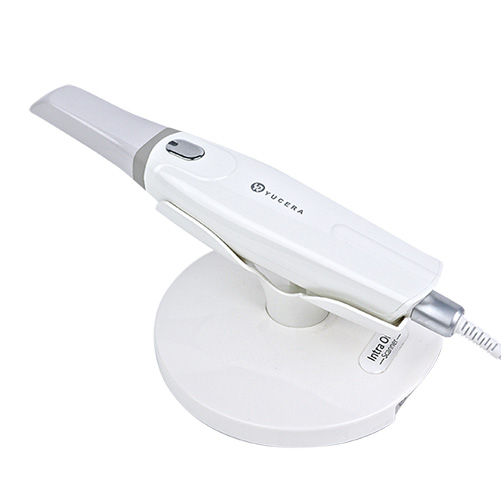
High-precision 3D scanning, AI calibration, full-arch accuracy.
learn more
40-min full sintering with 57% incisal translucency and 1050 MPa strength.
learn more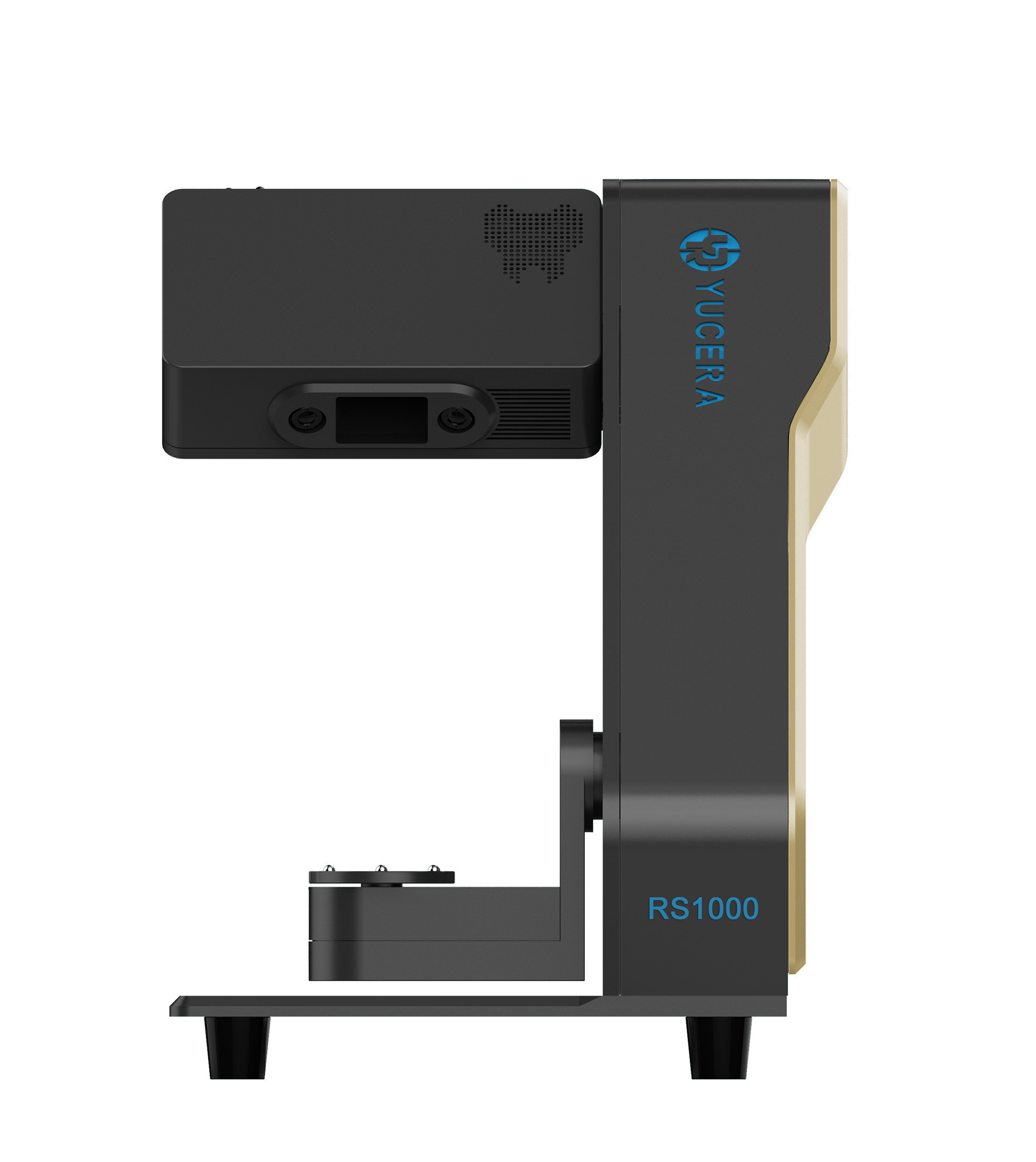
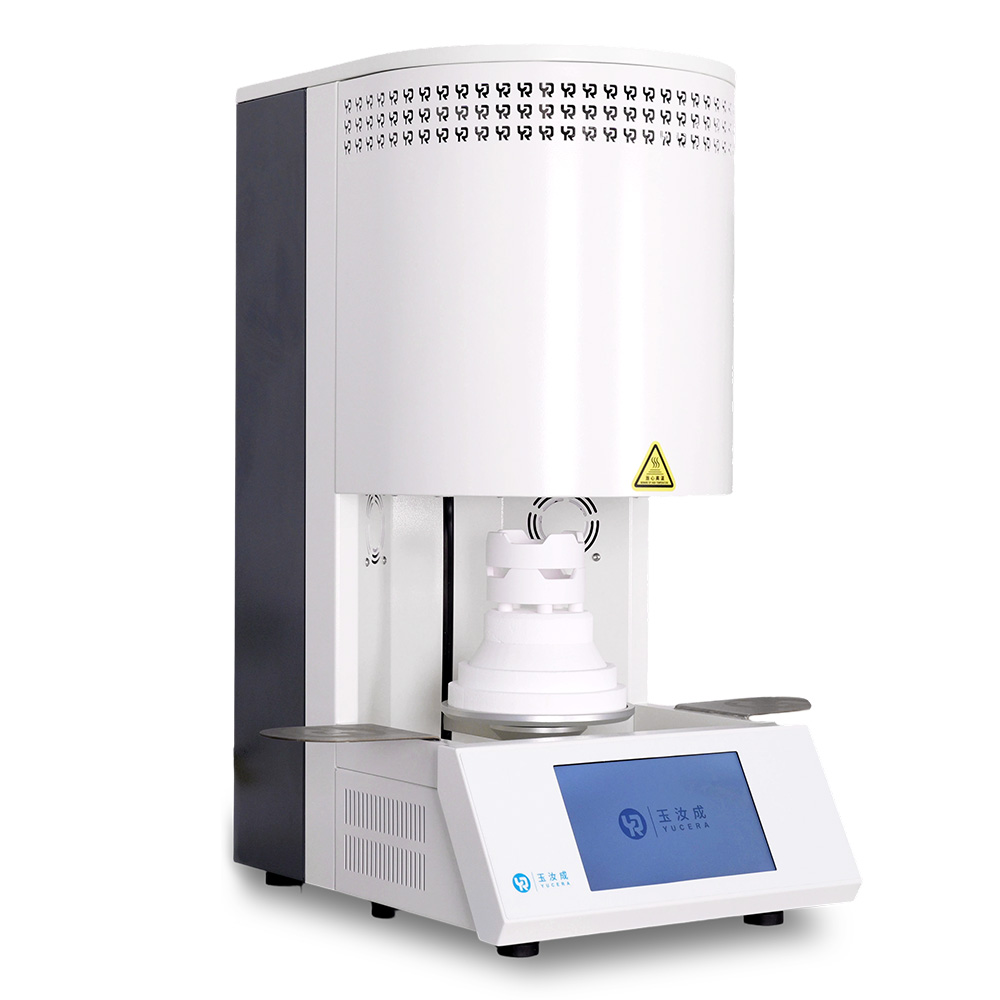
40-min cycle for 60 crowns, dual-layer crucible and 200°C/min heating.
learn more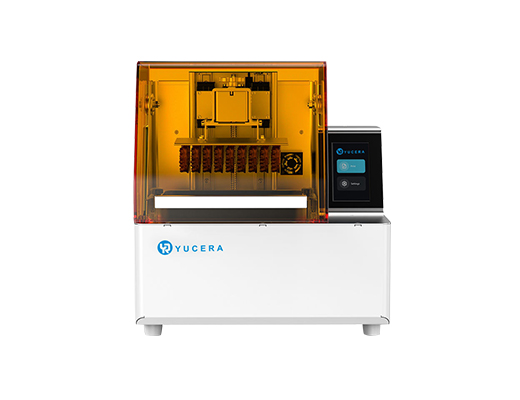
High-speed LCD printer for guides, temporaries, models with 8K resolution.
learn more