

 中 文
中 文
Zirconia Manufacturing Process in Dentistry: A Detailed 2025 Guide to Production Steps and Techniques
2025-12-23
2026-05-10
Lithium disilicate is widely used in modern dental laboratories for anterior crowns, veneers, inlays, and onlays due to its favorable balance between aesthetics and mechanical strength. However, one of the most commonly reported challenges in clinical and laboratory workflows is edge chipping or marginal fracture, particularly in anterior restorations where thin ceramic margins are required.
Unlike zirconia-based materials, lithium disilicate is a glass-ceramic system, which means its performance is strongly influenced by design geometry, milling strategy, crystallization control, and post-processing handling. Understanding these factors is essential for dental labs aiming to achieve predictable and stable restorations.
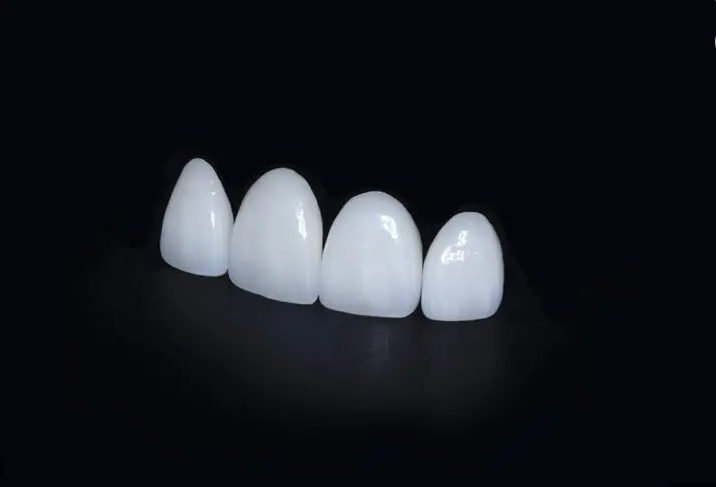
Lithium disilicate is a glass-ceramic material with a crystalline structure that provides both translucency and moderate strength.
These properties make it highly suitable for aesthetic restorations but also explain its sensitivity to edge stress concentration.
Chipping does not originate from a single factor; it is usually the result of multiple interacting variables.
In anterior restorations, margins are often designed very thin to improve aesthetics. However, thinner ceramic sections:
During CAD/CAM processing:
Even microscopic defects can propagate under functional load.
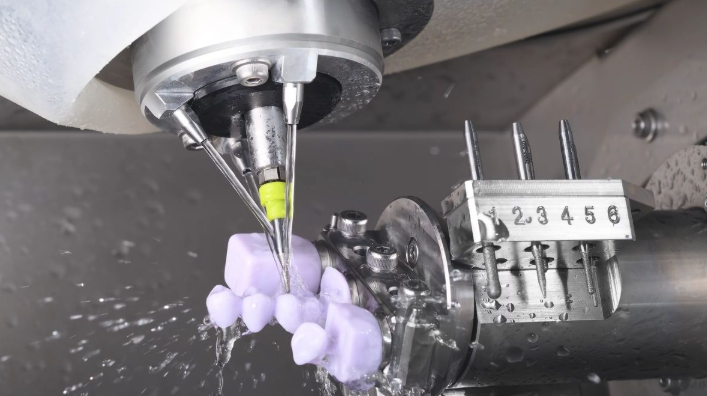
Lithium disilicate undergoes a controlled crystallization cycle after milling.
If temperature ramp or holding time is inconsistent:
In clinical application:
These are major contributors to chipping in anterior restorations.
Dental labs use digital workflows to minimize structural risk before clinical delivery.
Recommended CAD design practices include:
Rounded geometry reduces stress concentration significantly.
To reduce surface damage:
These steps help reduce micro-crack formation.
Block positioning influences stress distribution:
Lithium disilicate restorations require a two-stage process: milling + crystallization.
Critical variables include:
Even small deviations may increase residual stress at margins.
Balanced surface finishing is essential.
Intraoral adjustments should:
Unfinished rough surfaces significantly increase chipping risk.
Chipping risk is not only a laboratory issue; it is also influenced by clinical preparation.
A mismatch between lab design and clinical occlusion is a common failure source.
Based on digital dental workflows:
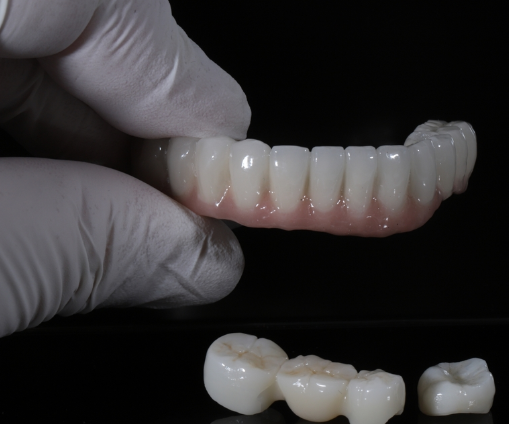
Lithium disilicate remains one of the most widely used materials for anterior aesthetic restorations due to its balance of translucency and mechanical performance. However, chipping risks are primarily process-related rather than material defects.
By controlling CAD design geometry, optimizing milling parameters, ensuring precise crystallization cycles, and maintaining proper clinical-lab coordination, dental laboratories can significantly improve restoration stability and reduce marginal fracture risks.

Dry & wet milling for zirconia, PMMA, wax with auto tool changer.
learn more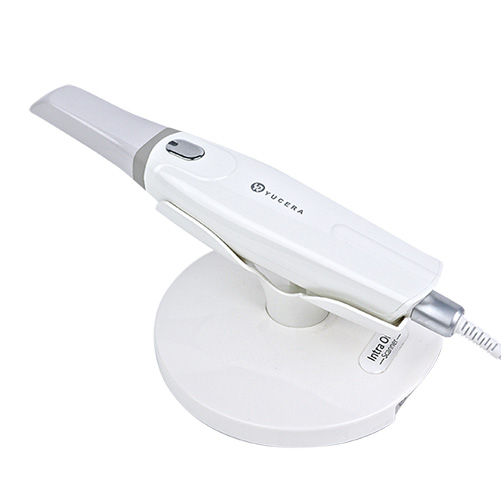
High-precision 3D scanning, AI calibration, full-arch accuracy.
learn more
40-min full sintering with 57% incisal translucency and 1050 MPa strength.
learn more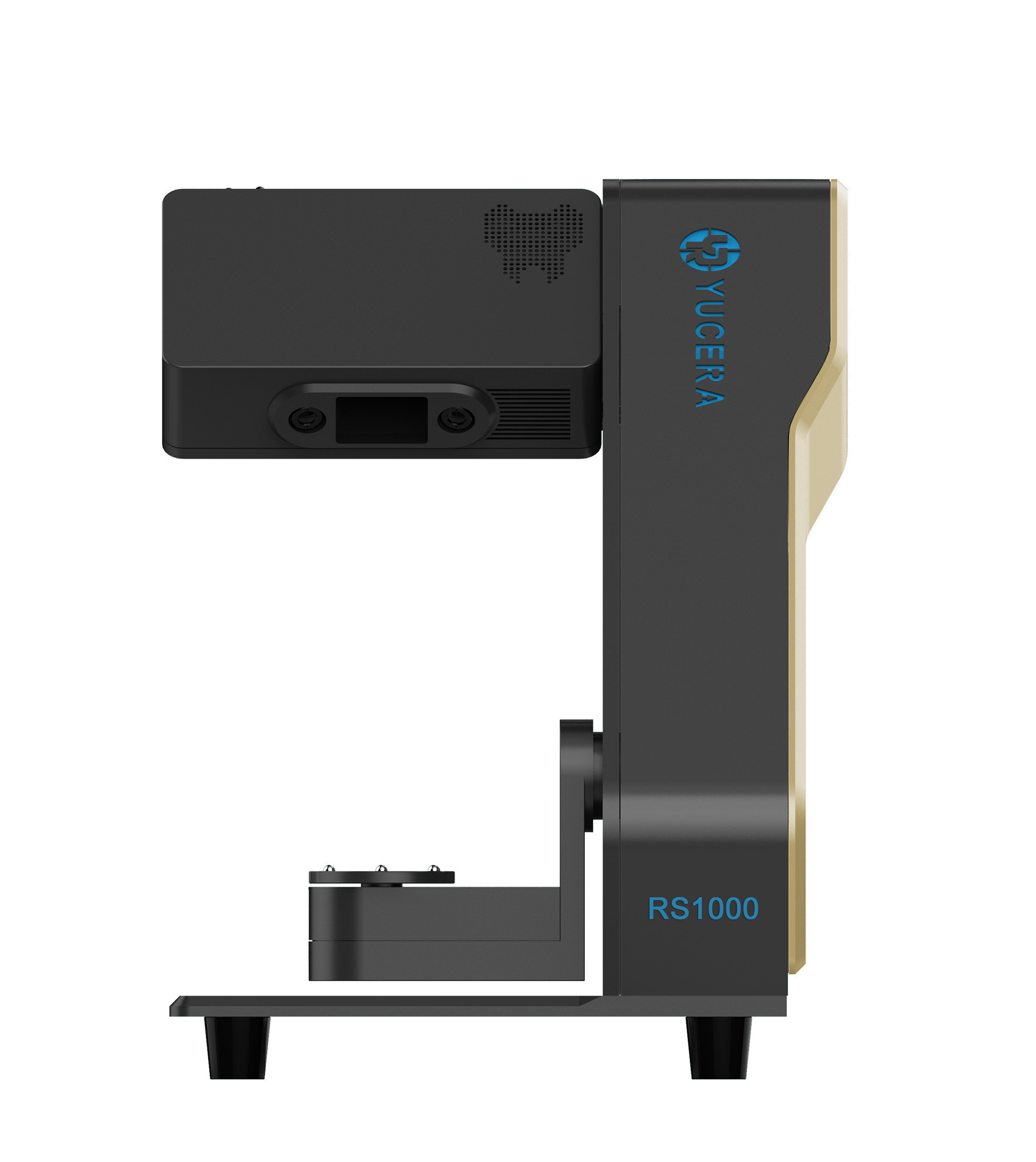
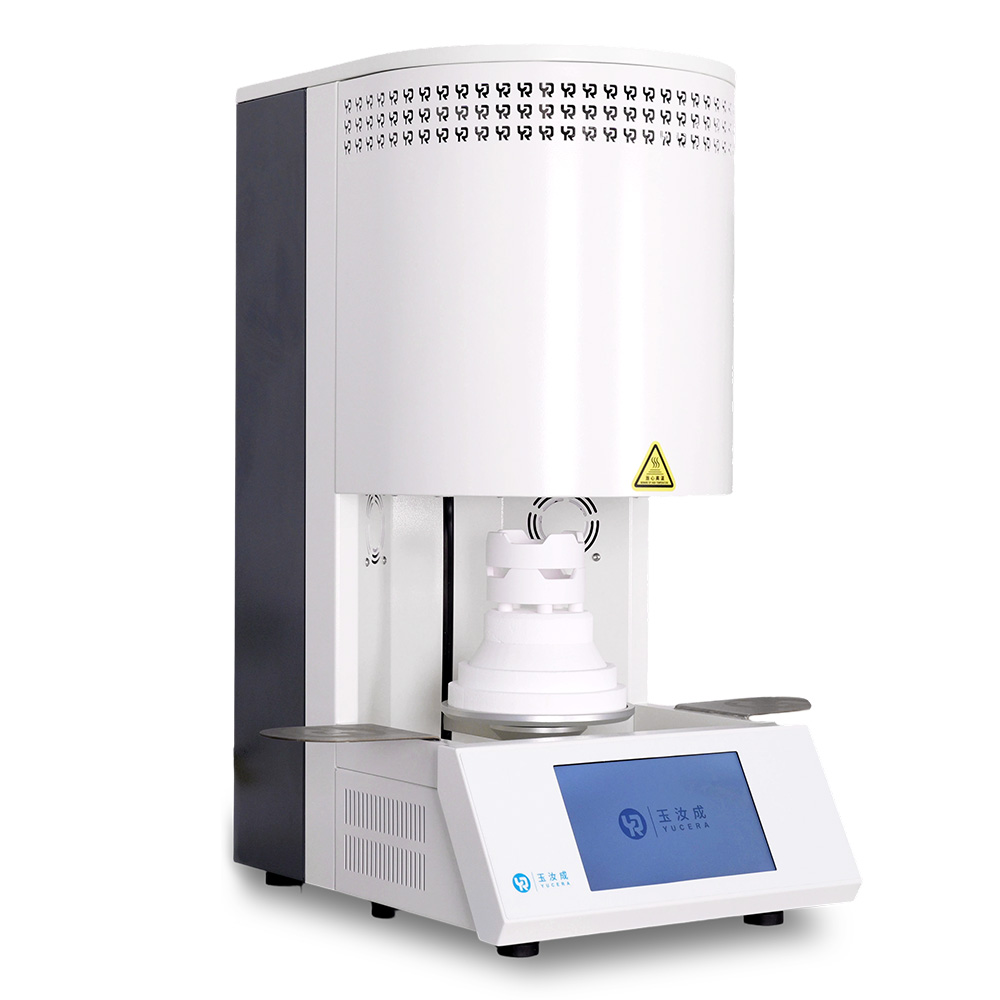
40-min cycle for 60 crowns, dual-layer crucible and 200°C/min heating.
learn more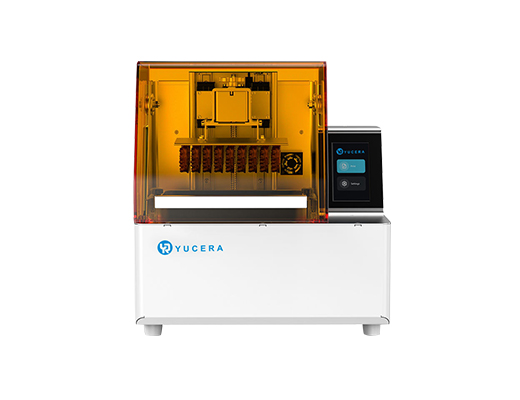
High-speed LCD printer for guides, temporaries, models with 8K resolution.
learn more