

 中 文
中 文
Who Can Take Intraoral Scans?
2025-09-19
2026-07-15
Modern digital dentistry has transformed restorative workflows, enabling dental laboratories and clinics to produce highly accurate restorations faster than ever before. Today's integrated workflow—combining intraoral scanning, CAD software, CAM software, milling machines, zirconia, and AI-assisted automation—is the result of more than a century of technological innovation.
Understanding how dental equipment and restorative materials evolved not only highlights the progress of the profession but also helps laboratories make better decisions when investing in new digital solutions.
This article explores the complete timeline of dental CAD/CAM equipment and materials, from the earliest porcelain furnaces to today's AI-driven manufacturing systems.
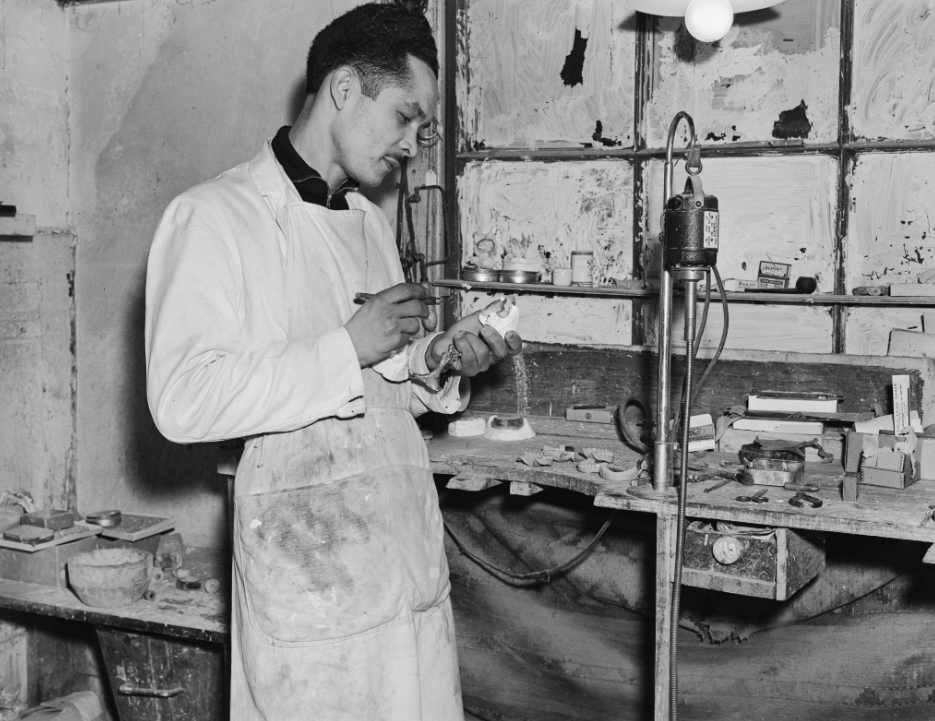
Long before computers entered dentistry, dental laboratories relied entirely on manual craftsmanship.
One of the earliest transformative devices was the porcelain furnace, introduced in the late 19th and early 20th centuries. It allowed technicians to fire porcelain restorations at controlled temperatures, making porcelain crowns and porcelain-fused-to-metal restorations practical for everyday dentistry.
Around the 1930s, polymethyl methacrylate (PMMA) became the standard material for denture bases due to its strength, aesthetics, and ease of processing. During the same period, dental wax remained indispensable for lost-wax casting and pattern fabrication.
By the 1950s, feldspathic porcelain had become the preferred material for highly esthetic anterior restorations, laying the foundation for future all-ceramic dentistry.
The digital revolution began in 1971 when French dentist François Duret proposed applying computer-aided design and computer-aided manufacturing (CAD/CAM) to dental restorations.
His research introduced a workflow that remains familiar today:
Although early experiments primarily involved resin, wax, and experimental ceramics, the concept fundamentally changed restorative dentistry.
A major milestone came in 1985 with the commercialization of the first chairside CAD/CAM system. For the first time, clinicians could scan, design, and mill ceramic restorations within a single digital workflow.
This marked the true beginning of modern digital dentistry.
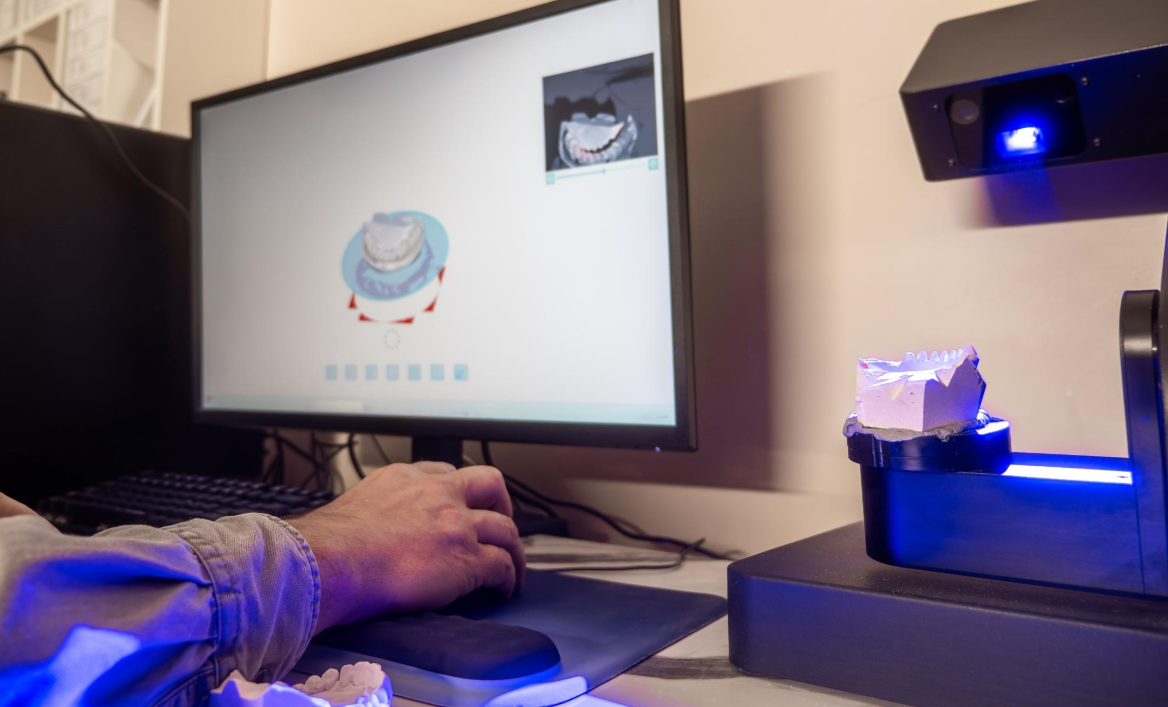
As computing power increased throughout the 1990s, CAD/CAM expanded from clinics into dental laboratories.
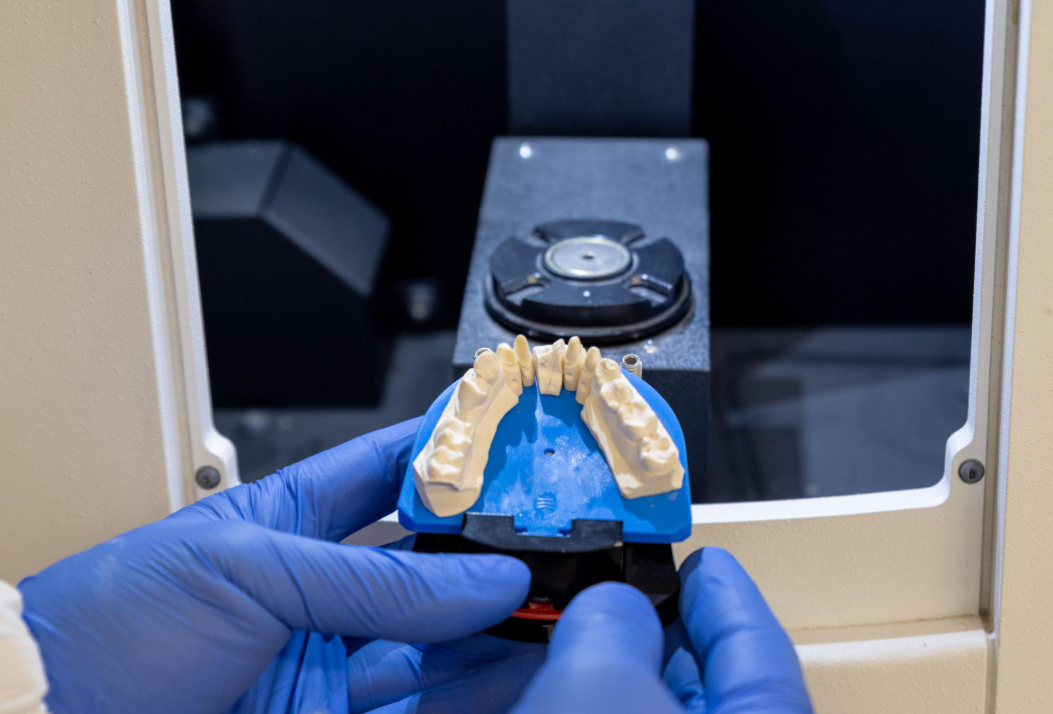
Desktop scanners replaced manual model measurements by converting gypsum casts into digital files with micron-level precision. This greatly reduced human error while improving communication between technicians and clinicians.
At the same time, milling technology advanced rapidly.
Three-axis milling machines gradually evolved into five-axis milling systems, allowing technicians to produce more complex restorations, including implant prostheses, bridges, and full-arch cases with improved accuracy.
Glass ceramics also gained popularity during this period, offering improved esthetics while remaining suitable for CAD/CAM processing.
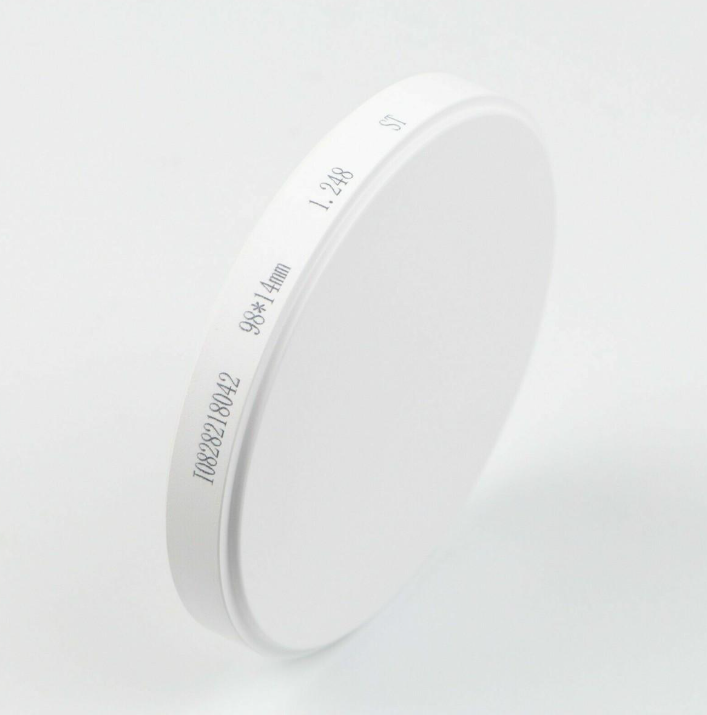
Perhaps no material has influenced modern digital dentistry more than pre-sintered zirconia.
Unlike fully sintered zirconia, which is extremely difficult to machine, pre-sintered zirconia can be milled efficiently and then densified during a high-temperature sintering cycle. Software compensates for shrinkage during the design stage, making highly accurate restorations possible.
The adoption of zirconia transformed laboratory workflows.
New equipment soon followed:
This period also established zirconia as the material of choice for posterior crowns, bridges, and implant-supported restorations because of its excellent mechanical strength and biocompatibility.
The next decade brought digital technology directly into the dental operatory.
Intraoral scanners eliminated many traditional impressions by capturing highly detailed digital models in minutes. Digital impressions improved patient comfort while reducing remakes caused by impression distortion.
Meanwhile, laboratories adopted increasingly versatile milling solutions.
Wet milling systems enabled efficient processing of lithium disilicate and other glass ceramics, while integrated dry-and-wet milling machines allowed laboratories to machine zirconia, PMMA, wax, composite resin, and glass ceramics on a single platform.
Material innovation accelerated as well.
Manufacturers introduced multilayer zirconia with natural shade transitions and improved translucency, reducing manual staining while producing more lifelike restorations.
Today's digital dental laboratory is becoming increasingly automated.
Artificial intelligence is improving nearly every stage of production, including:
Modern laboratories are also investing in multi-disc milling machines capable of continuous unattended production, increasing throughput while lowering labor costs.
At the same time, cloud-based collaboration allows clinicians, laboratories, and manufacturers to exchange digital cases almost instantly, shortening turnaround times and improving treatment efficiency.
Rather than replacing skilled technicians, AI enhances productivity by allowing professionals to focus on complex esthetic and functional decisions.
| Period | Major Innovation |
|---|---|
| 1900–1930 | Porcelain furnaces become standard laboratory equipment |
| 1930s | PMMA introduced for denture fabrication |
| 1940s–1950s | Dental wax widely adopted for casting workflows |
| 1950s–1960s | Feldspathic porcelain gains popularity |
| 1971 | Dental CAD/CAM concept proposed |
| 1985 | First commercial dental CAD/CAM milling system |
| 1990s | Desktop scanners digitize laboratory workflows |
| Late 1990s | Glass ceramics become mainstream CAD/CAM materials |
| 1998–2002 | Pre-sintered zirconia and zirconia sintering furnaces transform restorative dentistry |
| 2005–2010 | Five-axis milling machines become the laboratory standard |
| 2008–2012 | Intraoral scanners expand digital impressions |
| 2010–2020 | Multilayer zirconia and dry/wet milling systems gain widespread adoption |
| 2020–2026 | AI-powered digital manufacturing and intelligent automation |
The next phase of digital dentistry will likely focus on intelligent integration rather than isolated equipment improvements.
Future laboratories will increasingly rely on connected digital ecosystems in which scanners, CAD software, CAM software, milling machines, furnaces, and quality control systems communicate seamlessly.
Artificial intelligence, robotics, cloud computing, and advanced restorative materials will continue to reduce production time while improving consistency and personalization.
The future is not simply digital—it is intelligent.
Over the past century, dental laboratories have evolved from manually firing porcelain restorations to operating highly automated digital production systems.
Each innovation—from porcelain furnaces and PMMA to CAD/CAM, zirconia, five-axis milling, intraoral scanners, and AI-assisted manufacturing—has addressed a specific clinical or laboratory challenge while moving restorative dentistry toward greater precision, efficiency, and predictability.
As digital technologies continue to mature, successful dental laboratories will be those that combine advanced equipment, high-performance materials, and intelligent workflows to deliver consistent, high-quality patient outcomes.

Dry & wet milling for zirconia, PMMA, wax with auto tool changer.
learn more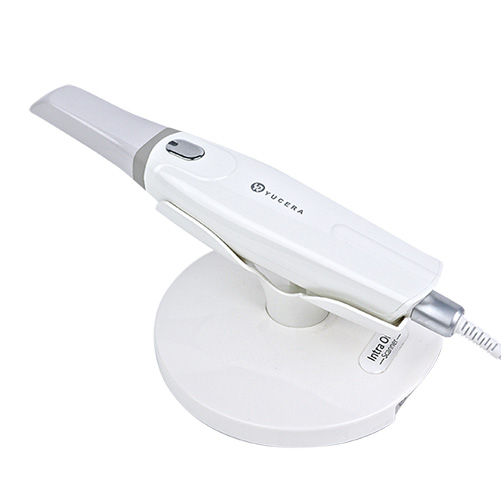
High-precision 3D scanning, AI calibration, full-arch accuracy.
learn more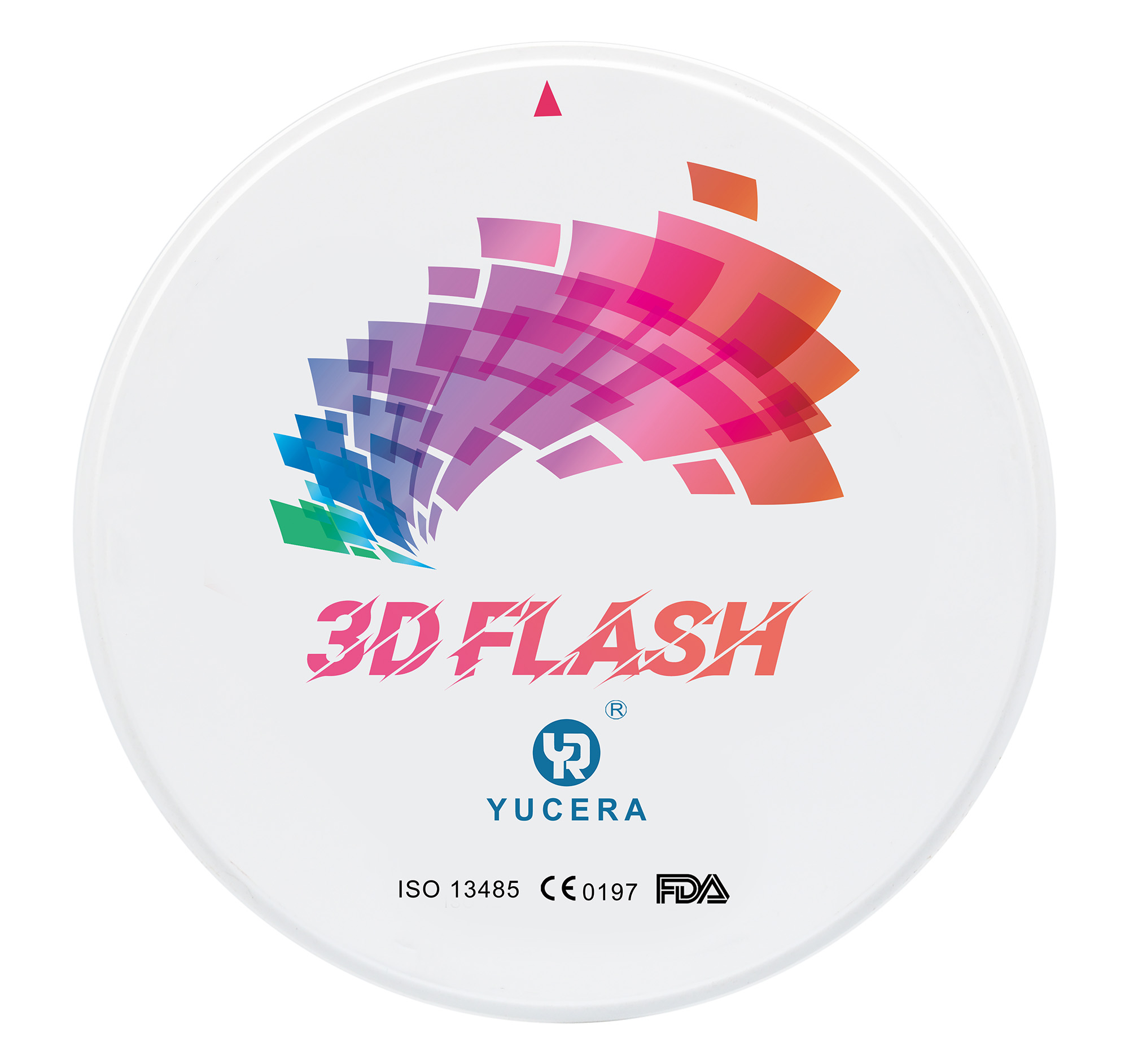
40-min full sintering with 57% incisal translucency and 1050 MPa strength.
learn more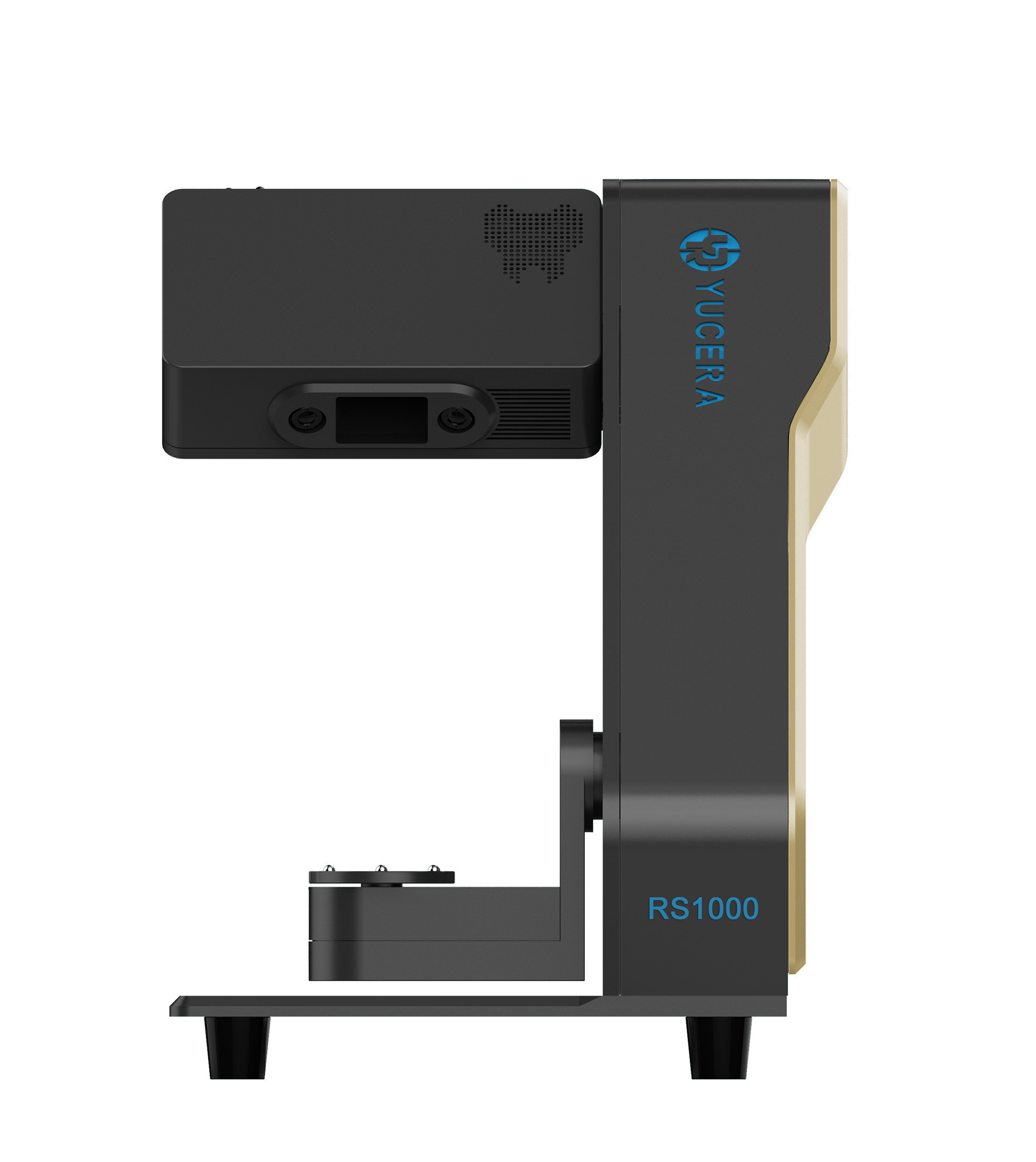
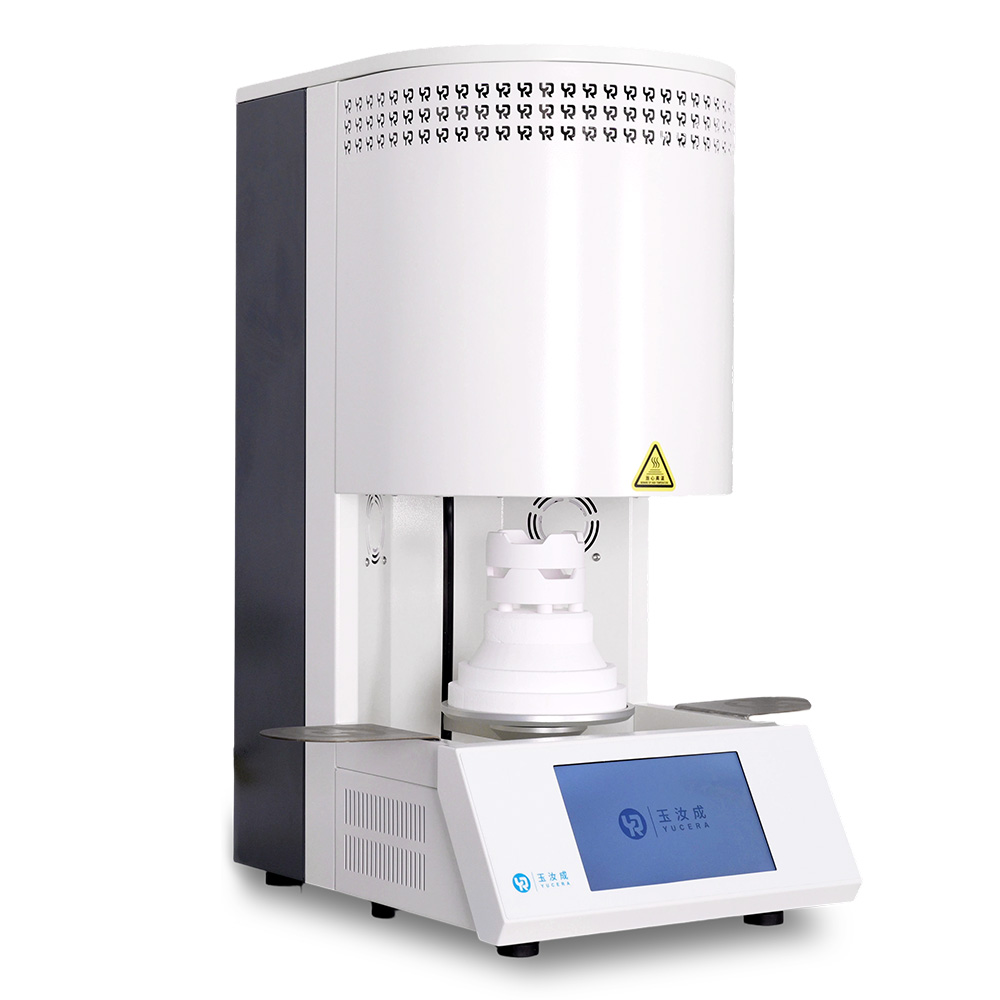
40-min cycle for 60 crowns, dual-layer crucible and 200°C/min heating.
learn more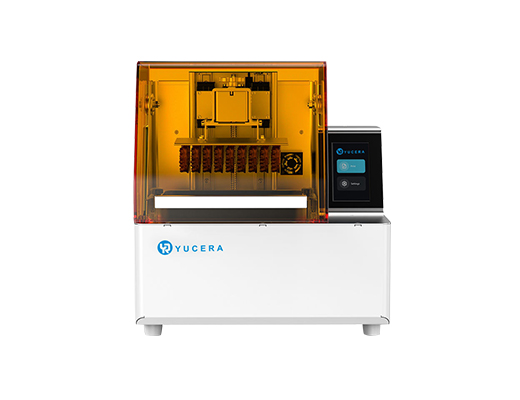
High-speed LCD printer for guides, temporaries, models with 8K resolution.
learn more