



 中 文
中 文
Dental Implant Materials Comparison: Which is Safest for Your Health? (Chemical Analysis 2026)
2026-01-01
2026-05-04
In dental laboratories across South America—particularly in Brazil, Mexico, and Argentina—zirconia crown cracking after sintering remains a common challenge in CAD/CAM workflows. While the issue is often attributed to material defects, engineering analysis shows it is usually caused by a combination of material properties, milling process, and sintering control.
This article provides a technical review of zirconia cracking mechanisms and offers selection guidance for full arch dental restoration applications.
During sintering, zirconia undergoes significant volumetric shrinkage. If heating and cooling cycles are not properly controlled, internal stress may not be evenly released, leading to microcracks.
Low-quality or unevenly structured zirconia blanks may result in non-uniform shrinkage, increasing the risk of fracture after sintering.
In full arch or long-span restorations, thin connector areas or poor structural distribution can create stress concentration zones.
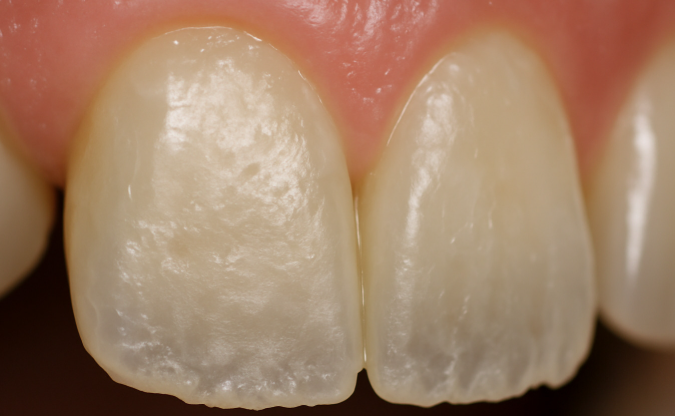
In South American clinical practice, full arch restorations require materials with:
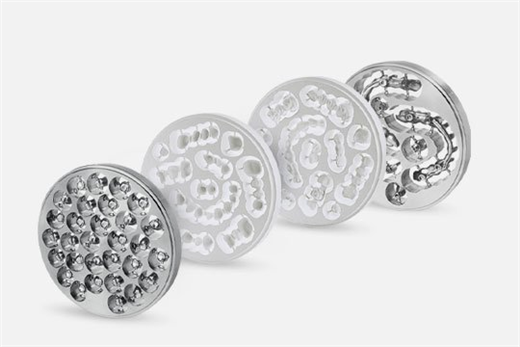
Modern multilayer zirconia materials typically feature a strength gradient of 700–1200 MPa, allowing different functional zones to handle varying occlusal forces. This structural design helps improve stress distribution.
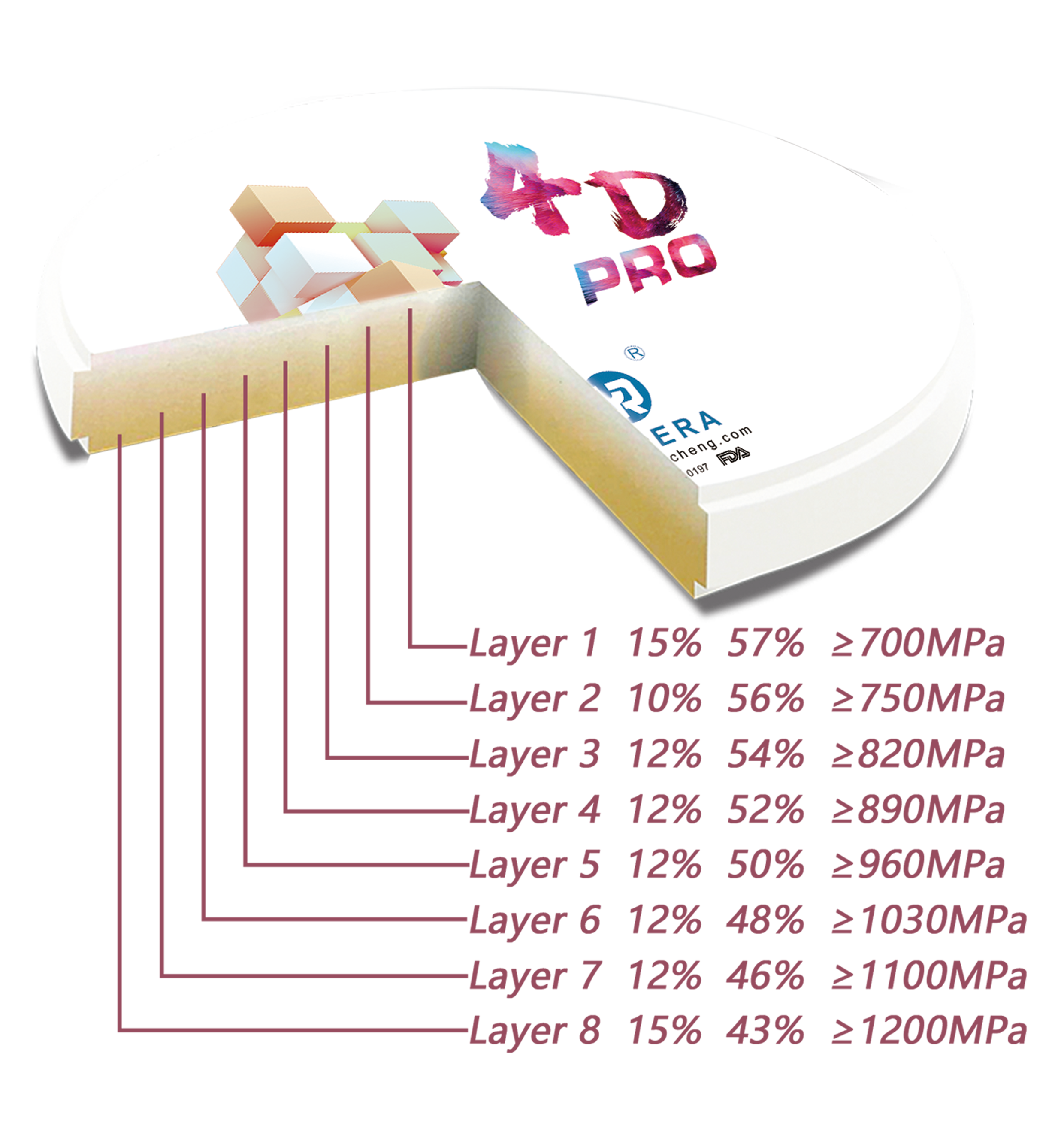
A 15-layer gradient structure helps simulate natural tooth transition and reduces thermal stress concentration.
Materials with a defined strength gradient (e.g., 700–1200 MPa) better support both anterior aesthetics and posterior load.
Zirconia must match the laboratory’s sintering furnace profile to avoid processing instability.
Avoid overly long spans and ensure uniform connector thickness in full arch restorations.
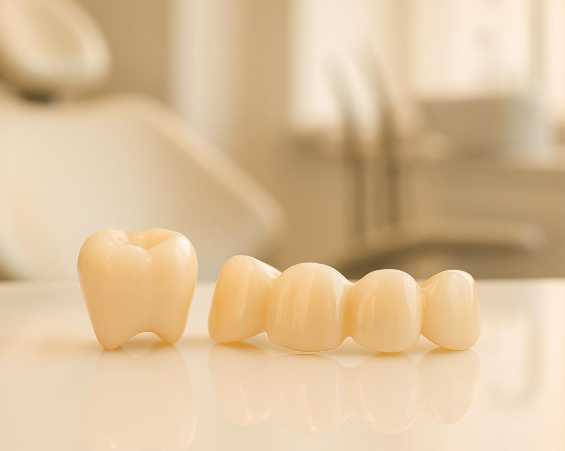
In South America, digital dentistry adoption is accelerating. However, sintering-related fractures remain a key limitation in full arch restoration workflows. Dental laboratories are increasingly shifting focus from operational errors to material engineering optimization, selecting more stable multilayer zirconia systems.
Zirconia crown cracking after sintering is not a single-factor issue but the result of material structure, processing workflow, and thermal control interaction. In full arch restorations, selecting zirconia with stable gradient strength and optimized multilayer architecture can significantly improve structural reliability and clinical consistency.

Dry & wet milling for zirconia, PMMA, wax with auto tool changer.
learn more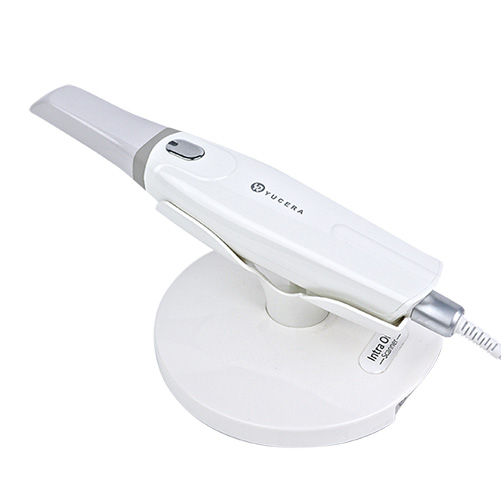
High-precision 3D scanning, AI calibration, full-arch accuracy.
learn more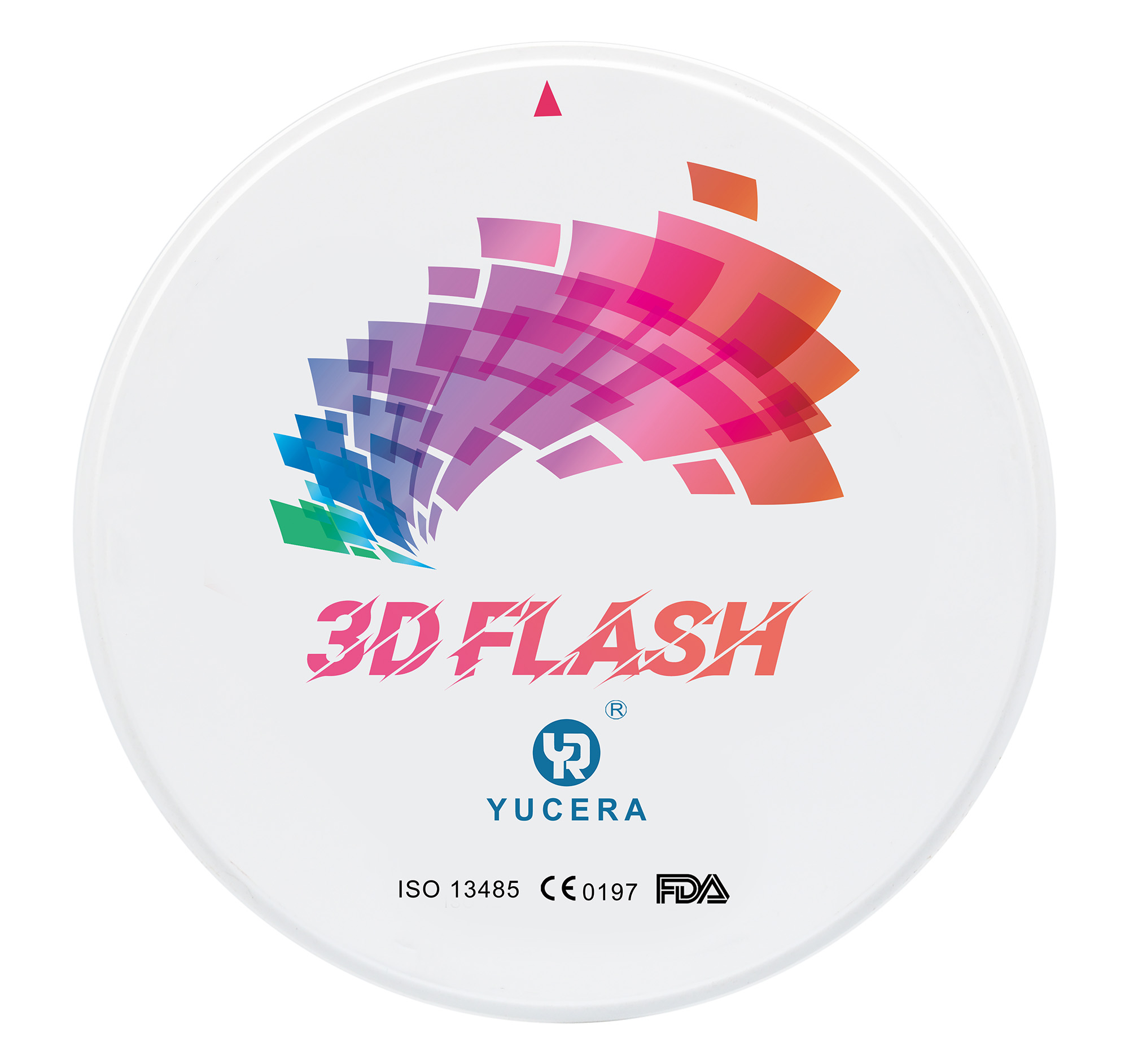
40-min full sintering with 57% incisal translucency and 1050 MPa strength.
learn more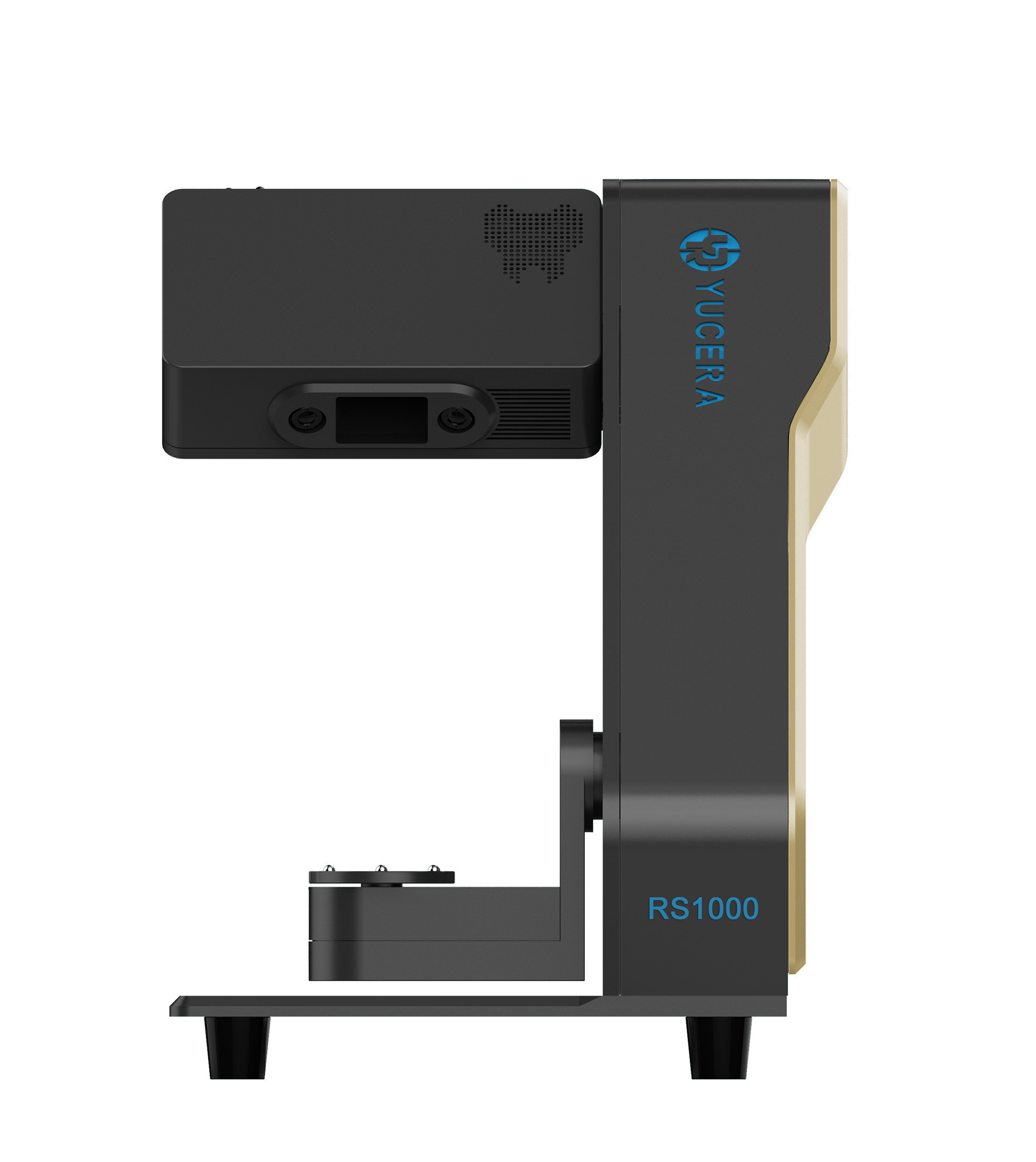
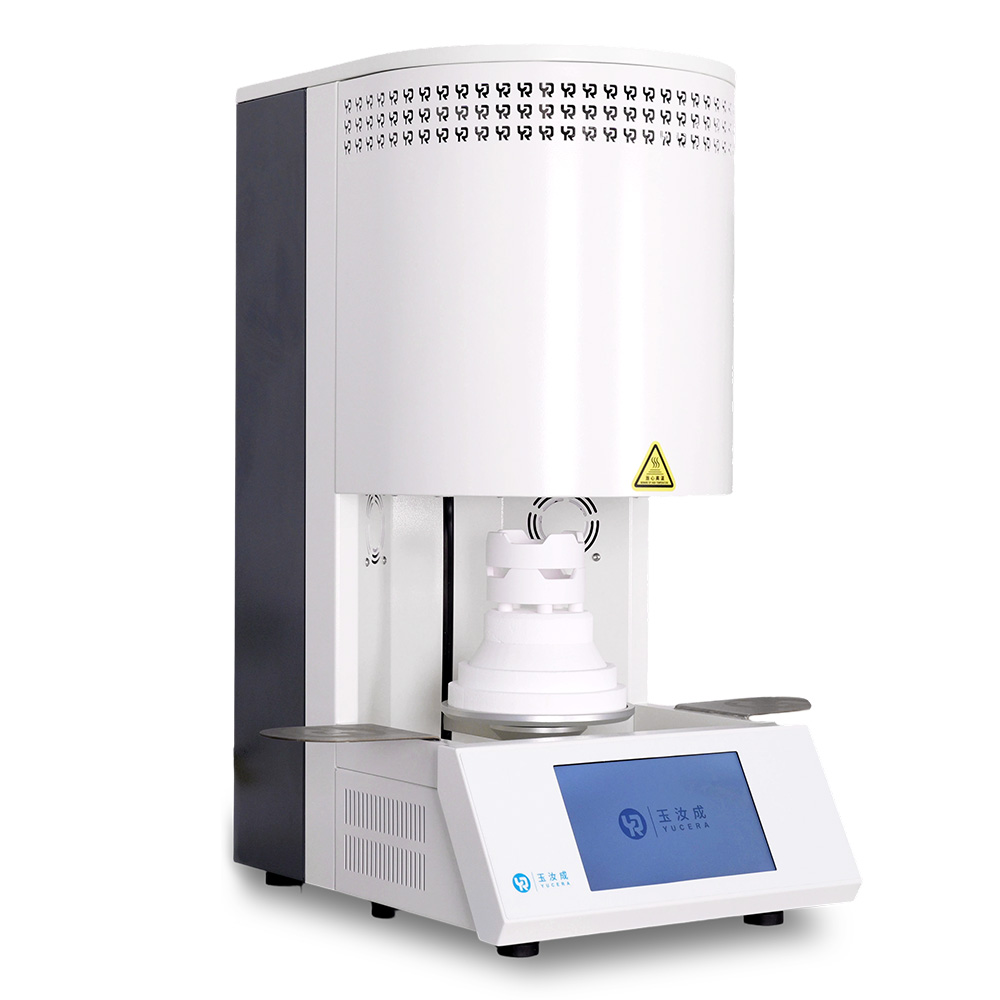
40-min cycle for 60 crowns, dual-layer crucible and 200°C/min heating.
learn more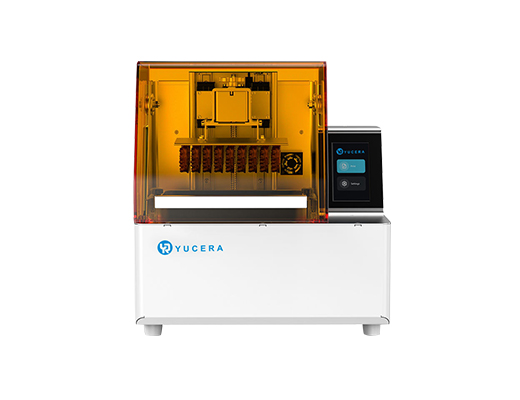
High-speed LCD printer for guides, temporaries, models with 8K resolution.
learn more


2026-01-01
2025-04-07
2025-11-10


